实景预览
实景预览
 发送
发送 分享
分享
 详情
详情 指南
指南

 下载图片
下载图片
 相似作品
相似作品 X射线
X射线 幻灯片播放
幻灯片播放 统计数据
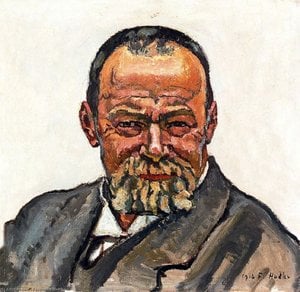
统计数据Lumberjack, study
 Acrylic On Canvas
- WallArt
- Symbolism
 1910
1910- 19th Century
 43.0 x 44.0 cm
 波斯尼亚和黑塞哥维那国家美术馆
 阅读全文
阅读全文
艺术微喷/版画
博物馆级艺术微喷或帆布版画,制作高效,并提供多种饰面选择。 ( 订购此收藏品的纯手工复刻画作 切换至数字图像销售渠道)




P118B ¥10

P118H ¥10

P118W ¥10

P438Z ¥10

P508JH ¥12

P508YH ¥12

P805H ¥10

P805Z ¥10

P919BZ ¥10

P919G ¥10

P919XJ ¥10

P959ZH ¥10

P968JZ ¥12

W106C ¥8

W218G ¥10

W218JH ¥8

W218Y ¥10

W307PJ ¥10

W316G ¥10

W316PJ ¥8

W316Y ¥10

W398PJ ¥8

W4111J ¥10

W500HY ¥15

W500JH ¥15

W692G ¥12

W849H ¥8

W940BG ¥15

W953PJ ¥8




您可以从与原作比例一致的预设尺寸中进行选择。

您可以输入自定义尺寸,以适配特定的画框或空间。如果您选择的尺寸与原图比例不符,我们将对作品进行裁剪,或通过镜像填充/纯色填充边缘的方式来扩展图像。在开始制作之前,我们会向您发送一份数字效果图供您确认。
请注意,屏幕上的预览并不能反映实际的裁剪或扩展效果。只有效果图才能准确展示最终的构图。
虽然我们提供定制尺寸,但为了保持原图比例,我们建议您从预设列表中选择尺寸。


 玻璃选项仅适用于110厘米以下的尺寸。

Lumberjack, study
艺术微喷/版画
复刻品尺寸说明
-


总计金额
¥ 416
The Raw Essence of Labor: Ferdinand Hodler’s “Lumberjack, Study”
Ferdinand Hodler's "Lumberjack, Study," painted in 1910, isn’t merely a depiction of a man wielding an axe; it’s a profound meditation on the human condition, rendered with the characteristic Symbolist precision that defined the artist’s career. Born in Bern, Switzerland, Hodler’s life was deeply intertwined with themes of loss and mortality – experiences he channeled into his art through a lens of quiet observation and evocative symbolism. This particular work, executed during a period of intense artistic experimentation for Hodler, captures a moment of potent physicality alongside an underlying sense of melancholy, inviting the viewer to contemplate the dignity and inherent struggle within everyday labor.
- Subject Matter: The central figure is a powerfully built lumberjack, poised in the act of swinging his axe. The focus isn’t on heroic action, but rather on the concentrated effort and raw physicality of the task at hand.
- Style & Technique: Hodler employs a distinctive “parallelism” technique – a simultaneous depiction of multiple viewpoints within a single composition. Here, we see the lumberjack from several angles simultaneously, creating a sense of dynamism and capturing the essence of his movement. The brushstrokes are loose and expressive, contributing to the work’s immediate impact.
A Window into Symbolist Thought
Hodler was a key figure in the Swiss Symbolist movement, an artistic current that sought to express inner emotions and ideas rather than simply representing external reality. Symbolism rejected academic realism, favoring suggestive imagery and evocative color palettes. In “Lumberjack, Study,” this is evident in the muted tones of the landscape – a hazy sky and indistinct trees – which serve not as literal representations but as symbolic anchors for the figure’s emotional state. The darkness surrounding the lumberjack hints at the hardships and uncertainties of his life, while the upward swing of the axe can be interpreted as an aspiration towards something beyond the immediate toil.
The choice of a lumberjack as subject is itself significant. It represents a connection to the land, to physical labor, and to a fundamental human need for survival – themes that resonated deeply with Symbolist artists grappling with questions of identity and purpose in a rapidly changing world.Historical Context & The Bernese Landscape
Bern, Hodler’s birthplace, provided a constant source of inspiration. The rolling hills and forests surrounding the city were frequently depicted in his work, imbued with a sense of timelessness and spiritual resonance. “Lumberjack, Study” reflects this connection to the landscape, grounding the figure within a recognizable yet subtly idealized Bernese setting. The painting was created during a period of significant social change in Switzerland – the rise of industrialization and urbanization were challenging traditional ways of life. Hodler’s work can be seen as both a reflection of these changes and a nostalgic yearning for simpler times.
Emotional Resonance & A Legacy of Quiet Intensity
Despite its seemingly straightforward subject matter, “Lumberjack, Study” possesses a remarkable emotional depth. The lumberjack's face is largely obscured, inviting the viewer to project their own feelings and interpretations onto the figure. There’s a palpable sense of solitude and resilience in his posture – a quiet dignity born from hard work and perhaps, a touch of melancholy. Hodler masterfully captures this complex interplay of strength and vulnerability, creating an image that continues to resonate with viewers today. Reproductions of this powerful study offer a glimpse into the soul of a remarkable artist and a poignant reflection on the human experience.
问答详情
在“Lumberjack, study”中,哪种颜色最为醒目?
Rosy Brown (#afaa9a) 是 费迪南·霍德勒 的《Lumberjack, study》 的主导色。
费迪南·霍德勒 的《Lumberjack, study》 属于哪个历史时期?
费迪南·霍德勒 的《Lumberjack, study》 创作于 19th Century 时期。这一时期为作品提供了历史背景。
如何以幻灯片形式查看费迪南·霍德勒 的《Lumberjack, study》?
您可以在作品的幻灯片播放页面上观看“Lumberjack, study”的幻灯片展示。
我能否更详细地查看“Lumberjack, study”?
费迪南·霍德勒 的《Lumberjack, study》 的 X射线检测 页面是一个交互式查看器,您可以通过它逐层滑动浏览作品图像的十一层光学图层,其中还包含 X 光风格的视图。
如何将 费迪南·霍德勒 的《Lumberjack, study》 应用于家居装饰中?
针对 费迪南·霍德勒 的《Lumberjack, study》,我们为您提供以下两项建议:用途为 (Statement),适宜空间为 (Living Room)。
"Lumberjack, study" 属于哪种艺术风格?
费迪南·霍德勒 的《Lumberjack, study》 属于 Symbolism 流派。该流派为这件作品提供了风格背景。
“Lumberjack, study”是否一直留在其艺术家的故乡?
不——该作品目前存放于海外。费迪南·霍德勒出生于瑞士,而原作《Lumberjack, study》则由位于波斯尼亚和黑塞哥维那的一家博物馆收藏。
在“Lumberjack, study”中,媒介与笔触是如何结合的?
“Lumberjack, study”采用 Acrylic On Canvas 创作,呈现出 Symbolism 风格。


艺术家简介
费迪南·霍德勒:瑞士象征主义的灵魂
费迪南·霍德勒,一个与瑞士绘画景观和象征主义语言紧密相连的名字,从谦卑的出身崛起为19世纪末至20世纪初最具影响力的艺术家之一。1853年出生于伯尔尼,他的生命深受童年丧失的影响——这是一个贯穿他艺术视角的反复主题。在他青少年时期父亲和两位弟弟不幸去世,给他留下了长久的阴影,激发了他对死亡和存在短暂性的深刻思考。这些经历,与他对自然世界的美丽和力量敏锐的感受交织在一起,成为了他不断发展的作品的核心要素。最初跟随装饰画家学徒,霍德勒天生的才华很快超越了单纯的手工艺;他渴望接受正规训练并进行艺术探索,摆脱商业工作的束缚。这种雄心驱使他于1871年前往日内瓦,在那里沉浸在学习中,同时认真临摹博物馆的杰作——这是一场严苛的教育,为他未来的创新奠定了基础。从现实主义到“平行性”:塑造独特的视觉语言
霍德勒的艺术之旅以持续的进化和对表现力的不懈追求为特征。他的早期作品反映了当时盛行的现实主义风格——一丝不苟地描绘肖像、风景和类型画。然而,他很快发现自己受到这些惯例的限制,寻求一种能够传达更深层次的情感真理和哲学思想的方式。这种探索把他引向了象征主义运动,该运动摒弃了自然主义表现,转而追求主观体验和富有感染力的意象。然而,霍德勒并没有简单地采用象征主义的原则;相反,他开辟了自己的独特道路,发展了他称之为“平行性”的独特风格。这种独特的风格涉及以节奏感、几乎是几何图案的方式排列人物和形式,创造出和谐与紧张感并存的感觉——一种视觉表现了事物之间相互联系的状态。这是一种试图描绘的不只是他所 *看到* 的东西,而是他所 *感受* 到的东西——连接一切的潜在情感电流。《夜》(1890年完成)成为了一个关键的作品,标志着他对象征主义意象的明确转变,并以其对死亡和安宁暗示的人物描绘而引发了相当大的争议。尽管最初受到批评,《夜》在巴黎获得了关注,确立了霍德勒超越瑞士国界的声誉,并预示着一位真正原创声音的到来。画作中的里程碑:关键作品及其意义
在他的多产生涯中,霍德勒创作了一系列令人印象深刻的作品,这些作品至今仍能引起观众的共鸣。《日光》(1893年完成)是他的最具雄心壮志和最受赞誉的成就之一——一部宏伟的历史画作,展示了他对构图和象征主义的精湛掌握。这幅作品位于苏黎世美术馆,是对生命、死亡和重生的有力冥想,以令人惊叹的现实与远见卓识相结合的方式呈现。 《日光》的巨大规模和情感重量巩固了霍德勒在欧洲艺术界的领先地位。其他值得注意的作品包括对瑞士阿尔卑斯山风景的众多描绘,这些风景充满了令人敬畏的宏伟感,以及肖像画,揭示了他对人类心理深刻的理解。他经常重温失去和哀悼的主题,也许反映了他的童年创伤,但总是以一种尊严和韧性的方式注入其中。他的画作不仅仅是再现;它们是情感景观,邀请观众思考存在的根本问题。《真理二》(1897年)的作品展示了霍德勒将古典形式与现代敏感性相结合的能力,创造出既永恒又引人注目的当代图像——这证明了他创新精神。持久的遗产:影响和历史背景
费迪南·霍德勒的影响远远超出了瑞士的国界。他对象征主义的创新运用以及“平行性”的发展为表现主义铺平了道路,这种表现主义强调主观情感和扭曲的形式。后来的艺术家认识到他是一位先驱,他们探索内在体验的方式受到了他的启发。 霍德勒的作品也与19世纪末20世纪初更广泛的文化潮流产生了共鸣——这是一个以快速的社会变革、科学进步和日益增长的存在焦虑为特征的时代。他的画作提供了一种视觉语言来应对这些复杂的问题,在日益不确定的世界中提供了慰藉和见解。 今天,霍德勒的作品被收藏于欧洲及其他地区的主要博物馆中,确保了他的艺术愿景继续激励和挑战几代观众。 他仍然是瑞士艺术史上的一个重要人物,不仅因其精湛的技艺而闻名,还因其深刻的情感深度和对探索人类状况奥秘的不懈承诺而备受赞誉。进一步探索霍德勒

费迪南·霍德勒
1853 - 1918 , 瑞士
快速概览
- 全名: 费迪南·霍德勒
- 出生地点: 伯尔尼,瑞士
- 出生日期: 1853年3月14日
- 去世日期: 1918年5月19日
- 受此艺术家影响的艺术家或运动: ['表现主义']
- 国籍: 瑞士
- 艺术流派或风格: 象征主义, 平行性
- 著名作品: ['夜', '白天', '真理二']
相关文章

Dark Masterpieces: 10 Iconic Paintings Dominated by Black Tones |
Explore 10 iconic paintings dominated by black tones, from Rembrandt’s chiaroscuro to Goya's dark expressions. Discover the stories behind these masterpieces & find museum-quality art reproductions for your home at .

White on Canvas: 10 Masterpieces & Timeless Elegance for Your Home Decor
Explore 10 iconic white paintings by Monet, Whistler & Rothko! Discover the stories behind these serene masterpieces and their impact on art history. Find museum-quality reproductions for your home decor at .

Monochrome Visions: Exploring the Aesthetic & Historical Significance of Black & White Photography
Explore the rich history & artistic power of black and white photography. From early techniques to iconic masters like Ansel Adams, discover why monochrome continues to captivate art lovers today. Expert insights for collectors.

The Nuances of Graphite: Exploring Emotional Depth & Technical Mastery in Pencil Drawing
Explore the captivating world of graphite drawing! Discover its rich history, master essential techniques like chiaroscuro, and learn how artists evoke emotion through this timeless medium. Expert insights for art enthusiasts.

Ferdinand Hodler: Symbolism, Parallelism & the Quest for Universal Harmony
Explore the captivating world of Ferdinand Hodler, Swiss Symbolist painter renowned for his evocative landscapes & pioneering 'parallelism'. Discover his life, key works, and lasting influence on art history. Own a hand-painted reproduction today!