

 实景预览
实景预览
 分享
分享 分享
分享
 详情
详情 指南
指南

 下载作品
下载作品
 相似作品
相似作品 X射线
X射线 幻灯片播放
幻灯片播放 Q&A
Q&A 统计数据
统计数据Penlee Point

- 49.0 x 60.0 cm


 展开全文
展开全文
艺术微喷/版画
博物馆级艺术微喷或帆布版画,制作高效,并提供多种饰面选择。 ( 订购纯手工绘制画作 切换至数字图像销售渠道)




































您可以从与原作比例一致的预设尺寸中进行选择。

请输入您所需的宽度和高度,以适配您的画框或墙面。由于印刷品只能进行裁剪,无法超出原图尺寸,因此若比例不一致,画面的一部分将会被裁切。在正式印刷之前,我们会为您发送一份数字效果图供您确认。本页面显示的图片并非最终裁剪后的效果——只有效果图才能展示真实的裁剪情况。


 玻璃选项仅适用于110厘米以下的尺寸。

Penlee Point
艺术微喷/版画
复刻品尺寸
-


最终结算价
¥ 416
Artistic Style and Technique
Ernest Procter's style is characterized by his use of vibrant colors and rich textures, which are evident in Penlee Point. The painting features a lush green hillside, dotted with trees and a body of water in the background. The presence of people in the scene adds a sense of life and energy to the landscape. As an expert in art, it is clear that Procter was influenced by the Impressionist movement, which emphasized capturing the fleeting effects of light and color.Similar Artists and Works
Other artists whose works are similar to Ernest Procter's style include William Merritt Chase, known for his Terrace at the Mall, Central Park. This painting, like Penlee Point, showcases the artist's ability to capture the beauty of nature. For those interested in learning more about Ernest Procter and his works, visit ArtsDot.com to explore a wide range of handmade oil paintings reproductions.- Yves Tanguy's Large Painting Representing a Landscape is another example of a serene landscape, showcasing the artist's use of color and texture.
- Pyotr Konchalovsky's Aragvi is a stunning example of Fauvism, characterized by its bold colors and energetic brushstrokes.
For more information on the Government Art Collection and its extensive collection of artworks, visit their website or explore the National Trust for Scotland page on ArtsDot.com.
常见问题与解答
Ernest Procter 的《Penlee Point》 使用了怎样的色调?
Ernest Procter 的《Penlee Point》 采用了 Earthy 色调,这一色调概括了作品整体的色彩特征。
Ernest Procter 的《Penlee Point》 的观众来自哪里?
"Penlee Point" 拥有专属的 访问统计 页面。该页面通过国家和语言维度的细分,展示了该作品及艺术家其他作品的每月访问量趋势图。
"Penlee Point" 的主导色调是什么?
Golden Yellow Range 色调贯穿了 Ernest Procter 的《Penlee Point》。
相似作品


艺术家简介
Ernest Procter: A Cornish Vision of Light and Sensuality
Born in Tynemouth, Northumberland, in 1885, Ernest Procter’s artistic journey began within a family steeped in tradition – his father, Henry Richardson Procter, was a distinguished chemist and Fellow of the Royal Society, while his lineage traced back to generations of Quaker tanners. This unique blend of scientific rigor and artisanal heritage profoundly shaped Procter's approach to art, imbuing his work with both meticulous observation and a deep appreciation for texture and materiality. Initially educated at Bootham Friends’ School in York, he later found his way to Newlyn, Cornwall, a burgeoning hub of artistic innovation during the early 20th century – a place that would become inextricably linked to his identity and creative output.
Newlyn, with its vibrant community of artists drawn from across Britain, offered Procter an environment ripe for experimentation. He enrolled in Stanhope Forbes’ School of Painting, absorbing the principles of Impressionism and the Newlyn School's distinctive style – a focus on capturing the fleeting effects of light and atmosphere, particularly within the rugged beauty of the Cornish coastline. His time under Forbes proved formative, fostering his technical skills and introducing him to fellow students like Dod Procter, whom he would later marry in 1912. This union marked not only a personal partnership but also a collaborative artistic force; together, they established the Harvey-Procter School, a respected institution that nurtured young artists and contributed significantly to the local art scene.
The Influence of Forbes and Parisian Training
Stanhope Forbes’ teachings were crucial in shaping Procter's early style. Forbes emphasized direct observation, encouraging students to capture the essence of their subjects rather than relying on academic conventions. This approach is evident in Procter’s landscapes – particularly his depictions of Penlee Point, a dramatic headland overlooking the Atlantic – where he masterfully renders the interplay of light and shadow, conveying both the grandeur and vulnerability of the Cornish coastline. However, Procter's artistic development extended beyond Newlyn; he spent time studying at the Atelier Colarossi in Paris, immersing himself in the vibrant atmosphere of the Parisian art world and absorbing the techniques of Impressionism and Post-Impressionism. Artists like Pierre-Auguste Renoir and Paul Cézanne undoubtedly influenced his palette and approach to capturing fleeting moments.
Portraits and the Exploration of Sensuality
While Procter’s landscapes are undeniably striking, it is perhaps in his portraits that he truly excelled. His subjects – often young women from the local fishing community – were rendered with a remarkable sensitivity and attention to detail. He eschewed idealized representations, instead capturing their inherent dignity and vulnerability. Works like “Professor Henry Richardson Procter” showcase this talent for realism, while simultaneously conveying a sense of quiet wisdom and inner strength. His portraits are not merely likenesses; they are imbued with emotion, revealing the subtle nuances of human character through masterful use of light, shadow, and texture – particularly his signature impasto technique.
Key Works and Recognition
Among Procter’s most celebrated works is “Morning,” a captivating portrait of a young fisherman's daughter that caused a sensation at the 1927 Royal Academy exhibition. The painting’s evocative depiction of light, shadow, and emotion secured it the title of "Picture of the Year" and was subsequently purchased by the Daily Mail for display in the Tate Gallery. Other notable works include “Penlee Point,” a stunning landscape that exemplifies his mastery of capturing the Cornish coastline, and “Uphill from the North,” a vibrant depiction of a coastal scene showcasing his ability to translate the beauty of nature onto canvas. His work was also exhibited at the Royal Academy, the Leicester Galleries, and other prestigious venues throughout Britain.
A Legacy in Cornwall
Ernest Procter’s artistic legacy extends far beyond his individual paintings. He played a pivotal role in fostering the Newlyn School and its distinctive style, contributing to the development of Cornish art as a whole. His commitment to teaching and mentorship ensured that his techniques and vision were passed on to future generations of artists. Even today, Procter's work continues to resonate with viewers, offering a poignant glimpse into the beauty and spirit of Cornwall – a testament to an artist who captured not just the landscape but also the very essence of human experience.

Ernest Procter
1885 - 1935
艺术家简介
- Full Name: Ernest Procter
- Nationality: British
- Date Of Birth: 1885
- Date Of Death: 1935
- Place Of Birth: Tynemouth, Northumberland
- Notable Artworks:
- Penlee Point
- Professor Henry Procter
- Uphill from the North
- Artistic Movement Or Style: Newlyn School, Impressionism
- Artists Who Influenced This Artist:
- Stanhope Forbes
- Elizabeth Forbes
- Artists Or Movements Influenced By This Artist:
- Dod Procter
- Harvey-Procter School
相关文章

浪漫主义画派的十部巨作:定义风景画的艺术传奇
探索浪漫主义风景画的巅峰!本文精选十部经典名作,带您领略莫奈、库尔贝等大师的艺术魅力。感受色彩与光影的诗意,重温自然风光的震撼。ArtsDot.com为您提供博物馆级别的艺术复制品和个性化家居装饰方案。尽在ArtsDot.com!

Impressionistic Landscapes: 10 Masterpieces That Changed Art & Decor
Journey into the heart of Impressionism! Explore 10 masterpieces by Monet, Renoir & Degas that revolutionized landscape art. Discover their stories, techniques & find museum-quality reproductions to elevate your home decor on ArtsDot.com.

捕捉瞬逝的光影:印象派风景画的全面探索
深入探索印象派风景画的艺术魅力!了解莫奈、雷诺瓦等大师的技法,感受光影的瞬逝之美。ArtsDot提供手绘油画复制、定制服务和专业艺术咨询,助您收藏经典或创作专属杰作。

Evocations of Place: A Historical Journey Through Landscape Art
Explore the rich history of landscape art with ArtsDot. Discover renowned artists, movements like Impressionism & Romanticism, and expert guidance for collecting timeless pieces. Find your perfect serene escape today!
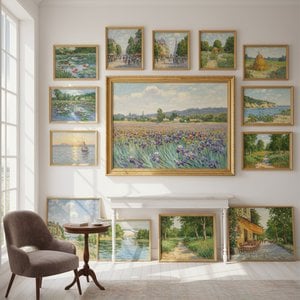
印象派风景画的十部巨作:定义艺术与家的和谐之境
探索印象派风景画的十部经典巨作!从莫奈到雷诺阿,揭秘大师们的技法与灵感。ArtsDot.com为您呈现高清油画复制和精选艺术品,点亮您的家居空间。立即发现更多艺术珍宝!