


 实景预览
实景预览
 发送
发送 分享
分享
 详情
详情 指南
指南

 下载图片
下载图片
 相似作品
相似作品 X射线
X射线 幻灯片播放
幻灯片播放 统计数据
统计数据Tanoo
 Watercolor
- WallArt
- Post-Impressionism
 1912
1912 74.0 x 53.0 cm
 McMichael Canadian Art Collection
 阅读全文
阅读全文
手工油画复制品
由我们的艺术家按需定制,为您提供您所选尺寸及画框的布面手工油画。 ( 切换至版画销售渠道 切换至数字图像销售渠道)




P118B ¥10

P118H ¥10

P118W ¥10

P438Z ¥10

P508JH ¥12

P508YH ¥12

P805H ¥10

P805Z ¥10

P919BZ ¥10

P919G ¥10

P919XJ ¥10

P959ZH ¥10

P968JZ ¥12

W106C ¥8

W218G ¥10

W218JH ¥8

W218Y ¥10

W307PJ ¥10

W316G ¥10

W316PJ ¥8

W316Y ¥10

W398PJ ¥8

W4111J ¥10

W500HY ¥15

W500JH ¥15

W692G ¥12

W849H ¥8

W940BG ¥15

W953PJ ¥8




您可以从与原作比例一致的预设尺寸中进行选择。

请输入您需要的宽度和高度,以适配您的画框或墙面。由于作品为手工绘制,若您选择不同的尺寸比例,艺术家可能会在画面边缘多画一些或稍作裁剪 —— 由您决定。在开始绘画之前,我们会为您发送一份数字效果图供您确认。本页面上展示的图片并非最终实物 —— 只有效果图才能反映真实结果。
下单后,ArtsDot.com 团队将通过电子邮件联系客户获取具体要求,并提供效果预览图


 玻璃选项仅适用于110厘米以下的尺寸。

Tanoo
复制品材质
复刻品尺寸说明
-


总计金额
¥ 1937
Emily Carr’s ‘Tanoo’: A Window into Haida Spirit and Northwest Coast Majesty
Emily Carr's “Tanoo,” painted in 1912, is more than just a depiction of totem poles; it’s a profound meditation on the spirit of the Pacific Northwest and the enduring connection between Indigenous peoples and their ancestral lands. Created during a pivotal period of change for both Canada and its First Nations communities, this watercolor offers a rare glimpse into a world largely untouched by modern influence – a world where storytelling, spirituality, and the natural world are inextricably intertwined.
The painting immediately commands attention with its verticality. Two imposing totem poles dominate the composition, rendered in Carr’s signature style: a blend of realism and expressive abstraction. These aren't simply static structures; they pulse with life through the artist’s skillful use of line and color. The figures carved into their surfaces – one a human face, the other an eagle – are not merely decorative but represent powerful ancestral spirits, guardians of knowledge and tradition. Carr herself spent time living amongst the Haida people on Queen Charlotte Island (now Haida Gwaii), learning from them and incorporating their worldview into her art. This intimate connection is palpable in the painting’s quiet reverence.
A Masterclass in Watercolor Technique
Carr's mastery of watercolor is evident in every brushstroke. The loose, layered washes create a remarkable sense of texture – you can almost feel the dampness of the forest air and the roughness of the weathered wood. Notice how she builds up color gradually, allowing each layer to bleed into the next, creating subtle shifts in tone and value. This technique isn’t simply about representation; it's about capturing the *feeling* of the landscape – its depth, its mystery, its inherent energy. The diffused lighting, suggesting an overcast day or a shaded forest, further enhances this atmospheric effect.
The composition itself is carefully considered. Carr employs a flattened perspective, prioritizing the verticality of the poles and creating a sense of monumental scale. Geometric shapes – rectangles for the poles, organic forms for the surrounding foliage – are used strategically to guide the viewer’s eye and establish a clear visual hierarchy. The use of line is particularly noteworthy; it defines the contours of the poles with precision while simultaneously suggesting movement and dynamism.
Symbolism and Cultural Significance
“Tanoo” is deeply rooted in Haida culture, where totem poles served as vital records of lineage, history, and spiritual beliefs. Each figure carved into a pole represents an individual or clan, narrating their stories and connecting them to the past. The eagle, for example, often symbolizes strength, wisdom, and connection to the spirit world. The human face likely represents a respected leader or ancestor.
Beyond its specific cultural context, “Tanoo” speaks to broader themes of identity, spirituality, and the relationship between humanity and nature. Carr’s work reflects a growing awareness of Indigenous cultures in Canada during the early 20th century, but it also demonstrates a deep respect for the traditions she encountered. The painting serves as a poignant reminder of the importance of preserving cultural heritage and recognizing the profound wisdom embedded within Indigenous knowledge systems.
Bringing ‘Tanoo’ into Your Space
Reproductions of “Tanoo” offer a beautiful way to bring this evocative artwork into your home or office. The vibrant colors and dynamic composition will add a touch of Northwest Coast spirit to any setting, while the intricate details capture the essence of Carr's artistic vision. Consider framing it in a natural wood frame to complement the painting’s earthy tones and further enhance its connection to the landscape.
Whether you are an art enthusiast, a collector seeking unique pieces, or simply someone who appreciates stunning visual beauty, “Tanoo” is a timeless masterpiece that continues to resonate with viewers today. It's a powerful testament to Emily Carr’s artistic talent and her profound understanding of the spirit of British Columbia.
相关艺术品


艺术家简介
扎根于不列颠哥伦比亚景观与灵魂的一生
1871年12月13日,艾米莉·卡尔(Emily Carr)出生于不列颠哥伦比亚省的维多利亚。她不仅仅是一位画家,更是一位变迁世界的记录者,一位对太平洋西北地区自然壮丽景象以及原住民丰富文化遗产充满热情的观察者。她的生命历程展开在那个飞速发展的加拿大背景之下,那是一个正在努力寻找自身身份及其与原住民关系的国家。作为理查德与艾米莉·卡尔之女,她的父母是来到这片新兴殖民地寻求机遇的英国移民,因此她在这样一个既重视传统又崇尚进步的家庭中成长。这种双重性深刻地塑造了她的艺术视野。自幼在父亲的鼓励下,艾米醒露出了非凡的艺术天赋,这种才华通过正式的艺术训练以及与周围景观的深厚连接而得以滋养。温哥华岛那巍峨的森林、崎岖的海岸线以及其中蕴含的勃勃生机,成为了她永恒的灵感源泉。然而,令卡尔着迷的不仅仅是视觉上的美感;她更试图捕捉这片土地的“灵魂”,及其内在的力量与神秘感。锻造独特的艺术之声
卡尔的艺术之旅是一场不断的探索与磨炼。她曾先后在旧金山艺术学院(1890-1892)和伦敦威斯敏斯特艺术学校(1899)接受正式训练,沉浸在欧洲艺术潮流之中。然而,她发现自己愈发被故乡不列颠哥伦比亚所吸引,并意识到真正的艺术表达不在于模仿,而在于对自身经历的真实呈现。起初受后印象派的影响,卡尔逐渐脱离了传统技法,发展出一种以大胆色彩、动态笔触和近乎本能的生命力为特征的风格。她艺术生涯的一个转折点源于她与不列术哥伦比亚沿岸原住民社区的邂逅。她广泛游历这些地区,带着敬畏与尊重记录下他们的村落、图腾柱和祭祀器物。这些经历深刻影响了她的作品,为其注入了精神深度,并使其致力于保护那正面临殖民力量巨大压力的文化。卡尔并非仅仅在描绘关于原住民文化的题材;她是在试图传达他们的世界观、他们与土地的纽带,以及嵌入其艺术中的深邃象征意义。她的画作成为了文化传承与艺术创新的有力宣言。现代主义与内在视觉的表达
艾米莉·卡尔是加拿大现代主义的先驱人物,她在拥抱新表现形式的同时,始终深深扎根于自己独特的视角。她并不满足于仅仅复制所见之物;相反,她力求传达主体的情感与精神本质。这促使她尝试日益抽象的构图,运用厚涂技法来创造运动感与纹理感。她的画布常常脉动着能量,反映了自然界的原始力量以及她所描绘的原住民社区那充满活力的生命力。《基普希奥斯村》(Kispiox Village),例如,不仅仅是对村庄场景的再现;它是对该地氛围、历史及其精神意义的一种唤起。卡尔的作品中经常出现直插云霄的巨树,象征着自然的宏伟与原住民文化不朽的精神。她并不畏惧挑战传统的艺术规范,不断突破边界并开辟自己的道路。这种对艺术独立的追求,激励了后世一代又一代的加拿大艺术家。传承与持久的影响力
尽管成名相对较晚,但艾米莉·卡尔如今被广泛誉为“加拿大现代艺术之母”。她的画作因其美感、情感深度和历史意义而备受珍视。除了艺术成就,卡尔还是一位才华横溢的作家,她在广受赞誉的自传《克利威克》(Klee Wyck)中记录了自己的经历与观察,该书在1941年荣获总督文学非虚构类奖。这部作品为我们了解她的生活、艺术创作过程以及她与不列颠哥丽比亚之间的深厚联系提供了宝贵的视角。卡尔的遗产远超艺术界范畴;她已成为一个国家符号,代表着艺术的独立、文化的探索以及加拿大景观持久的美丽。她的影响力在众多后继艺术家身上可见一斑,包括同样试图捕捉西海岸精神的佩吉·尼科尔·麦克劳德(Pegi Nicol Macleod)。即便在今天,她的画作依然在全球观众中引起共鸣,提醒着我们保护文化遗产与颂扬艺术表达力量的重要性。作为对其持久影响力的见证,一颗小行星“5688 Kleewyck”以她的名字命名——这是对这位卓越艺术家与远见卓识者的星空致敬。代表作品
- 《塔努》(水彩): 对原住民生活的细腻而有力的描绘,展示了卡尔对水彩技法的精湛掌控。
- 《海达村落》(油画): 一幅震撼人心的油画,捕捉了海达村落的建筑宏伟感与精神意义。
- 《印第安教堂》(油画): 深刻表现了原住民文化与基督教传教影响的交汇,反映了卡尔对殖民历史复杂的参与感。
- 《基普希奥斯村》(油画): 一幅标志性的作品,体现了卡尔独特的风格以及她与不列颠哥伦比亚景观及社区的深厚连接。

艾米莉·卡尔
1871 - 1945
快速概览
- Artistic Movement Or Style: 现代主义, 后印象派
- Artists Or Movements Influenced By This Artist: ['佩吉·尼科尔·麦克劳德']
- Date Of Birth: 1871年12月13日
- Date Of Death: 1945年3月2日
- Full Name: 艾米莉·卡尔
- Nationality: 加拿大
- Notable Artworks:
- 塔努
- 海达村落
- 印第安教堂
- 基普肖克斯村
- Place Of Birth: 加拿大,维多利亚
相关文章

水彩艺术全攻略:从文艺复兴到现代的历史演变与创作秘诀,专为经典艺术爱好者打造
本指南深入探讨水彩艺术的历史演变与当代创作秘诀,结合文艺复兴、印象派及现代实验技术,为经典艺术爱好者提供专业绘画技巧、材料选择与收藏建议。凭借多年的学术研究和行业经验,我们为您呈现可信赖、价值导向的内容,让每位读者都能在水彩世界中获得灵感与实战能力。

水彩艺术的流光溢彩:历史渊源、情感共鸣与现代实践
探索水彩艺术的流光溢彩!深入了解其历史渊源、大师技法与现代实践。提供专业的艺术咨询、定制油画服务,助您收藏和鉴赏优秀作品。ArtsDot.com – 您的艺术之选。
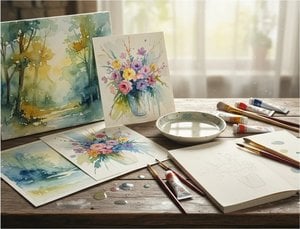
Ephemeral Visions: Exploring the Artistic Legacy & Nuances of Watercolor Painting
Explore the captivating world of watercolor painting! Discover its rich history, essential techniques, influential artists & collecting tips from art experts. A comprehensive guide for enthusiasts.

Ephemeral Visions: Exploring the Artistic Legacy & Contemporary Practice of Watercolor Painting
Explore the captivating world of watercolor painting! Discover its rich history, essential techniques, influential artists & collecting tips. A comprehensive guide for art enthusiasts from ArtsDot.

Watercolor Wonders: 10 Masterpieces That Redefined Art History | ArtsDot
Journey through 10 legendary watercolor masterpieces by Sargent, Turner & Homer! Explore iconic landscapes, portraits & floral art that redefined history. Find museum-quality reproductions and curated decor ideas at ArtsDot.com.