

 实景预览
实景预览
 分享
分享 分享
分享
 详情
详情 指南
指南

 下载作品
下载作品
 相似作品
相似作品 X射线
X射线 幻灯片播放
幻灯片播放 问答
问答 统计数据
统计数据Mismatched Couple


 展开全文
展开全文
艺术微喷/版画
博物馆级艺术微喷或帆布版画,制作高效,并提供多种饰面选择。 ( 订购纯手工绘制画作 切换至数字图像销售渠道)




P118B ¥10

P118H ¥10

P118W ¥10

P438Z ¥10

P508JH ¥12

P508YH ¥12

P805H ¥10

P805Z ¥10

P919BZ ¥10

P919G ¥10

P919XJ ¥10

P959ZH ¥10

P968JZ ¥12

W106C ¥8

W218G ¥10

W218JH ¥8

W218Y ¥10

W307PJ ¥10

W316G ¥10

W316PJ ¥8

W316Y ¥10

W398PJ ¥8

W4111J ¥10

W500HY ¥15

W500JH ¥15

W692G ¥12

W849H ¥8

W940BG ¥15

W953PJ ¥8




您可以从与原作比例一致的预设尺寸中进行选择。

请输入您所需的宽度和高度,以适配您的画框或墙面。由于印刷品只能进行裁剪,无法超出原图尺寸,因此若比例不一致,画面的一部分将会被裁切。在正式印刷之前,我们会为您发送一份数字效果图供您确认。本页面显示的图片并非最终裁剪后的效果——只有效果图才能展示真实的裁剪情况。


 玻璃选项仅适用于110厘米以下的尺寸。

Mismatched Couple
艺术微喷/版画
复刻品尺寸
-


最终结算价
¥ 423
A Portrait of Discord: Unpacking Emile Nolde’s ‘Mismatched Couple’
Emile Nolde's “Mismatched Couple” is not merely a depiction of two individuals; it’s a raw, visceral exploration of human connection – or perhaps disconnection – rendered with the uncompromising intensity characteristic of Expressionism. Painted in 1923, this work immediately confronts the viewer with its unsettling composition and emotionally charged palette, inviting contemplation on themes of intimacy, conflict, and the inherent complexities of relationships. Nolde’s masterful manipulation of color and form transcends simple portraiture, offering a glimpse into the turbulent depths of the human psyche.
Composition and Technique: A Deliberate Distortion
- The asymmetrical arrangement is immediately arresting. The dominant presence of the male figure on the left side contrasts sharply with the partially obscured female form to the right, creating a palpable sense of imbalance. This deliberate disruption of traditional perspective underscores Nolde’s rejection of objective realism in favor of conveying subjective experience.
- Nolde employs thick, gestural brushstrokes – almost violent in their application – to define the figures' forms. These lines aren’t smooth or refined; they are deliberately rough and expressive, contributing significantly to the painting’s overall energy and emotional impact. The simplification and distortion of features further amplify this effect, pushing beyond mere representation towards a powerful expression of inner turmoil.
- The medium – likely watercolor or gouache on paper – lends itself beautifully to Nolde's technique. The fluidity of the paint allows for dynamic layering and blending, while the visible texture adds another layer of tactile interest and reinforces the painting’s raw, unfinished quality.
Chromatic Intensity: A Language of Emotion
The color palette in “Mismatched Couple” is anything but subtle. Deep purples, fiery reds, vibrant greens, and bold yellows collide with a deliberate lack of naturalistic harmony. These colors aren’t used to depict reality; instead, they serve as a potent language of emotion, intensifying the painting's dramatic effect. The stark contrast between the dark tones of the man’s face and body and the bright red and yellow hues of the woman’s head creates a visual tension that mirrors the potential conflict within the relationship. This unconventional use of color aligns perfectly with Nolde’s Expressionist sensibilities, prioritizing emotional impact over accurate representation.
Symbolism and Interpretation: A Portrait of Unease
The title itself, “Mismatched Couple,” immediately suggests a discordance – a fundamental incompatibility between the two figures. While the subject matter is ostensibly a portrait, it transcends simple identification. The distorted features and intense colors contribute to a pervasive sense of unease, hinting at deeper psychological complexities. It’s possible that Nolde intended to represent not just a specific couple but rather the universal struggle for connection amidst inherent differences. The painting's ambiguity invites viewers to project their own interpretations onto the scene, adding to its enduring power and resonance.
Historical Context and Artistic Legacy
Created in 1923, “Mismatched Couple” reflects the broader artistic currents of the Expressionist movement. Nolde, a key figure in this movement, was deeply influenced by artists like Vincent van Gogh and Paul Gauguin, particularly their use of bold color and expressive brushwork. His work often explored themes of spirituality, mythology, and folklore, reflecting his deep connection to German traditions. “Mismatched Couple” stands as a testament to Nolde’s unique vision – a powerful and unsettling portrait that continues to captivate viewers with its raw emotion and enduring psychological depth.
常见问题与解答
"Mismatched Couple" 是否属于公有领域作品?
关于版权,"Mismatched Couple" 属于 属于公有领域 —— 其版权已过期。
如何发现与 埃米尔·诺尔德 (Āi Mǐ'Ěr·Nuò'Ěrdé) 的《Mismatched Couple》 风格相近的艺术品?
与“Mismatched Couple”相似的作品已列在艺术品的 相似作品 页面中。
"Mismatched Couple" 与 埃米尔·诺尔德 (Āi Mǐ'Ěr·Nuò'Ěrdé) 的其他作品有何共通之处?
"Mismatched Couple" 是 埃米尔·诺尔德 (Āi Mǐ'Ěr·Nuò'Ěrdé) Expressionism 时期的代表作,其创作主题涵盖了 van gogh, gauguin influence, religious symbolism, rural themes, emotional intensity, raw expression, key expressionist work”, “nolde’s personal vision。
相似作品


艺术家简介
埃米尔·诺尔德:生命与遗产
埃米尔·诺尔德,一位享誉盛名的德国-丹麦画家,1867年8月7日出生于德国石勒苏益格斯登州的诺尔德。他出身于一个与乡村生活和宗教信仰紧密相连的家庭,这些因素深刻地影响了他的艺术视野。尽管他的父母最初反对他从事绘画,更倾向于他选择一份传统职业,但诺尔德坚持不懈地追求他对艺术的热情。在二十多岁时,他先是一名木雕工匠和家具装饰师,后来全身心投入到绘画中。
艺术发展与影响
诺尔德的艺术之旅充满了自学和探索。他广泛旅行,吸收了来自不同文化和艺术形式的影响。早期的影响包括文森特·梵高、保罗·高更以及传统民间艺术——特别是原始面具和雕刻的表现力。这些经历激发了他对大胆色彩、简化形式和情感充沛主题的兴趣。他最初尝试现实主义和印象派,但很快转向一种更加主观和表现性的风格。
“桥社”与表现主义突破
1905年,诺尔德与一群德国表现主义艺术家共同创立了“桥社”(Die Brücke)。这个团体旨在摆脱学院派传统,通过激进的艺术实验表达内心情感。诺尔德对“桥社”的贡献至关重要;他对色彩的强烈运用和扭曲的形式突破了表现的界限。然而,他在该群体中保持着某种程度的独立性,在主题和风格上常常与众不同。
主要主题与艺术风格
诺尔德的作品以几个反复出现的主题为特征:宗教场景、风景画、海景画和肖像画。他对面具的力量特别着迷——既作为物理对象,也作为原始情感的象征。他的艺术风格可以概括如下:
- 大胆、鲜艳的色彩用于传达强烈的情感
- 扭曲的形式强调表达而非现实主义表现
- 厚涂技法 - 厚重的颜料应用创造纹理
- 专注于捕捉内在心理状态
重要作品与成就
在职业生涯中,诺尔德创作了大量的作品。他最著名的画作包括:
- 面具(1906-1907)——展示了他对原始艺术的迷恋
- 嘲弄基督(1909)——一幅充满力量和情感冲击力的宗教场景
- 秋海(1908) - 展示了他富有表现力的风景画。
- 花园 (女孩与洗衣) (1907)
- 围绕金牛犊跳舞(1909)
尽管在纳粹政权下受到批评和审查——他的作品被认为是“堕落的”,诺尔德仍然秘密地继续绘画。在此期间,他创作了大量的水彩画,证明了他对艺术表达的不懈承诺。
历史意义与遗产
埃米尔·诺尔德对色彩的创新运用和表现主义笔触深刻影响了几代艺术家。他的作品弥合了传统表现性艺术与随后的抽象运动之间的差距。他仍然是德国表现主义历史上的一位重要人物,以其情感强度、大胆实验和持久的艺术视野而闻名。他的遗产继续激励着世界各地的艺术家和艺术爱好者。

埃米尔·诺尔德 (Āi Mǐ'Ěr·Nuò'Ěrdé)
1867 - 1956 , 德国
艺术家简介
- 代表作品:
- 面具
- 嘲弄基督
- 花园(少女与洗衣物)
- 秋海
- 围绕金牛犊的舞蹈
- 出生地: 德国石勒苏益根州诺尔德
- 出生日期: 1867年8月7日
- 受影响艺术家或运动: 德国表现主义
- 国籍: 德裔丹麦人
- 姓名: 埃米尔·诺尔德
- 影响艺术家:
- 文森特·梵高
- 保罗·高更
- 艺术运动或风格: 表现主义,桥社
- 逝世日期: 1956年
相关文章

马克·罗斯科25幅杰作:色彩与情感的深度之旅 | ArtsDot
探索马克·罗斯科25幅杰作,感受抽象表现主义的色彩力量与深刻情感。从经典色域绘画到无题系列,了解艺术史上的大师及其作品背后的故事。ArtsDot.com提供博物馆级高质量复制品,为您的家居装饰带来艺术灵感!立即探索完整收藏。

波瀾壯闊:表現主義十大名作,定義時代與靈魂
探索表现主义的灵魂!本文精选十幅名作,从莫迪里亚尼到夏加尔,揭秘大师背后的故事与艺术魅力。感受色彩的力量,重塑您的家居空间。ArtsDot.com 提供博物馆品质的艺术复制品和个性化装饰方案。立即在线探索全系列!

German Expressionism's 10 Defining Masterpieces | Art for Your Home
Explore 10 defining German Expressionism masterpieces – from Munch's 'The Scream' to Kandinsky’s abstracts. Discover the artists, stories & bold colors behind this powerful art movement. Find museum-quality reproductions at ArtsDot.com.

Emile Nolde: A Journey into Expressionist Nature & the Primal Self
Explore the powerful Expressionism of Emile Nolde – a pioneer of emotive landscapes & spiritual themes. Discover his journey, influences, and lasting impact on modern art. Hand-painted reproductions available at ArtsDot.
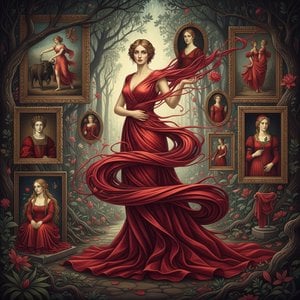
Crimson Threads of Narrative: Exploring Symbolism & Representation in Artworks Featuring the Red Dress
Explore the rich symbolism of the red dress in art history! From ancient power displays to iconic portraits like Cézanne’s 'Madame Cezanne', discover the cultural and artistic significance behind this captivating color. Expert analysis & insights.

