
 实景预览
实景预览
 切换至版画销售渠道
 分享
分享 分享
分享
 详情
详情 指南
指南

 下载作品
下载作品
 相似作品
相似作品 X射线
X射线 幻灯片播放
幻灯片播放 Q&A
Q&A 统计数据
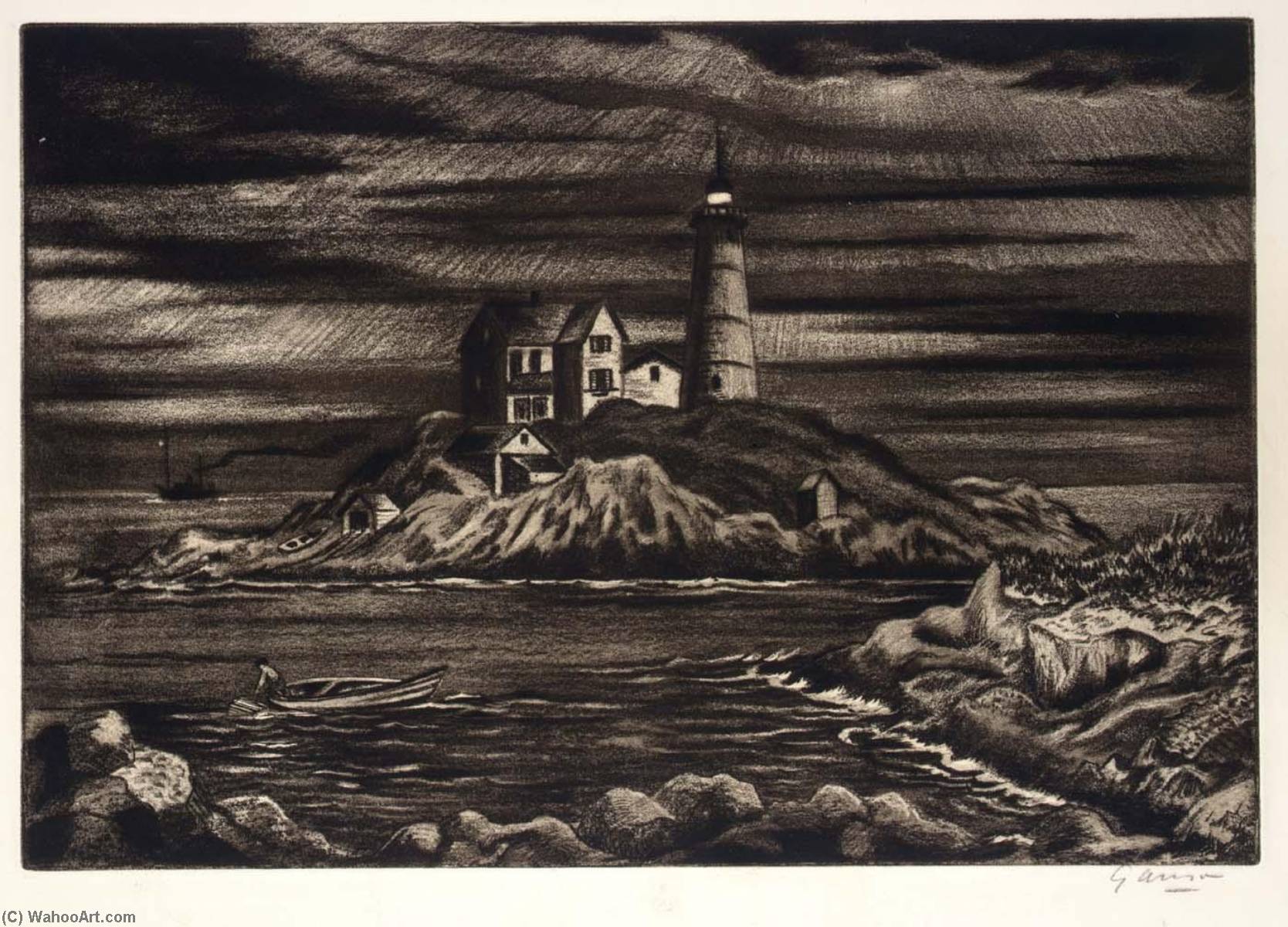
统计数据Nubbli Lighthouse

- 24.0 x 35.0 cm

 展开全文
展开全文
获取远超网页预览效果的印刷级文件。我们销售的每一张数字图像均源自库存数据库中的高分辨率母版——宽度通常在 5,000 至 15,000 像素之间——因此您可以放心地进行大幅打印、局部裁剪或还原细腻的细节。
每一件作品在离开我们的工作室前都经过了精心的处理。数字影像专家会对照原作核对色彩,并在必要时进行校正,随后利用专业修图工具提升清晰度与细节表现——且始终忠实于艺术家的笔触与风格。最终呈现的图像宛如原作本身,而非仅仅是一张加了滤镜的扫描件。
您可以在最终定稿前进行审核:我们的专家将在 72 小时内通过电子邮件向您发送图像以供审阅。如果不满意?您可以要求改进或修正;若质量未达预期,亦可申请退款。
这也是出版商、设计工作室、画廊及印刷厂所信赖的品质。
每份数字图像订单均包含的内容
专业级数字交付,品质保障
选择 ArtsDot.com,您获得的不仅仅是一张图像——您收到的是经过专业级增强、精雕细琢的数字艺术作品,并享有满意保证。以下是您的订单中自动包含的所有内容:

邮件即时送达
您的高分辨率数字图像文件将在下单后 72 小时内通过电子邮件发送给您 —— 即可立即使用。

AI 增强型数字文件
您的艺术品经过专业优化,结合先进的 AI 技术与人工修饰,确保呈现极致的细节、清晰度与色彩准确度。

终身免费重发服务
不小心删除了文件或找不到了?没关系——我们将随时为您免费重发。

无需进口税费,始终如一
即刻拥有您的艺术作品,无需支付任何关税、税费或运费——数字下载始终免税。

色彩精准保障
我们通过专业工具与色彩管理技术,确保您的数字图像尽可能真实地还原原作色彩。

100天满意保证
如果您对所购数字图像不满意,我们将在100天内为您进行修改或提供100%的全额退款——无需任何理由。

100% 退款保证
不满意?在收到数字文件后的100天内,您可以申请全额退款——无需任何理由。

批量订购优惠
购买 3 张享 10% 折扣 - 购买 5 张享 15% 折扣 - 购买 10 张以上享 20% 折扣。非常适合创意项目、画廊及机构使用。
Artistic Style and Technique
Emil Ganso's unique style and technique are evident in this piece. The use of softground etching, aquatint, and roulette creates a captivating texture and depth to the artwork. The Nubbli Lighthouse is a prime example of modern art, showcasing the artist's ability to experiment with different techniques.Subject Matter
The subject matter of the painting is a lighthouse on a rocky island, with two people standing near it. The presence of a house and a boat in the water adds to the sense of isolation and tranquility. The Nubbli Lighthouse is not only a beautiful artwork but also a reflection of the artist's fascination with the relationship between humans and their environment.- The painting is a great example of landscape art, capturing the essence of a coastal location.
- The use of black and white creates a sense of simplicity and elegance, highlighting the beauty of the subject matter.
- The Smithsonian American Art Museum is home to many other notable artworks, including pieces by Edmund Tarbell and Armin Landeck.
The Nubbli Lighthouse is a must-see for anyone interested in modern art and the work of Emil Ganso. Its unique style, captivating subject matter, and beautiful technique make it a standout piece in the world of art.
常见问题与解答
Emil Ganso 的《Nubbli Lighthouse》 的主导色调是什么?
Golden Yellow Range 色调贯穿了 Emil Ganso 的《Nubbli Lighthouse》。
在哪里可以找到关于“Nubbli Lighthouse”的指南?
"Nubbli Lighthouse" 的指南请参阅作品的 指南 页面 —— 这是一份可打印的信息单,包含了该作品的说明、署名以及详细信息表(艺术家、日期、媒介、原尺寸、馆藏)。
Emil Ganso 的《Nubbli Lighthouse》 的版权情况是如何界定的?
"Nubbli Lighthouse" 的版权状态 —— 属于公有领域 —— 其版权已过期 —— 取决于艺术家于 1941 年逝世这一事实。
相似作品


艺术家简介
Emil Ganso (1895–1941): Pioneer of Atmospheric Landscape Painting
Emil Ganso, born Søren Emil Carlsen in Halberstadt, Germany, on November 23, 1895, embarked on a remarkable artistic journey that spanned Europe and America. His formative years were marked by a fascination with German art history—particularly Alexander Dorner’s *The Way Beyond “Art”: The Work of Herbert Bayer*, which profoundly influenced his theoretical approach to painting. This book instilled in him a belief that art should transcend mere representation, striving instead for an essence that captures the spirit of its subject matter. Ganso's early artistic endeavors focused on watercolors and sketches, honing skills that would later serve as the foundation for his distinctive style.- Early Influences: Dorner’s emphasis on abstraction and psychological depth resonated deeply with Ganso, shaping his worldview and informing his artistic vision.
- Move to America (1914): Seeking greater creative freedom, Ganso emigrated to the United States in 1914, establishing himself as a baker while simultaneously pursuing his artistic passions.
The Woodstock Years and Artistic Collaborations
Ganso’s relocation to Woodstock, New York, in 1927 proved pivotal to his artistic development. He joined forces with Jules Pascin, fostering a collaborative spirit that enriched their respective oeuvres. This period witnessed Ganso experimenting with photography alongside fellow Woodstock artists like Yasuo Kuniyoshi and Reginald Marsh—a practice he considered instrumental in enhancing his understanding of color and composition. The influence of Konrad Cramer and Leonard Bocour further solidified Woodstock’s role as a crucible for artistic innovation, shaping Ganso's approach to painting and fostering connections with prominent figures in the art world. Bocour recognized Ganso’s visionary leadership and introduced him to influential artists like Kuniyoshi and Marsh—a testament to Ganso’s enduring impact on American modernism.- Collaboration with Jules Pascin: Their partnership yielded stunning lithographs, demonstrating Ganso's dedication to supporting fellow artists.
- Photography as Artistic Tool: Ganso embraced photography as a means of capturing atmospheric nuances and informing his landscape paintings.
Style and Technique: Atmospheric Luminism
Ganso’s artistic style is characterized by “atmospheric luminism”—a technique that prioritizes conveying mood and emotion through subtle gradations of color and light. He meticulously studied German art books, including Dorner's *The Way Beyond “Art”: The Work of Herbert Bayer*, absorbing insights into abstraction and psychological representation. Ganso’s canvases pulsate with a palpable sense of place—capturing the ethereal beauty of landscapes bathed in diffused sunlight. His meticulous brushwork and masterful use of color create immersive experiences for viewers, inviting contemplation and emotional resonance. He achieved this remarkable feat by studying and experimenting with techniques honed during his formative years in Germany.- Emphasis on Light and Color: Ganso’s paintings prioritize capturing the subtleties of natural light—creating luminous landscapes that evoke profound emotion.
- Detailed Brushwork: His meticulous brushstrokes contribute to the textural richness and atmospheric depth of his compositions.
Notable Achievements and Recognition
Throughout his career, Ganso garnered acclaim for his artistic prowess—receiving prestigious awards such as the Pennell Memorial Medal from the Pennsylvania Academy of the Fine Arts in 1938. His work was exhibited extensively across Europe and America, cementing his reputation as a leading figure in early 20th-century painting. He participated in landmark exhibitions including the 1939 New York World’s Fair and the Golden Gate Exposition in San Francisco—demonstrating his commitment to engaging with contemporary artistic dialogues. Ganso's legacy continues to inspire artists today, securing his place as a visionary innovator who championed atmospheric luminism and profoundly shaped the trajectory of modern landscape painting.
Emil Ganso
1895 - 1941
基本信息
- Full Name: Emil Ganso
- Nationality: German
- Date Of Birth: 1895
- Date Of Death: 1941
- Place Of Birth: Halberstadt, Germany
- Notable Artworks:
- Winter
- Nubbli Lighthouse
- Artistic Movement Or Style: Landscape Art
- Artists Who Influenced This Artist:
- George Bellows
- Ludwig Kirchner
- Artists Or Movements Influenced By This Artist: ['Expressionism']