

 购买版画
购买版画 分享
分享 分享
分享
 Details

 下载
下载
 相似作品
相似作品 X-Ray
X-Ray 幻灯片播放
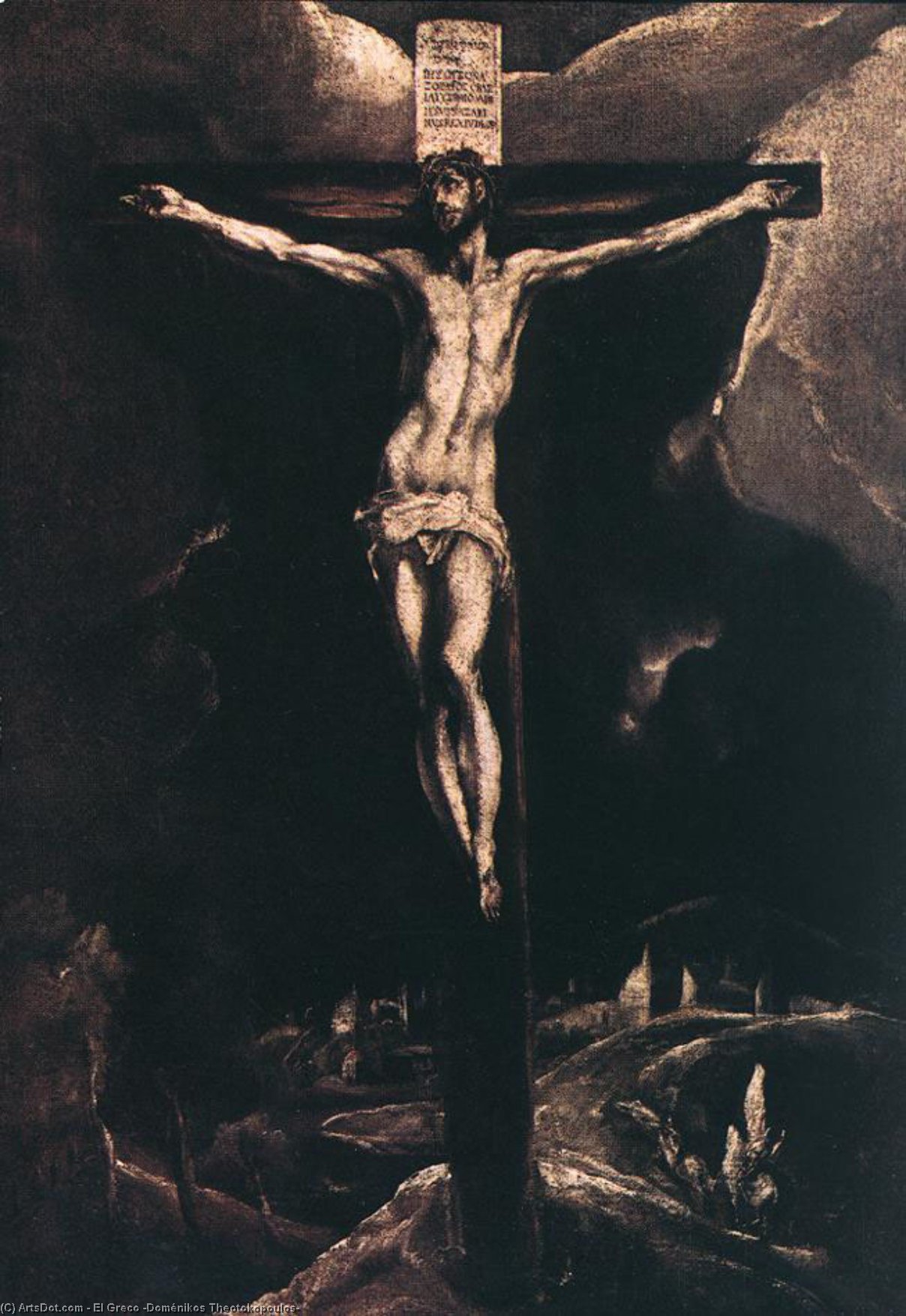
幻灯片播放Christ on the Cross
 Oil On Canvas
- WallArt
- Baroque
 1585
1585- Renaissance
 57.0 x 33.0 cm
 国家博物馆 (Rijksmuseum)




P118B $10

P118H $10

P118W $10

P438Z $10

P508JH $12

P508YH $12

P805H $10

P805Z $10

P919BZ $10

P919G $10

P919XJ $10

P959ZH $10

P968JZ $12

W106C $8

W218G $10

W218JH $8

W218Y $10

W307PJ $10

W316G $10

W316PJ $8

W316Y $10

W398PJ $8

W4111J $10

W500HY $15

W500JH $15

W692G $12

W849H $8

W940BG $15

W953PJ $8




 了解更多
了解更多从与原作比例一致的预设尺寸中进行选择。

您可以输入自定义尺寸,以适配特定的画框或空间。如果所选尺寸与原图比例不符,我们将通过裁剪作品或添加手绘元素来扩展画面。数字样稿将在制作开始前发送给您确认。
请注意,屏幕预览无法准确反映实际的裁剪或扩展效果,只有样稿才能真实呈现最终的构图。
虽然我们提供定制尺寸服务,但为了保留原作比例,建议您从预设列表中选择尺寸。
下单后,ArtsDot.com 团队将通过电子邮件联系客户获取具体要求,并提供效果预览图。


 玻璃选项仅适用于110厘米以下的尺寸。

Christ on the Cross
复制材质
复制品尺寸
-


最终总价
-
作品详情
A Vision of Suffering and Faith: El Greco’s *Christ on the Cross*
El Greco's 1585 masterpiece, *Christ on the Cross*, is a profoundly moving depiction of one of Christianity’s most pivotal moments. Measuring just 57 x 33 cm, this oil-on-canvas work—currently housed in the Rijksmuseum, Amsterdam—possesses an emotional intensity that belies its relatively small scale. It's not merely a representation *of* suffering; it invites viewers to experience it alongside Christ.Composition and Artistic Style
The painting centers on the figure of Jesus, dramatically suspended from the cross with arms outstretched in sacrifice. El Greco’s distinctive style is immediately apparent: elongated figures, swirling drapery, and a dynamic composition that eschews classical balance for expressive power. The artist employs a restricted palette dominated by somber browns, blacks, and grays, punctuated by flashes of light that highlight Christ's tormented form. Figures flanking the cross—observers or participants in this tragic event—are rendered with similar elongation and emotional intensity, contributing to the overall sense of unrest and spiritual turmoil. The landscape receding into the background isn’t a realistic depiction but rather an atmospheric backdrop enhancing the painting’s dramatic effect.Technique and Innovation
El Greco's technique is characterized by loose brushwork and a masterful use of light and shadow – *chiaroscuro* – to create depth and heighten emotional impact. He builds up layers of paint, sometimes using impasto (thickly applied paint) to emphasize texture and form, particularly in the depiction of Christ’s flesh and drapery. This technique contributes to the painting's visceral quality, making the suffering feel palpable. His approach was revolutionary for its time, moving away from Renaissance ideals of proportion and realism towards a more subjective and emotionally charged expression.Historical Context and El Greco’s Journey
Born Doménikos Theotokópoulos in Crete in 1541, El Greco (meaning “the Greek”) forged an artistic path that blended Byzantine icon painting with the influences of Venetian Renaissance masters like Titian and Tintoretto. He eventually settled in Toledo, Spain, where he produced some of his most celebrated works. *Christ on the Cross* was created during a period of intense religious fervor within the Counter-Reformation, and reflects the spiritual anxieties of the time. El Greco’s unique style wasn't immediately embraced by all contemporaries; however, it would later profoundly influence generations of artists.Symbolism and Emotional Resonance
The painting is rich in symbolism. The cross itself represents sacrifice and redemption. Christ’s outstretched arms symbolize both suffering and a welcoming embrace. The darkened sky and turbulent landscape mirror the emotional upheaval of the scene, while the figures surrounding him represent humanity's witness to this pivotal event. Beyond its religious significance, *Christ on the Cross* evokes universal themes of pain, loss, and faith. It’s a work that invites contemplation on the human condition and the search for meaning in suffering.A Lasting Legacy
*Christ on the Cross* remains a powerful testament to El Greco's artistic genius and his ability to convey profound emotion through paint. Its enduring appeal lies in its raw honesty, spiritual depth, and innovative style. For art collectors, interior designers, or anyone seeking a piece that embodies both historical significance and emotional resonance, this painting offers an unparalleled experience.- Artist: El Greco (Doménikos Theotokópoulos)
- Painting Title: *Christ on the Cross*
- Museum: Rijksmuseum, Amsterdam, Netherlands
- Medium: Oil on Canvas
- Date: 1585
- Size: 57 x 33 cm
相似艺术品


艺术家简介
克里特的火焰:埃尔·格列柯的一生与艺术
多梅尼科斯·德托科普洛斯,更广为人知的名字是埃尔·格列柯(“希腊人”),是一位画家、雕塑家和建筑师,他的生活和作品超越了简单的分类。1541 年出生于克里特岛,当时属于威尼斯共和国统治下的王国,他的艺术之旅带领他先后前往威尼斯和罗马,最终在西班牙的精神中心托莱多找到了其终极的表达。埃尔·格列柯并非仅仅是这些地方的产物;他将各种影响融合在一起,创造出一种完全独特的风格,这种风格预示了几个世纪后表现主义的情感强度以及立体主义的分裂形式。他在拜占庭传统中的早期训练赋予了他对细节一丝不苟的关注和对宗教图像学的深刻理解。然而,这个基础并不会束缚他。他用希腊语签署他的作品,经常附加“Krḗs”——克里特人——作为对其起源的骄傲宣言,即使他在探索新的艺术领域。他独特风格的种子不仅在技巧上播下,还在他家乡的热烈宗教氛围和威尼斯艺术的丰富画卷中。从威尼斯到托莱多:一场蜕变
大约 1567 年迁往威尼斯标志着一个关键时刻。沉浸在充满活力的艺术氛围中,埃尔·格列柯学习了大师们——提香、丁托列多和维罗内塞——吸收他们对色彩、构图和戏剧性光线的掌握。他学会了放松他的笔触,拥抱油漆的感官性,并以一种全新的活力来描绘人物。这种威尼斯的影响在早期作品《圣塞巴斯蒂安》(1600 年)中可见一斑,其中解剖细节与近乎戏剧性的光线和阴影无缝融合。此后在罗马逗留的时间使他接触到风格主义,其特点是拉长的人物、扭曲的透视和精致的构图。虽然他展示了相当的天赋,但埃尔·格列柯发现很难在竞争激烈的罗马艺术界获得广泛认可。正是 1577 年迁居托莱多才最终让他独特的视野得以蓬勃发展。当时,这座城市是反宗教改革期间宗教狂热的中心,为他充满强烈精神色彩的绘画提供了赞助和氛围。一种无与伦比的风格
埃尔·格列柯的艺术风格立刻就能认出——而且令人完全着迷。他的形象经常被戏剧性地拉长,他们的身体扭曲成姿势,传达了精神狂喜或深刻悲伤的感觉。这并非单纯的风格修饰;这是试图描绘不可见的东西、超越事物表象的情感和精神现实。他巧妙地运用色彩——并非总是逼真的颜色,而是充满活力且通常是不自然的色调——来增强其作品的情感冲击力。戏剧性的光线,明暗对比强烈,创造了一种戏剧效果,将观众带入场景的中心。《奥尔加茨伯爵的安葬》(1586-1588 年)被认为是他的杰作,完美地体现了这些品质。这幅画描绘了一件奇迹事件——圣徒们降临来埋葬一位虔诚的贵族——以对当代人物的逼真描绘与代表神圣干预的超凡脱俗、拉长的人物形式并列,令人印象深刻。他将拜占庭传统与意大利文艺复兴时期的技巧相结合,创造出一种既创新又极具个人风格的艺术形式。他的后期作品变得越来越神秘,反映了他自己对宗教信仰的深刻信念以及对传统艺术规范日益增长的疏离感。遗产与再发现
尽管他在有生之年取得了相当大的成功——从托莱多教堂和修道院获得了重要的委托——但埃尔·格列柯的作品在他去世后相对默默无闻。几个世纪以来,他被人们忽视,被艺术史学家斥为古怪或地方艺术家。直到 20 世纪,他的天才才开始得到充分的认可。毕加索和布拉克等艺术家将他视为现代艺术的前身,特别是立体主义,欣赏他对扭曲形式和非常规透视的运用。他的表现力风格引起了表现主义者的共鸣,他们试图通过大胆的色彩和戏剧性的构图来传达情感强度。如今,埃尔·格列柯被誉为西方艺术史上的重要人物之一——一位远见卓识的画家,其作品继续以其精神深度、情感力量和独特的艺术视野吸引着观众。他的画作不仅仅是宗教场景的再现;它们是灵魂的窗口,是对信仰持久力量的证明,以及对人类精神超越能力的庆祝。杰出作品
- 《奥尔加茨伯爵的安葬》(1586-1588 年):毫无争议的杰作,将现实主义和精神强度完美融合的宏伟作品。
- 《托莱多景观》(1596-1600 年):一幅戏剧性的风景画,以漩涡状、大气的风格描绘了这座城市,以近乎有远见的方式捕捉了它的本质。
- 《第五印的开启》(1608-1614 年):受启示录一书启发的一系列作品的一部分,这幅画体现了埃尔·格列柯的末世景象和他对戏剧性构图的大师级运用。
- 《圣塞巴斯蒂安》(1600 年):以戏剧性的光线和情感强度相结合,描绘了这位圣徒的有力形象。
- 《基督脱衣》(1577-1579 年):一件早期作品,展示了他对威尼斯影响以及色彩和光线的戏剧性运用。

埃尔·格列柯
1541 - 1614 , 希腊
艺术家简介
- Artistic Movement Or Style: 曼希主义,巴洛克风格
- Artists Or Movements Influenced By This Artist:
- 表现主义
- 立体主义
- Artists Who Influenced This Artist:
- 提香
- 丁托列多
- Date Of Birth: 1541年10月1日
- Date Of Death: 1614年4月7日
- Full Name: 多梅尼科斯·德托科普洛斯,被称为埃尔·格列柯
- Nationality: 希腊-西班牙国籍
- Notable Artworks:
- 奥尔加斯伯爵的葬礼
- 托莱多景色
- 第五印章开启
- 圣塞瓦斯蒂安
- 基督脱衣
- Place Of Birth: 克里特岛(希腊)
相关文章

El Greco: Spirituality, Style & Innovation – A Renaissance Master's Legacy
Explore the captivating world of El Greco! Discover his unique style, spiritual intensity, and lasting impact on art history. Learn about this Renaissance master's life, iconic paintings & legacy.


马德里普拉多博物馆:25幅不容错过的艺术杰作 | ArtsDot
探索马德里普拉多博物馆的25幅艺术瑰宝!深入了解委拉斯开兹、戈雅等大师的经典作品,感受巴洛克艺术的魅力。ArtsDot.com提供精美油画复制品,为您的家居增添艺术气息。立即在线探索完整系列!

巴洛克艺术的戏剧魅力:从起源到永恒——深入解析其历史脉络、视觉特征与跨时代影响
巴洛克艺术的戏剧魅力,深入探讨其起源、视觉语言与永恒影响。我们以专业知识和严谨研究,为经典艺术爱好者提供可信赖的解读与高价值收藏建议,让您在家中也能感受大师级光影张力。

Harmonizing Heritage: A Cross-Cultural Approach to Interior Design with Asian, European, and African Art Reproductions
Discover the art of cross-cultural interior design with ArtsDot.com. Explore museum-quality reproductions & expert guidance to create a globally inspired, sophisticated home. Shop now!

Oil on Canvas Masters: 10 Paintings That Redefined Art History |
Journey through art history with our guide to 10 legendary oil on canvas masterpieces! Explore iconic works by Van Gogh, Monet & Rembrandt. Find museum-quality reproductions and elevate your home decor at . Discover all masterpieces online.



