

 实景预览
实景预览
 分享
分享 分享
分享
 详情
详情 指南
指南

 下载作品
下载作品
 相似作品
相似作品 X射线
X射线 幻灯片播放
幻灯片播放 问答
问答 统计数据
统计数据Moa


 展开全文
展开全文
艺术微喷/版画
博物馆级艺术微喷或帆布版画,制作高效,并提供多种饰面选择。 ( 订购纯手工绘制画作 切换至数字图像销售渠道)




P118B ¥10

P118H ¥10

P118W ¥10

P438Z ¥10

P508JH ¥12

P508YH ¥12

P805H ¥10

P805Z ¥10

P919BZ ¥10

P919G ¥10

P919XJ ¥10

P959ZH ¥10

P968JZ ¥12

W106C ¥8

W218G ¥10

W218JH ¥8

W218Y ¥10

W307PJ ¥10

W316G ¥10

W316PJ ¥8

W316Y ¥10

W398PJ ¥8

W4111J ¥10

W500HY ¥15

W500JH ¥15

W692G ¥12

W849H ¥8

W940BG ¥15

W953PJ ¥8




您可以从与原作比例一致的预设尺寸中进行选择。

请输入您所需的宽度和高度,以适配您的画框或墙面。由于印刷品只能进行裁剪,无法超出原图尺寸,因此若比例不一致,画面的一部分将会被裁切。在正式印刷之前,我们会为您发送一份数字效果图供您确认。本页面显示的图片并非最终裁剪后的效果——只有效果图才能展示真实的裁剪情况。


 玻璃选项仅适用于110厘米以下的尺寸。

Moa
艺术微喷/版画
复刻品尺寸
-


最终结算价
¥ 422
Egon Schiele’s “Moa”: A Study in Vulnerability and Expressionist Boldness
The painting "Moa" by Egon Schiele, created in 1911, stands as a haunting testament to the artist's preoccupation with mortality and his masterful manipulation of color and form. It depicts a dancer—referred to as Moa—immersed within richly patterned textiles, capturing Schiele’s distinctive Expressionist style and decisively departing from Klimt’s opulent ornamentation. This artwork immediately draws the eye with its striking contrasts: the vibrant hues of the fabric juxtaposed against the stark simplicity of the nude figure beneath, creating a visual tension that speaks volumes about the psychological landscape of the era.A Departure From Klimt's Influence
Schiele’s artistic vision was profoundly shaped by Klimt’s decorative style—particularly “The Kiss”—but he resolutely rejected its gilded surface and stylized figures. Instead, Schiele prioritized raw emotion and anatomical precision, pushing boundaries of representation to convey inner turmoil. The dancer is rendered in a manner that eschews idealized beauty; her body is painted in reds and blues, colors often associated with passion and sorrow respectively, highlighting the vulnerability inherent in the human condition—a theme central to Schiele’s oeuvre.Technique and Composition: Bold Lines and Fragmented Form
Schiele employed a meticulous technique characterized by bold lines and fragmented form. Pencil strokes delineate the contours of the dancer's body with unwavering certainty, emphasizing her physicality while simultaneously conveying a sense of instability. The drapery—a dominant element in the composition—is rendered in geometric patterns that serve to obscure the nude figure beneath, creating an illusionistic depth that amplifies the painting’s emotional impact. This deliberate fragmentation reflects Schiele’s exploration of psychological states and his rejection of traditional artistic conventions.Symbolism: Facing Mortality
“Moa” embodies a powerful symbolic resonance rooted in Schiele's fascination with death and decay—themes recurrent throughout his work. The dancer’s gaze, directed upwards and slightly off-center, suggests defiance yet simultaneously conveys a profound awareness of mortality. This subtle gesture underscores Schiele’s belief that art should confront uncomfortable truths about human existence. The artist’s use of color – particularly the reds and blues – reinforces this symbolic dimension, representing passion and sorrow—the fundamental emotions underpinning the experience of life and death.Emotional Impact: A Portrait of Anxiety
Ultimately, “Moa” succeeds in capturing a palpable sense of anxiety and vulnerability. Schiele's masterful rendering of human anatomy combined with his expressive use of color creates an image that lingers in the viewer’s mind long after encountering it. It is not merely a depiction of a dancer; it is a portrait of the human spirit grappling with existential questions—a timeless masterpiece that continues to resonate with audiences today. The painting invites contemplation on themes of fragility, beauty and confronting one's own mortality.- Artist: Egon Schiele
- Year Created: 1911
- Medium: Watercolor and Pencil
- Style: Expressionism
相似作品


艺术家简介
埃贡·席勒的一生
下奥地利州的图尔恩,为埃贡·席勒生命的开端提供了舞台。他出生于1890年6月12日,步入了一个由奥匈帝国严苛社会结构所定义的时代。他的父亲阿道夫·席勒是奥地利联邦铁路的一名站长,负责管理当地的火车站;而他的母亲玛丽则以其娘家姓苏库普为人所知。在这个家庭中,埃贡与他的三个姐妹——埃尔薇拉、梅兰妮和格特鲁德一同成长。
然而,这种家庭生活的稳定性在早期便已破碎。疾病的阴影笼罩着整个家,在年轻艺术家的心灵深处留下了永久的烙印。这些个人的不幸并非随风而逝,而是深深渗入了他未来作品的骨髓之中。他以一种对死亡的敏锐感知穿行于世,这种感知最终定义了他在奥地利表现主义中的地位。他的生命本身,便是一场试图将内在张力转化为画布表象的艰辛挣扎。
他的足迹引领他走向那片剧烈变动中的欧洲版图中心。在传统学院派的教条期待与对原始心理真相的渴望之间,他不断地在张力中穿梭。埃贡·席勒的一生,是一系列与人类生存状态进行的激烈且往往令人不安的对抗。他并不试图描绘肉眼所见的表象世界,而是试图捕捉那在神经系统中震颤的真实本质。
早年生活、家庭与艺术启蒙
1904年,埃贡·席勒那原本平静的童年生活彻底破碎。他的父亲阿道夫·席勒曾是一名铁路局站长,却因在的里雅斯特度蜜月期间感染梅毒而病重。这场疾病不仅让家庭陷入贫困,更在他年幼的心灵中刻下了父亲精神混乱与愤怒的阴影。在姨父利奥波德·齐哈切克(Leopold Czihaczek)的照料下,埃贡与他的三个姐妹——埃尔薇拉、梅兰妮和格特鲁德一同成长。即便是在这些动荡的岁月里,他对火车的痴迷依然如影随形,这一主题在日后的艺术创作中再次悄然浮现。
在导师路德维希·卡尔·施特劳赫(Ludwig Karl Strauch)的指导下,埃贡开始了正式的艺术训练。1906年,他前往维也纳,进入美术学院(Akademie der bildenden Künste)深造。然而,学院内那种刻板、僵化的教学氛围令他感到窒息。他发现自己与克里斯蒂安·格里彭克尔(Christian Griepenkerl)教授那极其保守的教学理念格格不入。这种观念上的摩擦最终变得无法调和。在经历了三年挣扎于这些严苛的学院派传统之后,埃贡·席勒毅然选择了放弃学院的束缚,去开辟属于自己的艺术之路。
当他邂逅古斯塔夫·克林姆时,他的人生轨迹发生了转折。这位成名已久的艺术家成为了他的导师,不仅为这位年轻的画家提供了模特,还将他引入了维也纳分离派(Vienna Secession)的艺术圈。这次邂逅标志着他的蜕变——从一名在传统桎梏中挣扎的学生,成长为新兴前卫艺术运动的核心人物。
维也纳时期的艺术蜕变
维也纳成为了埃贡·席勒创作灵感激烈碰撞的中心。他在这座城市的艺术圈中穿梭,并最终邂逅了古斯塔夫·克林姆。这次相遇标志着他艺术轨迹的重大转折。尽管他深受导师的影响,但埃贡·席勒并未简单地模仿分离派那种装饰性的图案,相反,他开始剥离一切繁琐的修饰,转而追求一种更为直观、更具生命本能的真相。到1909年时,他已开始积极挑战既有的艺术秩序,通过共同创立“新维也纳艺术团体”和“新艺术团体”,这些运动标志着他与传统艺术的彻底决裂。
他在城市中的足迹充满了不安与躁动,在繁华的都市中心与宁静的郊外之间不断游走。他的创作足迹遍布维也纳、克雷姆斯、克洛斯特内布格、诺伊伦巴赫以及布拉格。这种地理空间的扩张,恰恰映射了他心理世界的不断扩张。他的艺术逐渐脱离了早期训练中那种刻板的形式束缚,转向对人类生存状态的一种原始且毫无保留的探索。那个时代的焦虑与张力,在他不断演进的素描与构图中清晰可见。
- 《利奥波德·齐哈切克肖像》,1907年
- 《艺术评论家亚瑟·罗斯勒肖像》,1910年
- 《三个男性裸体人物构图》,1910年
技法与表现主义风格
线条是埃贡·席勒视觉表达的核心引擎。对他而言,线条不仅仅是勾勒轮廓的工具,更是一种跳动着焦虑与不安能量的生命体。他运用极具表现力的线条来绘制心理张力,这往往导致人物呈现出扭曲的姿态和变形的躯体。画面中的人物显得异常修长,肢体被拉伸到超越自然比例的程度,以此传达一种挥之不去的局促感。这种创作并非为了追求解剖学上的完美,而是一次对主体内在精神状态的赤裸揭示。人物的肤色往往显得消瘦或带有病态的色泽,进一步强化了那种脆弱感与肉体的易碎性。
尽管他在不同媒介中的技法有所差异,但那种情感的强度始终如一。在水彩画中,他利用松散的渲染色块来营造深度与氛围,并经常在画面中留下大面积的留白,以加剧那种孤独的疏离感。而在油画创作中,其笔触则承载了与素描中同样尖锐且紧迫的节奏。除了二维平面,埃贡·席勒还通过雕塑来探索形式,利用黏土和石膏来捕捉人类存在的那种沉重感。
- 《带黑花瓶与张开手指的自画像》
- 《死亡与少女》
- 《家庭》
核心作品与主题探索
对于埃贡·席勒而言,画布不仅是创作的媒介,更是一场深刻的心理挖掘现场。他以一种近乎残酷的坦诚,直面死亡、性欲、焦虑与孤独这些沉重的主题。在1915年,他创作了著名的《死亡与少女》,在这部杰作中,生命的消逝与原始的爱欲交织在一起。画中的人物始终处于一种紧绷的张力之中,映射出定义了他艺术灵魂的内在挣扎。他频繁地回归人体这一母题,试图通过肉身这一载体,去勾勒那些肉眼不可见的精神状态,将身体转化为承载生命复杂性的容器。
自画像是他进行自我审视的一种循环往复的方式。他拒绝呈现任何经过修饰的完美形象,转而追求一种赤裸的脆弱感,笔下的自己常常呈现出扭曲或消瘦的状态。在《带灯笼属的自画像》中,他巧妙地运用了灯笼属植物作为反复出现的象征符号。这种植物拥有轻薄如纸的外壳,象征着生命的转瞬即逝与脆弱不堪。这一植物元素,精准地锚定了他对衰朽过程以及人类存在之无常性的深刻痴迷。
他亲密的私人情感也自然地融入了他的构图之中。1915年,他创作了《伊迪丝·席勒肖像》,以其独特的表现主义语言捕捉了妻子的神韵。他的创作对象鲜少处于静止状态,而是始终跳动着一种不安的能量,折射出那个时代动荡不安的社会与心理图景。以下作品代表了他在探索这些主题过程中的重要里程碑:
- 《死亡与少女》 (1915)
- 《带灯笼属的自画像》
- 《伊迪丝·席勒肖像》 (1915)
晚年与逝世
随着第一次世界大战的阴云步步逼近,埃贡·席勒的人生图景也随之发生了剧变。他与伊迪丝·哈姆斯(Edith Harms)结为连理,这段婚姻标志着他个人生命中一个重要的转型期。然而,婚姻带来的平静很快便被战争的残酷需求所打破。他被征召入伍,这段动荡的岁月将他卷入了战争阴影下的混乱之中。
生命的终结以一种突如其来的、生物性的残酷方式降临。1918年,西班牙流感大流行席卷维也纳,这场瘟疫夺走了年仅28岁的埃贡·席勒的生命。他在1918年10月31日溘然长逝,而就在他离世前不久,他的妻子伊迪丝也因同一种疾病不幸去世。这位艺术家的生命戛然而止,却留下了一系列深刻的作品,精准地捕捉到了那个处于崩溃边缘的世界所蕴含的剧烈张力。
遗产与艺术影响
埃贡·席勒作为20世纪初奥地利表现主义的领军人物,在艺术史上留下了深远的印记。他背离了维也纳分离派那种装饰华丽的金碧辉煌,转而对人体进行更为直观、更具心理深度的探索,这一转变彻底改变了具象绘画的发展轨迹。他剥离了表象的修饰,试图描绘出人类神经系统的震颤,运用那些破碎、不安的线条,精准地捕捉到焦虑与欲望在灵魂深处的颤动。这种对内在精神景观而非理想化美感的专注,使他成为了那个时代最重要的具象画家之一。
他的艺术影响力早已超越了维也纳的边界。后世的艺术家们在他的这种激进的诚实中找到了先例,尤其是那些致力于挖掘人类心理中更为阴暗、复杂层面的创作者。他能够将个人的创伤与存在主义的紧张感转化为一种普世的视觉语言,这确保了他在现代艺术话语体系中不可动摇的地位。时至今日,他的画作被世界各地的顶级博物馆收藏,作为记录那个时代心理变迁的重要史料被永久保存。
《带灯笼花的自画像》
《拥抱的情侣》
《田园风景(克鲁毛附近的克罗伊茨贝格)》
《死亡与少女》
今日何处寻觅他的足迹
若要感受埃贡·席勒艺术创作中那份沉甸甸的力量,维也纳无疑是灵魂的归宿。在利奥波德博物馆,你可以领略到他作品中惊人的艺术密度,那些充满原始生命力的素描与油画,至今仍散发着令人震撼的能量。而在不远处的奥地利贝尔维尼宫美术馆,则珍藏着他最具代表性的巨幅画布,其中便包括那部震撼人心的杰作——死亡与少女(1915)。维也纳这座城市的艺术殿堂,通过艺术史博物馆与阿尔伯蒂娜博物馆,共同守护着这位艺术天才留下的瑰宝,每一座馆藏中都蕴含着他艺术生涯中不可或缺的灵魂碎片。
除了奥地利首都,在捷克克鲁姆洛夫,还设有专门展示埃贡·席勒艺术的艺术中心。这座博物馆通过其常设展品,追溯了这位艺术家从萌芽到成熟的演变历程,馆内收藏了大量的水彩画与墨水画作。置身于此,观众能够近距离感受他笔下线条那份特有的、近乎神经质的张力,在这些专注于表现其表现主义风格演进的作品中,静静聆听他艺术生命的律动。
- 死亡与少女 (1915)
- 带灯笼属的自画像
- 拥吻的情侣
- 家庭

埃貢·席勒
1890 - 1918 , 奧地利
艺术家简介
- Artistic Movement Or Style: 奥地利表现主义
- Artists Or Movements Influenced By This Artist: ['奥地利表现主义']
- Artists Who Influenced This Artist: ['古斯塔夫·克林姆']
- Date Of Birth: 1890年
- Date Of Death: 1918年
- Full Name: 埃贡·席勒
- Nationality: 奥地利
- Notable Artworks:
- 《带灯笼属的自画像》
- 《拥抱的伴侣》
- 《田园风景(克鲁姆附近的克罗伊茨贝格)》
- 《死亡与少女》
- Place Of Birth: 克罗地亚,维也纳
相关文章
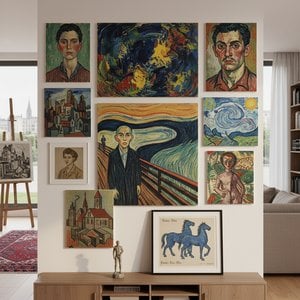
波瀾壯闊:表現主義十大名作,定義時代與靈魂
探索表现主义的灵魂!本文精选十幅名作,从莫迪里亚尼到夏加尔,揭秘大师背后的故事与艺术魅力。感受色彩的力量,重塑您的家居空间。ArtsDot.com 提供博物馆品质的艺术复制品和个性化装饰方案。立即在线探索全系列!

Egon Schiele: Expressionism, Anxiety & the Modern Condition – A Comprehensive Exploration
Explore the emotionally charged world of Egon Schiele (1890-1918). Discover his Expressionist masterpieces, psychological themes, and lasting impact on modern art. A comprehensive guide for collectors & enthusiasts.

埃贡·席勒:25幅震撼人心的杰作,艺术与灵魂的深度探索 | ArtsDot
探索埃贡·席勒25幅震撼人心的杰作!深入了解这位表现主义大师的绘画技巧、情感表达与生命哲思。ArtsDot.com提供高品质艺术复制品,为您的室内设计带来经典之美。立即在线探索完整系列!
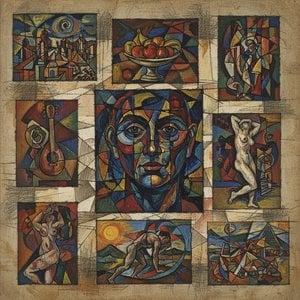
Cubist Expressionism's 10 Defining Masterpieces | Art for Your Home
Explore 10 defining Cubist Expressionism masterpieces by Picasso, Braque & more. Discover the stories behind these bold, geometric paintings and bring museum-quality art to your home with ArtsDot.com. Explore the full collection online.

Expressionist Painting: 10 Masterpieces That Defined a Movement | ArtsDot
Explore 10 Expressionist paintings that revolutionized art! Discover Munch, Kirchner & Kandinsky's iconic works. Find museum-quality reproductions and vibrant canvas prints to elevate your home decor on ArtsDot.com.


