


 效果预览
效果预览
 分享
分享 分享
分享
 详情
详情 指南
指南

 下载
下载
 相似作品
相似作品 X射线
X射线 幻灯片播放
幻灯片播放 统计数据
统计数据'William Gray'
 1897
1897 32.0 x 50.0 cm
 展开详情
展开详情
手工油画复制品
由我们的艺术家按需定制,为您提供您所选尺寸及画框的布面手工油画。 ( 切换至版画销售渠道 切换至数字图像销售渠道)




































从与原作比例一致的预设尺寸中进行选择。

您可以输入自定义尺寸,以适配特定的画框或空间。如果所选尺寸与原图比例不符,我们将通过裁剪作品或添加手绘元素来扩展画面。数字样稿将在制作开始前发送给您确认。
请注意,屏幕预览无法准确反映实际的裁剪或扩展效果,只有样稿才能真实呈现最终的构图。
虽然我们提供定制尺寸服务,但为了保留原作比例,建议您从预设列表中选择尺寸。
下单后,ArtsDot.com 团队将通过电子邮件联系客户获取具体要求,并提供效果预览图。


 玻璃选项仅适用于110厘米以下的尺寸。

'William Gray'
复制材质
复制品尺寸
-


最终总价
$ 263
相似艺术品


艺术家简介
Edward Emerson Simmons (1852–1931): Painter of Light and Justice
Edward Emerson Simmons (1852-1931) stands as a pivotal figure in American Impressionism, remembered primarily for his monumental mural commissions that captured the spirit of civic engagement and celebrated the beauty of the natural world. Born in Concord, Massachusetts—the son of a Unitarian minister—Simmons’ artistic journey began with formal training at Harvard College in 1874, where he honed his skills under the tutelage of Lefebvre and Boulanger in Paris, cementing his connection to the burgeoning Impressionist movement. His gold medal awarded during this period underscored his talent and ambition.- Early Influences: Simmons’ formative years were steeped in Unitarian intellectual tradition, fostering a humanist perspective that would permeate his artistic endeavors.
- Parisian Training: Studying alongside Boulanger and Lefebvre exposed him to the revolutionary techniques of Impressionism—a deliberate rejection of academic conventions favoring fleeting impressions of light and color.
- Notable Achievements: His success at Harvard and Paris established a foundation for a prolific career marked by significant artistic accomplishments.
The Mural Commissions: Justice, The Fates, and The Rights of Man
Simmons’ most enduring legacy resides in his groundbreaking murals—commissioned by the Municipal Art Society in 1994—which adorn the interior walls of New York City's Criminal Courthouse. These ambitious projects tackled weighty themes of morality and civic responsibility, reflecting Simmons’ deep engagement with social issues. The depiction of Justice, The Fates, and The Rights of Man served as a powerful visual commentary on legal proceedings and human dignity, establishing him as one of the foremost muralists of his time.- Courthouse Significance: The courthouse itself—a symbol of American jurisprudence—provided an unparalleled canvas for Simmons’ artistic vision.
- Symbolic Representation: Each mural conveyed profound symbolic meaning, exploring concepts of fairness, destiny, and ethical obligation.
- Technique & Style: Simmons employed a masterful blend of Impressionistic brushstrokes and meticulous detail to convey both grandeur and emotional resonance.
Expanding Horizons: Waldorf Astoria and The Library of Congress
Beyond the courthouse, Simmons’ artistic influence extended into grand public spaces. He undertook the decoration of the Waldorf Astoria hotel in New York City—a testament to his ability to transform opulent interiors with luminous color palettes and evocative landscapes—and contributed significantly to the design of the Library of Congress's Great Hall in Washington D.C., where he skillfully blended architectural grandeur with artistic subtlety.- Hotel Interior Design: Simmons’ work at Waldorf Astoria exemplifies his commitment to elevating spaces through visual artistry, creating immersive experiences for visitors.
- Library Hall Aesthetics: His involvement in the Library of Congress project showcased his understanding of how art could enrich cultural institutions and inspire contemplation.
The Minnesota Capitol Rotunda: A Celebration of Landscape
Simmons’ artistic prowess culminated in the creation of “Civilization of the Northwest,” a monumental mural series adorning the rotunda of the Minnesota State Capitol—a breathtaking panorama capturing the majesty of the American Midwest. This ambitious undertaking solidified Simmons' reputation as a landscape painter and demonstrated his ability to convey profound emotion through masterful composition and color harmony.- Minnesota Landscape Tradition: The mural reflects Minnesota’s distinctive natural heritage, embodying the spirit of exploration and artistic innovation.
- Composition & Color Palette: Simmons skillfully utilized expansive vistas and vibrant hues to evoke a sense of wonder and inspire admiration for the beauty of the region.
Legacy and Influence
Edward Emerson Simmons’ contribution to American art extends beyond his individual masterpieces. He was a founding member of “The Ten,” a group of artists who championed a distinctly American aesthetic—characterized by a fusion of architectural grandeur, painting, sculpture, and interior design—marking him as a key figure in the American Renaissance following the Civil War. His autobiography provides invaluable insight into his artistic philosophy and personal journey, ensuring that Simmons’ legacy continues to inspire generations of artists.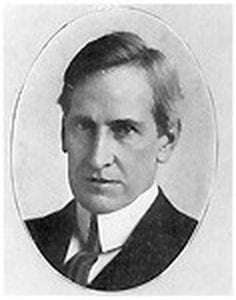
edward emerson simmons
1852 - 1931
艺术家简介
- Artistic Movement Or Style: Impressionism
- Artists Or Movements Influenced By This Artist: ['American Renaissance']
- Artists Who Influenced This Artist:
- Gustave Boulanger
- Jules Joseph Lefebvre
- Date Of Death: November 17, 1931
- Full Name: Edward Emerson Simmons
- Nationality: American
- Notable Artworks:
- Mother and Child
- The Lake Shore
- Alla Nazimova
- Place Of Birth: Concord, Massachusetts