

 购买版画
购买版画 分享
分享 分享
分享
 Details

 下载
下载
 相似作品
相似作品 X-Ray
X-Ray 幻灯片播放
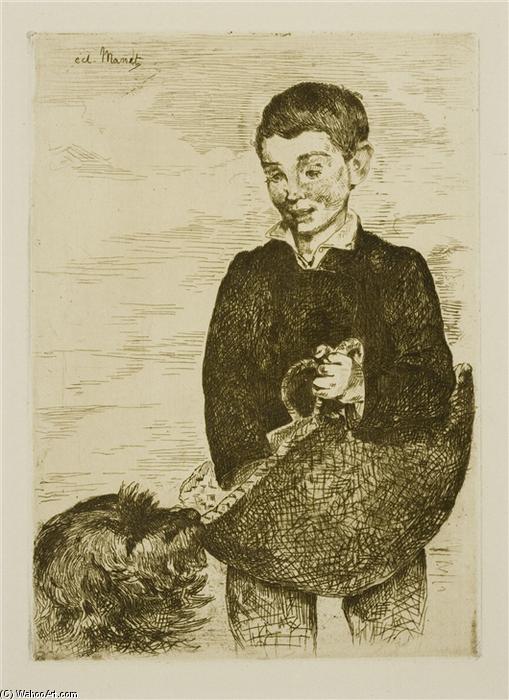
幻灯片播放Le gamin





P118B $10

P118H $10

P118W $10

P438Z $10

P508JH $12

P508YH $12

P805H $10

P805Z $10

P919BZ $10

P919G $10

P919XJ $10

P959ZH $10

P968JZ $12

W106C $8

W218G $10

W218JH $8

W218Y $10

W307PJ $10

W316G $10

W316PJ $8

W316Y $10

W398PJ $8

W4111J $10

W500HY $15

W500JH $15

W692G $12

W849H $8

W940BG $15

W953PJ $8




 了解更多
了解更多从与原作比例一致的预设尺寸中进行选择。

您可以输入自定义尺寸,以适配特定的画框或空间。如果所选尺寸与原图比例不符,我们将通过裁剪作品或添加手绘元素来扩展画面。数字样稿将在制作开始前发送给您确认。
请注意,屏幕预览无法准确反映实际的裁剪或扩展效果,只有样稿才能真实呈现最终的构图。
虽然我们提供定制尺寸服务,但为了保留原作比例,建议您从预设列表中选择尺寸。
下单后,ArtsDot.com 团队将通过电子邮件联系客户获取具体要求,并提供效果预览图。


 玻璃选项仅适用于110厘米以下的尺寸。

Le gamin
复制材质
复制品尺寸
-


最终总价
-
作品详情
Le Gamin au Chien: A Snapshot of Parisian Modernity
Édouard Manet’s “Le Gamin au Chien” (1862) isn't merely a charming depiction of a boy and his dog; it represents a crucial moment in the burgeoning Impressionist movement, capturing a fleeting glimpse into the everyday life of Paris during its transformative era. Painted against a muted palette dominated by earthy browns and greys—a deliberate departure from academic conventions—the artwork speaks volumes about Manet’s artistic ambition to portray reality as he perceived it, prioritizing atmosphere and light over meticulous detail.
Style and Technique: Impressionistic Innovation
Manet's approach aligns perfectly with the tenets of Impressionism championed by artists like Claude Monet and Pierre-Auguste Renoir. Unlike traditional painters who painstakingly blended colors on canvas to achieve idealized representations, Manet employed loose brushstrokes—almost visible as individual marks—to convey the immediacy of a scene. The artist skillfully utilized broken color, layering shades of ochre and umber to create depth and luminosity, mirroring how sunlight filters through the Parisian air. This technique wasn’t simply about accuracy; it was about capturing the *feeling* of the moment – the warmth of the sun, the stillness of the street.
Historical Context: The Rise of Urban Life
“Le Gamin au Chien” emerged during a period of rapid urbanization in Paris. The city was experiencing unprecedented growth fueled by industrialization and immigration, fundamentally altering social dynamics and daily routines. Manet’s subject matter—a young boy playing with his dog in a nondescript Parisian courtyard—reflects this shift towards realism. It's a scene devoid of grand narratives or heroic figures; instead, it focuses on the quiet dignity of ordinary life – a deliberate challenge to the romanticized depictions favored by earlier generations.
Symbolism and Composition: A Subtle Narrative
Beyond its stylistic innovations, “Le Gamin au Chien” possesses subtle symbolic resonance. The boy’s gaze directly confronts the viewer, establishing an unsettling intimacy that disrupts the conventional hierarchy of subject matter within painting. He embodies a youthful innocence juxtaposed against the backdrop of urban decay—a poignant commentary on the anxieties and uncertainties of modernity. Furthermore, the dog serves as a grounding element, anchoring the composition while simultaneously symbolizing companionship and vulnerability.
Emotional Impact: Capturing Transient Beauty
"Le Gamin au Chien" transcends mere visual representation; it evokes a profound emotional response. The muted colors and loose brushstrokes convey a sense of melancholy and contemplation—a feeling that lingers long after viewing the artwork. Manet’s masterful manipulation of light and shadow captures the ephemeral beauty of everyday life, reminding us to appreciate the simple pleasures and fleeting moments that constitute our experience. It's a testament to Manet’s ability to transform ordinary subjects into enduring symbols of artistic innovation and human emotion.
相似艺术品


艺术家简介
巴黎叛逆者:埃杜瓦·马奈的一生与艺术
埃杜瓦·马奈,1832 年出生于巴黎一个舒适的资产阶级家庭,似乎注定无法成为一位革命性的艺术家。他的父亲是一位受人尊敬的法官,希望儿子能在法律或海军领域获得稳定的未来——这些职业符合他们的社会地位。然而,即使在他还是个小男孩的时候,马奈的心就属于艺术。十一岁时,他开始接受正式的绘画课程,尽管后来短暂地师从学院派画家托马斯·库图尔,但他很快发现库图尔僵化的方法令人窒息。这种早期的抵制预示着他将一生都在挑战艺术惯例。马奈对简单复制过去不感兴趣;他致力于捕捉现代巴黎生活的活力——有时甚至是它令人不安的现实。他经常光顾卢浮宫,并非仅仅为了临摹大师的作品,而是为了剖析他们的技巧,从卡拉瓦乔和委拉斯凯兹等艺术家那里学习如何运用明暗来塑造形式并唤起情感。然而,真正点燃马奈创造性道路的是艺术潮流的转变,特别是古斯塔夫·库尔贝倡导的现实主义的兴起。库尔贝坚持描绘没有理想化的日常生活与马奈产生了深刻的共鸣,使他摆脱了历史或神话题材的束缚。打破传统:丑闻与创新
1860 年代是巴黎艺术激荡不安的时期,马奈发现自己正处于其中心。日本浮世绘的传入对他的美学情趣产生了深刻的影响。他被它们扁平透视、大胆构图和引人注目的色彩所吸引,这些元素将成为他自身风格的标志。这种影响与他对学院派精致日益增长的拒绝相结合,导致了震惊并丑化巴黎艺术界的作品。《草地上的午宴》(Le Déjeuner sur l'herbe)于 1863 年在被拒展览(Salon des Refusés)上展出——这是一个为官方沙龙拒绝的作品而设立的展览——成为了争议的焦点。这幅画描绘了一个裸女与两个穿着得体的男人一起野餐,并非仅仅在于裸露本身;而是关于这种裸露是如何呈现的。马奈的人物缺乏传统裸体作品中理想化的形式和神话背景。它们无疑是现代的,以一种令人不安的直接性让观众直面现实。《草地上的午宴》周围的丑闻随着他 1865 年的杰作《奥林匹亚》(Olympia)而加剧。这幅画是对提香《乌尔比诺的维纳斯》的刻意重塑,呈现了一位当代妓女大胆地凝视着观众。毫不妥协的现实主义和挑衅的主题受到了广泛谴责。评论家指责马奈粗俗和艺术无能,但愤怒之下却认识到他正在从根本上改变绘画语言。通往印象派的桥梁:光、笔触与现代生活
虽然马奈从未完全接受“印象派”的称号,但他对该运动的影响是不可否认的。他们分享了对学院派惯例的拒绝以及捕捉光线和氛围转瞬即逝效果的承诺。他与莫奈、雷诺阿、德加等艺术家一起在印象派独立展览中展出,巩固了他作为前卫阵地的关键人物的地位。马奈的技术逐渐转向更松散的笔触,优先考虑形式的印象而非精确的细节。他对色彩进行了实验,经常使用鲜明的对比来创造戏剧性的效果。除了有争议的裸体画外,马奈还探索了各种各样的主题:肖像——包括对他的妻子苏珊娜和艺术家埃米尔·佐拉的引人注目的描绘;巴黎夜生活的场景,如《浮罗莱斯舞厅》(A Bar at the Folies-Bergère),巧妙地捕捉到了现代城市生活中的疏离感和闹剧;以及亲密的家庭场景。他并非仅仅记录这些主题;他正在质疑它们,挑战社会规范并质疑对美的传统观念。遗产与持久的影响
埃杜瓦·马奈于 1883 年因白喉的不幸去世,中断了一段已经彻底改变艺术史进程的职业生涯。尽管他的名誉在他去世后大大提高,但他对年轻艺术家产生的影响是立即显现的,他们将他视为一位解放者。他打破了障碍,挑战了对主题、技巧和艺术目的的传统观念。《奥林匹亚》中妓女直视观众的目光,以及《草地上的午宴》中裸体女性与穿着男士一同野餐的场景,都颠覆了当时人们对艺术的认知。他大胆的笔触和对现代生活的描绘,为后来的印象派画家开辟了新的道路。- 他对捕捉现代生活的重要性为印象派和后印象派铺平了道路。
- 他对笔触和色彩的创新性运用影响了许多代画家的创作。
- 他愿意面对社会上令人不安的事实迫使观众质疑他们自己的假设。

马奈
1832 - 1883 , 法国
艺术家简介
- Artistic Movement Or Style: 现实主义,印象派
- Artists Or Movements Influenced By This Artist:
- 克劳德·莫奈
- 奥古斯特·雷诺阿
- 爱德加·德加
- 印象派
- Artists Who Influenced This Artist:
- 卡拉瓦乔
- 委拉斯开兹
- 库尔贝
- Date Of Birth: 1832年1月23日
- Date Of Death: 1883年
- Full Name: 爱德华·马奈
- Nationality: 法国人
- Notable Artworks:
- Le Déjeuner sur l'herbe
- Olympia
- A Bar at the Folies-Bergère
- Place Of Birth: 巴黎, 法国
相关文章

印象派巨著:十幅定义艺术流派的杰作,点亮您的臻美家居
探索印象派艺术的巅峰!本文精选十幅定义这一伟大流派的杰作,从莫奈的光影到雷诺阿的柔情。了解艺术家故事、绘画技巧与作品背后的灵感。ArtsDot.com为您提供博物馆品质的画作复制品和家居装饰方案,点亮您的生活空间。尽在ArtsDot.com!


Édouard Manet: Pioneering Modernism & Challenging Artistic Conventions
Explore the life & art of Édouard Manet, a pivotal figure bridging Realism and Impressionism. Discover his revolutionary techniques, controversial masterpieces like 'Olympia,' and lasting impact on modern art history.

Gustave Caillebotte: Bridging Realism & Modernity in Parisian Life
Explore the life & art of Gustave Caillebotte, a pivotal figure bridging Realism & Impressionism. Discover his iconic Parisian scenes and lasting legacy with ArtsDot.

爱德华·马奈:25幅大师杰作,重塑现代艺术与家居美学
探索爱德华·马奈25幅经典画作,领略印象派大师的艺术魅力!从《草地上的午餐》到《奥林匹亚》,深入了解每件作品背后的故事与技法。ArtsDot.com提供博物馆级高质量油画复制品,为您的家居增添艺术气息。立即探索完整系列!

Camille Pissarro: Pioneer of Impressionism & Father of Modern Art – A Legacy Explored
Explore the life & art of Camille Pissarro, a pivotal figure in Impressionism and Post-Impressionism. Discover his techniques, influences, and lasting legacy on modern painting. Learn more at ArtsDot.



