


 分享
分享 分享
分享
 详情
详情 指南
指南

 下载
下载
 相似作品
相似作品 幻灯片播放
幻灯片播放 统计数据
统计数据Bearded Prophet (detail)


 展开详情
展开详情
艺术微喷/版画
博物馆级艺术微喷或帆布版画,制作高效,并提供多种饰面选择。 ( 购买手绘画作 切换至数字图像销售渠道)




































从与原作比例一致的预设尺寸中进行选择。

您可以输入自定义尺寸,以适配特定的画框或空间。如果您选择的尺寸与原图比例不符,我们将对作品进行裁剪,或通过镜像填充/纯色填充边缘的方式来扩展图像。在开始制作之前,我们会向您发送一份数字效果图供您确认。
请注意,屏幕上的预览并不能反映实际的裁剪或扩展效果。只有效果图才能准确展示最终的构图。
虽然我们提供定制尺寸,但为了保持原图比例,我们建议您从预设列表中选择尺寸。


 玻璃选项仅适用于110厘米以下的尺寸。

Bearded Prophet (detail)
艺术微喷/版画
复制品尺寸
-


最终总价
$ 62
The Silent Prophet: Donatello’s Bearded Messenger
Donatello's "Bearded Prophet" – often referred to as “Pensieroso,” meaning “the Thinker” – stands not merely as a sculpture, but as a profound meditation on humanity’s relationship with the divine and the weight of existence. Crafted in gleaming white marble between 1418 and 1420 during the nascent years of the Florentine Renaissance, this remarkable piece transcends its material form to embody an era's burgeoning spirit of individualism and intellectual inquiry. It resides today within the Museo dell’Opera del Duomo in Florence, a testament to Donatello’s enduring legacy as one of the movement’s most revolutionary figures.
The sculpture depicts a figure caught in a moment of intense introspection – a man seemingly lost in contemplation, his gaze fixed on some distant horizon. He is not engaged in action or proclaiming a message; instead, he embodies a quiet dignity and profound melancholy. Donatello masterfully captures this stillness through the subtle curve of the spine, the downturned mouth hinting at sorrow, and the closed eyes that suggest an absorption within the depths of his own thoughts. This wasn’t simply a portrait of a man; it was a representation of the human condition itself – grappling with questions of faith, mortality, and purpose.
A Renaissance Revival: Style and Technique
Donatello's "Bearded Prophet" represents a pivotal shift in sculptural style. Moving away from the stylized elegance of the International Gothic tradition that dominated Florence at the time, Donatello embraced the principles of classical antiquity – particularly those of Greek sculpture. He sought to achieve a greater sense of realism and naturalism, evident in the meticulously rendered details of the figure’s face, hands, and clothing. The drapery is not merely decorative; it flows realistically around the body, revealing subtle musculature and creating a dynamic interplay of light and shadow.
The sculpture's technique is equally noteworthy. Donatello employed a “basso rilievo,” or low relief, which means that the figures are sculpted slightly away from the background plane. This creates an illusion of depth and volume, drawing the viewer into the scene. The use of white marble itself was deliberate; its purity and luminosity enhance the figure’s solemnity and spiritual quality. Donatello's mastery of carving is evident in the incredibly fine detail of the beard – each strand meticulously sculpted to convey texture and weight.
Symbolism and Context: A Prophet for His Time
The identity of the prophet depicted remains deliberately ambiguous, adding to the sculpture’s universal appeal. He could represent any figure from the Bible, or indeed, any individual grappling with profound questions of faith and morality. However, many scholars believe he embodies a contemporary Florentine ideal – a man of intellect and virtue striving for spiritual enlightenment. The scroll held in his hand is a potent symbol of wisdom and divine revelation.
Created during a period of intense political and social upheaval in Florence, the sculpture reflects the city’s growing interest in humanism and its rediscovery of classical learning. The Medici family, powerful patrons of the arts, commissioned the work, recognizing its potential to embody the values of civic virtue and intellectual pursuit. The placement of the sculpture within the Duomo's campanile – a prominent landmark overlooking Florence – further emphasized its significance as a symbol of the city’s aspirations.
Emotional Resonance: A Timeless Reflection
Despite being over six centuries old, Donatello’s “Bearded Prophet” continues to resonate deeply with viewers today. Its quiet intensity and profound sense of melancholy evoke a powerful emotional response – a recognition of our shared humanity and the enduring mysteries of existence. The sculpture invites us to contemplate our own place in the world, to grapple with our own questions of faith and purpose, and to find solace in the beauty and dignity of the human spirit.
Reproductions of this iconic work offer an exceptional opportunity to bring its timeless message into any setting, serving as a focal point for contemplation and conversation. Its subtle power and enduring appeal make it a treasured addition to both private collections and public spaces alike.


艺术家简介
早年生活与艺术生涯
多纳托·迪·尼科洛·迪·贝托·巴尔迪,即世人熟知的多纳泰罗,于1386年左右出生于意大利佛罗伦萨。他潜心钻研古典雕塑,这段深厚的学术积淀深刻影响了他早期文艺复兴风格的形成。这种全新的艺术与文化视角,最终成为了佛罗伦萨文艺复兴时期最鲜明的时代印记。传世杰作与艺术革新
多纳泰罗最负盛名的作品《大卫》是自古希腊罗马以来,第一尊可以独立存在的男性裸体雕塑。这部由美第奇家族委托创作的杰作,不仅展现了他无与伦比的创新风格,更彰显了其精湛的艺术技艺。此外,他的其他卓越成就还包括:- 《以撒的祭献》,为佛罗伦萨圣母百花大教堂钟楼创作,其作品以细腻且富有张力的肖像细节著称。
- 创作于1425年的《十字架》,用于圣十字大殿,生动地捕捉了基督在极度痛苦瞬间的情感表达。
艺术风格与历史遗产
多纳泰罗的艺术风格可以划分为几个宏大的阶段,其演变始于表现力的深度挖掘与古典纪念性的重塑。尽管他的作品在创作初期并未立即获得整个社会的广泛认可,但随着时间的推移,他最终成为了最受追捧的大师,其影响力跨越了地域,波及了其他意大利宫廷乃至整个欧洲的艺术家。核心艺术运动:个人生活与创作态度
多纳泰罗以其亲切随和、深受爱戴的性格而闻名,然而在职业生涯的商业经营方面却显得有些笨拙。他往往倾向于接受超出自己处理能力的委托,这导致他的许多作品经常面临延期交付,甚至不得不将部分工作交给其他雕塑家共同完成。艺术巨匠与杰作:博物馆与艺术收藏:
- 埃姆波利圣教会议博物馆(意大利,埃姆波利):一座文艺复兴时期的艺术瑰宝,馆藏有弗朗切斯科·博蒂奇尼与拉斐尔·博蒂奇尼的作品。

多纳泰罗
1386 - 1466 , 意大利
艺术家简介
- Artistic Movement Or Style: 早期文艺复兴
- Artists Or Movements Influenced By This Artist:
- 意大利文艺复兴
- 早期文艺复兴
- 佛罗伦萨文艺复兴
- Artists Who Influenced This Artist: ['古典雕塑']
- Date Of Birth: 约 1386年
- Date Of Death: 1466年
- Full Name: 多纳泰罗·迪·尼科洛
- Nationality: 意大利
- Notable Artworks:
- 大卫
- 图卢兹的圣路易
- 以撒的牺牲
- 十字架
- Place Of Birth: 意大利,佛罗伦萨
相关文章

The Enduring Form: Sculpture Across History, Technique & Emotional Resonance
Explore the rich history of sculpture with ArtsDot. Discover key techniques, influential artists & investment potential for discerning collectors. Expert insights into valuing and collecting timeless masterpieces.

Bronze Age to Modern Masters: 10 Sculptures That Redefined Art | ArtsDot
Journey through art history with 10 legendary bronze sculptures – from Michelangelo's David to Rodin’s Thinker. Explore the stories, techniques & timeless beauty of these masterpieces. Find museum-quality reproductions & elevate your home decor on ArtsDot.com.

The Enduring Form: Exploring Themes & Techniques in Sculpture Across Historical Periods
Explore the rich history of sculpture from ancient masterpieces to contemporary innovations. Discover key techniques, influential artists & investment potential for discerning art collectors.

Bronze Sculptures That Defined Art History | ArtsDot
Journey through art history with our Top 10 bronze sculptures! Explore masterpieces by Rodin, Michelangelo & more. Discover stories behind iconic statues and find museum-quality reproductions for your home decor at ArtsDot.com.
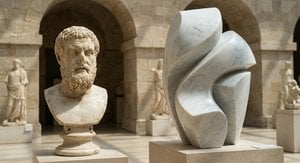
The Enduring Allure of Marble in Art History: From Classical Sculpture to Modern Abstraction
Explore the captivating history of marble sculpture from ancient Greece to modern art. Discover renowned artists like Canova & Michelangelo, carving techniques, and investment insights at ArtsDot.