

 分享
分享 分享
分享
 详情
详情 指南
指南

 下载作品
下载作品
 相似作品
相似作品 幻灯片播放
幻灯片播放 问答
问答 统计数据
统计数据Karma

- 701.0 x 68.0 cm


 展开全文
展开全文
艺术微喷/版画
博物馆级艺术微喷或帆布版画,制作高效,并提供多种饰面选择。 ( 订购纯手工绘制画作 切换至数字图像销售渠道)




































您可以从与原作比例一致的预设尺寸中进行选择。

请输入您所需的宽度和高度,以适配您的画框或墙面。由于印刷品只能进行裁剪,无法超出原图尺寸,因此若比例不一致,画面的一部分将会被裁切。在正式印刷之前,我们会为您发送一份数字效果图供您确认。本页面显示的图片并非最终裁剪后的效果——只有效果图才能展示真实的裁剪情况。


 玻璃选项仅适用于110厘米以下的尺寸。

Karma
艺术微喷/版画
复刻品尺寸
-


最终结算价
¥ 423
The Weight of Existence: An Encounter with Do Ho Suh’s Karma
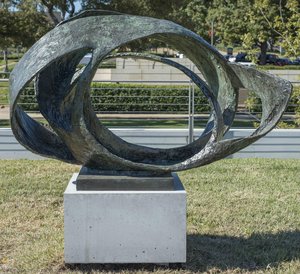
In the vast landscape of contemporary sculpture, few works command attention with such a profound sense of gravity and existential reflection as Do Ho Suh’s Karma. Created in 2011, this monumental piece serves as a breathtaking intersection between the physical and the metaphysical. At first glance, the viewer is met with an imposing metallic presence—a figure perched atop a soaring spire, seemingly suspended between the earth and the heavens. The sculpture, measuring an extraordinary 701 x 68 cm, possesses a structural complexity that invites the eye to wander through its intricate, interlocking metal components. It is not merely a shape in space, but a narrative of tension, balance, and the inescapable threads that connect individual lives to the larger cosmic order.
The technique employed in Karma reflects the artist's mastery over materiality. By utilizing metal to construct a figure that appears both fragile and indestructible, Suh creates a visual paradox. The way light interacts with the metallic surfaces suggests a shimmering, almost ethereal quality, despite the heavy medium. This interplay of light and shadow breathes life into the sculpture, making the static metal appear as though it is caught in a moment of perpetual motion or deep contemplation. For collectors and interior designers, this piece offers a sophisticated focal point; its structural elegance allows it to anchor a room with a sense of quiet strength and intellectual depth, making it an ideal centerpiece for galleries or high-end residential spaces seeking a touch of avant-garde prestige.
Symbolism and the Fabric of Memory
To understand Karma, one must delve into the philosophical heart of Do Ho Suh’s practice. The title itself evokes the ancient concept of cause and effect—the idea that every action leaves an indelible mark on the universe and on ourselves. The figure atop the pole acts as a totem for the human condition, representing the solitary yet interconnected nature of our existence. As a Korean artist who has navigated the complexities of displacement and cultural hybridity between Seoul and the West, Suh infusing his work with themes of memory and identity. The sculpture becomes a metaphor for the way we carry our histories, our cultures, and our past actions with us, much like the weight that defines the figure's posture.
There is an emotional resonance in Karma that transcends its metallic form. It evokes a sense of awe, yet it also prompts a deeply personal introspection. The viewer is invited to consider their own place within the grand architecture of time and consequence. For those looking to bring a piece of this profound dialogue into their own environment through a high-quality reproduction, Karma offers more than just aesthetic beauty; it provides a window into the soul of contemporary Korean art. It is a work that does not merely decorate a space but transforms it, turning a room into a sanctuary for thought and a testament to the enduring power of artistic vision.
常见问题与解答
如何预览Do Ho Suh 的《Karma》的复制品?
通过“Karma”的效果预览页面,您可以在下单前预览艺术品。
Do Ho Suh 的《Karma》展现了怎样的色彩和谐感?
Do Ho Suh 的《Karma》 的色彩呈现出一种 Strong Color Unity 的和谐感。这种和谐感描述了色彩之间的相互关系。
在Do Ho Suh的创作生涯中,"Karma"处于怎样的地位?
"Karma" 与 Do Ho Suh 的其他作品一样,都体现了 Contemporary Art 风格以及其一贯的主题:memory and displacement, identity and cultural hybridity, architectural space exploration, intricate metal sculpture, immersive installation art。
相似作品




艺术家简介
The Architecture of Memory: The Ethereal Worlds of Do Ho Suh
Do Ho Suh stands as a pivotal figure in contemporary Korean art, recognized globally for a sculptural practice that breathes life into the intangible. Born in 1962 in Seoul, South Korea, his artistic journey is deeply rooted in the tension between presence and absence, between the physical structures we inhabit and the psychological spaces we carry within us. His work transcends mere materiality, acting as an ambitious exploration of memory, displacement, identity, and the complex interplay between culture and environment. Through his hands, the heavy permanence of architecture is transformed into something weightless, translucent, and hauntingly beautiful.
Suh’s formal education provided the technical foundation for his later conceptual breakthroughs. After honing his skills at Seoul National University, where he earned degrees in painting and sculpture, it was his subsequent studies at the Rhode Island School of Denmark (RISD) that truly ignited his experimental spirit. This period pushed him beyond traditional sculptural conventions, fostering a fascination with installation art and its capacity to engage viewers on visceral, immersive levels. His academic trajectory culminated at Yale University, where he earned a Master of Fine Arts degree in sculpture in 1997, instilling in him a profound understanding of technical mastery paired with rigorous conceptual depth.
Translucent Thresholds and the Fabric of Identity
The signature technique that has brought Do Ho Suh international acclaim is his meticulous reconstruction of buildings and domestic interiors using translucent fabric. These large-scale installations—often recreating specific rooms or entire houses—serve as more than just aesthetic marvels; they are deeply personal reflections on migration and cultural identity. By enveloping architectural spaces in light, permeable textiles, Suh captures the essence of "home" as a portable concept. This method allows him to confront the anxieties surrounding loss and transformation while celebrating the resilience of human experience.
His work often functions as an act of memorialization. For an artist who has navigated the movement between Seoul, Providence, and New Haven, the fabric structures represent a way to carry his past with him. These ethereal pavilions allow viewers to walk through walls and inhabit spaces that are simultaneously there and not there, mirroring the way memories flicker in the mind. The following themes are central to his sculptural language:
- Displacement and Migration: The feeling of being caught between two worlds, or the psychological weight of leaving one's homeland.
- The Concept of Home: Reimagining domesticity not as a fixed geographic location, but as a portable, spiritual vessel.
- Identity and Hybridity: Exploring how cultural layers overlap and merge when individuals move across borders.
- Scale and Perception: Using the contrast between monumental architectural forms and delicate, lightweight materials to challenge the viewer's sense of space.
A Legacy of Immersive Experience
The historical significance of Do Ho Suh lies in his ability to bridge the gap between the physical and the metaphysical. His installations, such as Hub, which features mesmerizing Seoul-inspired pavilions, or Bridging Home, London, which reimagines a Korean house on a busy London street, demonstrate his mastery of site-specific art. He does not merely place an object in a room; he redefines the room itself. Even when working with more traditional materials, such as the intricate metalwork found in his piece Karma, the themes of interconnectedness and the profound weight of existence remain ever-present.
Through his global exhibitions, Suh has influenced a generation of artists interested in the intersection of architecture and psychology. His work remains a vital touchstone in contemporary art, reminding us that while buildings may be made of stone and steel, our true sense of place is woven from the delicate, translucent threads of memory and emotion. He continues to live and work, leaving an indelible mark on the landscape of modern sculpture by proving that the most profound structures are often those we cannot touch, but only feel.

Do Ho Suh
1962 - , South Korea
艺术家简介
- Artistic Movement Or Style: Fabric sculpture & Installation art
- Artists Who Influenced This Artist:
- Minimalism
- Korean Painting
- Date Of Birth: 1962
- Full Name: Do Ho Suh
- Nationality: South Korean
- Notable Artworks:
- People in Iwami
- Hub
- Dokdo 2
- Place Of Birth: Seoul, South Korea
相关文章

Bronze Age to Modern Masters: 10 Sculptures That Redefined Art | ArtsDot
Journey through art history with 10 legendary bronze sculptures – from Michelangelo's David to Rodin’s Thinker. Explore the stories, techniques & timeless beauty of these masterpieces. Find museum-quality reproductions & elevate your home decor on ArtsDot.com.

Bronze Sculptures That Defined Art History | ArtsDot
Journey through art history with our Top 10 bronze sculptures! Explore masterpieces by Rodin, Michelangelo & more. Discover stories behind iconic statues and find museum-quality reproductions for your home decor at ArtsDot.com.

The Enduring Form: Exploring Themes & Techniques in Sculpture Across Historical Periods
Explore the rich history of sculpture from ancient masterpieces to contemporary innovations. Discover key techniques, influential artists & investment potential for discerning art collectors.

The Enduring Form: Sculpture Across History, Technique & Emotional Resonance
Explore the rich history of sculpture with ArtsDot. Discover key techniques, influential artists & investment potential for discerning collectors. Expert insights into valuing and collecting timeless masterpieces.

青铜雕塑艺术史:跨越千年的力量与美感,探究古代铸造工艺与现代创作的永恒魅力
探索青铜雕塑的千年魅力,本文由资深艺术史学者撰写,深入解析古代铸造技术与现代收藏价值。为高端藏家提供专业鉴定、保养指南和投资建议,让您在信任与品质中发现珍贵艺术品。