

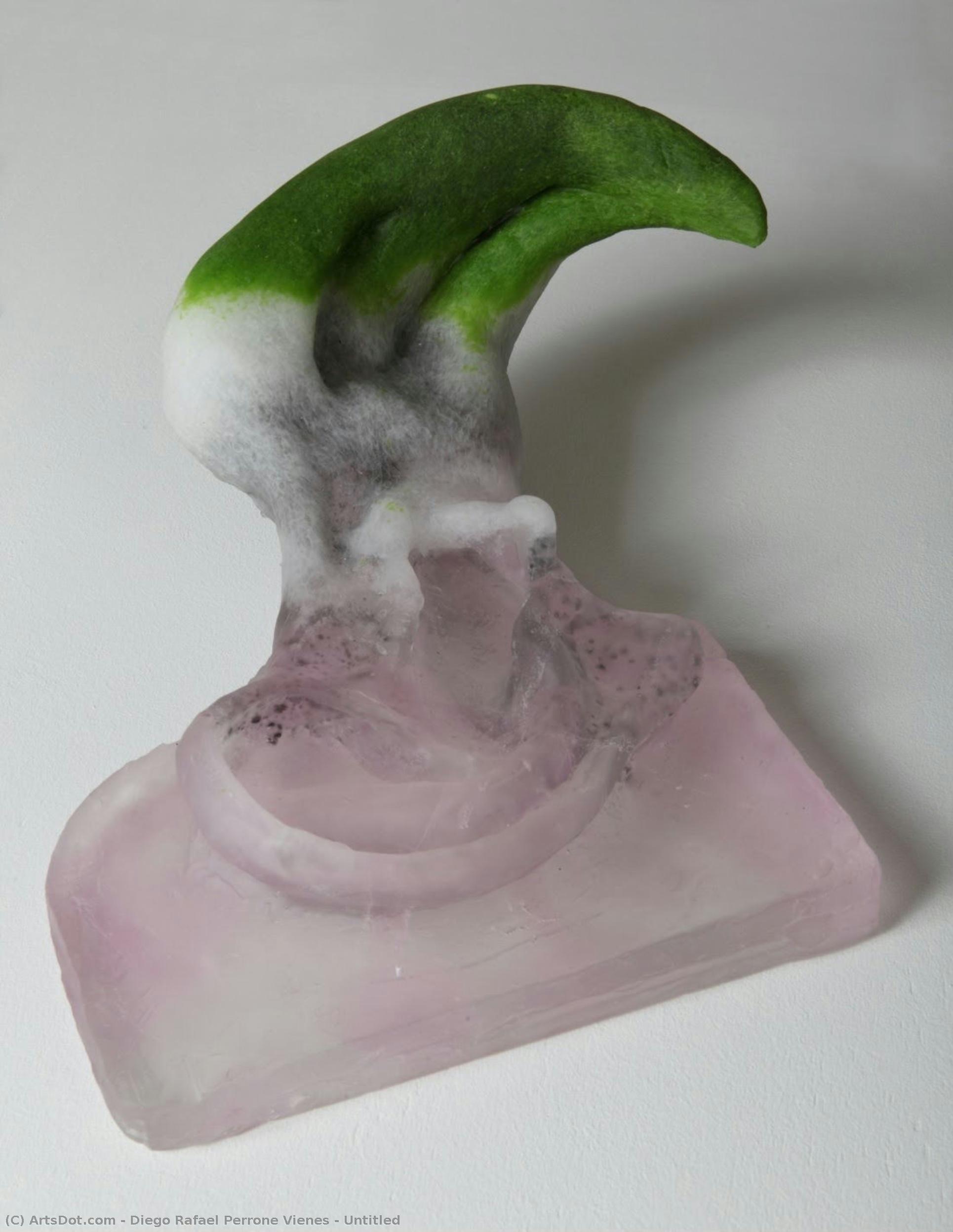
 效果预览
效果预览
 购买手绘画作
 分享
分享 分享
分享
 详情
详情

 下载
下载
 相似作品
相似作品 X射线
X射线 幻灯片播放
幻灯片播放Untitled

 展开详情
展开详情




































从与原作比例一致的预设尺寸中进行选择。

您可以输入自定义尺寸,以适配特定的画框或空间。如果您选择的尺寸与原图比例不符,我们将对作品进行裁剪,或通过镜像填充/纯色填充边缘的方式来扩展图像。在开始制作之前,我们会向您发送一份数字效果图供您确认。
请注意,屏幕上的预览并不能反映实际的裁剪或扩展效果。只有效果图才能准确展示最终的构图。
虽然我们提供定制尺寸,但为了保持原图比例,我们建议您从预设列表中选择尺寸。


 玻璃选项仅适用于110厘米以下的尺寸。

Untitled
艺术微喷/版画
复制品尺寸
-


最终总价
$ 62


艺术家简介
Diego Rafael Perrone Vienes: A Sculptor of Shadows and the Rural Psyche
Born in Montevideo, Uruguay, in 1979, Diego Rafael Perrone Vienes is an artist whose work has steadily captivated audiences with its unsettling beauty and profound exploration of the human condition. Initially recognized as a celebrated footballer – a standout striker for Danubio F.C. where he earned the moniker “El Taco” for his distinctive goal-scoring technique – Perrone’s transition to visual art reveals a parallel intensity, a drive to dissect and represent the complexities of existence through sculpture, video, photography, and installation. His artistic journey is marked by a fascination with the overlooked corners of reality, particularly the landscapes and lives of rural Uruguay, where he finds both stark beauty and unsettling truths.
Perrone’s early career as a footballer provided a crucial foundation for his later work. The discipline, physicality, and competitive spirit honed on the field undoubtedly informed his approach to sculpting – a meticulous process demanding precision and an understanding of material properties. However, it was a deliberate shift away from the immediate gratification of athletic success that truly ignited his artistic flame. He began experimenting with unconventional materials, often sourced directly from the landscapes he inhabited: discarded machinery, animal bones, fragments of agricultural tools, and even the detritus of rural life. These elements are not merely incorporated; they become integral to the narrative, imbued with symbolic weight.
The Landscape as a Metaphor
Central to Perrone’s artistic vision is his engagement with the Uruguayan countryside – a region he describes as possessing a “particular mysterious allure.” He doesn't simply depict these landscapes; instead, he uses them as a metaphorical canvas for exploring themes of isolation, violence, and the precariousness of human existence. His work frequently portrays unsettling scenes: dilapidated villas nestled amongst foggy hills, solitary figures confronting vast emptiness, and the haunting presence of animal remains. These images are not intended to be comforting or picturesque; rather, they evoke a sense of unease and invite viewers to confront uncomfortable truths about themselves and their relationship with the natural world.
Influences on Perrone’s work are diverse and often unexpected. He cites the Italian avant-garde movements of Arte Povera, futurism, and the Transavantgarde as key touchstones, drawing inspiration from artists who challenged traditional notions of art and embraced unconventional materials and processes. The legacy of Pier Paolo Pasolini, particularly his exploration of rural life and its inherent contradictions, also resonates deeply within Perrone’s oeuvre. His work shares a similar preoccupation with the darker aspects of provincial existence, exposing the underlying tensions and anxieties that simmer beneath the surface of seemingly idyllic landscapes.
Technique and Materiality
Perrone's sculptural practice is characterized by a willingness to experiment with unconventional materials and techniques. He often employs welding, casting, and assemblage methods, creating works that are both physically imposing and visually arresting. His use of found objects – rusted metal, animal bones, and fragments of agricultural tools – adds layers of meaning to his sculptures, transforming discarded remnants into potent symbols. The rough textures and imperfect surfaces of his work contribute to its raw emotional impact, reflecting the ruggedness of the landscapes he depicts.
His video art, such as “Feet,” further expands his artistic vocabulary, utilizing a child’s perspective to capture fleeting moments of interaction with animals rescued from slaughterhouses. The use of a handheld camera creates an intimate and immediate feel, while the children's actions – building castles, playing games, and forming bonds with the animals – offer a poignant commentary on human connection and responsibility. This work exemplifies Perrone’s ability to find beauty in unexpected places and to explore complex themes through deceptively simple narratives.
Recognition and Legacy
Diego Rafael Perrone Vienes's work has been exhibited internationally, including at the Guggenheim Museum in New York, the Venice Biennale, and numerous galleries across Europe. His sculptures have garnered critical acclaim for their originality, emotional depth, and skillful manipulation of materials. His contributions to contemporary art are increasingly recognized as significant, reflecting a unique artistic voice that challenges conventional notions of beauty and explores the darker corners of the human experience.
Beyond his individual achievements, Perrone’s work serves as a powerful reminder of the importance of engaging with the overlooked landscapes and lives of marginalized communities. His art invites us to reconsider our relationship with nature, with violence, and with ourselves – prompting reflection on the enduring mysteries of existence and the profound beauty that can be found in the most unexpected places.

diego rafael perrone vienes
1979 - , Uruguay
艺术家简介
- Artistic Movement Or Style: Abstract expressionism
- Artists Or Movements Influenced By This Artist:
- Arte Povera
- Futurism
- Artists Who Influenced This Artist: ['Pasolini']
- Date Of Birth: November 17, 1979
- Full Name: Diego Rafael Perrone Vienes
- Nationality: Uruguayan
- Notable Artworks:
- Untitled
- taco goal
- Place Of Birth: Montevideo, Uruguay

