

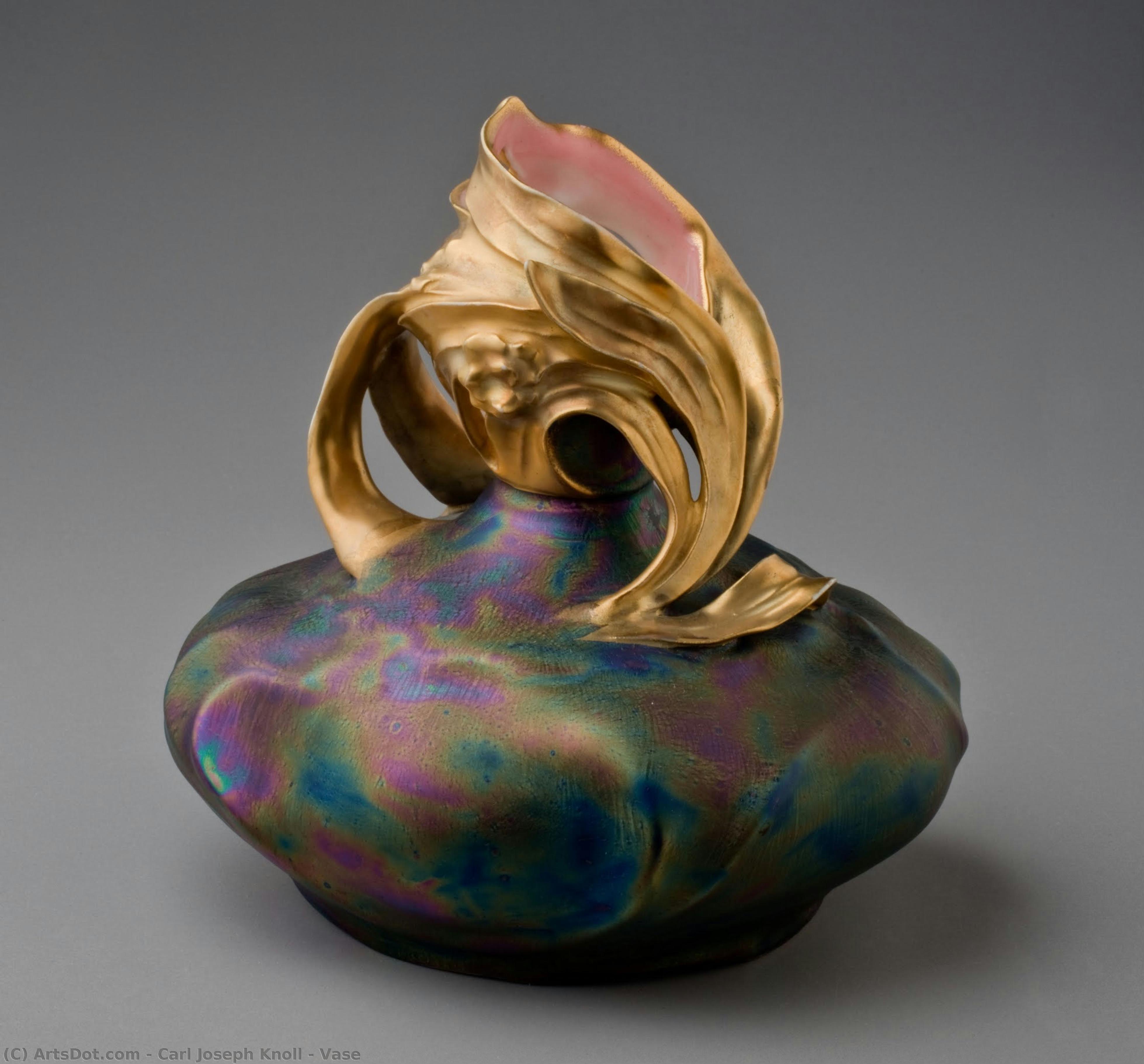
 效果预览
效果预览
 切换至手工绘画版
 分享
分享 分享
分享
 详情
详情

 下载
下载
 相似作品
相似作品 X射线
X射线 幻灯片播放
幻灯片播放Vase

 展开详情
展开详情




































从与原作比例一致的预设尺寸中进行选择。

您可以输入自定义尺寸,以适配特定的画框或空间。如果您选择的尺寸与原图比例不符,我们将对作品进行裁剪,或通过镜像填充/纯色填充边缘的方式来扩展图像。在开始制作之前,我们会向您发送一份数字效果图供您确认。
请注意,屏幕上的预览并不能反映实际的裁剪或扩展效果。只有效果图才能准确展示最终的构图。
虽然我们提供定制尺寸,但为了保持原图比例,我们建议您从预设列表中选择尺寸。


 玻璃选项仅适用于110厘米以下的尺寸。

Vase
艺术微喷/版画
复制品尺寸
-


最终总价
$ 62
艺术家简介
Early Life and Artistic Beginnings
Carl Joseph Knoll’s story begins in the heart of Carlsbad, Croatia – a city steeped in history and artistic tradition. Born in 1868, his early life was shaped by the Austro-Hungarian Empire, an environment that fostered both a deep appreciation for craftsmanship and a burgeoning interest in design. His family's background as porcelain manufacturers provided him with an invaluable foundation; he grew up surrounded by the meticulous processes of shaping clay, glazing, and firing – skills that would later become integral to his own artistic endeavors. While details about his formal education are somewhat sparse, it’s clear that Knoll possessed a natural talent for observation and a keen eye for detail, qualities honed through years spent immersed in the world of ceramics. The industrial landscape of 19th-century Carlsbad, with its burgeoning factories and workshops, undoubtedly influenced his developing aesthetic sensibilities, exposing him to both traditional techniques and emerging innovations.The Founding of Karlsbader Porzellanfabrik
Carl Knoll’s ambition extended beyond simply inheriting a family business; he sought to establish a distinct identity for his porcelain factory. In 1842, he founded the Karlsbader Porzellanfabrik – later known as the Knoll Porcelain Factory – in Fischern, Germany, near the renowned spa town of Carlsbad (now Karlovy Vary). This marked not just the beginning of a commercial venture but also the realization of a long-held vision: to produce porcelain of exceptional quality and beauty. Initially, the factory focused on producing tableware, establishing a reputation for elegance and durability. However, Knoll’s foresight extended beyond mere functionality; he recognized the potential for incorporating artistic elements into his designs, laying the groundwork for the factory's future prominence in the world of luxury ceramics. The decision to locate the factory near Carlsbad was strategic, capitalizing on the town’s growing popularity as a health resort and attracting affluent clientele seeking exquisite souvenirs and decorative items.Innovation and Artistic Direction
The mid-19th century witnessed a period of significant innovation within the porcelain industry, and Knoll embraced these advancements with enthusiasm. He experimented with new glazing techniques, pushing the boundaries of color and texture, and meticulously refined his firing processes to achieve unparalleled levels of detail and translucence. Crucially, Knoll recognized the importance of design as more than just technical proficiency; he understood that it was a powerful means of communicating aesthetic values and evoking emotional responses. This realization led him to collaborate with talented artists and designers, bringing a diverse range of influences into his work. The factory’s output began to reflect this artistic breadth, incorporating elements of Rococo elegance, Neo-Classical restraint, and burgeoning Romanticism. Knoll's leadership was characterized by a commitment to quality control and a willingness to invest in the latest technologies, ensuring that Karlsbader Porzellanfabrik remained at the forefront of the industry.The Rise of Luxury Painted Porcelain
A pivotal moment in Knoll’s career – and the factory’s history – arrived with the introduction of luxury painted porcelain. Recognizing the growing demand for decorative objects adorned with intricate designs, Knoll expanded his production to include a vast array of hand-painted pieces. These weren't merely decorated; they were miniature works of art, showcasing the skills of master artisans who meticulously rendered floral motifs, pastoral scenes, and elaborate portraits. The factory quickly gained international recognition for its exquisite painted porcelain, attracting discerning collectors and establishing a reputation for unparalleled artistry. This expansion into luxury goods solidified Knoll’s legacy as a visionary entrepreneur and a champion of artistic excellence. His commitment to employing skilled painters ensured that each piece bore the unmistakable mark of human creativity – a crucial element in elevating the factory's products beyond mere mass-produced items.Legacy and Influence
Carl Joseph Knoll’s influence extends far beyond the walls of Karlsbader Porzellanfabrik. He wasn’t simply a manufacturer; he was a catalyst for artistic innovation, shaping the aesthetic landscape of 19th-century Europe. His factory became synonymous with quality, elegance, and artistic craftsmanship, setting a new standard for luxury porcelain production. The techniques and designs pioneered by Knoll continue to inspire contemporary ceramic artists and designers. Furthermore, his commitment to fostering relationships with talented painters ensured that the factory remained at the cutting edge of decorative arts for decades to come. Even after his death in 1868, his sons – Adolf, Karel, and Ludwig – skillfully continued his legacy, refining product quality and introducing increasingly lavishly painted goods. The Karlsbader Porzellanfabrik remains a testament to Knoll’s vision—a symbol of artistic ambition, entrepreneurial spirit, and the enduring allure of handcrafted beauty.
carl joseph knoll
1868 , Croatia
艺术家简介
- Artistic Movement Or Style: Porcelain craftsmanship
- Artists Or Movements Influenced By This Artist: ['Karlsbader Porzellanfabrik']
- Artists Who Influenced This Artist: ['']
- Date Of Birth: 1868
- Full Name: Carl Joseph Knoll
- Nationality: Austrian
- Notable Artworks:
- Vase
- St Joseph Chapel
- Place Of Birth: Carlsbad, Croatia

