


 效果预览
效果预览
 购买手绘画作
 分享
分享 分享
分享
 详情
详情

 下载
下载
 相似作品
相似作品 X射线
X射线 幻灯片播放
幻灯片播放haystack, pontoise.


 展开详情
展开详情




P118B $10

P118H $10

P118W $10

P438Z $10

P508JH $12

P508YH $12

P805H $10

P805Z $10

P919BZ $10

P919G $10

P919XJ $10

P959ZH $10

P968JZ $12

W106C $8

W218G $10

W218JH $8

W218Y $10

W307PJ $10

W316G $10

W316PJ $8

W316Y $10

W398PJ $8

W4111J $10

W500HY $15

W500JH $15

W692G $12

W849H $8

W940BG $15

W953PJ $8




从与原作比例一致的预设尺寸中进行选择。

您可以输入自定义尺寸,以适配特定的画框或空间。如果您选择的尺寸与原图比例不符,我们将对作品进行裁剪,或通过镜像填充/纯色填充边缘的方式来扩展图像。在开始制作之前,我们会向您发送一份数字效果图供您确认。
请注意,屏幕上的预览并不能反映实际的裁剪或扩展效果。只有效果图才能准确展示最终的构图。
虽然我们提供定制尺寸,但为了保持原图比例,我们建议您从预设列表中选择尺寸。


 玻璃选项仅适用于110厘米以下的尺寸。

haystack, pontoise.
艺术微喷/版画
复制品尺寸
-


最终总价
$ 62
藏品详情
The Quintessence of Rural Impressionism: *Haystack, Pontoise* by Camille Pissarro
Camille Pissarro’s *Haystack, Pontoise*, painted in 1873, is more than just a depiction of a rural scene; it's a masterful distillation of the Impressionist movement’s core tenets. This unassuming canvas, brimming with sunlight and atmosphere, offers a profound meditation on light, color, and the fleeting beauty of everyday life. Executed in oil on canvas, the artwork transports the viewer to a tranquil corner of France, capturing not just what is seen but how it *feels* – a hallmark of Pissarro’s approach and that of his contemporaries.
- Subject Matter: The scene centers around a monumental haystack in the foreground, a commonplace object transformed into a subject of intense artistic scrutiny. A small wooden cart and two figures add a touch of human activity, grounding the idyllic landscape and hinting at the rhythms of rural life.
- Style & Technique: As an exemplar of Impressionism, *Haystack, Pontoise* showcases Pissarro’s signature loose brushstrokes and broken color palette. These techniques were revolutionary for their time, deliberately eschewing traditional academic methods in favor of capturing the immediate visual impression. The artist layered paint in short, rapid strokes to evoke the shimmering effects of sunlight on hay and the hazy atmosphere of a summer afternoon.
A Window into the 1870s: Historical Context & Artistic Innovation
Painted during a pivotal moment in art history, *Haystack, Pontoise* reflects the burgeoning Impressionist movement’s challenge to established artistic norms. The late 19th century witnessed a shift away from the grand narratives and meticulous detail favored by the Salon – the official art exhibition of France – towards a more subjective and immediate representation of reality. Artists like Pissarro sought to capture not just the appearance of objects but their transient qualities, particularly the effects of light and atmosphere. This painting embodies this spirit of experimentation and innovation, aligning with the movement’s desire to depict scenes as they appeared to the eye at a specific moment in time.
The choice of Pontoise itself is significant. It was a typical Parisian suburb, offering a readily accessible subject for artists seeking to study light and color outdoors – *en plein air*. This practice became central to Impressionism, allowing artists to directly observe and translate their observations onto canvas.
Decoding the Symbolism & Emotional Resonance
*Haystack, Pontoise* is rich in subtle symbolism. The haystack itself represents harvest and abundance, a powerful motif associated with fertility and prosperity – themes deeply rooted in rural life. The expansive wheat field further reinforces this connection to nature and the bounty of the earth. Beyond these literal interpretations, the painting evokes a profound sense of peace and tranquility. The soft light, muted colors, and harmonious composition create an atmosphere of idyllic beauty, inviting contemplation and offering a respite from the bustle of urban life.
The flattened perspective, characteristic of Impressionism, prioritizes capturing the overall impression over precise realism. This deliberate distortion enhances the painting’s emotional impact, drawing the viewer into the scene and encouraging a personal response to its beauty.
Collecting & Appreciating this Masterpiece
A reproduction of *Haystack, Pontoise* by Camille Pissarro is more than just an image; it's an investment in art history. This iconic work offers a unique opportunity to bring the spirit of Impressionism into your home or office. ArtsDot’s hand-painted reproductions meticulously recreate the original’s nuances – from the delicate brushstrokes to the subtle color variations – ensuring that you receive a faithful and stunning representation of this seminal artwork. Consider it not just a decoration, but a window into the artistic vision of one of Impressionism's most influential figures.


艺术家简介
卡米耶·毕沙罗:印象主义的稳健基石
卡米耶·毕沙罗,一个与印象主义运动诞生和演变紧密相连的名字,是一位其一生都致力于捕捉画布上不断变化的风景的艺术家。1830年7月10日,他出生于圣托马斯岛(当时属于丹麦西印度群岛,现在是美国维尔京群岛),他的出身如同他后来艺术视野的多样性和活力一样非凡。他的父亲是一位葡萄牙犹太裔的法国商人,母亲则来自岛上的一个法国-犹太家庭,这赋予了他独特的文化背景。这种略显不寻常的成长环境,培养了他对周围世界的敏锐感知力,而这种感知力将成为他艺术实践的核心。最初在巴黎附近的萨瓦里学院接受了正规训练,但真正点燃他对绘画热情的,是他回到圣托马斯岛后,作为一名货物船员的工作。熙熙攘攘的港口、当地充满活力的生活以及加勒比地区的原始美景,成为了他最初的主题,塑造了他对日常存在细微之处的敏锐观察力。从现实主义到革命:艺术之路
毕沙罗的艺术之旅是一段持续探索和完善的过程。在协助丹麦画家安东·梅尔布在巴黎工作后,他沉浸在库尔贝、卡米耶·柯罗和奥诺雷·达米埃等大师的作品中——这些艺术家倡导现实主义和社会评论。他最初试图获得艺术界的认可,曾在巴黎沙龙展出作品,但很快意识到其局限性。一个关键的转折点是他拥抱了“原位画”——直接在户外绘画,这种做法受到柯罗的鼓励,并成为印象派的核心。这种转变不仅仅是技术上的,更代表着一种哲学上的改变,即捕捉光线和氛围的瞬间效果,而非场景的精确再现。他开始尝试更松散的笔触和更明亮的调色板,逐渐摆脱学院派的惯例,走向一种更加主观和富有表现力的风格。这一时期,他努力在巴黎艺术蓬勃发展的环境中找到自己的声音,这座城市正在经历快速的变革,为他提供了无尽的灵感。印象主义的“父亲”
卡米耶·毕沙罗不仅仅是 *一位* 印象派画家;他可以说是这个运动中最坚定和最具凝聚力的力量。他独一无二地在1874年至1886年间的所有八次巴黎印象派画展中都展示了他的作品,成为一个经常因内部意见分歧和个人抱负而闻名的群体中的稳定存在。他不仅仅是出席了展览——他还积极鼓励他的艺术家朋友们,提供支持、指导以及一种急需的友谊感。这使他赢得了“父亲”这个亲切的绰号。即使面对评论家的蔑视和公众的不屑,他对艺术自由和创新的承诺也从未动摇。他坚信集体行动的力量,并倡导艺术家摆脱沙龙限制性规则的独立展览理念。除了自己的作品之外,毕沙罗的影响还延伸到年轻一代的艺术家,包括保罗·塞尚、文森特·梵高和保罗·高更,他指导他们并对他们的艺术探索产生了深刻影响。他不仅提供了技术建议,还为他们的艺术探索提供了一个哲学框架。他的意愿使他短暂地涉足新印象主义,受到乔治·修拉和保罗·西格纳克点彩技术的启发,最终又回归到一种更具个人风格的创作中,将早期的影响与新的发现相结合。生活的风景:主题与遗产
毕沙罗的艺术作品非常多样化,但始终专注于他周围的世界。他以描绘乡村和城市景观而闻名,经常描绘日常生活场景——田间劳作的农民、熙熙攘攘的巴黎街道、安静的村庄广场。他的画作不仅仅是风景如画的景色;它们是社会评论,反映了他对劳动人民深厚的同情心以及他致力于以尊严和尊重来描绘他们生活的承诺。- 风景:以捕捉乡村和城市之美的能力而闻名。
- 巴黎生活场景:生动地描绘了一个快速变化的都市。
- 农民生活:反映了他对劳动人民的社会意识和同情心。

毕沙罗
1830 - 1903 , 法国
艺术家简介
- 全名: 卡米耶·毕沙罗
- 出生地点: 圣托马斯岛(美属维尔京群岛)
- 出生日期: 1830年7月10日
- 去世日期: 1903年11月13日
- 受影响的艺术家:
- 保罗·塞尚
- 文森特·梵高
- 保罗·高更
- 国籍: 丹麦裔法国人
- 影响艺术家:
- 古斯塔夫·柯罗
- 奥诺雷·达米埃
- 艺术流派或风格: 印象派,新印象派
相关文章
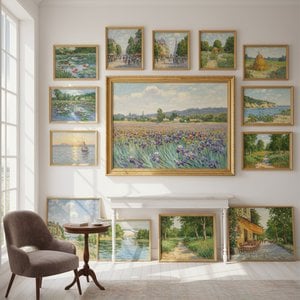
印象派风景画的十部巨作:定义艺术与家的和谐之境
探索印象派风景画的十部经典巨作!从莫奈到雷诺阿,揭秘大师们的技法与灵感。ArtsDot.com为您呈现高清油画复制和精选艺术品,点亮您的家居空间。立即发现更多艺术珍宝!

Impressionistic Landscapes: 10 Masterpieces That Changed Art & Decor
Journey into the heart of Impressionism! Explore 10 masterpieces by Monet, Renoir & Degas that revolutionized landscape art. Discover their stories, techniques & find museum-quality reproductions to elevate your home decor on ArtsDot.com.

Cultivating Visions: A Historical Journey Through Rural Landscapes in Art
Explore the rich history of rural landscape painting with ArtsDot. Discover Impressionist masterpieces, key artists & movements. Find your perfect serene artwork and bring nature's beauty home.

Beyond the Horizon: 10 Landscape Masterpieces for Your Home Decor
Journey through 10 breathtaking landscape paintings by Monet, Van Gogh & more! Explore iconic artworks, artistic techniques & find inspiration for your home decor. Museum-quality reproductions at ArtsDot.com. Discover all masterpieces on ArtsDot.com

康斯塔布尔大师之作:25幅传世风景画赏析 | ArtsDot
探索康斯塔布尔的25幅传世杰作!沉浸于英国田园风光,感受浪漫主义绘画大师的光影与色彩。高清油画复制、艺术品购买尽在ArtsDot.com,为您的家居增添经典之美。立即在线探索完整系列!



