


 实景预览
实景预览
 发送
发送 分享
分享
 详情
详情 指南
指南

 下载图片
下载图片
 相似作品
相似作品 X射线
X射线 幻灯片播放
幻灯片播放 统计数据
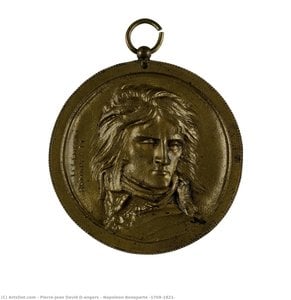
统计数据Napoleon First Consul


 阅读全文
阅读全文
手工油画复制品
由我们的艺术家按需定制,为您提供您所选尺寸及画框的布面手工油画。 ( 切换至版画销售渠道 切换至数字图像销售渠道)




P118B $10

P118H $10

P118W $10

P438Z $10

P508JH $12

P508YH $12

P805H $10

P805Z $10

P919BZ $10

P919G $10

P919XJ $10

P959ZH $10

P968JZ $12

W106C $8

W218G $10

W218JH $8

W218Y $10

W307PJ $10

W316G $10

W316PJ $8

W316Y $10

W398PJ $8

W4111J $10

W500HY $15

W500JH $15

W692G $12

W849H $8

W940BG $15

W953PJ $8




您可以从与原作比例一致的预设尺寸中进行选择。

您可以输入自定义尺寸,以适配特定的画框或空间。如果所选尺寸与原图比例不符,我们将通过裁剪作品或添加手绘元素来扩展画面。数字样稿将在制作开始前发送给您确认。
请注意,屏幕预览无法准确反映实际的裁剪或扩展效果,只有样稿才能真实呈现最终的构图。
虽然我们提供定制尺寸服务,但为了保留原作比例,建议您从预设列表中选择尺寸。
下单后,ArtsDot.com 团队将通过电子邮件联系客户获取具体要求,并提供效果预览图


 玻璃选项仅适用于110厘米以下的尺寸。

Napoleon First Consul
复制品材质
复刻品尺寸说明
-


总计金额
$ 263
Napoleon First Consul: A Portrait of Power and Vision
The artwork "Napoleon First Consul," created by Bess Larkin Housser Harris in 1930, stands as a testament to both the artist’s mastery of sculptural technique and her profound engagement with the monumental figure of Napoleon Bonaparte. This bronze sculpture captures not merely an image of the emperor but embodies his ambition, intellect, and unwavering determination—qualities that resonated deeply within the artistic landscape of its time. Harris's approach was rooted in a Cubist aesthetic, evident in the fragmented planes and geometric forms that define Napoleon’s torso and head. Unlike traditional portraiture which strives for idealized beauty, Housser Harris deliberately eschewed conventional representation, prioritizing instead the conveyance of psychological depth. The sculptor skillfully utilized modeling clay to achieve remarkable detail, capturing subtle nuances of expression—a gaze focused intently ahead, conveying a sense of strategic contemplation—that speak volumes about Napoleon’s character. This stylistic choice reflects the broader artistic currents of the early 20th century, where artists sought to challenge established conventions and explore new ways of portraying reality. The sculpture's placement within the Hugh Lane Gallery’s collection underscores its significance as a symbol of British patronage during the Belle Époque. Lord Grenfill’s donation solidified the artwork’s position as an emblem of artistic excellence and cultural prestige—a reflection of Britain’s fascination with French intellectual and artistic achievements following Napoleon’s downfall. The piece serves as a poignant reminder of the era's preoccupation with heroism, leadership, and the transformative potential of political upheaval.- Material: Bronze
- Dimensions: 34 x 11.5 x 10.5 cm
- Artist’s Style: Cubist
- Historical Context: Belle Époque, Post-Napoleonic Era
Symbolism and Emotional Resonance
Beyond its formal qualities, “Napoleon First Consul” carries considerable symbolic weight. The sculptor's deliberate fragmentation mirrors the fractured political landscape of France after Napoleon’s reign—a nation grappling with rebuilding its identity amidst the legacy of imperial grandeur. Yet, Napoleon’s unwavering gaze symbolizes resilience and resolve—a refusal to succumb to defeat despite facing insurmountable obstacles. Housser Harris skillfully evokes these emotions through her masterful manipulation of form and texture, inviting viewers to contemplate the complexities of leadership and ambition.Technique and Craftsmanship
Harris's meticulous modeling process exemplifies the highest standards of sculptural craftsmanship. The artist painstakingly built up layers of clay, achieving remarkable accuracy in capturing anatomical detail while simultaneously conveying a sense of dynamism—a subtle tremor in Napoleon’s posture that suggests inner tension and unwavering focus. This dedication to technique underscores Housser Harris’s commitment to artistic excellence and her ability to transform conceptual ideas into tangible forms.Legacy and Influence
“Napoleon First Consul” continues to inspire admiration for its innovative aesthetic and profound psychological insight. It stands as a cornerstone of Canadian sculpture during the interwar period—a testament to Bess Larkin Housser Harris’s artistic vision and her contribution to the broader cultural dialogue of her time. Its enduring presence within the Hugh Lane Gallery ensures that this remarkable artwork will continue to captivate audiences for generations to come.相关艺术品



艺术家简介
Bess Larkin Housser Harris: A Pioneering Canadian Painter
Early Life and Education
- Born: 1890 in Brandon, Manitoba, Canada.
- Bess Larkin received her foundational education at Havergal College in Toronto, Ontario. This institution played a crucial role in shaping her future artistic pursuits.
- Though she lacked formal art school training, she later took lessons from Frederick Varley, which helped refine her skills.
Artistic Career and Associations
- Group of Seven Connection: Bess Larkin Housser Harris participated in exhibitions alongside the renowned Group of Seven, a pivotal moment in Canadian art history. While not a formal member, her association with this group significantly impacted her artistic development.
- Canadian Group of Painters: She was an esteemed member of the Canadian Group of Painters, further solidifying her position within Canada’s vibrant art scene.
- International Exposure: Her work gained international recognition through exhibitions at the Wembley Show in England (1926) and the Corcoran Gallery of Art in Washington, D.C. (1930).
Personal Life
- First Marriage: Bess married F.B. Housser in 1914. The marriage ended due to his affair with artist Yvonne McKague.
- Second Marriage: In 1934, she married Lawren Harris, a prominent member of the Group of Seven. They spent time in the United States before relocating to Vancouver, British Columbia, in 1940.
Artistic Contributions and Style
- Landscape Painting: Harris’s paintings primarily focused on landscapes, capturing the rugged beauty of the Canadian wilderness. Her style evolved over time, incorporating elements of post-impressionism and cubism.
- Mountain Sketch (1929) exemplifies her dramatic use of color and expressive brushwork to convey the grandeur of the mountains.
- Cubist Explorations: She also experimented with Cubist techniques, as seen in works like Untitled (Cubist Landscape), demonstrating a willingness to explore modern artistic trends.
Literary Contributions
- Art Criticism: Between 1923 and 1926, Harris wrote articles about art for The Canadian Bookman, showcasing her intellectual engagement with the artistic community and solidifying her influence as a critic.
Legacy and Historical Significance
- Understated Influence: While perhaps not as widely celebrated as some of her contemporaries, Bess Larkin Housser Harris’s contributions significantly enrich the Canadian art landscape.
- Shaping Artistic Identity: Her work and writings played a crucial role in shaping Canada's artistic identity during a period of significant cultural development.
- Later Life & Death: Bess Larkin Housser Harris passed away in 1969 in Vancouver, leaving behind a legacy that continues to be appreciated by art enthusiasts and scholars.

bess larkin housser harris
1890 - 1969 , Canada
快速概览
- Birth Date: 1890
- Birth Place: Brandon, Manitoba, Canada
- Death Date: 1969
- Movement:
- Group of Seven
- Canadian Group of Painters
- Name: Bess Larkin Housser Harris
- Nationality: Canadian
- Notable Works:
- Mountain Sketch
- Untitled (Cubist Landscape)
- Napoleon First Consul
相关文章

Bronze Sculptures That Defined Art History | ArtsDot
Journey through art history with our Top 10 bronze sculptures! Explore masterpieces by Rodin, Michelangelo & more. Discover stories behind iconic statues and find museum-quality reproductions for your home decor at ArtsDot.com.

The Enduring Form: Sculpture Across History, Technique & Emotional Resonance
Explore the rich history of sculpture with ArtsDot. Discover key techniques, influential artists & investment potential for discerning collectors. Expert insights into valuing and collecting timeless masterpieces.

The Enduring Form: Exploring Themes & Techniques in Sculpture Across Historical Periods
Explore the rich history of sculpture from ancient masterpieces to contemporary innovations. Discover key techniques, influential artists & investment potential for discerning art collectors.

Arthur Lismer: A Pioneer of Canadian Modernism & the Group of Seven's Visionary Spirit
Explore the life & art of Arthur Lismer, a pivotal figure in Canadian Modernism and founding member of the Group of Seven. Discover his landscapes, teaching legacy & lasting influence on Canadian art history.

Bronze Age to Modern Masters: 10 Sculptures That Redefined Art | ArtsDot
Journey through art history with 10 legendary bronze sculptures – from Michelangelo's David to Rodin’s Thinker. Explore the stories, techniques & timeless beauty of these masterpieces. Find museum-quality reproductions & elevate your home decor on ArtsDot.com.