


 效果预览
效果预览
 分享
分享 分享
分享
 详情
详情 指南
指南

 下载
下载
 相似作品
相似作品 X射线
X射线 幻灯片播放
幻灯片播放 统计数据
统计数据U.S. Patrol Returning to Camp
 Documentary Photography
 1944
1944 34.0 x 27.0 cm
 展开详情
展开详情
手工油画复制品
由我们的艺术家按需定制,为您提供您所选尺寸及画框的布面手工油画。 ( 切换至版画销售渠道 切换至数字图像销售渠道)




































从与原作比例一致的预设尺寸中进行选择。

您可以输入自定义尺寸,以适配特定的画框或空间。如果所选尺寸与原图比例不符,我们将通过裁剪作品或添加手绘元素来扩展画面。数字样稿将在制作开始前发送给您确认。
请注意,屏幕预览无法准确反映实际的裁剪或扩展效果,只有样稿才能真实呈现最终的构图。
虽然我们提供定制尺寸服务,但为了保留原作比例,建议您从预设列表中选择尺寸。
下单后,ArtsDot.com 团队将通过电子邮件联系客户获取具体要求,并提供效果预览图。


 玻璃选项仅适用于110厘米以下的尺寸。

U.S. Patrol Returning to Camp
复制材质
复制品尺寸
-


最终总价
$ 388
相似艺术品


艺术家简介
The Soul of the American West: The Life and Legacy of Bernard Hoffman
Emerging from the quietude of the American wilderness, Bernard Hoffman (1913–1979) carved a unique space in the landscape of twentieth-century art. A self-taught master, Hoffman did not seek the frantic energy of urban art movements; instead, his gaze was fixed upon the rugged, untamed expanses of Montana. His journey was one of profound connection, driven by an unwavering fascination with the raw beauty of the American West and the enduring traditions of Native American culture. Through his eyes, the vastness of the frontier was not merely a setting, but a living, breathing protagonist, imbued with a spiritual weight that resonated far beyond the borders of the mountains he so loved.
The foundations of Hoffman’s aesthetic were built upon the pillars of European Impressionism and Post-Impressionism. While his subject matter was deeply rooted in the American soil, his technical sensibilities drew inspiration from the masters of light and form, such as Cézanne and Van Gogh. From these legends, he inherited a meticulous devotion to detail and an expressive, emotive use of color. However, Hoffman applied these classical principles to a much more intimate narrative. Rather than pursuing grand, heroic myths, he sought the quiet dignity found in the everyday: the weathered resilience of a Montana rancher, the rhythmic grace of a tribal ceremony, and the silent strength of the elders who carried the wisdom of generations.
Technique and the Art of Visual Resonance
To witness a Hoffman painting is to experience a masterclass in optical blending and texture. His process was one of patience and layering, where he would carefully apply thin glazes of oil paint over a heavily textured underpainting. This technique allowed light to penetrate the various strata of pigment, creating a shimmering effect that mimicked the shifting atmosphere of the high plains. Whether it was the golden, honeyed light bathing the Absaroka Mountains or the cool, verdant shadows cast by the Yellowstone River, his surfaces possessed a luminous quality that felt almost tactile.
Every element within his compositions was rendered with an exacting hand, ensuring that no detail was lost to the vastness of the landscape. He captured the intricate, geometric patterns of Native American textiles and the rugged, sun-beaten textures of cowboy attire with equal fervor. This precision served a higher purpose: it allowed him to convey deep emotional resonance. In his hands, a portrait of a tribal elder became more than a likeness; it became a window into a profound spiritual depth, capturing the essence of a way of life steeped in tradition and reverence for the natural world.
Historical Significance and Artistic Vision
Throughout his prolific career, Bernard Hoffman remained steadfast in his commitment to authenticity. While the art world underwent rapid shifts toward abstraction and pop culture, Hoffman stayed true to his mission of documenting the soul of Montana. His work stands as a vital historical record, preserving the dignity of a vanishing frontier and the cultural majesty of the indigenous peoples of the West. His ability to blend the technical sophistication of the Post-Impressionists with the raw, documentary spirit of American Western art ensured his place as a visionary.
The legacy of Hoffman is found in the enduring power of his imagery—paintings that continue to evoke the scent of sagebrush and the silent majesty of the mountains. He remains a celebrated figure for those who seek art that speaks to the heart, reminding us that true beauty often resides in the quiet, steadfast endurance of nature and tradition.

艺术家简介
- Artistic Movement Or Style: Poetic Realism
- Artists Or Movements Influenced By This Artist: ['New Hollywood']
- Artists Who Influenced This Artist: ['Carl Sandburg']
- Date Of Birth: 1913
- Date Of Death: 1979
- Full Name: Bernard Hoffman
- Nationality: American
- Notable Artworks:
- Montana Landscapes
- Native American Themes
- Place Of Birth: Montana
相关文章
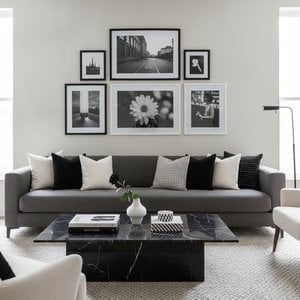
Timeless & Chic: Elevating Your New Home with the Sophistication of Black and White Photography
Transform your new home with the timeless allure of black and white photography. ArtsDot.com specializes in elegant monochrome decor and custom hand-painted wedding portraits that turn cherished milestones into lasting, soulful masterpieces. Elevate your space with ease.

White on Canvas: 10 Masterpieces & Timeless Elegance for Your Home Decor
Explore 10 iconic white paintings by Monet, Whistler & Rothko! Discover the stories behind these serene masterpieces and their impact on art history. Find museum-quality reproductions for your home decor at .

Monochrome Visions: Exploring the Aesthetic & Historical Significance of Black & White Photography
Explore the rich history & artistic power of black and white photography. From early techniques to iconic masters like Ansel Adams, discover why monochrome continues to captivate art lovers today. Expert insights for collectors.

Beyond the Lens: Photography's Enduring Influence on Modern & Contemporary Art
Explore photography's pivotal role in shaping modern & contemporary art. Discover key movements, influential artists like Stieglitz, and expert collecting advice from ArtsDot.

Dark Masterpieces: 10 Iconic Paintings Dominated by Black Tones |
Explore 10 iconic paintings dominated by black tones, from Rembrandt’s chiaroscuro to Goya's dark expressions. Discover the stories behind these masterpieces & find museum-quality art reproductions for your home at .