


 实景预览
实景预览
 发送
发送 分享
分享
 详情
详情 指南
指南

 下载图片
下载图片
 相似作品
相似作品 X射线
X射线 幻灯片播放
幻灯片播放 统计数据
统计数据Flower Study
 1944
1944 70.0 x 57.0 cm
 阅读全文
阅读全文
艺术微喷/版画
博物馆级艺术微喷或帆布版画,制作高效,并提供多种饰面选择。 ( 订购此收藏品的纯手工复刻画作 切换至数字图像销售渠道)




































您可以从与原作比例一致的预设尺寸中进行选择。

请输入您所需的宽度和高度,以适配您的画框或墙面。由于印刷品只能进行裁剪,无法超出原图尺寸,因此若比例不一致,画面的一部分将会被裁切。在正式印刷之前,我们会为您发送一份数字效果图供您确认。本页面显示的图片并非最终裁剪后的效果——只有效果图才能展示真实的裁剪情况。


 玻璃选项仅适用于110厘米以下的尺寸。

Flower Study
艺术微喷/版画
复刻品尺寸说明
-


总计金额
¥ 416
Artist Background
Arthur Segal was a Romanian artist and author, born on July 23, 1875, in Iaşi, Romania. He studied at the Berlin Academy from 1892 and later in Paris and Italy in the early 1900s. After studying in Paris and Italy, he eventually moved to Berlin, where he became a prominent figure in the city's artistic scene. More information about Arthur Segal can be found on ArtsDot.com.Painting Style and Technique
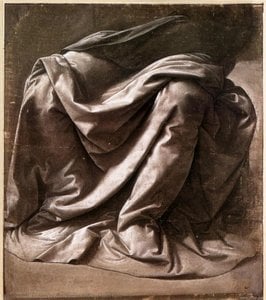
The Flower Study painting showcases Arthur Segal's unique style and technique, characterized by the use of bold colors and delicate brushstrokes. The arrangement of the flowers in the vase creates a sense of movement and energy, drawing the viewer's eye to the center of the composition. This painting is a prime example of still life artwork, which was a popular genre during the 20th century.Similar Paintings
Other notable paintings that showcase similar styles and techniques include:- The Green Jug by Horace Copson, available on ArtsDot.com
- Abramtsevo. Wattle by Igor Emmanuilovich Grabar, available on ArtsDot.com
- March in Herefordshire by Trevor Makinson, available on ArtsDot.com
The Flower Study painting by Arthur Segal is a stunning example of 20th-century art, showcasing the artist's unique style and technique. With its bold colors and delicate brushstrokes, this painting is sure to captivate any art enthusiast. For more information about Arthur Segal and his artwork, visit ArtsDot.com.
问答详情
"Flower Study" 的艺术家是谁?
《Flower Study》被归为Arthur Segal的作品。
"Flower Study" 的色彩呈现出浓郁还是柔和的视觉感?
“Flower Study”的色彩饱和度为Monochromatic。饱和度描述了色彩呈现的浓郁程度。
在 1944 年创作“Flower Study”时,Arthur Segal 的年龄是多少?
当"Flower Study"于1944创作时,出生于1875的Arthur Segal正值69岁。
相关艺术品



艺术家简介
Arthur Segal: A Pioneer of Expression and Dada’s Shadow
Arthur Segal (1875 – 1944) stands as a compelling figure in the turbulent landscape of early 20th-century European art, a Romanian artist whose career unfolded across multiple continents and artistic movements. Born into a Jewish family in Iaşi, Romania, his journey was shaped by both personal tragedy—the loss of his wife—and profound political upheaval, culminating in exile during World War II. Initially influenced by the Impressionist and Neo-Impressionist aesthetics of his early training at the Berlin Academy, Segal’s artistic trajectory dramatically shifted towards Expressionism and Dadaism, forging a uniquely personal style characterized by raw emotion, fragmented forms, and a critical engagement with the modern world. His work wasn't merely decorative; it was a visceral response to the anxieties and uncertainties of an era on the brink of profound change.Early Years and Artistic Foundations
Segal’s formative years were spent in Romania, absorbing the artistic traditions of the region while simultaneously encountering the burgeoning avant-garde currents emanating from Berlin. His studies at the Academy of Art in Berlin provided a solid grounding in classical techniques, but it was his exposure to the works of artists like Schmid-Reutte and Hölzel that ignited his interest in exploring new modes of representation. A subsequent period in Paris and Italy allowed him to immerse himself in the vibrant artistic scene of the time, encountering the innovations of Post-Impressionism and early Modernism. Crucially, these experiences laid the groundwork for his later embrace of Expressionist principles, a shift that would fundamentally alter the course of his artistic development. The influence of German Expressionism is particularly evident in his woodcuts, many of which tackled themes of war and social injustice with a stark and uncompromising realism.Berlin’s Expressionist Circle and the Rise of Neue Sezession
The early 1900s marked a pivotal period for Segal as he established himself within Berlin's dynamic artistic community. He quickly became associated with two of the most influential groups of the era: Die Brucke (The Bridge) and Der Blaue Reiter (The Blue Rider). These circles, centered around artists like Wassily Kandinsky and Franz Marc, championed a radical departure from traditional academic art, prioritizing emotional expression and subjective experience. Segal’s participation in their exhibitions signaled his commitment to these ideals and solidified his position within the avant-garde. However, he soon sought to establish his own platform for artistic experimentation, co-founding the Neue Sezession (New Section) in 1910. This group, deliberately provocative, challenged the established norms of the Berliner Secession, advocating for a more diverse and experimental approach to artmaking. The rejection by the Berliner Secession underscored the growing tensions between traditional and avant-garde artistic sensibilities.Exile, Dadaism, and the Swiss Years
The outbreak of World War I forced Segal into exile, leading him and his family to Ascona, Switzerland, in 1914. This period proved transformative, exposing him to the radical ideas of Dadaism – a movement that questioned the very foundations of art and society through irony, absurdity, and anti-rationality. He became involved with the Zurich Dadaists, collaborating with figures like Hans Arp, Hugo Ball, and Leonhard Frank at the Cabaret Voltaire, a hub for experimental performance and artistic innovation. The Swiss experience provided a crucial space for Segal to develop his own unique visual language, characterized by fragmented forms, distorted perspectives, and a deliberate rejection of traditional beauty standards. It was during this time that he began to explore the possibilities of woodcut as a medium for expressing social commentary and political dissent.Return to Berlin, Bauhaus Rejection, and Final Years
Following the war, Segal returned to Berlin in 1920, establishing his own art school and continuing to engage with the city’s vibrant artistic scene. He was offered a teaching position at the Bauhaus in Dessau, a revolutionary institution dedicated to integrating art, craft, and technology, but he declined the opportunity, perhaps wary of the institution's increasingly rigid structure. The rise of Nazism ultimately forced him into exile again, this time to Palma, Majorca, and then London, where he continued to teach and exhibit his work until his death in 1944. Despite facing significant obstacles due to his Jewish heritage, Segal’s artistic legacy endures as a testament to the power of individual expression and the enduring relevance of his pioneering approach to modern art. His work remains a vital link between Expressionism, Dadaism, and the broader currents of 20th-century art history, offering a poignant reflection on the anxieties and uncertainties of a rapidly changing world.
Arthur Segal
1875 - 1944
快速概览
- Full Name: Arthur Segal
- Nationality: Romanian
- Date Of Birth: 1875
- Date Of Death: 1944
- Place Of Birth: Iaşi, Romania
- Notable Artworks: ['Woodcuts (anti-war)']
- Artistic Movement Or Style:
- Expressionism
- Dadaism
- Artists Who Influenced This Artist:
- Schmid-Reutte
- Hölzel
- Artists Or Movements Influenced By This Artist:
- Die Brucke
- Der Blaue Reiter