


 实景预览
实景预览
 发送
发送 分享
分享
 详情
详情 指南
指南

 下载图片
下载图片
 相似作品
相似作品 X射线
X射线 幻灯片播放
幻灯片播放 统计数据
统计数据Three Marilyns


 阅读全文
阅读全文
艺术微喷/版画
博物馆级艺术微喷或帆布版画,制作高效,并提供多种饰面选择。 ( 订购此收藏品的纯手工复刻画作 切换至数字图像销售渠道)




P118B ¥10

P118H ¥10

P118W ¥10

P438Z ¥10

P508JH ¥12

P508YH ¥12

P805H ¥10

P805Z ¥10

P919BZ ¥10

P919G ¥10

P919XJ ¥10

P959ZH ¥10

P968JZ ¥12

W106C ¥8

W218G ¥10

W218JH ¥8

W218Y ¥10

W307PJ ¥10

W316G ¥10

W316PJ ¥8

W316Y ¥10

W398PJ ¥8

W4111J ¥10

W500HY ¥15

W500JH ¥15

W692G ¥12

W849H ¥8

W940BG ¥15

W953PJ ¥8




您可以从与原作比例一致的预设尺寸中进行选择。

请输入您所需的宽度和高度,以适配您的画框或墙面。由于印刷品只能进行裁剪,无法超出原图尺寸,因此若比例不一致,画面的一部分将会被裁切。在正式印刷之前,我们会为您发送一份数字效果图供您确认。本页面显示的图片并非最终裁剪后的效果——只有效果图才能展示真实的裁剪情况。


 玻璃选项仅适用于110厘米以下的尺寸。

Three Marilyns
艺术微喷/版画
复刻品尺寸说明
-


总计金额
¥ 416
A Symphony of Marilyn: Warhol’s Multiplicity Revisited
Andy Warhol's "Three Marilyns," created in 1962, isn’t merely a portrait; it’s an audacious exploration of fame, repetition, and the very nature of image itself. Executed in silkscreen printing—Warhol’s signature technique—this artwork transcends traditional representation, presenting three iterations of Marilyn Monroe against a deceptively simple azure backdrop. The deliberate choice of color contributes to the piece's contemplative mood, offering a respite from the vibrant hues often associated with Warhol’s oeuvre and inviting viewers to consider the profound implications of his artistic process.- The Technique: Silkscreen Printing Warhol revolutionized art production by embracing silkscreen printing, a method previously utilized primarily for commercial applications like advertising posters. This technique allowed him to achieve astonishing precision and consistency in color reproduction—a crucial element in creating his iconic prints. The process involved transferring an image onto a stencil, applying ink through screens, and pressing it onto paper or canvas multiple times, resulting in layered colors that shimmer with subtle variations.
- Historical Context: Pop Art’s Critique of Celebrity “Three Marilyns” emerged during the height of Pop Art's ascendancy—a movement that challenged artistic conventions by elevating everyday subjects and mass media imagery to the level of high art. Warhol deliberately appropriated Marilyn Monroe’s image, a symbol of Hollywood glamour and unattainable beauty, transforming it into an endlessly reproducible motif. This act wasn’t simply homage; it was a pointed commentary on the pervasive influence of celebrity culture and the anxieties surrounding consumerism.
Symbolism Beyond Recognition: The Faces Within Faces
Each Marilyn portrait subtly differs in expression—one serene, one slightly melancholic, and another with an enigmatic smile. These variations aren’t accidental; Warhol meticulously crafted each image to convey a nuanced psychological state. He wasn't aiming for photographic accuracy but rather capturing the essence of Monroe’s persona—her vulnerability beneath the veneer of stardom. The repetition of the face reinforces this idea, suggesting that Marilyn Monroe herself was becoming an archetype, embodying universal qualities of femininity and desire.- The Azure Background The muted blue hue serves as more than just a neutral backdrop; it acts as a visual anchor, grounding the portraits and emphasizing their stillness. Blue is often associated with tranquility and contemplation—a deliberate choice that invites viewers to linger on the artwork’s surface and consider its deeper meanings.
- Repetition and Serial Imagery Warhol's fascination with repetition stemmed from his belief that art could transcend individual experience by tapping into collective consciousness. By multiplying Marilyn Monroe’s image, he questioned notions of originality and challenged viewers to confront the impact of mass production on artistic expression.
Emotional Resonance: A Reflection on Image and Identity
“Three Marilyns” lingers in the mind long after viewing because it speaks to fundamental questions about identity and representation. Warhol’s masterful manipulation of image compels us to consider how we perceive ourselves and how our identities are shaped by external influences—particularly those mediated through popular culture. The artwork's enduring appeal lies in its ability to provoke introspection and stimulate dialogue about the role of art in shaping our understanding of the world.- Interior Design Considerations For interior designers, “Three Marilyns” offers a striking juxtaposition of color and repetition—a bold statement piece that can inject energy into a space while simultaneously prompting contemplation. Its understated elegance complements contemporary palettes beautifully, creating an atmosphere of sophisticated serenity.
问答详情
"Three Marilyns" 是如何平衡明暗对比的?
安迪·沃霍尔 的《Three Marilyns》 的亮度记录为 brilliant,亮度值为 Gentle Luminance。
鉴于创作日期,"Three Marilyns" 属于 安迪·沃霍尔 艺术生涯中的哪个阶段?
鉴于其创作于1962年,作品《Three Marilyns》属于安迪·沃霍尔的Mature时期。
安迪·沃霍尔 的《Three Marilyns》 属于哪种艺术流派?
安迪·沃霍尔 的《Three Marilyns》 所属的艺术流派为 Pop Art。这一分类将该作品置于相关艺术家及艺术作品的语境之中。
相关艺术品


艺术家简介
安迪·沃霍尔:波普艺术的先驱与美国文化偶像
安迪·沃霍尔(Andrew Warhola Jr.,1928-1987)是二十世纪后期最具影响力的美国艺术家之一。他以其标志性的波普艺术风格而闻名,将大众文化、商业图像和名人崇拜融入到他的作品中,彻底颠覆了传统艺术的定义。沃霍尔并非一蹴而就地成为艺术界的中流砥柱;他的旅程始于匹兹堡工业腹地的童年,在那里,一场名为圣维塔斯舞蹈(Sydenham's chorea)的疾病将他困在室内,却也激发了他对艺术创作的渴望。母亲给予的支持和大量的流行文化图像——漫画书和电影杂志——为他日后的艺术风格奠定了基础。他在卡内基技术研究所获得的教育为他提供了坚实的艺术设计基础,随后前往纽约市追逐商业插画师的梦想。
在纽约,沃霍尔凭借其独特的线条绘画迅速获得了认可,并成功进入时尚界和杂志行业。这段经历不仅磨练了他的视觉沟通技巧,更让他对大众生产的运作方式有了深刻的理解——这些元素后来成为了他艺术哲学的核心。然而,沃霍尔并未止步于商业插画;在1960年代,他开始超越商业艺术的界限,成为波普艺术运动的关键人物。这一革命性的时刻挑战了“高级”艺术的概念,将广告、漫画书和大众商品视为艺术探索的合法主题。他并非简单地复制这些元素,而是将其提升为美国消费主义的标志性符号。《板球汤罐头》(Campbell’s Soup Cans,1962)和《玛丽莲·梦露二重奏》(Marilyn Diptych,1962)等作品,不仅仅是绘画,更是对大众媒体影响力和图像商品化的深刻陈述。他采用的丝网印刷技术,使得图像能够进行机械复制——这是一种有意的选择,旨在反映他所观察到的消费文化。
“工厂”与艺术实验
沃霍尔的艺术宇宙的核心是位于纽约市的“工厂”(The Factory)。它不仅仅是一个工作室,更是一个充满活力的中心,汇集了艺术家、音乐家、电影人、社交名流和赞助人。在这里,各种形式的艺术实验蓬勃发展,沃霍尔坚信艺术应该易于获取并与周围的世界紧密相连。“工厂”成为了一个场景——一个孕育新思想的地方,也是对沃霍尔“艺术应该融入生活”理念的证明。在“工厂”,沃霍尔将绘画、摄影、电影制作、写作和出版等多种媒介融合在一起,模糊了艺术与生活的界限。
名人、灾难与美国文化的深层探索
沃霍尔的艺术视野超越了消费品,深入到名人、死亡和灾难等主题。他对玛丽莲·梦露、埃尔维斯·普雷斯利和伊丽莎白·泰勒等标志性人物肖像的创作并非简单的赞美,而是对名气、形象以及名人脆弱性的探索。他捕捉到的不仅仅是他们的外貌,更是围绕着他们所营造出的光环——这种被制造出来的魅力和潜在的脆弱感。与此同时,他通过“灾难”系列作品,勇敢地面对美国社会中不为人知的阴暗面,描绘了车祸、电椅和暴乱等图像。这些作品令人不安且具有挑衅性,迫使观众直面暴力和死亡的残酷现实。沃霍尔并非提供传统的评论,而是以一种超然客观的方式呈现这些图像,让观众自行得出结论。这种方法创造出引人入胜又令人不安的视觉效果。
波普艺术的遗产与文化影响
安迪·沃霍尔对艺术世界的贡献是不可估量的。他挑战了艺术的传统定义,模糊了高级文化和大众文化的界限,为观念艺术和行为艺术等新艺术运动铺平了道路。他对消费主义、名人崇拜和大众媒体的探索至今仍与观众产生共鸣,因为这些主题仍然是当代社会的核心。沃霍尔不仅仅是一位艺术家,更是一种文化现象——一位深刻理解图像力量并能够塑造人们认知的远见卓识者。他以其公开的同性恋身份挑战了当时的社会规范,成为了解放的象征。他的影响遍及各个领域,从当代艺术和时尚到音乐和电影。世界各地的主要博物馆都展出他的作品,确保了他的遗产继续激励和启发着一代又一代的艺术家和观众。他彻底改变了我们对艺术的看法,将它从一种稀有追求转变为一种易于获取、民主化并与现代生活日常体验紧密相连的事物。他所说的“每个人都会在15分钟内成名”这句话,在我们的社交媒体时代显得格外应验——这证明了他对人类状况和名气不断演变的深刻洞察。

安迪·沃霍尔
1928 - 1987 , 美国
快速概览
- Artistic Movement Or Style: 波普艺术
- Artists Or Movements Influenced By This Artist:
- 当代艺术
- 时尚
- 电影
- 音乐
- Date Of Birth: 1928年8月6日
- Date Of Death: 1987年2月22日
- Full Name: 安迪·沃霍尔
- Nationality: 美国人
- Notable Artworks:
- 坎贝尔汤罐头
- 玛丽莲·二重奏
- 切·格瓦拉
- 丝绒地下乐队封面
- Place Of Birth: 匹兹堡,美国
相关文章

安迪·沃霍尔25幅杰作:重塑流行艺术与美国形象的经典之作 | ArtsDot
探索安迪·沃霍尔25幅杰作,领略波普艺术的魅力与美国文化的经典形象。从玛丽莲·梦露到坎贝尔汤罐,每件作品都讲述着独特的艺术故事。ArtsDot.com提供高品质艺术复制品和家居装饰灵感,发现更多大师之作!

波普艺术十大杰作:定义时代的经典之作 | ArtsDot
探索波普艺术十大杰作!安迪·沃霍尔、罗伊·利希滕斯坦等大师作品,定义现代艺术潮流。了解艺术史背后的故事,为您的客厅或卧室增添色彩与活力。ArtsDot.com提供博物馆品质的艺术复制品,在线发现更多经典之作!

高檔藝術品複製技術:Giclée微噴的檔案品質與鑑賞細節
深入了解Giclée微噴技術:檔案品質、色彩還原的專業解析。探索高檔藝術品複製的細節與保存技巧,為您的收藏提供博物館級別的選擇。專家指導,確保完美呈現原作神韻。
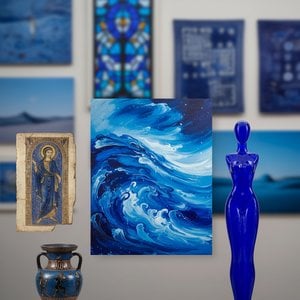
The Allure of Azure: Exploring the Symbolic & Aesthetic Depths of Blue in Art History
Explore the rich history of blue in art! Discover its symbolism, from ancient pigments to modern masterpieces by Kandinsky & Seurat. Uncover the psychological impact and cultural meanings behind this captivating hue.

Slate Blue Masterpieces: 10 Iconic Paintings & Timeless Home Decor Ideas
Immerse yourself in the captivating world of slate blue! Explore 10 iconic paintings by Monet, Van Gogh & Renoir. Discover their stories, techniques & find museum-quality art reproductions for your home at .


