


 效果预览
效果预览
 分享
分享 分享
分享
 详情
详情

 下载
下载
 相似作品
相似作品 X射线
X射线 幻灯片播放
幻灯片播放 统计数据
统计数据Dream
 Other
Other 2019
2019 28.0 x 23.0 cm
 The Sotiris Felios Collection
 展开详情
展开详情
艺术微喷/版画
博物馆级艺术微喷或帆布版画,制作高效,并提供多种饰面选择。 ( 购买手绘画作 切换至数字图像销售渠道)




P118B $10

P118H $10

P118W $10

P438Z $10

P508JH $12

P508YH $12

P805H $10

P805Z $10

P919BZ $10

P919G $10

P919XJ $10

P959ZH $10

P968JZ $12

W106C $8

W218G $10

W218JH $8

W218Y $10

W307PJ $10

W316G $10

W316PJ $8

W316Y $10

W398PJ $8

W4111J $10

W500HY $15

W500JH $15

W692G $12

W849H $8

W940BG $15

W953PJ $8




从与原作比例一致的预设尺寸中进行选择。

您可以输入自定义尺寸,以适配特定的画框或空间。如果您选择的尺寸与原图比例不符,我们将对作品进行裁剪,或通过镜像填充/纯色填充边缘的方式来扩展图像。在开始制作之前,我们会向您发送一份数字效果图供您确认。
请注意,屏幕上的预览并不能反映实际的裁剪或扩展效果。只有效果图才能准确展示最终的构图。
虽然我们提供定制尺寸,但为了保持原图比例,我们建议您从预设列表中选择尺寸。


 玻璃选项仅适用于110厘米以下的尺寸。

Dream
艺术微喷/版画
复制品尺寸
-


最终总价
$ 62
相似艺术品


艺术家简介
Robert Delaunay: A Pioneer of Color and Rhythm
Robert Delaunay, born Robert-Victor-Felix Delaunay in Paris on April 12, 1885, was a pivotal figure in the early development of modern art. His life, marked by both artistic innovation and personal turmoil, profoundly shaped the trajectory of movements like Orphism and Cubism. Initially apprenticed to a theatrical designer – a surprisingly formative experience that instilled an appreciation for composition and visual storytelling – Delaunay’s path shifted dramatically towards painting in 1902. This early exposure to stagecraft would later inform his dynamic use of space and rhythm within his canvases. He was deeply influenced by Neo-Impressionism, particularly the work of Paul Gauguin and Georges Seurat, absorbing their emphasis on color theory and meticulous brushwork. However, Delaunay quickly moved beyond mere imitation, seeking a more radical expression through abstraction.The Birth of Orphism: Color as Language
Delaunay’s most significant contribution to the art world lies in his creation of Orphism – a term he coined alongside his wife, Sonia Delaunay. This movement, emerging around 1912, represented a deliberate break from traditional representation. Rather than depicting objects realistically, Delaunay and Sonia focused on exploring the pure potential of color itself. They employed a technique known as “simultanism,” layering vibrant hues – often yellows, blues, and reds – in overlapping planes to create an intense, pulsating effect. This wasn’t simply about aesthetic pleasure; it was a deliberate attempt to evoke emotions and sensations directly through color. Influenced by the theories of Antoine Autrey, Delaunay believed that colors possessed inherent energies and could be used to communicate ideas and feelings independently of form. Their work became increasingly geometric, incorporating circles, squares, and other abstract shapes, further emphasizing the primacy of color and its dynamic relationships.Cubism and Beyond: A Shifting Palette
While Delaunay’s early works are often associated with Cubism due to their fragmented forms and multiple perspectives – a period heavily influenced by artists like Picasso and Braque – he quickly diverged from the movement's more analytical approach. He retained some of Cubism’s spatial experimentation but prioritized color above all else. During World War I, Delaunay and Sonia moved to Spain and Portugal, seeking refuge from the conflict and embracing the vibrant colors of the Iberian Peninsula. This period saw a shift towards larger-scale canvases and a greater emphasis on rhythmic patterns within his compositions. He began incorporating elements of textile design, reflecting his interest in decorative arts and creating works that could be experienced both visually and tactilely.Later Works: Abstraction and the Watermill Center
In the 1930s, Delaunay’s style evolved further towards pure abstraction. He continued to work with circular forms and vibrant color fields, often employing assistants to execute large-scale panels and reliefs. These monumental works, frequently commissioned for public spaces like the Aeronautics pavilion at the 1937 Paris International Exhibition, demonstrated his mastery of scale and his ability to create immersive visual experiences. Later in life, Delaunay established the Watermill Center in 1992 – a space dedicated to supporting emerging artists and fostering experimentation with new forms of artistic expression. This institution stands as a testament to his enduring legacy and his commitment to pushing the boundaries of contemporary art.Legacy and Influence
Robert Delaunay’s impact on modern art is undeniable. He liberated color from its representational function, paving the way for later abstract artists like Wassily Kandinsky and Paul Klee. His exploration of rhythm, composition, and the emotional power of color continues to inspire artists today. His work remains a vibrant celebration of visual energy and a powerful reminder that art can transcend mere imitation and speak directly to the human spirit. Delaunay died in Montpellier on October 25, 1941, leaving behind a body of work that is both visually stunning and conceptually profound. His legacy endures as one of the most important figures in the development of abstract art.
alexandros issaris
1941 - 2022 , Greece
艺术家简介
- Artistic Movement Or Style:
- Divisionism
- Cubism
- Orphic Cubism
- Simultanism
- Artists Or Movements Influenced By This Artist:
- Klee
- Marc
- Apolinaire
- Artists Who Influenced This Artist:
- Neo-Impressionism
- Cézanne
- Date Of Birth: 1885-04-12
- Date Of Death: 1941-10-25
- Full Name: Robert Delaunay
- Nationality: French
- Notable Artworks:
- Endless Rhythm
- The Eiffel Tower
- Cityscapes
- Place Of Birth: Paris, France
相关文章
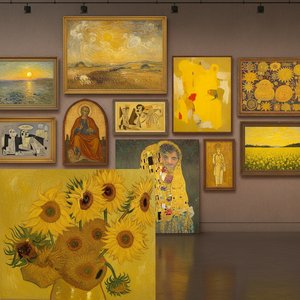
Golden Hues: 10 Masterpieces Dominated by Chrome Yellow | ArtsDot
Immerse yourself in golden light! Explore 10 famous paintings dominated by 'Chrome Yellow', from Van Gogh’s Sunflowers to Monet's Haystacks. Discover the stories behind these iconic Impressionist & Post-Impressionist masterpieces and find museum-quality art reproductions at ArtsDot.com.

The Subconscious Canvas: Exploring Dream Imagery in Art History & Contemporary Practice
Explore the captivating world of dream imagery in art history & contemporary practice. Discover key artists, symbolism, investment potential & expert insights for collectors at ArtsDot.
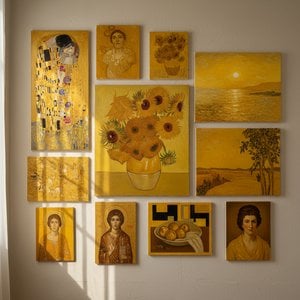
Golden Hues: Top 10 Paintings Dominated by Yellow Ochre |
Explore 10 iconic paintings bathed in golden yellow ochre! From Van Gogh's sunflowers to Monet’s haystacks, discover the stories behind these masterpieces. Find museum-quality art reproductions & elevate your home decor on .

弗朗西斯·培根:25幅震撼人心的杰作,重塑艺术与家居空间 | Francis Bacon's 25 Masterpieces
探索弗朗西斯·培根25幅震撼人心的杰作,深入了解这位现代艺术大师的创作故事与情感世界。从《三幅习作》到肖像画,感受抽象表现主义的魅力。ArtsDot.com提供高品质艺术品复制,为您的家居空间增添艺术气息!立即探索完整系列。

The Golden Hue: Exploring Symbolism & Emotion in Yellow Art
Explore the rich symbolism & emotional power of yellow in art history! From Van Gogh to Kandinsky, discover how artists used this vibrant hue. Expert analysis & high-quality reproductions at ArtsDot.