


 实景预览
实景预览
 发送
发送 分享
分享
 详情
详情 指南
指南

 下载图片
下载图片
 相似作品
相似作品 X射线
X射线 幻灯片播放
幻灯片播放 统计数据
统计数据Self-portrait


 阅读全文
阅读全文
手工油画复制品
由我们的艺术家按需定制,为您提供您所选尺寸及画框的布面手工油画。 ( 切换至版画销售渠道 切换至数字图像销售渠道)




































您可以从与原作比例一致的预设尺寸中进行选择。

请输入您需要的宽度和高度,以适配您的画框或墙面。由于作品为手工绘制,若您选择不同的尺寸比例,艺术家可能会在画面边缘多画一些或稍作裁剪 —— 由您决定。在开始绘画之前,我们会为您发送一份数字效果图供您确认。本页面上展示的图片并非最终实物 —— 只有效果图才能反映真实结果。
下单后,ArtsDot.com 团队将通过电子邮件联系客户获取具体要求,并提供效果预览图


 玻璃选项仅适用于110厘米以下的尺寸。

Self-portrait
复制品材质
复刻品尺寸说明
-


总计金额
¥ 1770
相关艺术品


艺术家简介
Alexander Clarot: A Viennese Romantic Portraitist
Alexander Clarot (1796 – 1842) stands as a pivotal figure in the landscape of Austrian art during the first half of the nineteenth century. Born in Vienna, Austria, he embarked on an artistic journey that would solidify his reputation as a masterful miniaturist and portrait painter—a testament to the enduring allure of Romanticism’s meticulous observation and emotive expression. His formative years were spent honing his skills at the Vienna Academy of Fine Arts, where he absorbed the stylistic conventions of his time and established himself as a respected member by 1829.- Early Influences: Clarot's artistic sensibilities were profoundly shaped by the prevailing Romantic movement, which championed emotion, imagination, and an idealized depiction of nature. Artists like Eugène Delacroix and Caspar David Friedrich served as significant inspirations, encouraging him to prioritize expressive color palettes and dramatic compositions.
- Technique & Style: Clarot’s distinctive style was characterized by painstaking detail—a hallmark of Viennese miniature painting—combined with a Romantic sensibility. He meticulously rendered textures and nuances in his portraits, capturing subtle expressions and conveying psychological depth. His brushstrokes were deliberate and controlled, prioritizing accuracy alongside artistic vision.
- Notable Works: Clarot’s oeuvre comprises numerous captivating pieces that exemplify the Romantic spirit. Among his most celebrated works are “Karl Artaria, Viennese Art Dealer” (1835), a portrait of a prominent art dealer reflecting Vienna's cultural vibrancy; "A portrait of a woman in a bonnet with a pink ribbon" (1837), showcasing exquisite craftsmanship and capturing the gracefulness of Victorian femininity; and “Self-portrait” (1825), offering an intimate glimpse into Clarot’s artistic identity.
Vienna Academy & Artistic Recognition
His enrollment at the Vienna Academy of Fine Arts proved instrumental in furthering his artistic development and securing recognition within the Viennese art community. The academy fostered a competitive environment that encouraged experimentation and refinement, allowing Clarot to hone his technique and broaden his stylistic horizons. Furthermore, membership signaled acceptance into the established artistic hierarchy—a crucial step toward establishing himself as a respected artist of his era.Legacy & Historical Significance
Alexander Clarot’s contribution to Austrian art extends beyond his individual masterpieces; he embodies the spirit of Romantic Vienna – a period marked by intellectual ferment and artistic innovation. His meticulous portraits not only documented the faces of prominent figures but also served as conduits for conveying psychological complexity and capturing the essence of Victorian ideals. Today, Clarot's works continue to resonate with audiences worldwide, representing an enduring legacy of Romantic artistry and demonstrating the power of observation combined with emotional resonance.Resources
- Further Research:ULAN Full Record Display (Getty Research)

Alexander Clarot
1796 - 1842 , Austria
快速概览
- Full Name: Alexander Clarot
- Nationality: Austrian
- Date Of Birth: 1796
- Date Of Death: 1842
- Place Of Birth: Vienna, Austria
- Notable Artworks:
- Karl Artaria, Viennese Art Dealer
- A portrait of a woman in a bonnet with a pink ribbon
- Artistic Movement Or Style: Romanticism
相关文章

水彩艺术全攻略:从文艺复兴到现代的历史演变与创作秘诀,专为经典艺术爱好者打造
本指南深入探讨水彩艺术的历史演变与当代创作秘诀,结合文艺复兴、印象派及现代实验技术,为经典艺术爱好者提供专业绘画技巧、材料选择与收藏建议。凭借多年的学术研究和行业经验,我们为您呈现可信赖、价值导向的内容,让每位读者都能在水彩世界中获得灵感与实战能力。

Ephemeral Visions: Exploring the Artistic Legacy & Contemporary Practice of Watercolor Painting
Explore the captivating world of watercolor painting! Discover its rich history, essential techniques, influential artists & collecting tips. A comprehensive guide for art enthusiasts from ArtsDot.

Watercolor Wonders: 10 Masterpieces That Redefined Art History | ArtsDot
Journey through 10 legendary watercolor masterpieces by Sargent, Turner & Homer! Explore iconic landscapes, portraits & floral art that redefined history. Find museum-quality reproductions and curated decor ideas at ArtsDot.com.
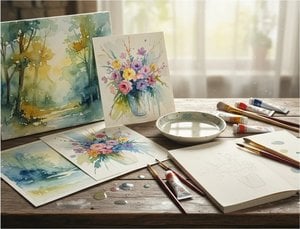
Ephemeral Visions: Exploring the Artistic Legacy & Nuances of Watercolor Painting
Explore the captivating world of watercolor painting! Discover its rich history, essential techniques, influential artists & collecting tips from art experts. A comprehensive guide for enthusiasts.

水彩艺术的流光溢彩:历史渊源、情感共鸣与现代实践
探索水彩艺术的流光溢彩!深入了解其历史渊源、大师技法与现代实践。提供专业的艺术咨询、定制油画服务,助您收藏和鉴赏优秀作品。ArtsDot.com – 您的艺术之选。