

- 9.0 x 22.0 cm


Картина відповідає вашим виборам: , .
Опис експоната
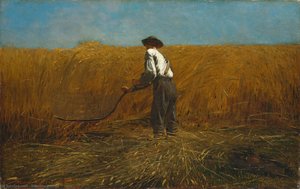
Winslow Homer’s serene ‘Sheep,’ painted in 1878, captures the quiet beauty of rural New England with masterful tonal shading and textural detail—a timeless piece reflecting Romantic ideals and inviting you to experience its pastoral grandeur.
 Розгорнути текст
Біографія митця
Майстер американського реалізму, відомий за картиною «Течія». Відкрийте для себе його потужні морські та пейзажні шедеври вже сьогодні.
Олійная репродукція ручної роботи
Написана вручну олією на полотні у вашому розмірі та рамі, виготовлена на замовлення нашими художниками. ( Перейти до друку Перейти до цифрових зображень)
Більше про цю картину
 Переглянути в інтер'єрі
 Надіслати як листівку
 Поділитися
 Деталі витвору
 Посібник

 Завантажити
 Схожі екземпляри
 Рентгенівське дослідження
 Слайд-шоу
 Питання та відповіді
 Статистика
Замовте свою картину у чотири прості кроки
Не поспішайте. Ви можете змінити будь-яку відповідь; ціна у вашій кошику буде оновлюватися відповідно до кожного вибору.
1 Перший крок із чотирьох
Який розмір ви бажаєте обрати?
Ці розміри зберігають пропорції оригінальної картини. На малюнку показано ваш вибір на стіні над двометровим диваном.
Або вкажіть власні розміри
Обирайте з наших стандартних розмірів, що відповідають оригінальним пропорціям твору мистецтва.

Введіть необхідну ширину та висоту, щоб картина підійшла до вашої рами або стіни. Оскільки це ручний розпис, для зміни пропорцій художник може дописати трохи більше по краях або дещо обрізати композицію — вибір за вами. Перед початком роботи ми надішлемо вам цифровий макет для затвердження. Зображення, показане на цій сторінці, не є реальним результатом — лише макет відображає майбутній вигляд.
2 Другий крок із чотирьох
Як його підготувати: у рулоні, на підрамнику чи в рамі?
Наведені нижче ціни вказані для розміру, обраного вами на першому кроці.
Оберіть тип країв натяжного полотна
Оберіть свою раму

Білий край ₴1

Розмитий край ₴1

З розширенням ₴1

P118B ₴10

P118H ₴10

P118W ₴10

P438Z ₴10

P508JH ₴12

P508YH ₴12

P805H ₴10

P805Z ₴10

P919BZ ₴10

P919G ₴10

P919XJ ₴10

P959ZH ₴10

P968JZ ₴12

W106C ₴8

W218G ₴10

W218JH ₴8

W218Y ₴10

W307PJ ₴10

W316G ₴10

W316PJ ₴8

W316Y ₴10

W398PJ ₴8

W4111J ₴10

W500HY ₴15

W500JH ₴15

W692G ₴12

W849H ₴8

W940BG ₴15

W953PJ ₴8

H24-GOLD ₴30

H24-SILVER ₴30

H36-GOLD ₴45

H36-SILVER ₴45
У рамі
Багет: . Загальний розмір із рамою: .
3 Третій крок із чотирьох
Бажаєте внести якісь зміни в картину?
Більшість людей відповідають «ні». Оскільки кожна картина створена вручну, наш художник також може адаптувати її для вас.
Після оформлення замовлення команда ArtsDot.com надішле клієнту електронний лист із запитом інструкцій та надасть попередній макет для перегляду
4 Четвертий крок із чотирьох
Кілька варіантів фінішного покриття
Усі вони є необов'язковими. Вибір уже вибраних варіантів не потребує додаткової оплати.
Хто автор?
Доставка по всьому світу () за 3–4 тижні замість стандартних 5 тижнів. (16 Листопад). Без жодних компромісів у якості.
Табличка, як у музеї?
Деталі гравірування на бронзовій табличці
This elegant plaque features the artist's name and the title of the artwork, finely engraved for a timeless presentation.
It is made from bronze with a refined, elegant finish. The text is precisely laser-engraved for a sharp and permanent result. Measuring 9x2 cm, the plaque is compact yet easy to read. It's built to be durable and scratch-resistant, offering a professional, museum-quality look. Mounting is simple thanks to the included adhesive backing.
Деталі прозорої акрилової таблички
The plaque includes essential engraved details such as the artist's name, the title of the artwork, the date it was created, the type of media used-like oil on canvas or watercolor-a brief description of the piece, and a QR code that links to the complete artwork information.
It is crafted from clear acrylic, offering a sleek, modern appearance. The text is UV-engraved in black to ensure strong visual contrast. With a size of 10x15 cm, it ensures optimal readability. It comes equipped with two metal hooks for secure wall mounting. The plaque is designed to be weather-resistant, making it suitable for various environments, and it includes interactive features that work seamlessly with smartphone scanning.
Деталі чорної акрилової таблички
This elegant plaque includes engraved information such as the artist's name, the title of the artwork, the date it was created, the type of media used (like oil on canvas or watercolor), a short description of the artwork, and a QR code for quick access to more information.
The plaque itself is made from refined black acrylic with a premium finish. The text is laser-engraved in white for high contrast and readability. Its size is 10x15 cm, designed to be easy to read. It comes with two metal hooks for professional mounting. The design is sleek and fits any interior style. It is also weather-resistant and durable, with built-in digital integration for mobile compatibility.
Захисний лак?
Коли вам це потрібно?
✓ Перевірити та замовити
Ваша картина, згідно із вашим замовленням

Sheep
Матеріал репродукції
Розмір репродукції
-

Видатний майстер-художник
Більше деталізації, витонченості та додаткового часу на створення твору
-

Рама для репродукції
-
-
Для творів мистецтва або репродукцій, розмір яких перевищує 105 см (приблизно 41 дюйм) з будь-якого боку, рама доставляється у вигляді розібраного комплекту. Такий метод гарантує безпечну доставку та запобігає пошкодженням під час транспортування.
Потребує професійного збирання — це не продукт для самостійного виготовлення (DIY).
Комплект має бути зібраний, а полотно натягнуте досвідченим майстром багетних робіт із використанням клейового дерева (не входить у комплект), щипців для натягування полотна та затискачів, щоб підрамник залишався рівним під час висихання клею. Неправильне збирання або нерівномірне натягування полотна може призвести до незворотного пошкодження твору мистецтва, що не підпадає під дію нашої гарантії.
 Для творів мистецтва або репродукцій, розмір яких перевищує 105 см (приблизно 41 дюйм) з будь-якого боку, рама доставляється у вигляді розібраного комплекту. Такий метод гарантує безпечну доставку та запобігає пошкодженням під час транспортування.
У комплект входять усі бруски з цільного дерева, точно вирізані за розміром.
Збирається за допомогою гвинтів, що входять до комплекту, а також клейового розчину для кутових з'єднань, який не входить до комплекту і має бути підготовлений вашим майстром.
Потрібні професійні інструменти, які не входять до комплекту: щипці для натягування полотна (натягувач) та затискачі, щоб утримувати рейки рівно під час висихання клею.
Важливо:
Для з'єднання кутів потрібен клей для дерева, перекладини необхідно затиснути струбцинами до повного висихання клею, а для натягування полотна на зібрану раму знадобляться щипці для натягування полотна. Жоден із цих інструментів не входить до комплекту. Будь ласка, проконсультуйтеся з досвідченим майстром багетного оформлення перед замовленням рами такого розміру.

Етикетка експоната
-
-

Захисний лак
Глянцевий лак (підсилює яскравість кольорів, захищає від світла та вологи)
-

Персоналізувати мій витвір
Приклади можливих змін: заміна обличчя на фото клієнта; додавання домашньої тварини (наприклад, заміна кота на собаку); додавання прихованого повідомлення на фоні; зміна пейзажу або елементів фону.
-

Прискорено
Доставка по всьому світу () за 3–4 тижні замість стандартних 5 тижнів. (16 Листопад). Без компромісів у якості.
-
Експрес-доставка
Доставка по всьому світу () протягом 5 тижнів. (23 Листопад).
Включено в ціну
Підсумкова вартість
₴ 11807
Скляний варіант доступний лише для розмірів до 110 см
До кожного замовлення додається
- Безкоштовна експрес-доставка по всьому світу
- Високоякісне лляне полотно
- Повне страхове покриття доставки
- Гарантія повернення митних зборів
- Гарантія точного відтворення кольорів
- Політика повернення протягом 100 днів (лише у разі виявлення дефектів)
- Гарантія повернення 100% коштів
- Пропозиція на оптові замовлення


A Moment Frozen in Time: The Quiet Grandeur of Winslow Homer’s ‘Sheep’
In the vast tapestry of American Realism, few works capture the profound stillness of rural existence as poignantly as Winslow Homer’s 1878 masterpiece, “Sheep.” This is not merely a depiction of livestock grazing in a meadow; it is a distilled essence of the American spirit—a quiet observation of pastoral life imbued with an understated, almost monumental grandeur. Through his masterful command of tonal shading and textural detail, Homer invites the viewer into a world where time seems to decelerate, allowing for a deep, meditative connection with the landscape. Executed with a delicate yet powerful hand in dark graphite and white gouache on vat-dyed wove paper, the piece transcends its simple subject matter to become a window into the soul of late 19th-century New England.
The composition presents a flock of sheep scattered across a sunlit meadow, their forms rendered with such precision that one can almost feel the weight of their presence against the earth. Homer deliberately eschewed the grand, sweeping historical narratives favored by many of his contemporaries, choosing instead to find the extraordinary within the ordinary. By focusing on these everyday scenes, he established a visual language rooted in authenticity and truth. The technique is nothing short of remarkable; the graphite underdrawing provides a sturdy, structural foundation, while the application of white gouache lends a luminous quality to the composition. This interplay of light and shadow creates a breathtaking illusion of three-dimensionality, drawing the eye through the depth of the field and making the sheep appear as tangible, living entities standing upon the textured ground.
Symbolism and the Resonance of the Pastoral
Beyond its immediate visual charm, “Sheep” carries a profound symbolic weight that resonates with the themes of the Romantic movement. Throughout art history, sheep have served as enduring symbols of innocence, simplicity, and pastoral tranquility. In this work, Homer utilizes these archetypes to evoke a sense of peace and stability, offering a serene counterpoint to the burgeoning industrialization of the era. The painting captures a quintessential image of rural life that feels both timeless and deeply rooted in a specific historical moment. There is a wistful beauty in the way the light touches the fleece, suggesting a world of quiet dignity and unhurried rhythms.
For the discerning collector or interior designer, this artwork offers more than just aesthetic pleasure; it provides an emotional anchor. The monochromatic palette, characterized by its classic and timeless appearance, allows the piece to integrate seamlessly into a variety of sophisticated environments. Whether placed in a sun-drenched gallery or a moody, contemporary study, the high contrast and masterful shading of Homer’s work command attention without overwhelming the space. It is an invitation to pause, to breathe, and to rediscover the beauty found in the most humble corners of the natural world.
Питання та відповіді
Яке місце посідає «Sheep» у творчому дорозі Вінслов Гомер?
У творчому спадку Вінслов Гомер твір "Sheep" витриманий у стилі American Realism та перегукується з темами hudson river school tradition, american landscape ideals, rural tranquility reflection, domestic life observation, symbolic pastoral imagery.
Наскільки яскраво відбивають світло кольори у творі "Sheep"?
Кольори твору "Sheep" мають рівень яскравості Soft Shadow.
Який формат і орієнтацію друку рекомендується для «Sheep» роботи Вінслов Гомер?
Для «Sheep» рекомендовані параметри друку: розмір Small та орієнтація Panoramic.
Схожі твори мистецтва
![Indian Tobacco Shop Sign [reverse, Indian Facing Right] — Вінслов Гомер, Contemporary Realism](/media/artworks/images-thumb/74/22/7422432cafc295265ef3b7f7fa62d35d.jpg)


Вінслов Гомер
1836 - 1910, Сполучені Штати Америки
Біографія митця
Життя та витоки Вінслоу Гомера
Вінслоу Гомер з'явився на світ у Бостоні, штат Массачусетс, 24 лютого 1836 року. Він був другим із трьох синів, народжених у парі Чарльза Сейвиджа Гомера та Генрієтти Марії Бенсон. Його батько, торговець, згодом залишив сім'ю, щоб шукати долю під час золотистої лихоманки в Каліфорнії. Цей відхід змусив дім триматися завдяки присутності його матері, Генрієтти Марії Бенсон Гомер. Вона була талановитою акварелісткою-аматоркою, яка стала його першою вчителькою, передавши йому особливий спосіб бачення світу через витончене застосування кольору.
Хлопець ріс у домівці, де спокійна мистецька праця була звичноюною реальністю. Поки батько гнався за далекими можливостями, вплив акварелей матері залишався незмінним. Це раннє знайомство з технікою допомогло закласти фундамент його майбутніх шедеврів. Дитинство у сільському Кембриджі, штат Массачусетс, створило фон стабільного, спостережливого життя, перш ніж він перейшов до більш галасливого та динамічного ритму комерційної роботи.
Ранні роки, сім'я та навчання
Життя у сільських околицях Кембриджа, штат Массачусетс, створило спокійний фон для його ранніх років. Він почав робити начерки ще в одинадцять років, знаходячи свій шлях через просту, але захопливу дію малювання. Його першою вчителькою стала мати, акварелістка, яка писала натюрхрти з рослин та квітів. Між ними панували тісні стосунки, і вона передала йому не лише свій художній талант, а й особливий темперамент. Його батько, торговець, був неспокійною людиною, яка зрештою покинула сім'ю, щоб шукати долю під час каліфорнійської золотії переділяції, а згодом — у Європі.
У дев'ятнадцять років він розпочав дворічне учнівство у Дж. Х. Баффорда, комерційного літографа в Бостоні. Це був виснажливий, монотонний досвід, схожий на біг у колесі. Він проводив свої дні за оформленням обкладинок для нот — завдання, що вимагало особливої дисципліни та впевненої, твердої руки. Цей період комерційної праці допоміг розвинути ту чіткість та деталізацію, які згодом стануть визначальними для його художнього бачення. Зрештою він перейшов до формального навчання, відвідуючи заняття в Національній академії дизайну до 1863 року. У цей час він також короткий період навчався у Фредеріка Ронделя.
Вільний ілюстратор та військовий кореспондент
До 1857 року Вінслоу Гомер вже розпочав свій шлях до професійної незалежності, прийнявши рішення відмовитися від посади в Harper's Weekly. Відкривши власну студію в Бостоні, він присвятив майже двадцять років роботі ілюстратора. Його графічні роботи з'являлися на сторінках різних видань, зокрема в Ballou's Pictorial. Переїзд до Нью-Йорка у 1859 році став визначальним етапом, що перемістив його в саме серце видавничого процесу країни.
Проте розпал Громадянської війни в США докорінно змінив характер його спостережень. У період з 1861 по 1865 рік видання Harper's відправило його на передову. Як «спеціальний художник», він мав завдання документувати життя військ Союзу у Вірджинії. Він витрачав час на створення ескізів, що передавали сувору реальність таборного побуту та драматизм бойових дій. Ці начерки були не просто малюнками — вони стали живим свідченням динаміки руху та тих тихих, часто гнітючих моментів, які переживали солдати.
- Снайпер на варті (1862)
- Дім, милий дім (1863)
- Полонені з фронту (1866)
Художній розвиток у Нью-Йорку та Європі
У 1859 році Вінслоу Гомер переїхав до Нью-Йорка, відкривши власну майстерню в будівлі студій на Десятій вулиці. Цей переїзд став поворотним моментом, ознаменувавши перехід від фриланс-ілюстрації до цілеспрямованого освоєння живопису. Протягом кількох років, аж до 1863-го, він навчався в Національній академії дизайну під керівництвом Фредеріка Ронделя. Саме в цей період його творчість почала трансформуватися: від простих контурів комерційних гравюр він поступово переходив до глибини та масивності олійного живопису. Його роботи того часу часто торкалися суворих реалій епохи, зокрема того, як війна незримо відбивалася на життях людей у тилу.
Наступні роки були сповнені подорожей штатом Нью-Йорк, Вірджинією та Массачусетсом. У 1867 році він провів рік у Франції, подорожуючи Європою — цей досвід збігся з його дедалі глибшим інтересом до пейзажу. До 1870-х років фокус його уваги змістився до сцен дитинства та образів молодих жінок, що привносило в його мистецтво певну ностальгію за простішими часами. Він формував унікальний стиль — об'єктивний і щирий у своєму спостереженні, свідомо уникаючи надмірної вишуканості та відшліфованості, які були притаманні академічній школі того часу.
У 1881 році розпочався дворічний етап його життя в Англії, де він мешкав у Куллеркоутс, неподалік від Ньюкасла. Життя на узбережжі наклало незгладимий відбиток на його сприйняття моря, що згодом стане ключовою темою його творчості. Він перестав бути просто ілюстратором соціальних сцен; Вінслоу Гомер перетворювався на художника стихій, що втілював у полотні первісну могутність природи.
Мейнські роки та тропічні подорожі
У 1884 році Вінслоу Гомер перебрався до Прутс-Нек, штат Мен. Він залишався там протягом наступних трьох десятиліть, живучи та працюючи в майстерні, яку було розширено та переплановано відповідно до його потреб. Будівля розташовувалася на береговому узліссі, де Атлантика була невід’ємною частиною життя. Він проводив тут більшу частину свого часу, часто пишучи картини з балкона, що виходив прямо на воду, навіть у суворі зимові місяці.
Важкі мейнські зими спонукали художника до зміни обстановки. У період між 1884 та 1905 роками він здійснив кілька подорожей від берегів Мену до тропіків. Його шлях пролягав через Багами, Флориду, Кубу та Бермуди. Ці експедиції привели його до Карибського басейну та Адірондакських гір, а також через Канаду. У цих теплих краях він використовував акварель, щоб передати магію світла та різноманіття текстур місцевого ландшафту.
- Природний міст, Багами (1898)
- Жінка біля воріт, Багами (1885)
- Іспанський мох у Тампі (1886)
Техніка, стиль та художня майстерність
Його ранні роботи у сфері комерційної гравюри спиралися на чисті контури та спрощені форми. Він використовував драматичний контраст світла й тіні, щоб виокремити свої об'єкти, і ця графічна чіткість згодом перекочувала в його пізніші полотна. У великих студійних роботах, виконаних олією, фарба набуває відчуття ваги та щільності. Він часто застосовував техніку кьяроскуро, використовуючи гру світла та тіні, щоб виліпити форму та створити особливу атмосферу на полотні.
Водночас він був не менш продуктивним у акварелі. Його підхід до цього матеріалу був плавним і безпосереднім. Малюючи Карибський басейн, він використовував природну прозорість акварелі, щоб відтворити кришталеву чистоту Багамського моря. Така здатність опановувати як густе нанесення олії, так і ніжні акварельні розмивки, дозволила йому захопити найрізноманітніші аспекти природного світу.
Ключові твори та шедеври
Ранні роботи Вінслоу Гомера свідчать про глибоку увагу до дрібних деталей повсякденного побуту. У картині Lady Wearing Spectacles, написаній приблизно у 1840 році, постать у кріслі миттєво привертає увагу тим, як її окуляри ловлять світло. Цей період його творчості відображає спостереження за тихим життям людей навколо нього. Проте з роками, коли він наблизився до ліній фронту Громадянської війни, тематика його полотен докорінно змінилася. У 1862 році він створив Sharpshooter on Picket Duty, а у 1863 році — Home, Sweet Home, представивши роботи, що через ескізи та живопис передавали сувору реальність конфлікту.
У зрілі роки море стало невід’ємною присутністю у його мистецтві. Картина Breezing Up, написана близько 1876 року, майстерно передає рух човна, що ловить попутний вітер. До 1885 року його фокус змістився на боротьбу рибалки, що відображено у The Fog Warning, Halibut Fishing. Він часто повертався до суворих берегів Мента, де густота фарби та текстура полотна відтворювали важку, просочену сіллю атмосферу Атлантики. У 1896 році полотно The Lookout - "All's Well" відкрило глядачеві краєвид з самого краю суші, що розгортається вдалину до самого горизонту.
Останні роки життя художник провів, спостерігаючи за припливами та стихією. Картина The Gulf Stream, створена у 1906 році, показує людину перед обличчям безкраїх просторів океану. Його останній завершений твір, Driftwood, був написаний у 1909 році. Ці пізні полотна наповнені відчуттям фізичного світу — бризками води, шорсткістю піску та невблаганною силою течій.
- Lady Wearing Spectacles, приблизно 1840
- Sharpshooter on Picket Duty, 1862
- Home, Sweet Home, 1863
- Breezing Up, приблизно 1876
- The Fog Warning, Halibut Fishing, 1885
- The Lookout - "All's Well", 1896
Пізні роки та смерть
Студія в Прутс-Нек стала справжнім центром його всесвіту. З 1884 року і до самого кінця Вінслоу Гомер жив і творив у цих стінах — у просторі, який був розширений та перетворений відповідно до його потреб. Він провів свої останні десятиліття саме тут, працюючи в гармонії з порізою року та знаходячи особливий ритм у прибережному світлі. Ця будівля, двоповерхова споруда площею близько 200 квадратних метрів, оберігала його життя та творчість у тиші та непохитності.
Вінслоу Гомер пішов із життя в штаті Мен у 1910 році. Його останній шлях завершився в рідній студії 30 вересня 1910 року. Він був людиною, яка присвятила своє життя спостереженню за рухом морських хвиль та відчуттю важкості повітря, і він залишався у цьому просторі до самого кінця. Його прах спочиває на цвинтарі Маунт-Оберн, на ділянці 563 по дорозі Лілі.
Спадщина та історичне значення
Вінслоу Гомер залишається центральною постаттю в становленні американського реалізму. Його творчість — це вікно у досвід Америки XIX століття, що зафіксувало націю в епоху стрімких перетворень. Він не намагався наслідувати вилизані академічні стилі Європи, натомість зосередився на чесній, а часто й суворій реальності власної країни. Це віддане прагнення бачити речі такими, якими вони є — від наслідків Громадянської війни до мінливих пейзажів узбережжя — забезпечило йому місце серед найважливіших митців американської традиції.
Його здатність документувати напругу між людським життям і стихіями природи продовжує впливати на те, як сучасні художники підходять до своїх об'єктів. Він пройшов шлях від ідилічних сцен своєї юності до протистояння первісним силам моря та тихої стійкості людей, що долають труднощі. Цей перехід від пасторальних краєвидів до більш прямого, спостережного стилю допоміг сформувати унікально американський спосіб бачення. Його картини не пропонують романтизованої версії історії; вони пропонують її живий літопис.
- Течія (1906)
- Вітри на повні пару (1876)
- Попередження в тумані (1885)
- Підводне тяжіння (1886)
- Кодла (1909)
Де сьогодні можна побачити його роботи
Щоб простежити фізичний шлях його творчості, необхідно відвідати кілька провідних мистецьких інституцій по всій території Сполучених Штатів. Метрополітен-музей в Нью-Йорку зберігає 26 його полотен. Неподалік, у Бруклінському музеї в Нью-Йорку, бережно зберігається колекція з 17 робіт. Ті ж, хто шукає мистецтво у столиці, знайдуть у Національній галереї мистецтв у Вашингтоні 23 картини та графічні роботи.
На північному сході Музей образотворчих мистецтв у Бостоні тримає у своїй колекції 16 творів. Далі на південь, у Художньому інституті Стерлінга та Франсін Кларк у Вілліамсбурзі, представлено 12 шедеврів. Ці колекції дають можливість побачити еволюцію його манери — від перших ескізів часів Громадянської війни до густих, насичених текстур його зрілого періоду.
- Попередження туманом, риболовля на галібута (1885)
- Течія Гольфстрім (1906)
- Кодла (1909)
- Вітри на повні пару (1876)
- Старі поселенці (1892)




Пов'язані статті

Топ-25 шедеврів Вінслова Гомера: мистецтво, що оживає у вашому домі | ArtsDot
Відкрийте для себе 25 найкращих картин Вінслова Гомера – американського імпресіоніста, майстра морських пейзажів та жанрових сцен. Історія мистецтва, техніки живопису та емоційний вплив шедеврів. Репродукції картин на ArtsDot.com!

Idyllic Visions: Exploring Pastoral Scenes in Art History – From Arcadia to Modern Interpretations
Explore the captivating history of pastoral art, from classical Arcadia to 19th-century masterpieces. Discover key artists like Millet & Cole and find serene landscape paintings for your home at ArtsDot.

Idyllic Visions: Exploring the Pastoral Tradition in Western Art – Themes, Techniques & Enduring Appeal
Explore the rich history of pastoral art from classical Arcadia to contemporary interpretations. Discover key artists, themes & collecting tips at ArtsDot.