

 Переглянути в інтер'єрі
 Надіслати як листівку
 Поділитися
 Деталі витвору
 Посібник

 Завантажити
 Схожі екземпляри
 Рентгенівське дослідження
 Слайд-шоу
 Q&A
Q&A Статистика
Washington Square

- 46.0 x 61.0 cm


 Розгорнути текст
Гікле / Художній принт
Друк جيкле або на полотні музейної якості з оперативним виготовленням та різноманітними варіантами фінішної обробки. ( Замовити картину ручної роботи Перейти до цифрових зображень)




P118B ₴10

P118H ₴10

P118W ₴10

P438Z ₴10

P508JH ₴12

P508YH ₴12

P805H ₴10

P805Z ₴10

P919BZ ₴10

P919G ₴10

P919XJ ₴10

P959ZH ₴10

P968JZ ₴12

W106C ₴8

W218G ₴10

W218JH ₴8

W218Y ₴10

W307PJ ₴10

W316G ₴10

W316PJ ₴8

W316Y ₴10

W398PJ ₴8

W4111J ₴10

W500HY ₴15

W500JH ₴15

W692G ₴12

W849H ₴8

W940BG ₴15

W953PJ ₴8




Обирайте з наших стандартних розмірів, що відповідають оригінальним пропорціям твору мистецтва.

Введіть необхідну ширину та висоту, щоб принт ідеально підійшов до вашої рами або стіни. Принт можна лише обрізати, але не можна зробити більшим за оригінал, тому при зміні пропорцій частина зображення буде втрачена. Перед друком ми надсилаємо вам цифровий макет для затвердження. Зображення на цій сторінці не відображає реальну обрізку — її можна побачити лише на макеті.
Доставка по всьому світу () за 2 тижні замість стандартних 4/5 тижнів. (2 Листопад)

Безкоштовна експрес-доставка по всьому світу

Високоякісне лляне полотно

Повне страхове покриття доставки

Гарантія повернення митних зборів

Гарантія точного відтворення кольорів

Політика повернення протягом 100 днів (лише у разі виявлення дефектів)

Гарантія повернення 100% коштів

Пропозиція на оптові замовлення
 Скляний варіант доступний лише для розмірів до 110 см

Washington Square
Гікле / Художній принт
Розмір репродукції
-


Підсумкова вартість
₴ 2797
A Window into Urban Vitality
In the heart of William James Glackens' Washington Square, we find ourselves transported to a bygone era of metropolitan splendor, where the pulse of the city beats through the simple, rhythmic movements of its inhabitants. This captivating scene serves as more than just a depiction of a park; it is a vibrant tapestry of human connection and urban motion. As your eyes wander across the canvas, you encounter a diverse cast of characters—individuals lost in thought, travelers carrying the weight of their journeys in suitcases, and passersby adorned with the modest accessories of early 20th-century life. The presence of a stray handbag or a traveler's backpack adds a profound layer of realism, grounding the painting in a tangible, lived-in reality that invites the viewer to step directly into the frame.
The composition breathes with an organic energy, masterfully balancing the structured greenery of the park's trees with the spontaneous flow of pedestrian life. Glackens utilizes a technique that captures the fleeting nature of a moment, much like a snapshot frozen in time, yet imbued with the warmth and depth of fine oil painting. The interplay of light and shadow across the figures creates a sense of three-dimensional space, drawing the observer deeper into the lush, natural atmosphere of the park setting. For the discerning collector or interior designer, this piece offers a sophisticated focal point that brings both movement and tranquility to any curated space.
The Legacy of the Ashcan School
To truly appreciate this work, one must understand Glackens' pivotal role as a pioneer of the Ashcan School. Moving away from the polished, idealized subjects of traditional academic art, Glackens sought beauty in the gritty, unvarnished realities of New York life. This painting exemplifies that revolutionary spirit; it does not seek to present a sanitized version of the world, but rather celebrates the authentic, everyday encounters that define the human experience. His ability to blend the raw, observational style of his contemporaries with a later, more luminous influence—reminiscent of Renoir’s light-drenched canvases—results in a work that is both emotionally resonant and visually dazzling.
The historical context of Washington Square provides a nostalgic window into pre-WWI America, a period of rapid urban evolution and social shifting. Through his brushstrokes, Glackens captures the essence of a city in transition, where the natural world of the park meets the encroaching energy of the modern metropolis. This duality makes the artwork an exceptional choice for those looking to add a sense of historical depth and intellectual intrigue to their decor. It is not merely a decoration, but a conversation piece that speaks to the enduring allure of the urban landscape and the timeless beauty found in the most ordinary of moments.
Питання та відповіді
Як у творі «Washington Square» збалансовано світло та тінь?
Загальна яскравість твору "Washington Square" становить bright, а його світловий показник — Gentle Luminance.
Яка насиченість кольорів у творі «Washington Square» роботи Вілліям Джеймс Глаккенс?
Кольори в «Washington Square» роботи Вілліям Джеймс Глаккенс мають Vivid насиченість.
У якій кімнаті рекомендується розмістити «Washington Square», враховуючи її палітру?
Кольорова палітра Dark у творі «Washington Square» роботи Вілліям Джеймс Глаккенс ідеально підходить для рекомендованого інтер'єру: це Living Room.
Схожі твори мистецтва


Біографія митця
A Pioneer of Ashcan Realism
William James Glackens (March 13, 1870 – May 22, 1938) stands as a cornerstone figure in American art history, particularly recognized for his unwavering dedication to portraying the gritty realities of urban life through masterful realist paintings. Born in Philadelphia, Pennsylvania, he descended from a family steeped in artistic tradition—his father, Samuel Glackens, served as a clerk for the Pennsylvania Railroad, fostering an early appreciation for visual expression within his upbringing. Alongside his brother, Louis Glackens, William demonstrated exceptional talent from youth, enrolling at the Pennsylvania Academy of Fine Arts where he honed his skills under the guidance of Thomas Anshutz, a prominent realist painter who profoundly shaped his artistic vision.The Ashcan School and Its Influence
Glackens’ formative years coincided with the emergence of the Ashcan School—a movement that irrevocably altered the landscape of American art. Rejecting the idealized aesthetics championed by academic institutions, the Ashcan School sought to capture the unfiltered essence of New York City life during its burgeoning industrial era. Influenced deeply by Anshutz's commitment to portraying everyday subjects with unflinching honesty, Glackens joined forces with fellow artists like George Caleb Bingham and Robert Henri to establish this groundbreaking collective. The school’s ethos—to depict urban scenes without embellishment or sentimentality—challenged prevailing artistic conventions and paved the way for a more truthful representation of American society.Glackens' Artistic Style and Technique
Glackens’ distinctive style is characterized by its subdued color palettes, often dominated by earthy tones that effectively convey the atmosphere of his subjects. He meticulously rendered urban environments – bustling streets, tenement buildings, and dimly lit interiors—with remarkable detail, capturing textures and nuances that would have been absent from more polished artistic endeavors. His brushstrokes were deliberate and expressive, conveying a palpable sense of immediacy and observation. Notably, Glackens drew inspiration from Impressionist painters like Pierre Auguste Renoir, incorporating techniques such as broken color and atmospheric perspective to imbue his canvases with luminosity and depth.Notable Works and Collections
Glackens’ artistic legacy is cemented by several iconic paintings that continue to resonate with audiences today. “The Shoppers” (1913), housed in the Chrysler Museum of Art, exemplifies his masterful ability to distill complex urban narratives into compelling visual compositions—a testament to his dedication to capturing the spirit of the era. Similarly, “View of Haarlem with Bleaching Grounds” (circa 1895), now residing at Forzo Castle in Milan, Italy, showcases Glackens’ meticulous attention to detail and his masterful command of color and light. Furthermore, he played a crucial role in bolstering Albert C. Barnes' collection by securing European paintings—a contribution that significantly enriched American art history.A Lasting Impact on American Art
William James Glackens’ unwavering commitment to realism and his pioneering role within the Ashcan School solidified his position as one of America’s foremost artists of the early 20th century. His unflinching portrayal of urban life served as a catalyst for artistic innovation, prompting subsequent generations of painters to confront social realities with courage and conviction. Glackens' enduring influence can be seen in the continued appreciation for gritty realism—a stylistic hallmark that continues to captivate viewers and scholars alike.
Вілліям Джеймс Глаккенс
1870 - 1938 , США
Короткі факти
- Artistic Movement Or Style: Ашканська школа
- Artists Or Movements Influenced By This Artist: ['Пір Ауґюст Реноар']
- Artists Who Influenced This Artist: ['Томас Аншутц']
- Date Of Birth: Філадельфія, США (1870)
- Date Of Death: Вестпорт, Кентуккі (1938)
- Full Name: William James Glackens
- Nationality: Американський
- Notable Artworks:
- «Спостерігач»
- Вид Хаарлема з білилами
- Place Of Birth: Філадельфія, Пенсільванія
Пов'язані статті

Beyond Graffiti: Exploring the Evolution & Cultural Impact of Street Art for Collectors
Explore the evolution of street art from rebellious origins to a respected fine art form. Discover key artists like Banksy & learn how to collect urban art with confidence. Expert insights for discerning investors.

John Sloan: Capturing the Soul of American Urban Life – A Realist Master
Explore the life & art of John Sloan, a key figure of American Realism and the Ashcan School. Discover his evocative NYC scenes, socialist influences, and lasting impact on modern art. Learn more at ArtsDot.

The Ashcan School: Realism, Urban Life & the Democratization of American Art
Explore the revolutionary Ashcan School! Discover how artists like Henri & Sloan challenged tradition with gritty realism, capturing urban life in early 20th-century America. Learn about their impact on American art history.

За межами галерейних стін: підйом сучасного вуличного мистецтва
Дослідіть захопливий світ сучасного вуличного мистецтва! Дізнайтеся про його історію, вплив на культуру та найяскравіших митців України та світу. Ексклюзивні матеріали та аналіз тенденцій.
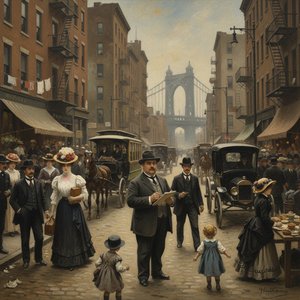
William Glackens: Capturing Modern American Life with Ashcan Realism
Explore the life & art of William Glackens, a pioneer of American Realism and founding member of the Ashcan School. Discover his vibrant depictions of early 20th-century New York & Paris. Learn about his influences & lasting legacy.

