


 Переглянути в інтер'єрі
 Надіслати як листівку
 Поділитися
 Детальніше

 Завантажити
 Схожі експонати
 Рентгенівське дослідження
 Слайд-шоу
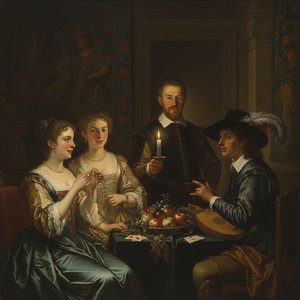
King Drinks

 Читати далі
Гікле / Художній принт
Музейна якість друку جيкле або на полотні з оперативним виготовленням та різноманітними варіантами фінішної обробки. ( Замовити репродукцію ручної роботи Купити цифрове зображення)




































Обирайте з наших стандартних розмірів, що відповідають оригінальним пропорціям твору мистецтва.

Ви можете вказати власні розміри, щоб репродукція ідеально підійшла до конкретної рами або інтер'єру. Якщо обраний вами розмір не відповідає пропорціям оригіналу, ми або обріжемо полотно, або розширимо зображення за допомогою дзеркального відображення чи суцільної заливки країв. Перед початком виробництва вам буде надіслано цифровий макет для затвердження.
Будь ласка, зверніть увагу, що попередній перегляд на екрані не відображає фактичне обрізання або розширення. Тільки макет точно покаже фінальну композицію.
Хоча можливість замовлення індивідуальних розмірів доступна, ми рекомендуємо обирати формат із попередньо визначеного списку, щоб зберегти оригінальні пропорції.
Доставка по всьому світу () за 2 тижні замість стандартних 4/5 тижнів. (14 Серпень)

Безкоштовна експрес-доставка по всьому світу

Високоякісне лляне полотно

Повне страхове покриття доставки

Гарантія відшкодування митних зборів

Гарантія точного відтворення кольорів

Політика повернення протягом 60 днів (лише у разі виявлення дефектів)

Гарантія повернення 100% коштів

Пропозиція на оптові замовлення
 Скляний варіант доступний лише для розмірів до 110 см

King Drinks
Гікле / Художній принт
Розмір репродукції
-


Підсумкова вартість
$ 62
Схожі твори мистецтва


Біографія митця
Willem van Herp (1614 - 1677): A Flemish Baroque Master Shaping Genre and Faith
Willem van Herp the Elder, a name perhaps less immediately recognizable than those of Rubens or Van Dyck, nevertheless holds a prominent place within the vibrant artistic panorama of 17th-century Flanders. Born around 1614 in Antwerp—a city brimming with commercial dynamism and burgeoning artistic innovation—van Herp dedicated his life to capturing scenes both sacred and secular, imbuing them with the distinctive spirit of Baroque art. While initial scholarly assessments initially positioned him firmly within Peter Paul Rubens’s workshop, meticulous research has subsequently revealed a more nuanced picture: he wasn't Rubens’s protégé, yet undeniably shaped by the master’s stylistic vision.
Early Training and Artistic Foundations
- Damiaan Wortelmans II served as his initial mentor, providing him with a solid grounding in artistic principles.
- Hans Biermans further honed his skills, fostering a disciplined approach to drawing and composition.
Guild Membership and Independence
Van Herp formally registered as an independent master in the Guild of St. Luke in 1637—a pivotal moment signifying his establishment as a professional artist and marking the commencement of his prolific creative journey.
Genre Painting: Capturing Everyday Life
- His genre paintings, such as “A Poor Company at Table in a Rustic Kitchen,” stand out for their remarkable ability to distill complex human experience into deceptively simple visual narratives.
- These works exemplify van Herp’s keen observational acuity and empathetic understanding of the lives of ordinary people—a characteristic that distinguishes him from many of his contemporaries who favored grand historical subjects or aristocratic portraits.
Religious Art: Baroque Symbolism and Dramatic Expression
- Van Herp produced numerous religious compositions, notably “Daniel in the Lion’s Den,” demonstrating his mastery of Baroque artistic conventions.
- These paintings are characterized by dynamic movement, theatrical lighting, and expressive figures—techniques that convey profound spiritual emotion and underscore the grandeur of biblical narratives.
Influence and Artistic Legacy
Van Herp’s artistic output was profoundly influenced by a constellation of masters—Rubens, Anthony van Dyck, Jacob Jordaens, Gerard Seghers, Jan Boeckhorst, Hendrick van Balen, Erasmus Quellinus the Younger, Gaspar de Crayer and Artus Wolffort. He skillfully assimilated stylistic elements from Italian luminaries like Raphael and Guido Reni, reflecting a broader engagement with European artistic currents.
Furthermore, his frequent use of prints after established compositions—a commonplace practice during this period—facilitated access to influential imagery and enabled him to refine his technique while maintaining an unwavering commitment to stylistic integrity. His enduring legacy resides in his contribution to the dissemination of Flemish Baroque art across Europe and beyond.
International Recognition and Artistic Production
- He collaborated extensively with fellow artists like Jan van Kessel the Elder, Lambert de Hondt the elder, and Guillam Forchondt—often contributing figures to landscape paintings.
- His involvement in creating “paradise landscapes”—idyllic depictions of the Garden of Eden teeming with animals—further underscores his versatility and responsiveness to prevailing artistic tastes.
A Workshop of Innovation: Copper Painting and Artistic Diffusion
Van Herp operated a large workshop, employing an almost industrial approach to production—a hallmark of the era—primarily to satisfy growing demand for decorative artworks. Many of his paintings were specifically designed for export, notably to Spain, thereby propelling Flemish Baroque style internationally and shaping copper painting techniques.
Family Legacy
He married Maria Wolffort, daughter of Artus Wolffort, and fathered Norbertus and Willem (II) van Herp—both accomplished painters—ensuring that his artistic lineage persisted for generations to come.

Вільям ван Герп Старший
1614 - 1677 , Бельгия
Короткі факти
- Artistic Movement Or Style: Бароко
- Artists Or Movements Influenced By This Artist: ['Фламандское барокко']
- Artists Who Influenced This Artist:
- ПETER PAUL RUBENS
- ХАНС БЕРМАНС
- Date Of Birth: Прибл. 1614 р.
- Full Name: Вільям ван Герп Старший
- Nationality: Фламандський
- Notable Artworks:
- Сцена из жизни крестьянской семьи
- Даниил в львах
- Place Of Birth: Антверпен, Бельгія
Пов'язані статті

Rembrandt van Rijn: A Life Illuminated – Innovation, Emotion, and the Dutch Golden Age
Explore the life & art of Rembrandt van Rijn, a Dutch Golden Age master. Discover his innovative techniques, iconic paintings like 'The Night Watch', and enduring legacy. Expert insights for collectors & enthusiasts.

Giuseppe Maria Crespi: Pioneering Genre Painting & the Bolognese Baroque
Explore the life & art of Giuseppe Maria Crespi, a pivotal Bolognese Baroque painter. Discover his groundbreaking genre scenes, religious works, and lasting influence on Italian art history. Learn more at ArtsDot.

Jacob Jordaens: Baroque Dynamism & Genre Innovation of the Antwerp School
Discover Jacob Jordaens, a leading Flemish Baroque painter renowned for his dynamic compositions & realistic genre scenes. Explore his life, art, and lasting influence with ArtsDot.

Willem van de Velde the Elder: Master of Maritime Painting & Chronicler of the Dutch Golden Age
Discover the captivating maritime paintings of Willem van de Velde the Elder, a master chronicler of the Dutch Golden Age. Explore his unparalleled realism and lasting influence on naval art history.
Gerard van Honthorst: Illuminating the Dutch Golden Age with Caravaggism & Courtly Grace
Explore the captivating world of Gerard van Honthorst, a Dutch Golden Age master renowned for his dramatic chiaroscuro & courtly portraits. Discover his life, art, and lasting influence on Baroque painting.

