

 Переглянути в інтер'єрі
 Надіслати
 Поділитися
 Деталі

 Завантажити
 Схожі експонати
 Рентгенівське дослідження
 Слайд-шоу
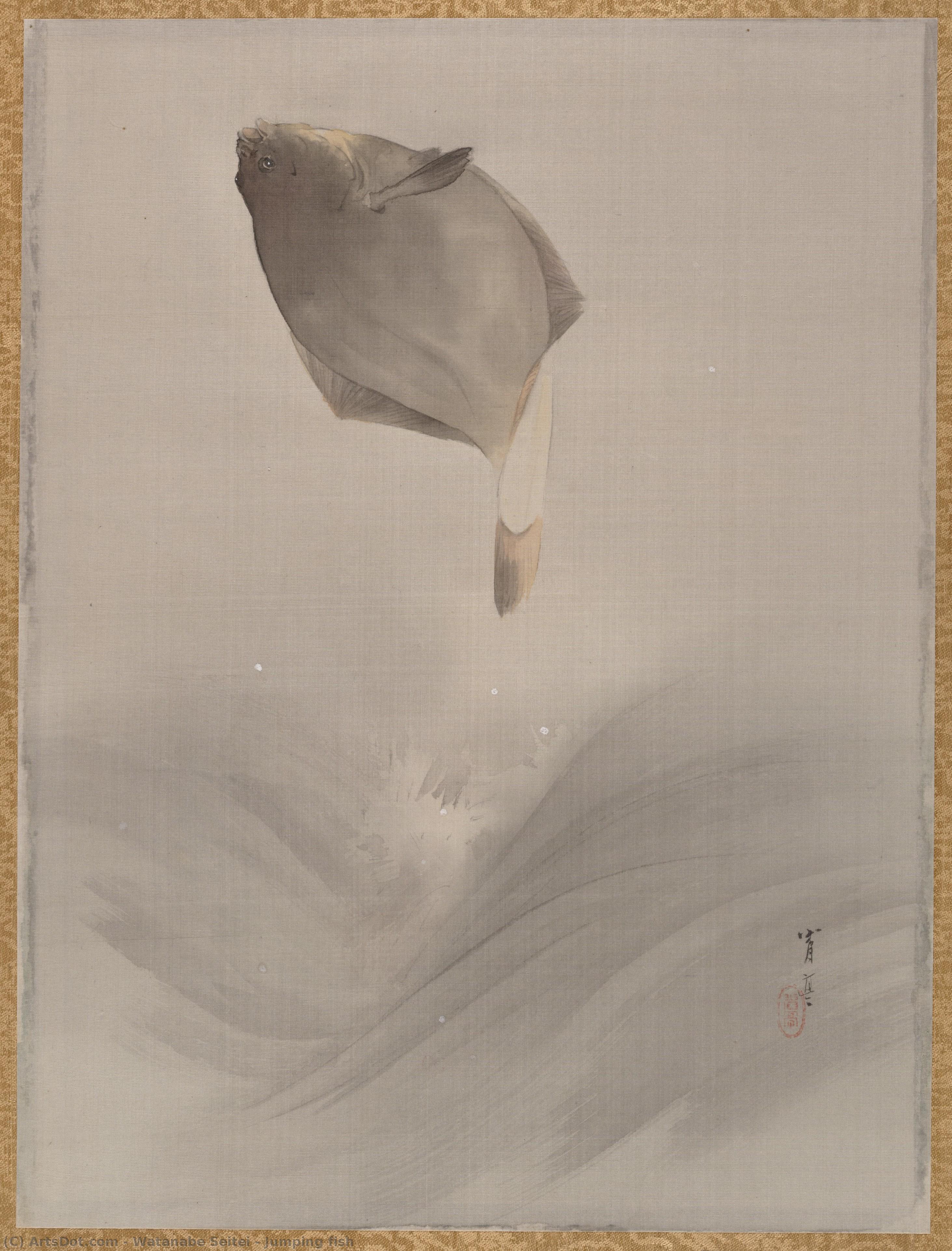
Jumping fish


 Читати далі
Придбайте цифрову копію високої роздільної здатності з покращеною якістю, що значно перевершує онлайн-перегляд.
Кожен файл ретельно підготовлений нашими фахівцями за допомогою сучасних інструментів та професійної ручної ретуші. Ми гарантуємо виняткову чіткість, точну передачу кольору та високу деталізацію кожного зображення.
Фінальний файл надсилається електронною поштою протягом 72 годин і оптимізований для негайного використання у професійних виданнях та друкованих матеріалах. Таку якість обирають провідні дизайнерські студії, видавництва та галереї.
Цифрове зображення
Завантажте файл високої роздільної здатності для особистого перегляду, друку та творчих проєктів. ( Перейти до друку Перейти до замовлення ручного розпису)
Що входить у кожне замовлення цифрових зображень
Професійна цифрова доставка з гарантією якості
Обираючи ArtsDot.com, ви отримуєте не просто зображення — ви отримуєте професійно вдосконалений цифровий витвір мистецтва, створений з надзвичайною точністю та підкріплений гарантією задоволення. Ось усе, що автоматично додається до вашого замовлення:

Швидка доставка на email
Ваш цифровий файл із зображенням високої роздільної здатності буде надісланий вам електронною поштою протягом 72 годин після оформлення замовлення — він буде готовий до негайного використання.

Цифровий файл із покращенням ШІ
Ваш витвір мистецтва професійно оптимізовано за допомогою передових інструментів штучного інтелекту та ручної корекції, що забезпечує максимальну деталізацію, чіткість і точність передачі кольорів.

Безкоштовне повторне завантаження назавжди
Випадково видалили або втратили файл? Не хвилюйтеся — ми надішлемо його вам повторно в будь-який час безкоштовно.

Без митних зборів — завжди
Насолоджуйтесь вашим витвором мистецтва миттєво без жодних мит, зборів або плати за доставку — цифрові завантаження завжди не оподатковуються.

Гарантія точності кольорів
Ми гарантуємо максимально точне відтворення оригінальних кольорів на вашому цифровому зображенні завдяки використанню професійних інструментів та систем управління кольором.

Гарантія задоволення протягом 60 днів
Якщо ви не задоволені придбаним цифровим зображенням, ми відкоригуємо його або повернемо 100% вартості протягом 60 днів — без жодних запитань.

Гарантія повернення 100% коштів
Не задоволені покупкою? Отримайте повне повернення коштів протягом 60 днів після отримання цифрового файлу — без жодних запитань.

Знижки на оптові замовлення
Купуйте 3 зображення — заощаджуйте 10% — Купуйте 5 — заощаджуйте 15% — Купуйте 10+ — заощаджуйте 20%. Чудово підходить для творчих проєктів, галерей та агентств.
Схожі твори мистецтва


Біографія митця
Watanabe Seitei: A Harmonious Bridge Between East and West
The world of early 20th-century Japanese art is rich with figures who navigated the complex currents of modernization, seeking to reconcile tradition with the allure of the West. Among these pioneers stands Watanabe Seitei (1852–1918), a master of *kachōga* – bird and flower paintings – whose work represents a remarkable synthesis of Chinese landscape aesthetics, Western realism, and deeply rooted Japanese sensibilities. Seitei’s journey, marked by travel, experimentation, and a quiet dedication to his craft, offers a fascinating glimpse into the artistic ferment of a nation undergoing rapid transformation.
Born Yoshikawa Yoshimata in Edo (modern-day Tokyo), Seitei's early life was shaped by exposure to traditional Japanese arts. He began his training at the age of sixteen under Kikuchi Yōsai, a prominent figure known for his innovative approach to *Nihonga* – Japanese-style painting, which emphasized brushwork and subject matter distinct from Western techniques. This foundational experience instilled in him a deep appreciation for the subtle nuances of ink wash painting and the evocative power of nature imagery. Following his brief apprenticeship with Shibata Zeshin, he embarked on a pivotal chapter of his life: a journey to Europe in 1878.
The Parisian Encounter and Artistic Evolution
Seitei’s arrival in Paris marked a turning point, not just for him personally but also for the trajectory of Japanese art. He participated in the International Exposition of 1878, an event that served as a crucial gateway for Japanese artists to engage with Western culture and artistic trends. This exposure ignited within him a desire to incorporate elements of Western realism into his own style – a daring move at a time when *Nihonga* was largely defined by its adherence to established conventions. He spent the next three years in Paris, immersing himself in the art world and forging connections with influential figures like Tadamasa Hayashi, an American art dealer who championed Japanese artists.
During his Parisian sojourn, Seitei’s style began to evolve dramatically. He absorbed Western techniques of perspective, composition, and color rendering while retaining the core principles of *Nihonga*, such as the emphasis on brushwork and the depiction of nature's essence. This fusion resulted in a unique artistic voice – one that blended the serene beauty of Chinese landscape painting with the meticulous detail and realistic portrayal characteristic of Western art. His paintings began to feature more defined forms, brighter colors, and a greater sense of spatial depth, all while maintaining a profound connection to the natural world.
The Kacho-ga Style: A Delicate Balance
Seitei’s mastery lay particularly in his *kachōga* – bird and flower paintings. These works are not merely decorative; they are imbued with symbolic meaning and philosophical depth, reflecting a core tenet of Japanese aesthetics known as *wabi-sabi*, which celebrates the beauty of imperfection, transience, and simplicity. He meticulously rendered delicate blossoms like peonies, cherry blossoms, and chrysanthemons alongside graceful birds – often cranes, symbolizing longevity and good fortune – creating scenes that evoke a sense of quiet contemplation and harmony with nature.
His technique was characterized by a remarkable control of ink washes, layering subtle shades to create atmospheric effects and capture the ephemeral beauty of his subjects. He skillfully employed *sumi* (inkstick) and *mizusashi* (water container) to achieve varying tones and textures, demonstrating an intimate understanding of the medium. Furthermore, Seitei’s compositions often incorporated elements of Chinese landscape painting – distant mountains, flowing rivers, and sparse foliage – creating a sense of depth and perspective that was both visually engaging and spiritually resonant.
Legacy and Rediscovery
Upon his return to Japan in 1903, Seitei continued to produce paintings and designs for ceramics and cloisonné, collaborating with the renowned artisan Namikawa Sosuke. Despite his considerable talent and growing recognition, he largely withdrew from public life towards the end of his career, a decision that contributed to his relative obscurity for many years. However, in recent decades, there has been a renewed appreciation for Seitei’s work, fueled by scholarly research and exhibitions showcasing his unique artistic vision.
Today, Watanabe Seitei is recognized as one of the most important figures in the development of *Nihonga* during the Meiji era. His paintings stand as a testament to his ability to bridge Eastern and Western traditions, creating a harmonious synthesis that continues to captivate viewers with its beauty, serenity, and profound sense of connection to nature. His legacy serves as an inspiration for contemporary artists seeking to explore new ways of expressing themselves within the rich tapestry of Japanese art history.

watanabe seitei
1851 - 1918
Коротко про автора
- Artistic Movement Or Style: Nihonga, bird-and-flower painting
- Artists Or Movements Influenced By This Artist:
- Mizuno Toshikata
- Kaburagi Kiyokata
- Artists Who Influenced This Artist:
- Kikuchi Yōsai
- Shibata Zeshin
- Date Of Birth: January 18, 1852
- Date Of Death: April 2, 1918
- Full Name: Watanabe Seitei
- Nationality: Japanese
- Notable Artworks:
- Gold Fishes
- Ducks in the Rushes
- Roses, Young Bird & Butterfly
- Place Of Birth: Edo (Tokyo), Japan

