


 Переглянути в інтер'єрі
 Надіслати
 Поділитися
 Деталі
 Посібник

 Завантажити
 Схожі предмети колекціонування
 Рентгенівське дослідження
 Слайд-шоу
 Статистика переглядів
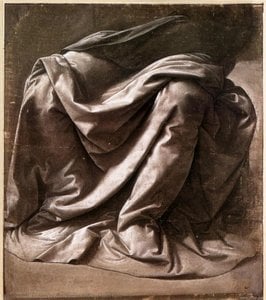
Study For 'a Bientot'
 Читати далі
Придбайте цифрову копію високої роздільної здатності з покращеною якістю, що значно перевершує онлайн-перегляд.
Кожен файл ретельно підготовлений нашими фахівцями за допомогою сучасних інструментів та професійної ручної ретуші. Ми гарантуємо виняткову чіткість, точну передачу кольору та високу деталізацію кожного зображення.
Фінальний файл надсилається електронною поштою протягом 72 годин і оптимізований для негайного використання у професійних виданнях та друкованих матеріалах. Таку якість обирають провідні дизайнерські студії, видавництва та галереї.
Цифрове зображення
Завантажте файл високої роздільної здатності для особистого використання, друку та творчих проєктів. ( Перейти до друку Купити картину ручної роботи)
Що входить у кожне замовлення цифрових зображень
Експертна цифрова доставка з гарантією якості
Обираючи ArtsDot.com, ви отримуєте не просто зображення — ви отримуєте професійно вдосконалений цифровий витвір мистецтва, створений з надзвичайною точністю та підкріплений гарантією задоволення. Ось усе, що автоматично додається до вашого замовлення:

Швидка доставка на email
Ваш цифровий файл із зображенням високої роздільної здатності буде надісланий вам електронною поштою протягом 72 годин після оформлення замовлення — він буде готовий до негайного використання.

Цифровий файл із покращенням ШІ
Ваш витвір мистецтва професійно оптимізовано за допомогою передових інструментів штучного інтелекту та ручної корекції, що забезпечує максимальну деталізацію, чіткість і точність передачі кольорів.

Безкоштовне повторне завантаження назавжди
Випадково видалили або втратили файл? Не хвилюйтеся — ми надішлемо його вам повторно в будь-який час безкоштовно.

Без митних зборів — завжди
Насолоджуйтесь вашим витвором мистецтва миттєво без жодних мит, зборів або плати за доставку — цифрові завантаження завжди не оподатковуються.

Гарантія точності кольорів
Ми гарантуємо максимально точне відтворення оригінальних кольорів на вашому цифровому зображенні завдяки використанню професійних інструментів та систем управління кольором.

100-денна гарантія задоволення клієнта
Якщо ви не задоволені придбаним цифровим зображенням, ми внесемо правки або повернемо 100% вартості протягом 100 днів — без зайвих запитань.

Гарантія повернення 100% коштів
Незадоволені покупкою? Отримайте повне повернення коштів протягом 100 днів після отримання цифрового файлу — без зайвих запитань.

Знижки на оптові замовлення
Купуйте 3 зображення — заощаджуйте 10% — Купуйте 5 — заощаджуйте 15% — Купуйте 10+ — заощаджуйте 20%. Чудово підходить для творчих проєктів, галерей та агентств.
Схожі твори мистецтва



Біографія митця
Valentine Cameron Prinsep: A Painter of Shadows and Empires
Valentine Cameron Prinsep, a name perhaps less familiar than those of his Pre-Raphaelite contemporaries, nevertheless holds a significant place in the artistic landscape of Victorian England. Born in 1838 amidst the bustling cultural scene of Calcutta, India – a city steeped in both colonial grandeur and vibrant tradition – he inherited a lineage deeply intertwined with art and intellectual circles. His mother, Sarah Monckton Pattle, was a sister of Julia Margaret Cameron, the pioneering photographer famed for her evocative portraits of Victorian luminaries, and Maria Jackson, grandmother to Virginia Woolf and Vanessa Bell—a familial network that subtly shaped his artistic trajectory from its very beginning. This connection to such influential figures provided him with an early exposure to creative pursuits and a sense of belonging within a community dedicated to beauty and innovation. The family’s return to England in 1843, settling at Little Holland House in Kensington, proved pivotal. This grand residence quickly transformed into a vibrant salon, a haven for artists, writers, and thinkers—a microcosm of the broader artistic ferment taking place across London. It was within these walls that Prinsep's artistic sensibilities truly began to blossom, nurtured by constant intellectual exchange and the presence of luminaries such as George Frederic Watts, who became his early mentor. Watts’ influence is particularly evident in Prinsep’s early works, characterized by a romantic sensibility and an interest in classical themes. A formative experience followed in 1856-57 when Prinsep accompanied Watts on an expedition to Sir Charles Thomas Newton’s excavations at Halicarnassus, a journey that ignited a passion for ancient civilizations and the power of historical narrative—a fascination that would permeate much of his later work. His formal training continued at Charles Gleyre's atelier in Paris, where he found himself surrounded by future masters like James Abbott McNeill Whistler, Edward Poynter, and George du Maurier – even serving as the inspiration for the character “Taffy” in Du Maurier’s celebrated novel *Trilby*.Pre-Raphaelite Affiliations and Artistic Development
Following his Parisian studies, Prinsep embarked on a period of travel through Italy, forging lasting friendships with Edward Burne-Jones and John Everett Millais. These encounters proved instrumental in solidifying his artistic direction, drawing him closer to the ideals of the Pre-Raphaelite Brotherhood. The Pre-Raphaelites, rejecting the academic conventions of their time, sought to revive the spirit of the early Renaissance, emphasizing beauty, truth, and imaginative storytelling. Prinsep’s work reflects this commitment to detail, symbolism, and a rejection of artificiality—a hallmark of the movement. He spent a winter in Rome in 1859-60, immersing himself in the artistic traditions of the city while maintaining contact with fellow Pre-Raphaelites like Rossetti and Burne-Jones. This period marked a crucial stage in his development as an artist, allowing him to refine his technique and explore new subject matter. A significant aspect of Prinsep’s artistic journey was his association with Robert Browning, the renowned poet. Their friendship fostered a shared appreciation for beauty, intellect, and the power of storytelling—influences that are evident in many of Prinsep's works. The pair spent time together in Italy during 1859-60, exchanging ideas and inspiring each other’s creative endeavors. This intellectual connection enriched Prinsep’s artistic vision, adding a layer of depth and complexity to his paintings. He actively participated in the decoration of the Oxford Union Hall alongside Dante Gabriel Rossetti and other members of the movement, demonstrating a commitment to their shared aesthetic principles.Major Works and Themes
Prinsep's oeuvre is marked by a compelling blend of historical narratives, romantic themes, and insightful character studies. *Miriam Watching the Infant Moses* (1867), exhibited at the Royal Academy, stands as a significant example of his ability to imbue biblical scenes with emotional depth and Pre-Raphaelite detail—a masterful depiction of faith, motherhood, and divine protection. *A Venetian Lover* (1868) showcases his fascination with Italian settings and romantic entanglements, capturing the languid beauty of Venice and the complexities of human desire. *Bacchus and Ariadne* (1869), a vibrant and sensual painting, draws upon classical mythology—a recurring motif in his work, reflecting his interest in ancient cultures and their artistic traditions. *News from Abroad* (1871) exemplifies his talent for storytelling through painting, capturing a moment of anticipation and emotional connection amidst the bustle of a busy port. He also demonstrated a keen interest in depicting rural life and the working class with paintings like *The Linen Gatherers* (1876) and *The Gleaners* (1879), offering poignant glimpses into the lives of ordinary people. However, it was his large-scale commission, *Delhi Durbar* (1880), that brought him widespread recognition. This monumental work, commissioned by the Viceroy of India, Robert Bulwer-Lytton, meticulously documented a significant historical event—the proclamation of Queen Victoria as Empress of India. Presented to the Queen herself, it found its permanent home at Buckingham Palace, solidifying Prinsep’s reputation as a painter capable of capturing both grandeur and historical accuracy. Other notable works include *À Versailles* (1873), *The Emperor Theophilus Chooses His Wife* (1874), *The Broken Idol* (1876) and *The Goose Girl* (1879).Later Life, Literary Pursuits, and Legacy
In 1884, Prinsep’s life took a fortunate turn with his marriage to Florence Leyland, daughter of the wealthy art collector Frederick Richards Leyland. This union provided him with financial security, allowing him to pursue diverse interests beyond painting. He became involved in business as a company director and landowner, demonstrating an entrepreneurial spirit alongside his artistic inclinations. Prinsep also turned his hand to writing, penning two plays—*Cousin Dick* and *Monsieur le Duc*, as well as two novels, and the travel journal *Imperial India*. A dedicated volunteer, he was one of the founders of the Artists Rifles, a testament to his sense of civic duty. Prinsep passed away in 1904 and was laid to rest alongside his wife Florence in Brompton Cemetery, London, marked by a distinctive Roman-style monument—a fitting tribute to a man who seamlessly blended artistic vision with a life of intellectual curiosity and public service. Valentine Cameron Prinsep’s legacy resides within the Pre-Raphaelite movement as a skilled painter who explored diverse themes while maintaining connections to prominent artists of his time. His work offers valuable insight into Victorian artistic trends and social concerns, particularly regarding depictions of historical events and working-class life. *Delhi Durbar*, in particular, remains a significant document of British imperial history, offering a glimpse into the splendor—and complexities—of colonial India.
Вале́нтин Камеро́нович При́нцеп
1838 - 1904 , Індія
Коротко про автора
- Artistic Movement Or Style: Прерафаелізм
- Artists Or Movements Influenced By This Artist:
- Россетти
- Прерафаелітів
- Artists Who Influenced This Artist:
- Джордж Фредерик Уатт
- Едвард Берне-Джонс
- Фредерик Лейтон
- Date Of Birth: 1838
- Date Of Death: 1904
- Full Name: Valentine Cameron Prinsep
- Nationality: Британський
- Notable Artworks:
- Miriam Watching...
- A Venetian Lover
- Bacchus and Ariadne
- Place Of Birth: Калькутта, Індія