


 Переглянути в інтер'єрі
 Надіслати
 Поділитися
 Деталі
 Посібник

 Завантажити
 Схожі предмети колекціонування
 Рентгенівське дослідження
 Слайд-шоу
 Статистика переглядів
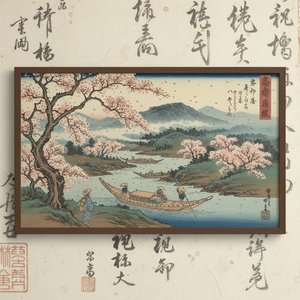
Wakasa


 Читати далі
Гікле / Художній принт
Музейна якість друку جيкле або на полотні з оперативним виготовленням та різноманітними варіантами фінішної обробки. ( Купити картину ручної роботи Перейти до цифрових зображень)




P118B $10

P118H $10

P118W $10

P438Z $10

P508JH $12

P508YH $12

P805H $10

P805Z $10

P919BZ $10

P919G $10

P919XJ $10

P959ZH $10

P968JZ $12

W106C $8

W218G $10

W218JH $8

W218Y $10

W307PJ $10

W316G $10

W316PJ $8

W316Y $10

W398PJ $8

W4111J $10

W500HY $15

W500JH $15

W692G $12

W849H $8

W940BG $15

W953PJ $8




Обирайте з наших стандартних розмірів, що відповідають оригінальним пропорціям твору мистецтва.

Ви можете вказати власні розміри, щоб репродукція ідеально підійшла до конкретної рами або інтер'єру. Якщо обраний вами розмір не відповідає пропорціям оригіналу, ми або обріжемо полотно, або розширимо зображення за допомогою дзеркального відображення чи суцільної заливки країв. Перед початком виробництва вам буде надіслано цифровий макет для затвердження.
Будь ласка, зверніть увагу, що попередній перегляд на екрані не відображає фактичне обрізання або розширення. Тільки макет точно покаже фінальну композицію.
Хоча можливість замовлення індивідуальних розмірів доступна, ми рекомендуємо обирати формат із попередньо визначеного списку, щоб зберегти оригінальні пропорції.
Доставка по всьому світу () за 2 тижні замість стандартних 4/5 тижнів. (27 Вересень)

Безкоштовна експрес-доставка по всьому світу

Високоякісне лляне полотно

Повне страхове покриття доставки

Гарантія повернення митних зборів

Гарантія точного відтворення кольорів

Політика повернення протягом 100 днів (лише у разі виявлення дефектів)

Гарантія повернення 100% коштів

Знижка на оптові замовлення
 Скляний варіант доступний лише для розмірів до 110 см

Wakasa
Гікле / Художній принт
Розмір репродукції
-


Загальна вартість
$ 62
A Poetic Vision of Edo Japan: The Life and Art of Utagawa Hiroshige
Utagawa Hiroshige (1797-1858) stands as an unparalleled luminary in the realm of *ukiyo-e*, or “pictures of the floating world,” forever etching his name into the annals of Japanese art history. More than merely capturing visual impressions, Hiroshige possessed a singular ability to distill the spirit of Edo Japan—a period characterized by burgeoning urban growth, social stratification, and an evolving cultural landscape—into breathtaking landscapes imbued with profound emotional resonance. His artistic journey began humbly, apprenticed under Utagawa Toyohiro, mastering the intricate craft of woodblock printing while simultaneously cultivating a deeply personal aesthetic rooted in observation and contemplation. This formative experience would ultimately shape his distinctive style and propel him to become Japan’s final great *ukiyo-e* master, leaving an indelible mark on both Japanese artistic tradition and its subsequent influence on Western art movements like Impressionism.- Subject Matter & Composition: Hiroshige's canvases rarely depict grand narratives or heroic figures; instead, he favored serene scenes of nature—mountain vistas, riverscapes, cherry blossoms in bloom—often populated by solitary travelers or fishermen. These subjects were deliberately chosen to evoke feelings of tranquility and contemplation, mirroring the philosophical currents prevalent during his time.
- Style & Technique: Hiroshige’s signature style is defined by its meticulous attention to detail and masterful use of perspective—particularly *ma*, or negative space—to create a sense of depth and atmosphere. He employed a technique known as *bokashi*, blending tonal gradations with subtle shading to achieve remarkable realism while simultaneously conveying an ethereal quality.
The Fifty-Three Stations of the Tōkaidō: A Journey Through Time & Landscape
Perhaps Hiroshige’s most celebrated series, “The Fifty-Three Stations of the Tōkaidō,” exemplifies his artistic prowess and captures the essence of Edo Japan's commercial artery. This ambitious undertaking involved painstakingly documenting each station along the Tokaido highway—the main route connecting Kyoto and Tokyo—resulting in sixty-six prints that offer a panoramic view of the region’s topography, flora, and fauna. Each print is rendered with breathtaking precision, capturing not only the physical environment but also the subtle nuances of daily life—farmers tending their fields, merchants traversing the road, pilgrims embarking on sacred pilgrimages.- Symbolism & Emotion: Hiroshige’s landscapes are laden with symbolic meaning. Cherry blossoms represent impermanence and beauty fleetingly grasped; mountains symbolize strength and resilience—themes central to Zen Buddhism, which profoundly influenced Japanese culture during Hiroshige's lifetime.
- Influence on Impressionism: Hiroshige’s innovative use of *ma* and tonal gradations captivated European artists like Claude Monet and Vincent van Gogh who were experimenting with new approaches to painting. They recognized in Hiroshige’s work a kindred spirit—a desire to capture the immediacy of experience and convey emotion through color and light, mirroring the core tenets of Impressionism.
Hiroshige's Legacy: An Enduring Aesthetic Influence
Despite the decline of *ukiyo-e* by the late 19th century due to shifting economic conditions and Western artistic dominance, Hiroshige’s influence continues to resonate today. His landscapes remain admired for their beauty, tranquility, and masterful execution—inspiring artists and designers alike. Reproductions of his prints adorn homes and galleries worldwide, testifying to the enduring power of his vision—a testament to a Japanese artist who transformed landscape painting into an art form capable of conveying profound emotional depth and capturing the sublime spirit of Edo Japan.Схожі твори мистецтва


Біографія митця
A Poetic Vision of Edo Japan: The Life and Art of Utagawa Hiroshige
Utagawa Hiroshige, born Andō Tokutarō in 1797 in the bustling city of Edo (modern Tokyo), stands as a pivotal figure in the world of *ukiyo-e*, or “pictures of the floating world.” Though deeply rooted in the traditions of Japanese woodblock printing, Hiroshige transcended mere replication, imbuing his landscapes with a poetic sensibility that resonated profoundly both within Japan and, later, across the Western art world. His life unfolded during a period of relative peace and prosperity under the Tokugawa shogunate, yet also one marked by increasing social change and eventual westernization – forces that would ultimately contribute to the decline of *ukiyo-e* even as they amplified Hiroshige’s enduring legacy. Initially destined for a more conventional path within a samurai family—his father served as a fire warden—Hiroshige's artistic inclinations led him to apprenticeship under Utagawa Toyohiro, a master of the Utagawa school. This proved a crucial turning point, steering him away from the popular depictions of courtesans and actors favored by many *ukiyo-e* artists toward a focus on landscape, a genre he would ultimately redefine.From Genre Scenes to Evocative Landscapes
Hiroshige’s early work adhered to the conventions of his school, featuring portraits and scenes from daily life. However, it was his embrace of landscape that truly distinguished him. Influenced by earlier masters like Hokusai—whose *Thirty-six Views of Mount Fuji* had already captivated audiences—Hiroshige developed a unique style characterized by atmospheric perspective, subtle color palettes, and a profound sensitivity to the changing seasons. He didn’t merely depict places; he evoked their mood, capturing the essence of a particular moment in time. The series *The Fifty-three Stations of the Tōkaidō* (1833–1834), perhaps his most celebrated achievement, exemplifies this approach. This monumental work documented the journey along the Tōkaidō road, the main route connecting Edo to Kyoto, not as a straightforward travelogue but as a series of evocative vignettes—a sudden rain shower at Shono, a distant view of Mount Fuji from Kanaya, the bustling activity at Odawara. Each print is imbued with a sense of transience and quiet beauty, inviting viewers to experience the journey alongside the travelers. He masterfully employed *bokashi*, a technique involving multiple impressions to create subtle gradations of color, adding depth and atmosphere to his compositions. The prints often feature a delicate balance between foreground detail and distant haze, creating a powerful illusion of space and drawing the viewer into the scene.A Master of Atmosphere and Technique
Hiroshige’s technical skill was as remarkable as his artistic vision. He wasn't simply interested in accurate representation; he sought to capture the *feeling* of a place. His use of color, though often restrained compared to some of his contemporaries, was crucial in achieving this effect. He frequently employed multiple blocks for a single color, allowing him to create nuanced shades and atmospheric effects that were incredibly difficult to replicate. The delicate washes of blue in his depictions of rain or mist, the warm hues of autumn foliage—these weren’t accidental; they were carefully considered elements designed to evoke specific emotions and sensations. Beyond *bokashi*, Hiroshige was adept at utilizing blank space – *ma* – a concept central to Japanese aesthetics, allowing areas of the print to “breathe” and enhancing the overall sense of tranquility. His series *One Hundred Famous Views of Edo* (1856–1858) further showcased his mastery, offering intimate glimpses into the life and landscapes of his beloved city. These prints are not simply depictions of buildings and streets; they are carefully constructed compositions that capture the energy and dynamism of Edo’s urban sprawl.Influence and Legacy
Hiroshige's work profoundly influenced both Japanese and Western art. His innovative use of color, composition, and atmospheric perspective paved the way for later generations of landscape artists. The *Fifty-three Stations of the Tōkaidō* series, in particular, became a model for subsequent travel prints. Furthermore, Hiroshige’s work played a significant role in the development of *Japonisme*, the craze for Japanese art that swept through Europe in the late 19th century. Artists like Monet, Degas, and Van Gogh were deeply inspired by his prints, incorporating elements of his style—particularly his use of color and atmospheric perspective—into their own paintings. Vincent van Gogh, in particular, created a series of copies of Hiroshige’s *Plum Park in Kameido*, demonstrating his profound admiration for the Japanese master's ability to capture the fleeting beauty of nature. Hiroshige’s legacy extends beyond individual artists; he helped to elevate landscape prints from mere illustrations to respected forms of artistic expression, shaping the course of Japanese art history and influencing the aesthetic sensibilities of a global audience.Notable Works
- The Fifty-three Stations of the Tōkaidō: Hiroshige’s most famous series, depicting the journey along the main road between Edo and Kyoto.
- One Hundred Famous Views of Edo: A captivating portrayal of life and landscapes in his beloved city.
- Influence on Vincent van Gogh's Japonaiserie Series: Including “Flowering Plum Tree after Hiroshige,” demonstrating Van Gogh’s deep admiration for the Japanese master.

Утагава Гірошіге
1797 - 1858 , Японія
Довідкова інформація
- Artistic Movement Or Style: *Ukiyo-e*
- Artists Or Movements Influenced By This Artist:
- Manet
- Monet
- Van Gogh
- Artists Who Influenced This Artist: ['Hokusai']
- Date Of Birth: 1797
- Date Of Death: 1858
- Full Name: Utagawa Hiroshige
- Nationality: Японський
- Notable Artworks:
- Пятьдесят три станції Тōkaidō
- Сто знаменитых видов Эдо
- Place Of Birth: Токіо, Японія
Схожі статті

Ukiyo-e's Poetic Visionary: Hiroshige Ando & the Transformation of Landscape in 19th-Century Japan
Explore the life & art of Ando Hiroshige, Japan's last great ukiyo-e master. Discover his iconic landscapes, poetic style, and profound influence on Western Impressionism. Learn about The Fifty-Three Stations & more!
Ephemeral Landscapes: Hiroshige's Poetics of Transient Beauty in Edo Japan
Explore the captivating world of Utagawa Hiroshige's ukiyo-e landscapes. Discover his artistic innovations, influence on Western art, and the poetics of transient beauty in Edo period Japan. A guide for collectors & enthusiasts.

Utagawa Kuniyoshi: A Master of Japanese Ukiyo-e – Narrative Innovation & the Fusion of Tradition with Popular Culture
Explore the captivating world of Utagawa Kuniyoshi, a master of Japanese ukiyo-e woodblock prints. Discover his innovative warrior scenes, vibrant landscapes & lasting legacy in 19th-century art history.

25 шедеврів Кацусіки Хокусая: мистецтво Японії для вашого дому | ArtsDot
Відкрийте 25 культових робіт Кацусіки Хокусая! Гравюри укійо-е, легендарна "Хвиля", пейзажі Фудзі та неймовірний світ японського мистецтва. Репродукції картин преміум-класу для вашого дому на ArtsDot.com.

Топ-10 шедеврів романтичного пейзажу: мистецтво, що захоплює дух | ArtsDot
Відкрийте для себе 10 шедеврів романтичного пейзажу! Каспар Давид Фрідріх, Тернер та інші майстри. Історія мистецтва, емоційні кольори природи та ідеї декору з ArtsDot.com. Дослідіть колекцію онлайн!


