


The picture follows your choices: , .
Опис експоната
Examine 'The Melksham Ox' by Thomas Barker – a meticulously detailed oil painting of an animal skull in Dutch Golden Age style. Explore its symbolism & artistic technique.
Біографія митця
Томас Баркер (1769-1847), відомий як «Баркер з Бата», був британським художником, що прославився ідилічними пейзажами та сільськими сценами. Під впливом Гейнсборо він зображував життя селян. Відкрийте його спадщину!
 Розгорнути текст
Олійная репродукція ручної роботи
Написана вручну олією на полотні у вашому розмірі та рамі, виготовлена на замовлення нашими художниками. ( Перейти до друку Перейти до цифрових зображень)
More about this painting
 Переглянути в інтер'єрі
 Надіслати як листівку
 Поділитися
 Деталі витвору
 Посібник

 Завантажити
 Схожі екземпляри
 Рентгенівське дослідження
 Слайд-шоу
 Q&A
Q&A Статистика
Order your painting in four simple steps
Take your time. You can change any answer; the price in your order card follows each choice.
1 Step one of four
Which size would you like?
These sizes keep the proportions of the original painting. The drawing shows your choice on a wall, above a two-metre sofa.
Or give your own measurements
Обирайте з наших стандартних розмірів, що відповідають оригінальним пропорціям твору мистецтва.

Введіть необхідну ширину та висоту, щоб картина підійшла до вашої рами або стіни. Оскільки це ручний розпис, для зміни пропорцій художник може дописати трохи більше по краях або дещо обрізати композицію — вибір за вами. Перед початком роботи ми надішлемо вам цифровий макет для затвердження. Зображення, показане на цій сторінці, не є реальним результатом — лише макет відображає майбутній вигляд.
2 Step two of four
How should it be prepared: rolled, stretched or framed?
The prices below are for the size you chose in step one.
Choose the edges of the stretched canvas
Choose your frame

White ₴1

Blurside ₴1

Extended ₴1

P118B ₴10

P118H ₴10

P118W ₴10

P438Z ₴10

P508JH ₴12

P508YH ₴12

P805H ₴10

P805Z ₴10

P919BZ ₴10

P919G ₴10

P919XJ ₴10

P959ZH ₴10

P968JZ ₴12

W106C ₴8

W218G ₴10

W218JH ₴8

W218Y ₴10

W307PJ ₴10

W316G ₴10

W316PJ ₴8

W316Y ₴10

W398PJ ₴8

W4111J ₴10

W500HY ₴15

W500JH ₴15

W692G ₴12

W849H ₴8

W940BG ₴15

W953PJ ₴8

H24-GOLD ₴30

H24-SILVER ₴30

H36-GOLD ₴45

H36-SILVER ₴45
У рамі
Moulding: . Overall size with the frame: .
3 Step three of four
Would you like anything changed in the painting?
Most people answer no. Because each painting is made by hand, our artist can also adapt it for you.
After order, ArtsDot.com team will email client for instructions and provide a mockup preview
4 Step four of four
A few finishing options
All of them are optional. The answers already selected cost nothing extra.
Who paints it?
Доставка по всьому світу () за 3–4 тижні замість стандартних 5 тижнів. (2 Листопад). Без жодних компромісів у якості.
A nameplate, as in a museum?
Деталі гравірування на бронзовій табличці
This elegant plaque features the artist's name and the title of the artwork, finely engraved for a timeless presentation.
It is made from bronze with a refined, elegant finish. The text is precisely laser-engraved for a sharp and permanent result. Measuring 9x2 cm, the plaque is compact yet easy to read. It's built to be durable and scratch-resistant, offering a professional, museum-quality look. Mounting is simple thanks to the included adhesive backing.
Деталі прозорої акрилової таблички
The plaque includes essential engraved details such as the artist's name, the title of the artwork, the date it was created, the type of media used-like oil on canvas or watercolor-a brief description of the piece, and a QR code that links to the complete artwork information.
It is crafted from clear acrylic, offering a sleek, modern appearance. The text is UV-engraved in black to ensure strong visual contrast. With a size of 10x15 cm, it ensures optimal readability. It comes equipped with two metal hooks for secure wall mounting. The plaque is designed to be weather-resistant, making it suitable for various environments, and it includes interactive features that work seamlessly with smartphone scanning.
Деталі чорної акрилової таблички
This elegant plaque includes engraved information such as the artist's name, the title of the artwork, the date it was created, the type of media used (like oil on canvas or watercolor), a short description of the artwork, and a QR code for quick access to more information.
The plaque itself is made from refined black acrylic with a premium finish. The text is laser-engraved in white for high contrast and readability. Its size is 10x15 cm, designed to be easy to read. It comes with two metal hooks for professional mounting. The design is sleek and fits any interior style. It is also weather-resistant and durable, with built-in digital integration for mobile compatibility.
A protective varnish?
When do you need it?
✓ Check and order
Your painting, as you ordered it

The Melksham Ox
Матеріал репродукції
Розмір репродукції
-

Видатний майстер-художник
Більше деталізації, витонченості та додаткового часу на створення твору
-

Рама для репродукції
-
-
Для творів мистецтва або репродукцій, розмір яких перевищує 105 см (приблизно 41 дюйм) з будь-якого боку, рама доставляється у вигляді розібраного комплекту. Такий метод гарантує безпечну доставку та запобігає пошкодженням під час транспортування.
Потребує професійного збирання — це не продукт для самостійного виготовлення (DIY).
Комплект має бути зібраний, а полотно натягнуте досвідченим майстром багетних робіт із використанням клейового дерева (не входить у комплект), щипців для натягування полотна та затискачів, щоб підрамник залишався рівним під час висихання клею. Неправильне збирання або нерівномірне натягування полотна може призвести до незворотного пошкодження твору мистецтва, що не підпадає під дію нашої гарантії.
 Для творів мистецтва або репродукцій, розмір яких перевищує 105 см (приблизно 41 дюйм) з будь-якого боку, рама доставляється у вигляді розібраного комплекту. Такий метод гарантує безпечну доставку та запобігає пошкодженням під час транспортування.
У комплект входять усі бруски з цільного дерева, точно вирізані за розміром.
Збирається за допомогою гвинтів, що входять до комплекту, а також клейового розчину для кутових з'єднань, який не входить до комплекту і має бути підготовлений вашим майстром.
Потрібні професійні інструменти, які не входять до комплекту: щипці для натягування полотна (натягувач) та затискачі, щоб утримувати рейки рівно під час висихання клею.
Важливо:
Для з'єднання кутів потрібен клей для дерева, перекладини необхідно затиснути струбцинами до повного висихання клею, а для натягування полотна на зібрану раму знадобляться щипці для натягування полотна. Жоден із цих інструментів не входить до комплекту. Будь ласка, проконсультуйтеся з досвідченим майстром багетного оформлення перед замовленням рами такого розміру.

Етикетка експоната
-
-

Захисний лак
Глянцевий лак (підсилює яскравість кольорів, захищає від світла та вологи)
-

Персоналізувати мій витвір
Приклади можливих змін: заміна обличчя на фото клієнта; додавання домашньої тварини (наприклад, заміна кота на собаку); додавання прихованого повідомлення на фоні; зміна пейзажу або елементів фону.
-

Прискорено
Доставка по всьому світу () за 3–4 тижні замість стандартних 5 тижнів. (2 Листопад). Без компромісів у якості.
-
Експрес-доставка
Доставка по всьому світу () протягом 5 тижнів. (9 Листопад).
Включено в ціну
Підсумкова вартість
₴ 11866
Скляний варіант доступний лише для розмірів до 110 см
Included with every order
- Безкоштовна експрес-доставка по всьому світу
- Високоякісне лляне полотно
- Повне страхове покриття доставки
- Гарантія повернення митних зборів
- Гарантія точного відтворення кольорів
- Політика повернення протягом 100 днів (лише у разі виявлення дефектів)
- Гарантія повернення 100% коштів
- Пропозиція на оптові замовлення


Схожі твори мистецтва


Томас Баркер
1769 - 1847, Сполучені Штати Америки
Біографія митця
Пасторальна душа Баркера з Бата
У м'яких, хвилястих ландшафтах початку дев'ятнадцятого століття мало яке ім'я могло так ефективно викликати спокійний шарм англійської сільської місцевості, як Томас Баркер. Відомий своїм сучасникам та історикам мистецтва під ласкавим прізвиськом Баркер з Бата, цей самоучка володів рідкісним даром втілювати ритмічну простоту сільського життя. Народившись у 1769 році в Тросант, неподалік від селища Понтіпул, Баркер пройшов шлях від суворих пейзажів Уельсу до витончених мистецьких кіл Англії, що стало справжнім свідченням його необузданого та чистого таланту. Хоча він ніколи не отримував формальної академічної освіти, його око, натреноване відчувати композицію та світло, було глибоко сповнене пристрасті до світу природи, що дозволяло йому з надзвичайною чутливістю переносити текстури землі та мінливі настрої неба на полотно.
Перші роки життя Баркера були позначені глибоким зв'язком із ремеслом. Будучи сином Бенджаміна Баркера, художника, який працював декоратором японського лаку, Томас виріс у середовищі, де мистецтво перепліталося з утилітарністю. Цей ранній досвід роботи з декоративним мистецтвом, ймовірно, зумовив його прискіпливу увагу до деталей та подальшу майстерність у літографії. Коли у віці шістнадцяти років його родина переїхала до елегантного міста Бат, покровительство Чарльза Спекмана відкрило перед молодим художником важливе вікно у широкий світ високого мистецтва. Протягом цих формуючих років Баркер присвячував більшу частину свого часу вивченню старовинних майстрів, зокрема голландської та фламандської традицій, відшліфовуючи техніку, яка поєднувала класичну структуру з органічною, живою вітальністю.
Спадщина світла та ландшафту
Художня ідентичність Баркера була безповоротно сформована впливом Томаса Гейнсборо. Подібно до свого попередника, Баркер знайшов своє справжнє покликання у зображенні ідилічних пейзажів та «уявних картин», що прославляли пастораль. Його роботи часто сповнені ностальгічного тепла, змальовуючи життя лісорубів, пастухів та сільських робітників не як сюжет про труднощі, а як невід'ємні, гармонійні складові прекрасного ландшафту. Одним із його найвизначніших досягнення є Лісоруб, що постає вершиною цього стилю; його величезний масштаб та реалістична присутність захопили уяву колекціонерів тієї епохи, забезпечивши високі ціни на полотно та закріпивши його репутацію в престижних залах Королівської академії та Британського інституту.
Окрім розлогих панорам, багатогранність Баркера дозволяла йому досліджувати різноманітні сюжети, що відображали мінливі течії британського суспільства. Його репертуар включав:
- Жанрові сцени: Інтимні зображення сільського життя та сезонних святкувань, що перегукувалися з любов'ю романтизму до простого та піднесеного.
- Літографія: Майстерне використання гравюри для поширення своїх пейзажів, що зробило його бачення доступним для ширшої аудиторії через витончено виконані колекції.
- Історичні та наративні роботи: Масштабні проєкти, такі як його монументальна фреска або драматичні зображення історичних подій, що демонстрували його здатність працювати зі складними композиціями та людською драмою.
Попри величезний успіх, який він мав протягом більшої частини своєї кар'єри, сутінки життя Баркера були позначені спадом популярності та важким тягарем фінансових труднощів. Він помер у Баті в 1847 році, залишивши по собі спадщину, яка продовжує зачаровувати тих, хто прагне спокійної гідності англійської пасторалі. Сьогодні його роботи слугують чимось більшим, ніж просто історичними артефактами; вони є вікнами в зниклу епоху спокою, нагадуючи нам про часи, коли краса ландшафту сприймалася як глибоке відображення людського духу.
Пов'язані статті

Illuminating Innovation: Exploring the Dutch Golden Age of Painting
Explore the Dutch Golden Age of painting with ArtsDot. Discover Rembrandt, Vermeer & other Masters. Learn about key characteristics, iconic artworks, and lasting influence. Expert insights for collectors & enthusiasts.

Тварини у мистецтві: оживляючи простір та символізм української культури
Дослідіть символізм тварин в українському мистецтві! Від народних оберегів до сучасних інтерпретацій – розкрийте глибину культурної спадщини та вплив образів на простір.
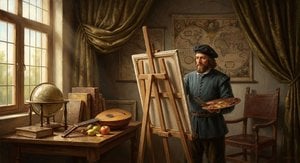
Illuminating Realism: Exploring the Dutch Golden Age of Painting (1600-1700)
Explore the Dutch Golden Age of painting (1600-1700) with ArtsDot. Discover Rembrandt, Vermeer & other masters. Learn about techniques, history & find museum-quality reproductions.