

 Переглянути в інтер'єрі
 Надіслати як листівку
 Поділитися
 Деталі витвору
 Посібник

 Завантажити
 Схожі екземпляри
 Рентгенівське дослідження
 Слайд-шоу
 Питання та відповіді
 Статистика
Composition

- 56.0 x 77.0 cm

 Розгорнути текст
Мистецький твір, представлений на цій сторінці, захищений законом про авторське право, що унеможливлює легальне створення або продаж його ідентичної репродукції. Цей захист забезпечується відповідно до міжнародних угод, таких як Бернська конвенція та національним законодавством, зокрема положеннями, що викладені в Законодавство США про авторське право — Розділ 17. Всі права захищені. Будь-яке використання без дозволу заборонено.
Цей метод повністю відповідає нормам авторського права, оскільки він не передбачає копіювання чи дублювання захищеного твору мистецтва. Натомість це творче переосмислення — створення нового малюнка під впливом оригіналу, який не є його точним відтворенням.
Гікле / Художній принт
Друк جيкле або на полотні музейної якості з оперативним виготовленням та різноманітними варіантами фінішної обробки. ( Замовити картину ручної роботи Перейти до цифрових зображень)




































Обирайте з наших стандартних розмірів, що відповідають оригінальним пропорціям твору мистецтва.

Введіть необхідну ширину та висоту, щоб принт ідеально підійшов до вашої рами або стіни. Принт можна лише обрізати, але не можна зробити більшим за оригінал, тому при зміні пропорцій частина зображення буде втрачена. Перед друком ми надсилаємо вам цифровий макет для затвердження. Зображення на цій сторінці не відображає реальну обрізку — її можна побачити лише на макеті.
Доставка по всьому світу () за 2 тижні замість стандартних 4/5 тижнів. (18 Листопад)

Безкоштовна експрес-доставка по всьому світу

Високоякісне лляне полотно

Повне страхове покриття доставки

Гарантія повернення митних зборів

Гарантія точного відтворення кольорів

Політика повернення протягом 100 днів (лише у разі виявлення дефектів)

Гарантія повернення 100% коштів

Пропозиція на оптові замовлення
 Скляний варіант доступний лише для розмірів до 110 см

Composition
Гікле / Художній принт
Розмір репродукції
-


Підсумкова вартість
₴ 2841
Artist Background
Stuart Davis was an American painter, known for his bold and vibrant works that often incorporated elements of everyday life. His artistic journey began in the early 20th century, and he quickly gained recognition for his innovative style, which was influenced by the likes of Pablo Picasso and Georges Braque. Davis's work can be found in various museums, including the Portland Museum, which features an impressive collection of modern and contemporary art.Composition and Style
The painting Composition is a testament to Davis's ability to create complex, yet harmonious, compositions. The work features a mix of geometric shapes, bold colors, and abstract forms, which come together to form a dynamic visual experience. The use of oil on canvas adds depth and texture to the painting, making it a truly unique piece. For art enthusiasts interested in exploring similar works, Pavel Filonov's Shostakovich's First Symphony and Georgia Totto O'Keeffe's Ranchos Church, New Mexico are excellent examples of modern art.Influence and Legacy
Davis's work, including Composition, has had a significant impact on the development of modern art. His innovative style, which blended elements of Cubism and Abstract art, paved the way for future generations of artists. The history of painting is filled with examples of artists who have pushed the boundaries of creativity, and Davis is certainly one of them. For those interested in learning more about the evolution of modern art, the Modernism movement and 20th-century Western painting are essential topics to explore.In conclusion, Stuart Davis's Composition is a remarkable piece that showcases the artist's unique style and contribution to modern art. With its bold colors, geometric shapes, and abstract forms, this painting is a must-see for anyone interested in exploring the world of modern art. Visit ArtsDot.com to discover more about Davis and other prominent artists, and to explore their extensive collection of handmade oil painting reproductions.
Питання та відповіді
Де я можу купити принт «Composition» роботи Стюарт Дэвис?
Принт роботи «Composition» роботи Стюарт Дэвис можна замовити безпосередньо на її сторінці Художній принт: художній принт на бавовняному полотні або архівному канвас-папері.
Загалом, «Composition» є більш світлою чи темною?
Яскравість твору «Composition» роботи Стюарт Дэвис становить яскравий, а показник яскравості (luminance) — Загальна яскравість.
Як описують палітру «Composition» роботи Стюарт Дэвис?
У творі «Composition» роботи Стюарт Дэвис використана Нейтральні кольори палітра кольорів, що визначає загальний колорит роботи.
Схожі твори мистецтва


Біографія митця
Stuart Davis: A Pioneer of American Modernism
Stuart Davis, born Edward Stuart Davis on December 7, 1892, in Philadelphia, Pennsylvania, was immersed in an artistic environment from a young age. His father, Edward Wyatt Davis, served as the art editor for *The Philadelphia Press*, while his mother, Helen Stuart Davis, was a sculptor—a lineage that undeniably fostered his early fascination with visual arts. From childhood, he absorbed the spirit of observation and experimentation that would characterize his entire artistic career. Davis received formal training at the Robert Henri School of Art in New York City from 1909 to 1912 under the guidance of Robert Henri himself. This formative period cemented friendships with fellow painters John Sloan, Glenn Coleman, and Henry Glintenkamp—artists who shared a commitment to capturing the realities of urban life and challenging artistic conventions. Henri’s influence instilled in Davis a belief that “a subject had its emotional reality,” which could be gleaned through an awareness of geometric planes and spatial relationships—a principle that would permeate his subsequent works.Early Career and the Armory Show
Davis swiftly gained recognition as one of the youngest exhibitors at the pivotal Armory Show in 1913. He presented five watercolor paintings reflecting the distinctive style of the Ashcan School, marking an early step on his artistic journey. This exhibition exposed him to the groundbreaking visions of artists like Vincent van Gogh, Henri Matisse, and Pablo Picasso—figures who profoundly impacted Davis’s aesthetic sensibilities.
Artistic Development and Style
Throughout the 1920s, Davis honed his distinctive mature style. He began creating abstract still lifes and landscapes imbued with a palpable proto-pop art element. These compositions incorporated contemporary subject matter—cigarette packages, spark plug advertisements—demonstrating his willingness to engage with the visual culture of his time. His canvases pulsed with bold colors and energetic brushstrokes, reflecting his deep connection to jazz music—a genre that became increasingly prominent in his paintings from the 1940s and 1950s.
The Ashcan School movement served as an anchor for Davis’s early artistic explorations, shaping his perspective on realism and urban experience. He skillfully blended geometric abstraction with recognizable imagery, creating artworks that resonated with both intellectual rigor and emotional depth.
Influences and Inspirations
- Robert Henri: Provided foundational training and instilled in Davis the conviction that art should reflect life’s raw essence.
- Ashcan School: Influenced his initial focus on urban realism and capturing the spirit of everyday existence.
- Cubism: Inspired Davis's experimentation with fragmented perspectives and geometric forms—techniques he skillfully integrated into his compositions.
- Jazz Music: Contributed to the rhythmic energy and improvisational quality of his paintings, mirroring its dynamism on canvas.
Notable Works
Odol (Modernism), completed in 1928, stands as a testament to Davis’s artistic vision—a masterful blend of abstraction and recognizable imagery from popular culture. This painting exemplifies his ability to convey emotion through geometric shapes and bold color palettes.
Other significant pieces include *Rocks, Gloucester* (1915), *The Mellow Pad*, and *Tropes de Teens* (1956)—each reflecting Davis’s ongoing exploration of form and subject matter throughout his prolific career. His enduring legacy resides in his pioneering role as a modernist artist who championed American artistic expression.
## Legacy and Historical SignificanceStuart Davis's contributions to American Modernism are undeniable. He challenged traditional artistic conventions, embraced contemporary themes, and fostered a distinctive voice within the broader context of 20th-century art history. As a visionary artist who anticipated future trends, he solidified his place as one of the most influential figures in shaping the trajectory of American painting.

Стюарт Дэвис
1892 - 1964 , Сполучені Штати Америки
Короткі факти
- Artistic Movement Or Style: Американський модернізм
- Artists Or Movements Influenced By This Artist: ['Джаз']
- Artists Who Influenced This Artist: ['Роберт Генрі']
- Date Of Birth: 7 грудня 1892
- Date Of Death: 24 червня 1964
- Full Name: Stuart Davis
- Nationality: Американський
- Notable Artworks:
- Одоль (Модернізм)
- Кам'яні гори Фіорда
- Place Of Birth: Філадельфія, США
Пов'язані статті

David Burliuk: A Pioneer of Russian Avant-Garde & His Enduring Legacy
Explore the revolutionary art of David Burliuk, a key figure in Russian Avant-Garde & Cubo-Futurism. Discover his impact on painting, poetry, and design with ArtsDot.

Stuart Davis: Modernist Abstraction & the Vibrant Spirit of the Jazz Age
Explore the vibrant world of Stuart Davis, a pioneer of American Modernism. Discover his jazz-inspired paintings, signature style & investment potential. Expert insights for art collectors.

Georges Braque: Pioneering Cubism & the Evolution of Modern Form
Explore the revolutionary art of Georges Braque, a pioneer of Cubism alongside Picasso. Discover his artistic evolution, key works, and lasting impact on modern art. A guide for discerning collectors.

Топ-10 шедеврів імпресіонізму: картини, що змінили світ мистецтва | ArtsDot
Відкрийте для себе 10 шедеврів імпресіонізму від Моне, Ренуара та Дега! Дізнайтесь історію створення культових картин, техніки та вплив на мистецтво. Репродукції високої якості для вашого дому – ArtsDot.
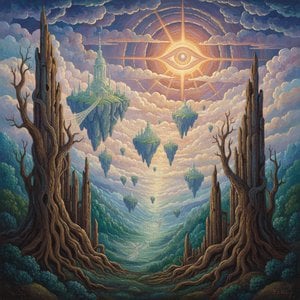
Beyond Symbolism: Exploring the Spiritual Landscapes of Mikalojus Konstantinas Čiurlionis's Art
Explore the captivating world of Mikalojus Konstantinas Čiurlionis, a pioneer of abstract art. Discover his unique blend of music and painting, spiritual themes, and lasting influence on Lithuanian culture. Learn more at ArtsDot.
