
- Додому

- Репродукція картини олією
- Сер Фредерик Лорд Лейтон
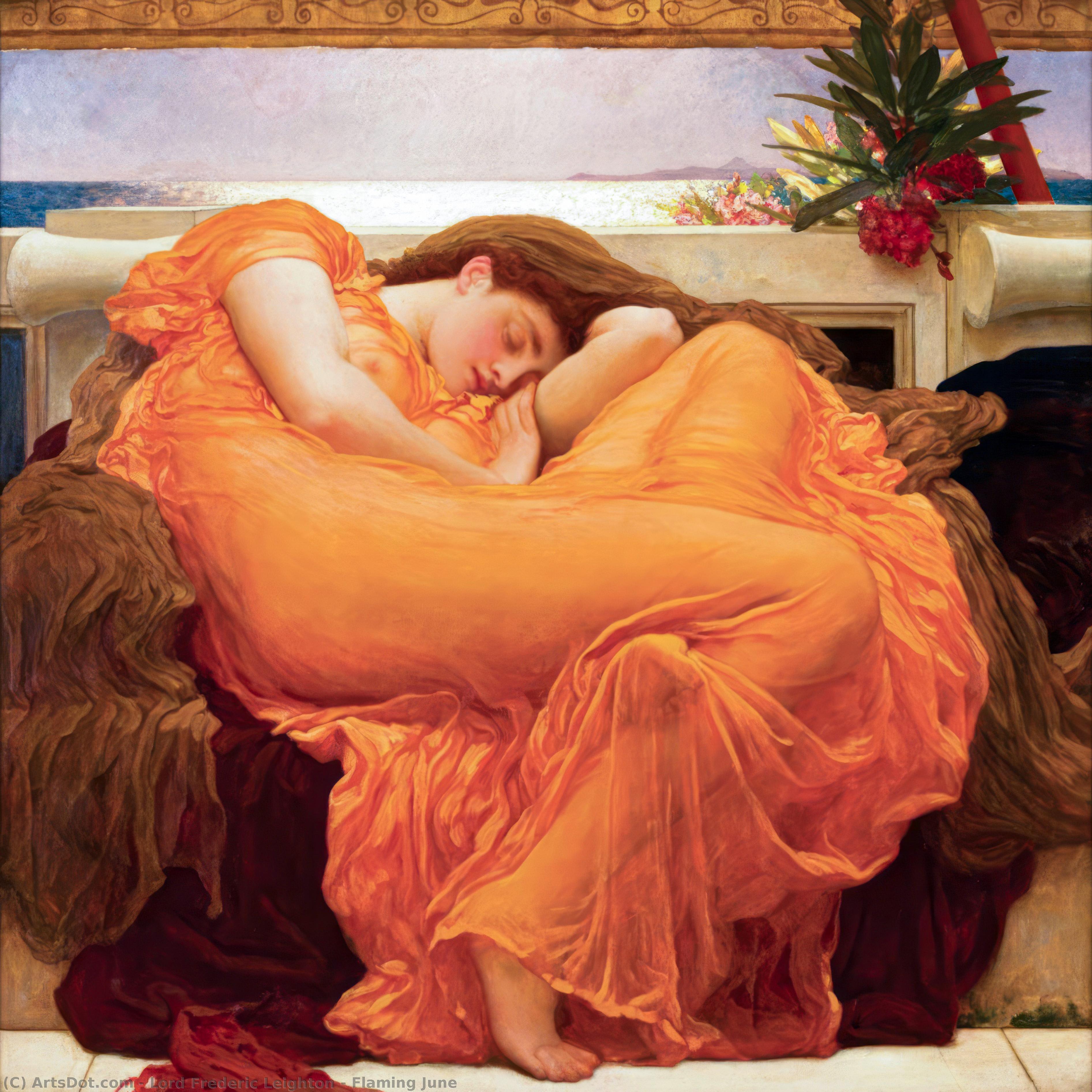
- Flaming June
 Замовити друк Купити цифрове зображення
 Надіслати
 Поділитися
 Details
 Додати до улюблених

 Завантажити
 Схожі вироби
 X-Ray
X-Ray
 Слайд-шоу
Flaming June
 Oil On Canvas
- WallArt
- Academic Classicism
 1895
1895 121.0 x 121.0 cm
Олійная репродукція ручної роботи
Написана вручну олією на полотні у вашому розмірі та рамі, виготовлена на замовлення нашими художниками.




P118B $10

P118H $10

P118W $10

P438Z $10

P508JH $12

P508YH $12

P805H $10

P805Z $10

P919BZ $10

P919G $10

P919XJ $10

P959ZH $10

P968JZ $12

W106C $8

W218G $10

W218JH $8

W218Y $10

W307PJ $10

W316G $10

W316PJ $8

W316Y $10

W398PJ $8

W4111J $10

W500HY $15

W500JH $15

W692G $12

W849H $8

W940BG $15

W953PJ $8




 Читати далі
Обирайте з наших стандартних розмірів, що відповідають оригінальним пропорціям твору мистецтва.

Ви можете вказати власні розміри, щоб репродукція підійшла до конкретної рами або інтер'єру. Якщо вибраний вами розмір не відповідає пропорціям оригіналу, ми або обріжемо полотно, або доповнимо картину додатковими елементами, промальованими вручну. Цифровий макет буде надіслано вам на затвердження перед початком виробництва.
Зверніть увагу, що попередній перегляд на екрані не відображає фактичне обрізання або розширення зображення. Тільки макет точно покаже остаточну композицію.
Хоча ми можемо виготовити виріб у нестандартному розмірі, для збереження оригінальних пропорцій рекомендуємо обирати варіанти зі встановленого списку.
Після оформлення замовлення команда ArtsDot.com зв'яжеться з клієнтом електронною поштою для отримання інструкцій та надасть попередній макет
Доставка по всьому світу () за 3–4 тижні замість стандартних 5 тижнів. (1 Липень). Без жодних компромісів у якості.

Безкоштовна експрес-доставка по всьому світу

Високоякісне лляне полотно

Повне страхове покриття доставки

Гарантія відшкодування митних зборів

Гарантія точного відтворення кольорів

Політика повернення протягом 60 днів (лише у разі виявлення дефектів)

Гарантія повернення 100% коштів

Знижка на багатоелементні замовлення
 Скляний варіант доступний лише для розмірів до 110 см

Flaming June
Матеріал репродукції
Розмір репродукції
-


Підсумкова ціна
-
Опис твору
A Vision of Tranquility: Exploring Sir Frederic Leighton’s Flaming June
Flaming June, painted in 1895 by Sir Frederic Lord Leighton, stands as a cornerstone of Academic art—a testament to meticulous observation and idealized beauty. More than just a depiction of a woman asleep amidst Mediterranean flora, it embodies the spirit of Victorian sensibilities and draws heavily upon classical influences, cementing its place within the artistic canon. Currently residing in the Museo de Arte de Ponce, Puerto Rico, this monumental canvas (121 x 121 cm) invites contemplation and rewards repeated viewing with layers of subtle detail and profound symbolism.The Anatomy of Beauty: Style and Technique
Leighton’s approach to painting was firmly rooted in the traditions established by Michelangelo and Raphael—a deliberate rejection of Impressionistic spontaneity in favor of controlled realism. The artist painstakingly rendered every curve of drapery, every petal of oleander blossom, striving for an illusion of palpable texture and luminosity. His masterful use of chiaroscuro – the interplay between light and shadow – sculpts the figure’s form, emphasizing her repose and conveying a sense of ethereal grace. Leighton's preparatory sketches reveal his dedication to achieving this idealized vision, meticulously studying anatomical proportions and capturing fleeting expressions of emotion.Echoes of Antiquity: Historical Context and Influences
Leighton’s fascination with classical art extended beyond mere stylistic imitation; it permeated his conceptual framework. The pose of the sleeping woman directly references Michelangelo's Night – a deliberate homage to the Renaissance master’s exploration of human vulnerability and spiritual contemplation. This influence is palpable in the serene stillness of the scene, mirroring the contemplative mood prevalent during Victorian England. Furthermore, the choice of Mediterranean landscape—a favored motif amongst artists of the era—reflects an idealized vision of pastoral harmony and reinforces the painting's connection to classical ideals of beauty and virtue.A Bloom of Symbolism: Interpreting Floral Imagery
The inclusion of oleander blossoms is particularly noteworthy. Traditionally associated with death, their presence introduces a poignant counterpoint to the idyllic setting and speaks to the Victorian preoccupation with mortality—a theme explored extensively in literature and art during that period. However, Leighton’s intention wasn't merely morbid; rather, he utilized this symbolism to heighten the painting’s emotional impact, prompting viewers to consider the cyclical nature of life and death as intertwined elements within a larger narrative. The woman’s closed eyes symbolize not just sleep but also introspection—a gateway to spiritual awareness and an emblem of inner peace.A Legacy Rediscovered: Appreciation and Reproduction
Flaming June experienced a period of obscurity following its creation, disappearing from public view until its rediscovery in the 1960s. Despite its relatively low auction price at the time, it was recognized as a significant work by Leighton—a painter whose legacy continues to inspire artists today. ArtsDot.com offers exceptional reproductions crafted with meticulous attention to detail, allowing art enthusiasts to experience the beauty and grandeur of Flaming June firsthand. Explore the artwork’s intricacies at /art/list/?Filter=8BWTYZ-Sir-Frederic-Lord-Leighton-Flaming-June – a chance to own a piece of artistic history.Схожі витвори мистецтва


Біографія митця
A Life Bathed in Light: The World of Sir Frederic Lord Leighton
Sir Frederic Lord Leighton, a name synonymous with Victorian elegance and artistic mastery, was born in Scarborough, England, in 1830. His life unfolded against the backdrop of immense privilege—his grandfather’s distinguished service as physician to the Russian Tsars provided an unparalleled foundation for his artistic pursuits, a rarity indeed in the often-turbulent world of 19th-century art. This early advantage allowed him to embark on extensive travels across Europe, immersing himself in the vibrant currents of Italian Renaissance art, the burgeoning realism of Germany, and the romanticism of France. These formative years were crucial; under the tutelage of masters like Eduard von Steinle and Giovanni Costa, he meticulously honed his distinctive style—a captivating blend of academic precision, Pre-Raphaelite sensuality, and a profound reverence for the classical world. A particularly memorable moment occurred at seventeen when he encountered Arthur Schopenhauer in Frankfurt, resulting in the only known full-length portrait of the notoriously reclusive philosopher – an encounter that hinted at the depth of his intellectual curiosity and his enduring fascination with the complexities of the human condition.The Painterly Embrace of Myth and History
Leighton’s artistic career flourished during a period deeply enamored with historical narratives, biblical tales, and the timeless allure of classical mythology. He didn't merely illustrate these subjects; he *inhabited* them, dedicating himself to exhaustive research into costumes, settings, and the subtle nuances of ancient life. His paintings weren’t mere depictions—they were immersive experiences, transporting viewers to worlds populated by gods, heroes, and forgotten empires. Clytie, perhaps his most celebrated work, exemplifies this approach perfectly. The painting portrays the nymph Clytie, transformed into a sunflower, eternally yearning for the sun god Apollo. It's not simply a beautiful image; it’s a poignant exploration of unrequited love, longing, and the transformative power of nature—rendered with breathtaking detail and an almost ethereal luminosity that seems to emanate from within the canvas itself. Similarly, The Daphnephoria showcases his mastery of composition, color, and movement, depicting a procession honoring Apollo, capturing the dynamism and energy of the scene with remarkable skill. He deliberately embraced opulent textures, rich fabrics, and dramatic lighting—elements that contributed significantly to the sheer visual splendor of his work, creating an atmosphere of both grandeur and intimacy.Beyond the Canvas: Sculpture and Architectural Vision
While primarily recognized as a painter, Leighton’s artistic ambitions extended far beyond the confines of two-dimensional art. He was a gifted sculptor, and his Athlete Wrestling with a Python, created between 1888 and 1891, marked a pivotal moment in British sculpture—often credited with initiating a renaissance in contemporary sculptural practice known as the “New Sculpture.” This monumental work, carved from pristine white marble, embodies both physical power and dramatic tension. The sculpture’s influence extended beyond its aesthetic qualities; it signaled a shift towards greater naturalism and dynamism in British sculpture, challenging traditional conventions. However, Leighton's creative vision didn’t stop there. He was also an avid collector of art and artifacts, particularly those from the Near East. These treasures weren’t merely displayed as objects of admiration; they were meticulously integrated into the very fabric of his home—Leighton House in Holland Park, London. Designed by George Aitchison, Leighton House is a masterpiece in its own right—a stunning example of Aestheticism that served as both a residence and a studio. The iconic Arab Hall, with its intricate tilework and soaring arches, stands as a testament to Leighton’s eclectic tastes and his desire to create a total work of art – an environment designed to inspire and nurture his creativity.A Legacy of Beauty and Influence
Leighton's influence on British art was profound and enduring. He served as President of the Royal Academy from 1878 until his death in 1896, a position he held with distinction, championing artistic excellence and fostering a vibrant creative community. His knighted status, baronetcy, and ultimately, his elevation to a hereditary peer—a remarkable honor bestowed just one day before his passing—testify to the immense respect he commanded within the art world and beyond. While his work experienced a period of relative obscurity after his death, eclipsed by the rise of modernism, there has been a significant resurgence of interest in Leighton’s art in recent decades. Today, his paintings and sculptures are celebrated for their technical brilliance, their evocative power, and their ability to transport viewers to worlds of beauty and wonder. His legacy is not merely one of aesthetic achievement but also of a life dedicated to the pursuit of beauty, knowledge, and artistic innovation—a testament to the enduring power of art to inspire and captivate generations.- His works continue to inspire artists and captivate audiences around the globe.
- Leighton House Museum stands as a lasting tribute to his artistic vision and remains a vital cultural landmark.
- He represents a fascinating intersection of Victorian ideals, classical influences, and Pre-Raphaelite sensibilities—a unique voice in the history of British art.

Сер Фредерик Лорд Лейтон
1830 - 1896 , Великобританія
Короткі факти
- Artistic Movement Or Style: Академічний, Прерафаелізм
- Artists Or Movements Influenced By This Artist: ['Новий скульптурний рух']
- Artists Who Influenced This Artist:
- Едуард фон Штайнель
- Джованні Коста
- Date Of Birth: 3 грудня 1830
- Date Of Death: 25 січня 1896
- Full Name: Sir Frederic Lord Leighton
- Nationality: Британський
- Notable Artworks:
- Клітія
- Зоряна осінь
- Спортмен, що бореться з змією
- Place Of Birth: Scarborough, Великобританія
Пов'язані статті

George Frederic Watts: Symbolism, Spirituality & Victorian Ideal Beauty
Explore the captivating Symbolist art of George Frederic Watts. Discover his allegorical masterpieces, classical influences & spiritual themes. Learn about his legacy and find high-quality reproductions at ArtsDot.


Поєднання Технологій та Традицій: Сучасний Процес Створення Індивідуальних Витворів Мистецтва
Створіть унікальний витвір мистецтва! Індивідуальні репродукції картин олійним живописом від професійних художників. Консервація, реставрація та ексклюзивний декор для вашого дому. Замовте зараз!

Топ-10 легендарних шедеврів олійного живопису, які змінили мистецтво назавжди | ArtsDot.com
Відкрийте для себе 10 легендарних шедеврів олійного живопису, які змінили світ мистецтва! Історія Ван Гога, Моне та інших геніїв. Репродукції картин преміум-класу для вашого дому на ArtsDot.com. Дослідіть колекцію онлайн!
Evocations of Rural Life: A Historical Journey Through Landscape Painting
Explore the rich history of rural life in painting! Discover Impressionist masterpieces, Italian Macchiaioli scenes & the enduring appeal of pastoral landscapes. Find your perfect artwork at ArtsDot.

Sir Frederic Leighton: Aestheticism, Academic Mastery & Victorian Masculinity
Explore the life & art of Sir Frederic Leighton, a master of Victorian Aestheticism. Discover his academic training, sculptural innovations, and captivating depictions of beauty. Expert insights for collectors.

