


Картина відповідає вашим виборам: , .
Опис експоната
Discover Rosa Bonheur’s ‘Tree Study,’ a captivating watercolor landscape showcasing Impressionistic techniques & natural beauty. Explore this unique artwork's charm and artistic style.
Біографія митця
Роза Бонхур – французька художниця, що славиться своїми реалістичними та емоційно насиченими картинами тварин. Її шедевр «Ярмарок коней» вражає деталізацією та динамізмом. Вона стала піонером для жінок у мистецтві, кидаючи виклик традиційним нормам.
 Розгорнути текст
Олійная репродукція ручної роботи
Написана вручну олією на полотні у вашому розмірі та рамі, виготовлена на замовлення нашими художниками. ( Перейти до друку Перейти до цифрових зображень)
Більше про цю картину
 Переглянути в інтер'єрі
 Надіслати як листівку
 Поділитися
 Деталі витвору
 Посібник

 Завантажити
 Схожі екземпляри
 Рентгенівське дослідження
 Слайд-шоу
 Питання та відповіді
 Статистика
Замовте свою картину у чотири прості кроки
Не поспішайте. Ви можете змінити будь-яку відповідь; ціна у вашій кошику буде оновлюватися відповідно до кожного вибору.
1 Перший крок із чотирьох
Який розмір ви бажаєте обрати?
Ці розміри зберігають пропорції оригінальної картини. На малюнку показано ваш вибір на стіні над двометровим диваном.
Або вкажіть власні розміри
Обирайте з наших стандартних розмірів, що відповідають оригінальним пропорціям твору мистецтва.

Введіть необхідну ширину та висоту, щоб картина підійшла до вашої рами або стіни. Оскільки це ручний розпис, для зміни пропорцій художник може дописати трохи більше по краях або дещо обрізати композицію — вибір за вами. Перед початком роботи ми надішлемо вам цифровий макет для затвердження. Зображення, показане на цій сторінці, не є реальним результатом — лише макет відображає майбутній вигляд.
2 Другий крок із чотирьох
Як його підготувати: у рулоні, на підрамнику чи в рамі?
Наведені нижче ціни вказані для розміру, обраного вами на першому кроці.
Оберіть тип країв натяжного полотна
Оберіть свою раму

Білий край ₴1

Розмитий край ₴1

З розширенням ₴1

P118B ₴10

P118H ₴10

P118W ₴10

P438Z ₴10

P508JH ₴12

P508YH ₴12

P805H ₴10

P805Z ₴10

P919BZ ₴10

P919G ₴10

P919XJ ₴10

P959ZH ₴10

P968JZ ₴12

W106C ₴8

W218G ₴10

W218JH ₴8

W218Y ₴10

W307PJ ₴10

W316G ₴10

W316PJ ₴8

W316Y ₴10

W398PJ ₴8

W4111J ₴10

W500HY ₴15

W500JH ₴15

W692G ₴12

W849H ₴8

W940BG ₴15

W953PJ ₴8

H24-GOLD ₴30

H24-SILVER ₴30

H36-GOLD ₴45

H36-SILVER ₴45
У рамі
Багет: . Загальний розмір із рамою: .
3 Третій крок із чотирьох
Бажаєте внести якісь зміни в картину?
Більшість людей відповідають «ні». Оскільки кожна картина створена вручну, наш художник також може адаптувати її для вас.
Після оформлення замовлення команда ArtsDot.com надішле клієнту електронний лист із запитом інструкцій та надасть попередній макет для перегляду
4 Четвертий крок із чотирьох
Кілька варіантів фінішного покриття
Усі вони є необов'язковими. Вибір уже вибраних варіантів не потребує додаткової оплати.
Хто автор?
Доставка по всьому світу () за 3–4 тижні замість стандартних 5 тижнів. (6 Листопад). Без жодних компромісів у якості.
Табличка, як у музеї?
Деталі гравірування на бронзовій табличці
This elegant plaque features the artist's name and the title of the artwork, finely engraved for a timeless presentation.
It is made from bronze with a refined, elegant finish. The text is precisely laser-engraved for a sharp and permanent result. Measuring 9x2 cm, the plaque is compact yet easy to read. It's built to be durable and scratch-resistant, offering a professional, museum-quality look. Mounting is simple thanks to the included adhesive backing.
Деталі прозорої акрилової таблички
The plaque includes essential engraved details such as the artist's name, the title of the artwork, the date it was created, the type of media used-like oil on canvas or watercolor-a brief description of the piece, and a QR code that links to the complete artwork information.
It is crafted from clear acrylic, offering a sleek, modern appearance. The text is UV-engraved in black to ensure strong visual contrast. With a size of 10x15 cm, it ensures optimal readability. It comes equipped with two metal hooks for secure wall mounting. The plaque is designed to be weather-resistant, making it suitable for various environments, and it includes interactive features that work seamlessly with smartphone scanning.
Деталі чорної акрилової таблички
This elegant plaque includes engraved information such as the artist's name, the title of the artwork, the date it was created, the type of media used (like oil on canvas or watercolor), a short description of the artwork, and a QR code for quick access to more information.
The plaque itself is made from refined black acrylic with a premium finish. The text is laser-engraved in white for high contrast and readability. Its size is 10x15 cm, designed to be easy to read. It comes with two metal hooks for professional mounting. The design is sleek and fits any interior style. It is also weather-resistant and durable, with built-in digital integration for mobile compatibility.
Захисний лак?
Коли вам це потрібно?
✓ Перевірити та замовити
Ваша картина, згідно із вашим замовленням

Tree Study
Матеріал репродукції
Розмір репродукції
-

Видатний майстер-художник
Більше деталізації, витонченості та додаткового часу на створення твору
-

Рама для репродукції
-
-
Для творів мистецтва або репродукцій, розмір яких перевищує 105 см (приблизно 41 дюйм) з будь-якого боку, рама доставляється у вигляді розібраного комплекту. Такий метод гарантує безпечну доставку та запобігає пошкодженням під час транспортування.
Потребує професійного збирання — це не продукт для самостійного виготовлення (DIY).
Комплект має бути зібраний, а полотно натягнуте досвідченим майстром багетних робіт із використанням клейового дерева (не входить у комплект), щипців для натягування полотна та затискачів, щоб підрамник залишався рівним під час висихання клею. Неправильне збирання або нерівномірне натягування полотна може призвести до незворотного пошкодження твору мистецтва, що не підпадає під дію нашої гарантії.
 Для творів мистецтва або репродукцій, розмір яких перевищує 105 см (приблизно 41 дюйм) з будь-якого боку, рама доставляється у вигляді розібраного комплекту. Такий метод гарантує безпечну доставку та запобігає пошкодженням під час транспортування.
У комплект входять усі бруски з цільного дерева, точно вирізані за розміром.
Збирається за допомогою гвинтів, що входять до комплекту, а також клейового розчину для кутових з'єднань, який не входить до комплекту і має бути підготовлений вашим майстром.
Потрібні професійні інструменти, які не входять до комплекту: щипці для натягування полотна (натягувач) та затискачі, щоб утримувати рейки рівно під час висихання клею.
Важливо:
Для з'єднання кутів потрібен клей для дерева, перекладини необхідно затиснути струбцинами до повного висихання клею, а для натягування полотна на зібрану раму знадобляться щипці для натягування полотна. Жоден із цих інструментів не входить до комплекту. Будь ласка, проконсультуйтеся з досвідченим майстром багетного оформлення перед замовленням рами такого розміру.

Етикетка експоната
-
-

Захисний лак
Глянцевий лак (підсилює яскравість кольорів, захищає від світла та вологи)
-

Персоналізувати мій витвір
Приклади можливих змін: заміна обличчя на фото клієнта; додавання домашньої тварини (наприклад, заміна кота на собаку); додавання прихованого повідомлення на фоні; зміна пейзажу або елементів фону.
-

Прискорено
Доставка по всьому світу () за 3–4 тижні замість стандартних 5 тижнів. (6 Листопад). Без компромісів у якості.
-
Експрес-доставка
Доставка по всьому світу () протягом 5 тижнів. (13 Листопад).
Включено в ціну
Підсумкова вартість
₴ 11813
Скляний варіант доступний лише для розмірів до 110 см
До кожного замовлення додається
- Безкоштовна експрес-доставка по всьому світу
- Високоякісне лляне полотно
- Повне страхове покриття доставки
- Гарантія повернення митних зборів
- Гарантія точного відтворення кольорів
- Політика повернення протягом 100 днів (лише у разі виявлення дефектів)
- Гарантія повернення 100% коштів
- Пропозиція на оптові замовлення


Схожі твори мистецтва


Роза Бонхур
1822 - 1899, Франція
Біографія митця
A Life Immersed in the Animal World
Rosa Bonheur, born Marie-Rosalie Bonheur in 1822 Bordeaux, France, wasn’t simply a painter of animals; she was an interpreter of their very essence. Her name resonates through art history as a beacon of realism and a testament to female artistic ambition in a period dominated by male figures. Born into a family steeped in artistic tradition – her father, Oscar-Raymond Bonheur, was a landscape and portrait painter – young Rosalie’s path wasn’t predetermined but nurtured. The family’s embrace of Saint-Simonianism, a progressive socialist philosophy advocating for equal education for both sexes, proved particularly formative, instilling in Rosa a sense of independence and intellectual curiosity that would define her life and work. Tragedy struck early with the loss of her mother at age eleven, yet the Bonheur household remained a haven for creativity and unconventional thinking. This unique upbringing laid the foundation for an artist who would challenge societal norms as boldly as she captured the raw beauty of the natural world.From Humble Beginnings to Salon Success
The family’s relocation to Paris in 1828 marked a turning point, providing Rosa with access to formal artistic training. Initially, her studies followed conventional lines – copying from drawings and sketching plaster models. However, it was the animals surrounding Paris that truly captured her imagination. Horses, cattle, sheep, goats—she observed them relentlessly, not merely as subjects for art but as living beings deserving of meticulous study. This dedication to direct observation became the cornerstone of her artistic style. Her father actively encouraged this passion, even bringing live animals into their studio for Rosa to dissect and analyze. This hands-on approach, combined with visits to Parisian abattoirs to understand animal anatomy, set her apart from many contemporaries who relied on second-hand depictions. Her breakthrough arrived in 1849 with *Ploughing in the Nivernais*, a work that garnered immediate attention at the Paris Salon and signaled the arrival of a significant new talent. But it was *The Horse Fair*, completed between 1853 and 1855, that cemented her international fame. This monumental canvas, now housed in New York’s Metropolitan Museum of Art, pulsates with energy and anatomical precision, depicting the chaotic yet captivating spectacle of a bustling horse market. Even Queen Victoria herself was captivated by its power and realism.A Style Rooted in Realism and Observation
Rosa Bonheur's artistic style wasn’t about romanticizing animals; it was about portraying them with unwavering honesty and detail. She eschewed sentimentality, opting instead for a scientific approach to her subjects. Her paintings are characterized by their anatomical accuracy, dynamic compositions, and an ability to capture the unique personality of each creature. This commitment to realism extended beyond mere physical representation. Bonheur sought to understand the animals’ movements, behaviors, and even their emotional states. She often worked *en plein air*, directly observing her subjects in their natural environments, a practice that further enhanced the authenticity of her work. Her technique involved careful layering of paint and a masterful use of light and shadow to create depth and texture, bringing each animal vividly to life on canvas. The influence of artists like Nicolas Poussin and Peter Paul Rubens is evident in her compositions, but she always prioritized direct observation over idealized representation.A Pioneer for Women in Art
Rosa Bonheur’s legacy extends far beyond her artistic achievements; she became an icon for women striving for recognition in the male-dominated art world. She defied convention not only through her professional success but also through her personal choices. Famously, she often wore men's clothing while working with animals, citing practicality and freedom of movement – a bold statement that challenged societal expectations. She secured commissions from governments and private collectors alike, proving that female artists could achieve the same level of acclaim as their male counterparts. Her success paved the way for future generations of women artists, inspiring them to pursue their passions without compromise. Bonheur’s life story serves as a powerful example of artistic independence and determination. Her paintings continue to be celebrated in major museums worldwide, serving as a reminder of her enduring contribution to art history and her unwavering commitment to portraying the beauty and dignity of the animal kingdom.Enduring Influence and Lasting Legacy
The impact of Rosa Bonheur’s work continues to resonate today. Her dedication to realism influenced countless artists, and her paintings remain admired for their technical skill and emotional depth. She demonstrated that art could be both scientifically accurate and profoundly moving, bridging the gap between observation and interpretation. Beyond her artistic contributions, Bonheur's life story serves as a powerful example of female empowerment and artistic independence. She challenged societal norms, defied expectations, and ultimately achieved lasting recognition on her own terms. Her legacy is not merely one of beautiful paintings but also of courage, determination, and a unwavering commitment to her craft. Her work continues to inspire artists and art lovers alike, reminding us of the power of observation, the beauty of the natural world, and the importance of pursuing one’s passions with conviction.Пов'язані статті

Ephemeral Visions: Exploring the Artistic Legacy & Contemporary Practice of Watercolor Painting
Explore the captivating world of watercolor painting! Discover its rich history, essential techniques, influential artists & collecting tips. A comprehensive guide for art enthusiasts from ArtsDot.

Ephemeral Visions: Exploring the History & Emotional Resonance of Watercolor Painting
Explore the captivating history of watercolor painting, from ancient techniques to modern masters like Kandinsky & Blake. Discover essential artists, collecting tips & the emotional power of this luminous medium. Expert insights for art enthusiasts.
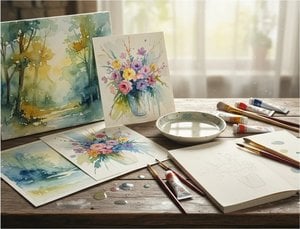
Ephemeral Visions: Exploring the Artistic Legacy & Nuances of Watercolor Painting
Explore the captivating world of watercolor painting! Discover its rich history, essential techniques, influential artists & collecting tips from art experts. A comprehensive guide for enthusiasts.