


 Переглянути в інтер'єрі
 Надіслати
 Поділитися
 Деталі

 Завантажити
 Схожі експонати
 Рентгенівське дослідження
 Слайд-шоу
Deposition
 Acrylic On Canvas
- WallArt
- Early Netherlandish Renaissance
 1435
1435 220.0 x 262.0 cm
 Музей Прадо
 Читати далі
Олійная репродукція ручної роботи
Написана вручну олією на полотні у вашому розмірі та рамі, виготовлена на замовлення нашими художниками. ( Перейти до друку Перейти до зображення)




P118B $10

P118H $10

P118W $10

P438Z $10

P508JH $12

P508YH $12

P805H $10

P805Z $10

P919BZ $10

P919G $10

P919XJ $10

P959ZH $10

P968JZ $12

W106C $8

W218G $10

W218JH $8

W218Y $10

W307PJ $10

W316G $10

W316PJ $8

W316Y $10

W398PJ $8

W4111J $10

W500HY $15

W500JH $15

W692G $12

W849H $8

W940BG $15

W953PJ $8




Обирайте з наших стандартних розмірів, що відповідають оригінальним пропорціям твору мистецтва.

Ви можете вказати власні розміри, щоб репродукція ідеально підійшла до конкретної рами або інтер'єру. Якщо вибраний вами розмір не відповідає пропорціям оригіналу, ми або обріжемо полотно, або доповнимо картину додатковими елементами, промальованими вручну. Цифровий макет буде надіслано вам на затвердження перед початком виробництва.
Зверніть увагу, що попередній перегляд на екрані не відображає фактичне обрізання або розширення зображення. Тільки макет точно покаже остаточну композицію.
Хоча ми можемо виготовити виріб у нестандартному розмірі, для збереження оригінальних пропорцій рекомендуємо обирати варіанти зі встановленого списку.
Після оформлення замовлення команда ArtsDot.com зв'яжеться з клієнтом електронною поштою для отримання інструкцій та надасть попередній макет
Доставка по всьому світу () за 3–4 тижні замість стандартних 5 тижнів. (11 Серпень). Без жодних компромісів у якості.

Безкоштовна експрес-доставка по всьому світу

Високоякісне лляне полотно

Повне страхове покриття доставки

Гарантія відшкодування митних зборів

Гарантія точного відтворення кольорів

Політика повернення протягом 60 днів (лише у разі виявлення дефектів)

Гарантія повернення 100% коштів

Знижка на оптові замовлення
 Скляний варіант доступний лише для розмірів до 110 см

Deposition
Техніка репродукції
Розмір репродукції
-


Загальна вартість
$ 263
Опис твору
A Testament of Sorrow and Devotion: Rogier van der Weyden’s Deposition
Rogier van der Weyden’s “Deposition,” completed around 1435, stands as an unparalleled achievement in Early Netherlandish painting—a visual distillation of grief, compassion, and profound spiritual contemplation. More than just a depiction of biblical narrative, it's a meticulously crafted tableau that speaks volumes about the artistic sensibilities and humanist ideals of its time.
- Subject Matter: The scene portrays Jesus Christ being lowered from the cross by Mary Magdalene and Nicodemus, accompanied by Saint John the Evangelist. This iconic image captures the immediate aftermath of crucifixion—the solemn procession towards Calvary’s tomb, marking the beginning of Christ's resurrection narrative.
- Style & Technique: Van der Weyden’s style is characterized by its astonishing realism and emotional intensity. He employed a technique known as sfumato – subtly blending colors to create soft transitions and atmospheric depth—a masterful approach that distinguishes his work from earlier styles. The artist's meticulous attention to detail extends beyond mere representation; he strives to convey the palpable sorrow of Mary and the unwavering faith of John, capturing human emotion with breathtaking accuracy.
- Historical Context: Created during the Burgundian Renaissance, “Deposition” reflects the burgeoning humanist movement’s fascination with classical ideals of beauty and proportion alongside a renewed interest in religious iconography. Philip the Good commissioned this monumental altarpiece for Saint Mary's Cathedral in Dijon, demonstrating the importance of faith and artistic patronage within aristocratic society.
- Symbolism: The composition is laden with symbolic significance. Mary’s posture embodies humility and maternal compassion—she kneels before Christ’s lifeless body, accepting his sorrowful descent. The drapery folds are rendered with exquisite precision, mirroring the folds of Mary's robe and conveying a sense of solemn dignity. Furthermore, the careful positioning of figures emphasizes the universality of human suffering and redemption.
- Emotional Impact: “Deposition” transcends mere visual representation; it evokes a powerful emotional response in viewers. The artist’s masterful use of color—primarily blues and reds—intensifies the scene's solemn atmosphere. The faces of Mary, Nicodemus, and John are rendered with heartbreaking realism, conveying profound grief and spiritual reverence. It remains an enduring testament to the human capacity for empathy and faith—a piece that continues to inspire awe and contemplation centuries after its creation.
- Further Exploration: For a deeper understanding of Rogier van der Weyden’s artistic legacy, consider examining his other celebrated works, including “Descent from the Cross” and “Saint Luke Evangelist Painting.”
Схожі твори мистецтва


Біографія митця
A Master of Emotion: The Life and Legacy of Rogier van der Weyden
Rogier de la Pasture – known to history as Rogier van der Weyden – emerged from the bustling city of Tournai, Belgium, around 1400, as a pivotal figure in the burgeoning world of Early Netherlandish painting. While the details of his early life remain somewhat shrouded in mystery, it’s believed he initially honed his skills not with brush and pigment alone, but through a rigorous apprenticeship as a goldsmith. This formative training instilled within him an unwavering dedication to meticulous detail and a refined sensibility for craftsmanship – qualities that would become instantly recognizable hallmarks of his artistic style. The precision demanded by working with precious metals undoubtedly translated into the exquisite rendering of textures, fabrics, and expressions that define his most celebrated masterpieces. He wasn’t merely depicting reality; he was meticulously recreating it, imbued with an almost reverent attention to detail, striving to capture not just what *was*, but how it *felt*.From Tournai to Brussels: A Rising Star
By 1427, van der Weyden had ascended to the rank of master within the esteemed Guild of Saint Luke in Tournai – a significant milestone that solidified his position as a professional artist and opened doors to prestigious commissions. His rise continued dramatically when he entered the service of Philip the Good, Duke of Burgundy, in 1435 – a patronage that would profoundly shape his career for the remainder of his life. Serving as court painter afforded him not only financial security and access to an elite circle of influence but also exposure to some of the most discerning eyes of the era. It was during this period, amidst the opulent courts of Burgundy, that van der Weyden’s artistic vision truly began to mature, moving away from the somewhat rigid conventions of earlier Netherlandish painters towards a more emotionally resonant and naturalistic approach. He wasn't simply painting religious scenes; he was striving to evoke genuine feeling in the viewer, to create an experience that transcended mere observation – a profound shift in the way art engaged with its audience.The Language of Feeling: Style and Technique
Rogier van der Weyden’s artistic signature is immediately recognizable through several defining characteristics. His palette was remarkably rich and diverse, a vibrant tapestry of colors carefully chosen to avoid repetition and create depth and complexity within his compositions. He possessed an extraordinary ability to convey profound emotion – *pathos* – particularly in depictions of religious subjects like the *Lamentation*, where grief and sorrow are palpable. This emotional intensity wasn’t achieved through dramatic gestures or exaggerated expressions; rather, it was subtly woven into the very fabric of the painting, conveyed through delicate nuances of facial expression, body language, and composition. His figures, while adhering to the conventions of the time – often depicted with a dignified, almost sculptural quality – demonstrate a growing interest in realistic representation – not just in anatomy and drapery, but also in capturing the psychological states of his subjects. They possess an air of solemnity and reverence, lending them a timeless quality. He masterfully employed oil paint, building up layers of translucent glazes to achieve luminous effects and create a sense of depth and realism that was revolutionary for its time. The use of *chiaroscuro* – the dramatic interplay of light and shadow – further heightened the emotional impact of his works.Notable Works and Enduring Masterpieces
Throughout his prolific career, van der Weyden produced numerous works that stand as testaments to his artistic prowess. *St Luke Drawing a Portrait of the Madonna*, housed in the Museum of Fine Arts, Boston, showcases his mastery of oil on panel and meticulous observation. The *Lamentation*, residing in the Musée des Beaux-Arts Tournai, Belgium, is perhaps his most celebrated work – a powerfully emotive depiction of Christ’s mourning, renowned for its dramatic use of *chiaroscuro* and its ability to evoke profound sorrow in the viewer. Multiple versions of *The Deposition* exist, each demonstrating his skill in conveying grief and drama with breathtaking sensitivity. The *Annunciation*, a masterpiece of refined style and attention to detail, exemplifies his ability to imbue even the most traditional subjects with a sense of freshness and vitality. And finally, the intricate and richly detailed *Bladelin Triptych* stands as a monumental achievement – a complex altarpiece that showcases the full range of van der Weyden’s artistic abilities. These works, and many others, continue to captivate audiences today, solidifying his position as one of the most important painters of the 15th century.Lasting Influence: A Legacy Forged in Paint
Van der Weyden's influence extended far beyond the borders of his native Flanders. His works were highly sought after throughout Europe, particularly in Italy and Spain, where they introduced a new level of emotional depth and naturalism to local artistic traditions. Although his fame experienced a period of relative decline in the 17th century, a rediscovery during the 19th century cemented his place as one of the most important painters of the 15th century. He stands alongside Jan van Eyck and Robert Campin as one of the “three great” Early Flemish masters, each contributing uniquely to the development of Northern Renaissance art. His innovative techniques and emotionally charged compositions paved the way for future generations of artists, inspiring countless imitators and influencing the course of Western painting for centuries to come. He helped establish oil painting as the dominant medium and elevated the status of the artist within society, transforming them from skilled craftsmen into revered creators. Rogier van der Weyden’s legacy continues to resonate today, a testament to his enduring genius and his profound understanding of the human condition.
Рогорій ван дер Вейден
1400 - 1464 , Бельгія
Досьє митця
- Artistic Movement Or Style: Ранньонідерландське живопис
- Artists Or Movements Influenced By This Artist:
- Італьянський Ренесанс
- Іспанська живопис
- Artists Who Influenced This Artist:
- Робер Кампін
- Ян ван Ейк
- Date Of Birth: c. 1400
- Date Of Death: 1464
- Full Name: Rogier van der Weyden
- Nationality: Бельгійський
- Notable Artworks:
- Скорбна сцена
- Плачуща Діва
- Поховання Христа
- Place Of Birth: Tournai, Бельгія
Схожі статті

Топ-10 шедеврів Раннього Нідерландського Відродження: мистецтво для вашого дому | ArtsDot
Відкрийте для себе 10 шедеврів Раннього Нідерландського Відродження! Історія ван Ейка, Рогіра ван дер Вейдена та інших майстрів. Картини епохи Ренесансу для вашого дому – придбайте розкішні репродукції на ArtsDot.com.
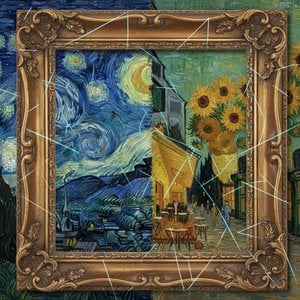
25 шедеврів Вінсента ван Гога: мистецтво, що торкає душу | ArtsDot
Відкрийте 25 найвідоміших шедеврів Вінсента ван Гога! Дізнайтесь історії створення культових картин, техніки та емоційний вплив імпресіонізму. Репродукції картин Ван Гога для вашого дому – на ArtsDot.com.

Rogier van der Weyden: Emotion, Innovation & the Early Netherlandish Renaissance
Explore the revolutionary art of Rogier van der Weyden, a pivotal figure of the Early Netherlandish Renaissance. Discover his emotional realism, innovative compositions, and lasting impact on painting history.

Топ-10 шедеврів раннього нідерландського живопису: мистецтво для вашого дому від ArtsDot
Відкрийте для себе 10 шедеврів раннього нідерландського живопису! Дізнайтесь історії ван Ейка, ван дер Вейдена та інших майстрів. Купіть високоякісні репродукції картин на ArtsDot.com і додайте елегантності вашому дому.

Hugo van der Goes: Devotion, Innovation & the Psychological Depth of Early Netherlandish Painting
Explore the revolutionary art of Hugo van der Goes – a master of Early Netherlandish painting renowned for his dramatic realism, psychological depth & profound influence on Renaissance artists. Discover his iconic works and lasting legacy.



