


Картина відповідає вашим виборам: , .
Опис експоната
René Magritte’s surrealist masterpiece ‘The Rape’ depicts a woman draped in fabric concealing her face against a serene blue sky—a haunting exploration of concealment and perception within the Belgian Surrealist movement. Discover this iconic artwork and bring its enigmatic beauty into your home.
 Розгорнути текст
Біографія митця
Майстер сюрреалізму, відомий картиною «Зрада образів». Відкрийте його загадкові та глибокі шедеври вже сьогодні.
Олійная репродукція ручної роботи
Написана вручну олією на полотні у вашому розмірі та рамі, виготовлена на замовлення нашими художниками. ( Перейти до друку Перейти до цифрових зображень)
Цей твір захищено авторським правом
Мистецький твір, представлений на цій сторінці, захищений законом про авторське право, що унеможливлює легальне створення або продаж його ідентичної репродукції. Цей захист забезпечується відповідно до міжнародних угод, таких як Бернська конвенція та національним законодавством, зокрема положеннями, що викладені в Законодавство США про авторське право — Розділ 17. Всі права захищені. Будь-яке використання без дозволу заборонено.
Як шанобливу та законну альтернативу, ми пропонуємо унікальні картини ручної роботи, створені натхненням від оригіналу. Наші досвідчені професійні художники ретельно вивчають стиль, настрій та художню сутність оригіналу, щоб створити новий, неповторний твір, який викликає ті ж почуття, — залишаючись при цьому самобутнім творінням.
Цей метод повністю відповідає нормам авторського права, оскільки він не передбачає копіювання чи дублювання захищеного твору мистецтва. Натомість це творче переосмислення — створення нового малюнка під впливом оригіналу, який не є його точним відтворенням.
Більше про цю картину
 Переглянути в інтер'єрі
 Надіслати як листівку
 Поділитися
 Деталі витвору
 Посібник

 Завантажити
 Схожі екземпляри
 Рентгенівське дослідження
 Слайд-шоу
 Питання та відповіді
 Статистика
Замовте свою картину у чотири прості кроки
Не поспішайте. Ви можете змінити будь-яку відповідь; ціна у вашій кошику буде оновлюватися відповідно до кожного вибору.
1 Перший крок із чотирьох
Який розмір ви бажаєте обрати?
Ці розміри зберігають пропорції оригінальної картини. На малюнку показано ваш вибір на стіні над двометровим диваном.
Або вкажіть власні розміри
Обирайте з наших стандартних розмірів, що відповідають оригінальним пропорціям твору мистецтва.

Введіть необхідну ширину та висоту, щоб картина підійшла до вашої рами або стіни. Оскільки це ручний розпис, для зміни пропорцій художник може дописати трохи більше по краях або дещо обрізати композицію — вибір за вами. Перед початком роботи ми надішлемо вам цифровий макет для затвердження. Зображення, показане на цій сторінці, не є реальним результатом — лише макет відображає майбутній вигляд.
2 Другий крок із чотирьох
Як його підготувати: у рулоні, на підрамнику чи в рамі?
Наведені нижче ціни вказані для розміру, обраного вами на першому кроці.
Оберіть тип країв натяжного полотна
Оберіть свою раму

Білий край ₴1

Розмитий край ₴1

З розширенням ₴1

P118B ₴10

P118H ₴10

P118W ₴10

P438Z ₴10

P508JH ₴12

P508YH ₴12

P805H ₴10

P805Z ₴10

P919BZ ₴10

P919G ₴10

P919XJ ₴10

P959ZH ₴10

P968JZ ₴12

W106C ₴8

W218G ₴10

W218JH ₴8

W218Y ₴10

W307PJ ₴10

W316G ₴10

W316PJ ₴8

W316Y ₴10

W398PJ ₴8

W4111J ₴10

W500HY ₴15

W500JH ₴15

W692G ₴12

W849H ₴8

W940BG ₴15

W953PJ ₴8

H24-GOLD ₴30

H24-SILVER ₴30

H36-GOLD ₴45

H36-SILVER ₴45
У рамі
Багет: . Загальний розмір із рамою: .
3 Третій крок із чотирьох
Бажаєте внести якісь зміни в картину?
Більшість людей відповідають «ні». Оскільки кожна картина створена вручну, наш художник також може адаптувати її для вас.
Після оформлення замовлення команда ArtsDot.com надішле клієнту електронний лист із запитом інструкцій та надасть попередній макет для перегляду
4 Четвертий крок із чотирьох
Кілька варіантів фінішного покриття
Усі вони є необов'язковими. Вибір уже вибраних варіантів не потребує додаткової оплати.
Хто автор?
Доставка по всьому світу () за 3–4 тижні замість стандартних 5 тижнів. (11 Листопад). Без жодних компромісів у якості.
Табличка, як у музеї?
Деталі гравірування на бронзовій табличці
This elegant plaque features the artist's name and the title of the artwork, finely engraved for a timeless presentation.
It is made from bronze with a refined, elegant finish. The text is precisely laser-engraved for a sharp and permanent result. Measuring 9x2 cm, the plaque is compact yet easy to read. It's built to be durable and scratch-resistant, offering a professional, museum-quality look. Mounting is simple thanks to the included adhesive backing.
Деталі прозорої акрилової таблички
The plaque includes essential engraved details such as the artist's name, the title of the artwork, the date it was created, the type of media used-like oil on canvas or watercolor-a brief description of the piece, and a QR code that links to the complete artwork information.
It is crafted from clear acrylic, offering a sleek, modern appearance. The text is UV-engraved in black to ensure strong visual contrast. With a size of 10x15 cm, it ensures optimal readability. It comes equipped with two metal hooks for secure wall mounting. The plaque is designed to be weather-resistant, making it suitable for various environments, and it includes interactive features that work seamlessly with smartphone scanning.
Деталі чорної акрилової таблички
This elegant plaque includes engraved information such as the artist's name, the title of the artwork, the date it was created, the type of media used (like oil on canvas or watercolor), a short description of the artwork, and a QR code for quick access to more information.
The plaque itself is made from refined black acrylic with a premium finish. The text is laser-engraved in white for high contrast and readability. Its size is 10x15 cm, designed to be easy to read. It comes with two metal hooks for professional mounting. The design is sleek and fits any interior style. It is also weather-resistant and durable, with built-in digital integration for mobile compatibility.
Захисний лак?
Коли вам це потрібно?
✓ Перевірити та замовити
Ваша картина, згідно із вашим замовленням

The Rape
Матеріал репродукції
Розмір репродукції
-

Видатний майстер-художник
Більше деталізації, витонченості та додаткового часу на створення твору
-

Рама для репродукції
-
-
Для творів мистецтва або репродукцій, розмір яких перевищує 105 см (приблизно 41 дюйм) з будь-якого боку, рама доставляється у вигляді розібраного комплекту. Такий метод гарантує безпечну доставку та запобігає пошкодженням під час транспортування.
Потребує професійного збирання — це не продукт для самостійного виготовлення (DIY).
Комплект має бути зібраний, а полотно натягнуте досвідченим майстром багетних робіт із використанням клейового дерева (не входить у комплект), щипців для натягування полотна та затискачів, щоб підрамник залишався рівним під час висихання клею. Неправильне збирання або нерівномірне натягування полотна може призвести до незворотного пошкодження твору мистецтва, що не підпадає під дію нашої гарантії.
 Для творів мистецтва або репродукцій, розмір яких перевищує 105 см (приблизно 41 дюйм) з будь-якого боку, рама доставляється у вигляді розібраного комплекту. Такий метод гарантує безпечну доставку та запобігає пошкодженням під час транспортування.
У комплект входять усі бруски з цільного дерева, точно вирізані за розміром.
Збирається за допомогою гвинтів, що входять до комплекту, а також клейового розчину для кутових з'єднань, який не входить до комплекту і має бути підготовлений вашим майстром.
Потрібні професійні інструменти, які не входять до комплекту: щипці для натягування полотна (натягувач) та затискачі, щоб утримувати рейки рівно під час висихання клею.
Важливо:
Для з'єднання кутів потрібен клей для дерева, перекладини необхідно затиснути струбцинами до повного висихання клею, а для натягування полотна на зібрану раму знадобляться щипці для натягування полотна. Жоден із цих інструментів не входить до комплекту. Будь ласка, проконсультуйтеся з досвідченим майстром багетного оформлення перед замовленням рами такого розміру.

Етикетка експоната
-
-

Захисний лак
Глянцевий лак (підсилює яскравість кольорів, захищає від світла та вологи)
-

Персоналізувати мій витвір
Приклади можливих змін: заміна обличчя на фото клієнта; додавання домашньої тварини (наприклад, заміна кота на собаку); додавання прихованого повідомлення на фоні; зміна пейзажу або елементів фону.
-

Прискорено
Доставка по всьому світу () за 3–4 тижні замість стандартних 5 тижнів. (11 Листопад). Без компромісів у якості.
-
Експрес-доставка
Доставка по всьому світу () протягом 5 тижнів. (18 Листопад).
Включено в ціну
Підсумкова вартість
₴ 11862
Скляний варіант доступний лише для розмірів до 110 см
До кожного замовлення додається
- Безкоштовна експрес-доставка по всьому світу
- Високоякісне лляне полотно
- Повне страхове покриття доставки
- Гарантія повернення митних зборів
- Гарантія точного відтворення кольорів
- Політика повернення протягом 100 днів (лише у разі виявлення дефектів)
- Гарантія повернення 100% коштів
- Пропозиція на оптові замовлення


A Silent Scream Frozen in Blue
The haunting allure of René Magritte’s The Rape lies in its ability to suspend the viewer in a state of profound, unsettling stillness. Painted during the height of the Surrealist movement between 1928 and 1930, this masterpiece serves as a visual paradox, where the serenity of a summer sky clashes violently with an underlying sense of dread. The composition presents a woman draped in fabric that obscures her identity, set against an expansive azure backdrop dotted with soft, idyllic clouds. This juxtaposition creates a dreamlike atmosphere that is simultaneously beautiful and deeply disturbing, inviting those who gaze upon it to look past the surface and confront the mysteries hidden within the subconscious.The Mastery of Surrealist Technique
Magritte’s technical execution in this piece demonstrates his unique ability to use traditional oil painting methods to achieve extraordinary, illogical ends. Eschewing the frantic energy of some of his contemporaries, Magritte employed smooth blending and meticulous tonal gradations that lend the canvas an ethereal, almost weightless quality. The palette is deceptively simple, dominated by tranquil blues and crisp whites, yet the way these colors interact creates a sense of depth that defies the flattened perspective typical of Surrealist works. For collectors and interior designers, this painting offers a sophisticated balance; its clean lines and atmospheric color scheme allow it to integrate seamlessly into modern spaces, while its complex textures provide a focal point of intellectual depth.Symbolism and the Unseen Reality
At the heart of The Rape is the recurring Magritte motif of the veiled face, a symbol that resonates with both psychological complexity and personal tragedy. The artist’s fascination with what remains hidden—a theme deeply rooted in his early life experiences—is palpable here. By obscuring the woman's features, Magritte strips away her individuality, transforming her into a vessel for universal emotions such as loss, mystery, and repressed desire. This technique challenges the viewer's perception of reality, forcing an engagement with the unseen. The painting does not merely depict a scene; it orchestrates a confrontation with the unknown, making it a profound choice for those who seek art that provokes contemplation and emotional resonance long after the initial encounter.Питання та відповіді
Чи є «The Rape» роботи Рене Маґрітт живописом, малюнком чи друком?
«The Rape» — це твір у техніці WallArt.
Для якого приміщення та з якою метою рекомендується "The Rape"?
Рекомендоване використання (Accent) та розміщення у (Living Room) — це дві поради для «The Rape» роботи Рене Маґрітт.
Чи є твір «The Rape» авторства Рене Маґрітт суспільним надбанням, і чому?
Статус авторського права на твір "The Rape" — все ще перебуває під захистом авторського права — визначається датою смерті митця у 1967.
Схожі твори мистецтва


Рене Маґрітт
1898 - 1967, Бельгія
Біографія митця
Ранні роки життя Рене Маґрітта
Народившись 21 листопада 1898 року в Лесінні, Бельгія, під ім'ям Рене Франсуа Гілен Маґрітт, художник прийшов у світ, що визначався тихою працелюбністю його родини. Його батько, Леопольд Маґрітт, працював кравцем і торговцем текстилем, забезпечуючи стабільне, хоча й непомітне дитинство. Вже до десяти років Рене Маґрітт почав шукати уроки малювання, відкривши в собі ранню схильність до візуального самовираження, яка згодом стане основою всього його творчого шляху.
Глибока тінь лягла на його підлітковий вік у 1912 році, коли його мати, Регіна Бертеншамп, вчинила самогубство. Ця втрата залишила незгладимий слід у його психіці, принісши відчуття таємничості та прихованого, що згодом проявиться в його картинах через завуальовані постаті та приховане обличчя. Подібна особиста травма часто стає джерелом тихої напруги, яку ми бачимо в його пізніших композиціях, де видиме і невидиме перебувають у стані постійного тертя.
Його офіційне навчання розпочалося в Академії королівських витончених мистецтв у Брюсселі, де він навчався з 1916 по 1918 рік. Протягом цих років він перейшов від простих ескізів своєї юності до більш дисциплінованого розуміння форми. Цей період академічного навчання заклав технічний фундамент, необхідний для концептуальних зрушень, які відбудуться згодом, коли він почне рухатися в напрямку авангардних течій початку двадцятого століття.
Художній розвиток та ранні впливи
Перші кроки Рене Маґрітта у живописі, зроблені приблизно у 1915 році, були позначені імпресіоністичним чутливістю. Ці початкові спроби були далекі від тих інтелектуальних головоломок, які згодом стануть його візитною карточкою. Під час Першої світової війни його шлях перервався військовою службою, де він працював картографом в бельгійській армії. Цей період служби став структурованим технічним контрастом до його бурно зростаючих творчих імпульсів. Повернувшись до навчання, він почав відходити від м'яких контурів імпресіонізму, експериментуючи натомість з роздробленими площинами кубізму та динамічною енергією футуризму. Ці напрями відкрили йому шлях до деконструкції візуального світу, хоча з часом він відчував, що їхні формальні обмеження занадто тісні для його особливого бачення.
Глибокий перелом стався, коли він відкрив для себе творчість Джорджо де Кріко. Картина 1914 року «Пісня кохання» справила на нього незабутле враження, привносячи відчуття сновидницької напруги, що глибоко відгукнулася в його душі. Ця зустріч спрямувала його до стилю, що віддавав перевагу тривожному поєднанню звичних речей. Він також черпав натхнення у полотнах Вільяма Дегува де Нанка, чий вплив посприяв формуванню його унікальної естетики. Ці ранні роки були часом пошуків — періодом, коли він проходив крізь різноманітні авангардні стилі, намагаючись знайти мову, здатну висловити дивну логіку підсвідомого.
Паризькі роки та сюрреалізм
До 1927 року спокійне життя в Бельгії поступилося місцем неспокійній енергії Парижа. Цей переїзд став поворотним моментом у його траєкторії, оскільки він глибоко занурився у діяльність сюрреалістичної групи. У кафе та майстернях міста він знайшов спільноту однодумців, завівши дружні стосунки з такими постатями, як Андре Бретон, Поль Елюар та Сальвадор Далі. Ці зв'язки не були лише соціальними; вони стали інтелектуальним союзом, що допоміг визначити його місце в межах цього мистецького руху. Він проходив крізь цей період із чітким відчуттям мети, прагнучи перекласти ірраціональне на візуальну мову, що кидала виклик логіці світу реального.
Його перехід до цього нового способу самовираження розпочався ще у 1926 році з написання картини Le Jockey Perdu (Загублений жокей) — роботи, яку широко визнають його першим справді сюрреалістичним полотном. Це раннє занурення в несподіване передувало його офіційному втіленню в паризьку арт-сцену. Під час перебування в місті його професійне життя набуло більш структурованої, хоча й нестабільної форми. У 1929 році він підписав контракт із галереєю Goemans у Парижі, працюючи пліч-о-пліч із Жаном Арпом та Івом Танґю. Цей період офіційного співробітництва забезпечив короткий проміжок стабільності, перш ніж складні обставини десятиліття зрештою повернули його до рідної країни.
Повернення до Брюсселя та рекламна діяльність
Від’їзд із Парижа у 1930 році став для Рене Маґрітта періодом прагматичного переосмислення свого шляху. Повернувшись до Брюсселя, він намагався знайти стабільність через комерційне застосування своїх візуальних навичок. Разом зі своїм братом Полем він заснував рекламне агентство — підприємство, що вимагало надзвичайної дисципліни у роботі з образами та типографікою. Це професійне життя не було відступом від його творчих інстинктів, а радше їхнім вдосконаленням, адже він майстерно балансував на межі мистецтва та комерції.
Його заробіток часто був пов’язаний з індустріальним та буденним світом. Він працював креслярником на фабриці шпалер, а його досвід був затребуваний на підприємстві Usines Peters-Lacroix (U.P.L.) на посаді дизайнера. Ці роки комерційної праці забезпечили йому стабільний дохід і глибоке розуміння текстур та візерунків повсякденних предметів. Саме ця технічна точність згодом ляже в основу чіткості його глибоших філософських полотен. Також він знайшов себе у кіноіндустрії, створюючи плакати для німецького дистриб'ютора звукового кіно Tobis Klangfilm. Для цих завдань він використовував псевдонім «Emair» — маску, яка дозволяла йому працювати у комерційній сфері, зберігаючи при цьому професійну дистанцію.
Період Ренуара та сюрреалізм у сонячному світлі
У середині 1940-х років естетика Рене Маґрітта зазнала помітного переломного моменту. Приблизно між 1943 та 1947 роками він відійшов від темних, більш похмурих тонів, які характеризували більшу частину його ранніх сюрреалістичних витворів. Цей етап, який часто називають його «періодом Ренуара», позначився переходом до палітри яскравих кольорів та композицій, що тяжіли до оптимізму. Це був свідомий відхід від важкої психологічної напруги попередніх років на користь відчуття ясності та світла.
Ця стилістична еволюція не була випадковою примхою, а була глибоко пов'язана з інтелектуальним кліматом того часу. На його роботи в ці роки вплинув маніфест «Сюрреалізм у повному сонячному світлі». Надихаючись творчістю художника Пьера-Огюста Ренуара, Маґрітт обрав більш люмінесцентний, світлий підхід до своїх сюжетів. Тіні, що раніше затьмарювали його постаті, змінилися більш відкритим, залитим сонцем настроєм. Хоча цей зсув був зустрінутий певним скепсисом з боку його сучасників у сюрреалістичному русі, він став вагомим моментом особистого експериментування у його довгій творчій кар'єрі.
Техніка та фірмовий візуальний стиль
Підхід Рене Маґрітта до полотна вирізнявся ретельною, майже клінічною точністю. Він уникав експресивного, хаотичного мазка, який був притаманний багатьом його сучасникам, віддаючи перевагу стилю, що з приголомшливою чіткістю відтворював неможливе. Використовуючи реалістичні техніки для зображення ірраціональних сценаріїв, він позбавляв глядача звичного відчуття комфорту перед знайомим. Ця ясність була надзвичайно важливою для його методу створення візуальних парадоксів, де бездоганність виконання робила дивність сюжету ще більш тривожною.
Його образна система ґрунтувалася на поєднанні повсякденних предметів у несподіваних контекстах. Він часто повертався до певного набору мотивів: капелюха-котела, яблука та жіночого торса. Ці об'єкти, позбавлені своєї буденної утилітарності, ставали символами глибшої, прихованої реальності. Він часто маніпулював зв'язком між предметом і його представленням, найяскравіше це проявлялося через використання тексту в його картинах, що кидало виклик сприйняттю мови та образу глядачем. Цей інтелектуальний конфлікт посилювався використанням завуальованих облич та об'єктів, що ширяють у повітрі, порушуючи природні закони гравітації та ідентичності.
- Зрада образів (1929)
- Син людини (1964)
- Коханці (без дати)
- Замок у Піренеях (1959)
- Час, зупинений на мить (1938)
Ключові шедеври та знаковий витвір
Полотно Рене Маґрітта часто слугували візуальними головоломками, створеними для того, щоб похитнути впевненість глядача. У 1929 році він створив Зраду образів — твір, де поруч із ретельно виписаною люлькою розміщено напис: «Це не люлька». Цей парадокс змушує нас зіткнутися з прірвою між самим об'єктом та його репрезентацією. Його дослідження теми прихованості досягло емоційного піку у серії 1928 року Коханці. Ці чотири варіації зображують постаті, що намагаються поцілуватися крізь пелени білої тканини — мотив, який перетворює інтимність на відчуття глибокої фрустрації.
Художник також володів талантом руйнувати логіку побутового та фізичного простору. У 1938 році картина Час зупинений представила важкий локомотив, що проривається крізь цегляну стіну — сцена, яка кидає виклик стабільності архітектури. Ця здатність поміщати буденні речі в неможливі обставини стала візитною карточкою його зрілого періоду. У 1953 році Голконда наповнила небо десятками майже ідентичних чоловіків у темних пальтах та котелах. Ці постаті постають у тривимірній ґратці, зависли в повітрі, ніби застиглі в моменті падіння або підйому.
Навіть у пізні роки певні символи залишалися незмінними. Син людини, створений у 1964 році, зображує чоловіка в котелі, чиє обличчя частково приховане. Це повторення образу буржуазної «маленької людини» та котела допомогло сформувати візуальну мову, яка була водночас простою та глибоко тривожною. Його творчість залишається дослідженням напруги між тим, що ми бачимо, і тим, що нам відомо.
Де можна побачити його роботи сьогодні
Збереження його візуальних головоломок розподілене між кількома провідними інституціями, що дозволяє відчувати його присутність як у Європі, так і в Америці. У Брюсселі Музей Маґрітта в Жетті пропонує спеціалізований простір для його творчості, розташований у тому самому будинку, де він жив і працював протягом двадцяти чотирьох років. Це місце залишається глибоко пов'язаним з його особистою історією, адже саме у квартирі, де він мешкав зі своєю дружиною Жоржетт, він знаходив натхнення для своїх композицій. Неподалік Королівські музеї витончених мистецтВ також зберігають значну частину його полотен, підтримуючи бельгійський зв'язок з його сюрреалістичними дослідженнями.
Його вплив простягається через Атлантику, де американські колекції зберігають кілька його значущих полотен. Музей сучасного мистецтва в Нью-Йорку тримає у себе вибір його робіт, тоді як Колекція Меніл в Х'юстоні, штат Техас, є домівкою для картини 1953 року Голконда. Ці локації дають можливість продовжувати вивчення того, як він маніпулював звичним, щоб створювати несподіване.
- Коханці (дата невідома)
- Син людини (1964)
- Час, зупинений на мить (1938)
- Зрада образів (1929)


Пов'язані статті

Serene Blue Backgrounds: Discover Soulful Art to Transform Your Space with Timeless Elegance
Transform your home with soulful blue art. From serene Monet impressions to modern textured sculptures, discover curated masterpieces designed to inspire calm. Explore expert art consultations and bespoke hand-painted reproductions to create your personal sanctuary.
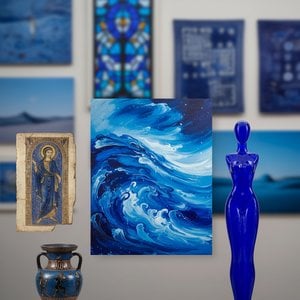
The Allure of Azure: Exploring the Symbolic & Aesthetic Depths of Blue in Art History
Explore the rich history of blue in art! Discover its symbolism, from ancient pigments to modern masterpieces by Kandinsky & Seurat. Uncover the psychological impact and cultural meanings behind this captivating hue.

Топ-10 знаменитих картин у відтінках сіро-блакитного: мистецтво для вашого дому
Пориньте у світ сіро-блакитного кольору! Від Моне до Ренуара – топ-10 знаменитих картин, що зачаровують глибиною відтінків. Історія мистецтва, техніки та натхнення для вашого дому. Знайдіть репродукцію мрії на ArtsDot.com!