
- Додому

- Репродукція картини олією
- Петер Морк Мønsted
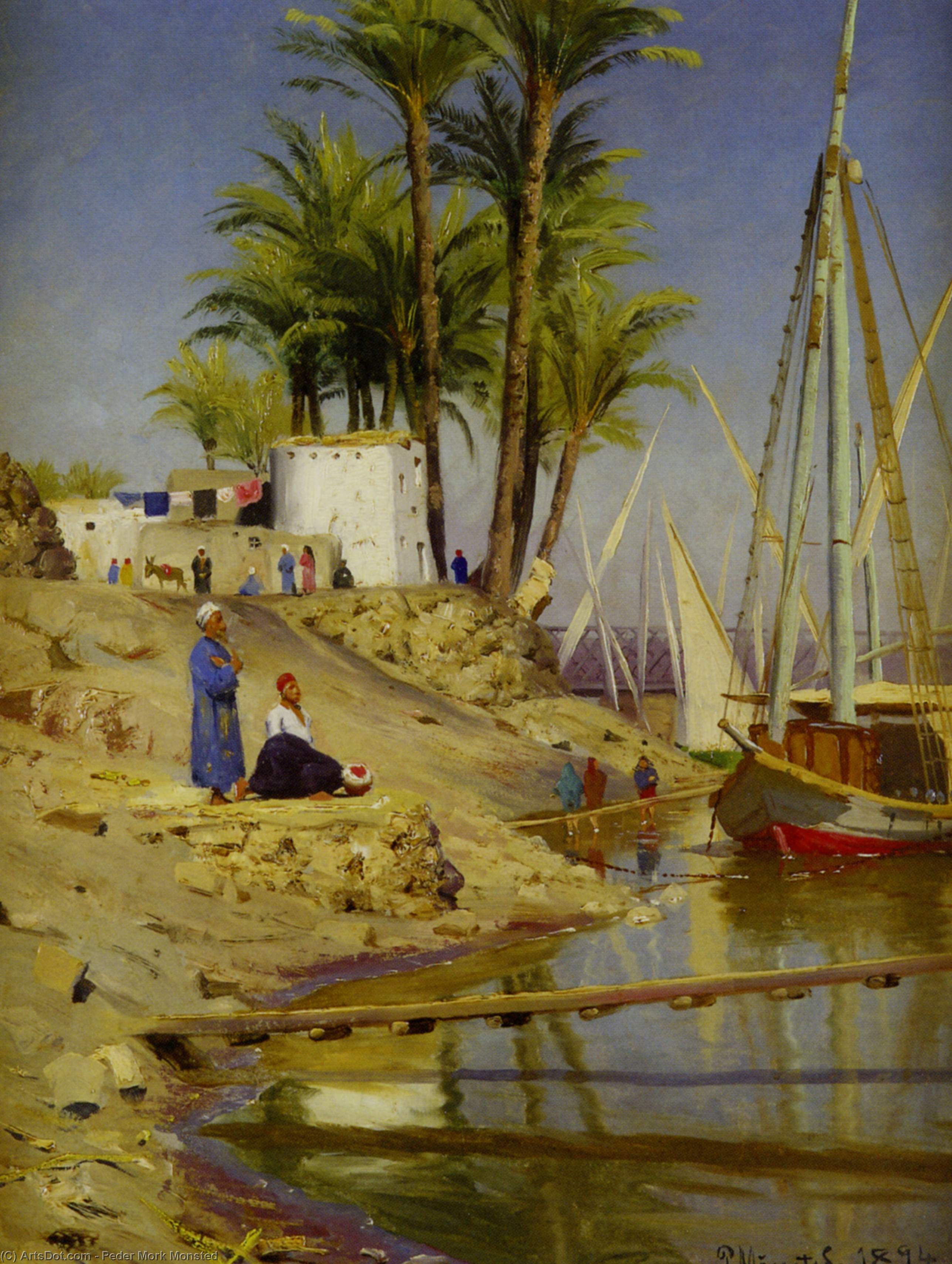
- View of Cairo
 Замовити друк Купити цифрове зображення
 Надіслати
 Поділитися
 Details
 Додати до улюблених

 Завантажити
 Схожі вироби
 X-Ray
X-Ray
 Слайд-шоу
View of Cairo

Олійная репродукція ручної роботи
Написана вручну олією на полотні у вашому розмірі та рамі, виготовлена на замовлення нашими художниками.




































 Читати далі
Обирайте з наших стандартних розмірів, що відповідають оригінальним пропорціям твору мистецтва.

Ви можете вказати власні розміри, щоб репродукція підійшла до конкретної рами або інтер'єру. Якщо вибраний вами розмір не відповідає пропорціям оригіналу, ми або обріжемо полотно, або доповнимо картину додатковими елементами, промальованими вручну. Цифровий макет буде надіслано вам на затвердження перед початком виробництва.
Зверніть увагу, що попередній перегляд на екрані не відображає фактичне обрізання або розширення зображення. Тільки макет точно покаже остаточну композицію.
Хоча ми можемо виготовити виріб у нестандартному розмірі, для збереження оригінальних пропорцій рекомендуємо обирати варіанти зі встановленого списку.
Після оформлення замовлення команда ArtsDot.com зв'яжеться з клієнтом електронною поштою для отримання інструкцій та надасть попередній макет
Доставка по всьому світу () за 3–4 тижні замість стандартних 5 тижнів. (1 Липень). Без жодних компромісів у якості.

Безкоштовна експрес-доставка по всьому світу

Високоякісне лляне полотно

Повне страхове покриття доставки

Гарантія відшкодування митних зборів

Гарантія точного відтворення кольорів

Політика повернення протягом 60 днів (лише у разі виявлення дефектів)

Гарантія повернення 100% коштів

Знижка на багатоелементні замовлення
 Скляний варіант доступний лише для розмірів до 110 см

View of Cairo
Матеріал репродукції
Розмір репродукції
-


Підсумкова ціна
-
Схожі витвори мистецтва


Біографія митця
Peder Mørk Mønsted (1859 - 1941): A Master of Danish Realism
Peder Mørk Mønsted (1859 – 1941) stands as a cornerstone of Danish realist painting, an artist whose unwavering dedication to meticulous observation and masterful technique cemented his legacy as one of the foremost landscape painters of his era. Born December 10, 1859, in Balle Mølle near Grenå, Denmark—a region steeped in pastoral tradition—Mønsted’s formative years were marked by familial prosperity, affording him the freedom to pursue his artistic passions with unwavering conviction. This nurturing environment fostered a profound connection to the Danish countryside and instilled within him an aesthetic sensibility that would define his entire oeuvre.Early Training and Academic Foundations
Formal training commenced at Aarhus Art School in 1875, where Mønsted honed foundational skills under Andries Fritz, absorbing the principles of traditional painting techniques—a crucial step toward mastering form and composition. He quickly demonstrated a remarkable aptitude for capturing the nuances of light and shadow, reflecting an innate understanding of atmospheric perspective. Subsequently, he enrolled at the Royal Danish Academy of Fine Arts from 1875 to 1879, benefiting from the tutelage of Niels Simonsen and Julius Exner. These influential mentors instilled in him a deep appreciation for color theory and compositional balance, elements that would permeate his subsequent works. Notably, his exposure to Peder Severin Krøyer’s Impressionistic approach broadened his artistic horizons, subtly shaping his evolving style—a testament to the dynamism of artistic influences during this period. Mønsted's early work often featured detailed depictions of rural life and landscapes, demonstrating a clear commitment to capturing the essence of the Danish countryside with remarkable accuracy.A Wanderer’s Palette: Travels and Artistic Inspiration
Mønsted’s artistic journey extended far beyond the confines of Denmark; he embarked on extensive travels throughout Europe and North Africa, experiences that profoundly enriched his understanding of light, color, and landscape. His visit to Algeria in 1889 introduced him to the dramatic chiaroscuro effects characteristic of desert vistas—a departure from the tranquil Scandinavian landscapes that would become his trademark. He meticulously studied the interplay of light and shadow on sand dunes and rocky formations, incorporating these observations into his later works. Similarly, his sojourn in Greece in 1892 captivated him with the grandeur of classical scenery and afforded him the opportunity to portray King George I and his family, securing a place for Mønsted within the annals of Danish royal portraiture. Subsequent explorations into Egypt and Spain further broadened his artistic repertoire, exposing him to diverse cultural traditions and inspiring new compositional ideas. These travels weren’t merely scenic; they were deeply formative, shaping his perception of light, color, and the relationship between humanity and nature.Style and Technique: The Pursuit of Detail
Mønsted’s distinctive style—characterized by unwavering realism—was underpinned by a meticulous attention to detail. Unlike artists who sought to romanticize or embellish their subjects, Mønsted relentlessly pursued faithful representation, employing painstaking observation and masterful brushwork to capture the essence of his chosen scenes. His landscapes—often depicting snowy winter vistas, serene waterscapes, and dense forests—were rendered with extraordinary precision, reflecting a belief that art should strive for accuracy rather than mere emotional expression. He skillfully blended academic training with photorealistic techniques, creating paintings that possessed both technical brilliance and visual resonance. The influence of Krøyer’s Impressionism is evident in his careful orchestration of light and shadow, generating an atmosphere imbued with tranquility and contemplative beauty. He favored a palette of muted tones—grays, blues, and browns—to evoke the subtle nuances of natural light and create a sense of atmospheric depth.Recognition and Legacy
Throughout his prolific career, Mønsted consistently exhibited at Charlottenborg Exhibition in Copenhagen—a prestigious institution that served as a barometer of artistic taste—garnering widespread acclaim both within Denmark and internationally. His paintings achieved particular popularity in Germany, where he held several successful exhibitions at the Glaspalast in Munich—a testament to his enduring appeal among collectors and critics alike. His works often depicted scenes of rural life, winter landscapes, and serene waterways, resonating with viewers who appreciated his ability to capture the beauty and tranquility of the Danish countryside. Today, Mønsted’s paintings reside primarily in private collections, yet significant examples can be found in institutions such as the Chi-Mei Museum in Taiwan and the Dahesh Museum in New York—affirming his place within the canon of Danish realist painting and ensuring that his artistic vision continues to inspire generations of viewers. His legacy transcends mere stylistic innovation; it resides in his unwavering commitment to capturing the sublime beauty of the natural world with unparalleled sensitivity and technical mastery.Key Works
* *A Tranquil Pond* (1907): A quintessential example of Mønsted’s meticulous attention to detail, showcasing the shimmering surface of water reflecting the surrounding landscape. * *(ca. 1917–18) Snow Scene*: Illustrates his ability to capture the ethereal quality of snow-covered landscapes, emphasizing the interplay of light and shadow. * *The Cart. Snow-covered Road at Honfleur* (ca. 1867): Demonstrates Mønsted’s skill in portraying atmospheric effects and creating a sense of depth through careful brushwork.
Петер Морк Мønsted
1859 - 1941 , Данія
Короткі факти
- Artistic Movement Or Style: Реалізм
- Artists Or Movements Influenced By This Artist: ['Романтизм']
- Artists Who Influenced This Artist:
- Нілс Сімоненс
- Юлій Екнер
- Date Of Birth: 10 груд., 1859
- Date Of Death: 20 черв., 1941
- Full Name: Peder Mørk Mønsted
- Nationality: Данецький
- Notable Artworks:
- Затишне ставково
- Річкова картина
- Place Of Birth: Балле, Данія

