

 Переглянути в інтер'єрі
 Надіслати
 Поділитися
 Деталі

 Завантажити
 Схожі експонати
 Рентгенівське дослідження
 Слайд-шоу
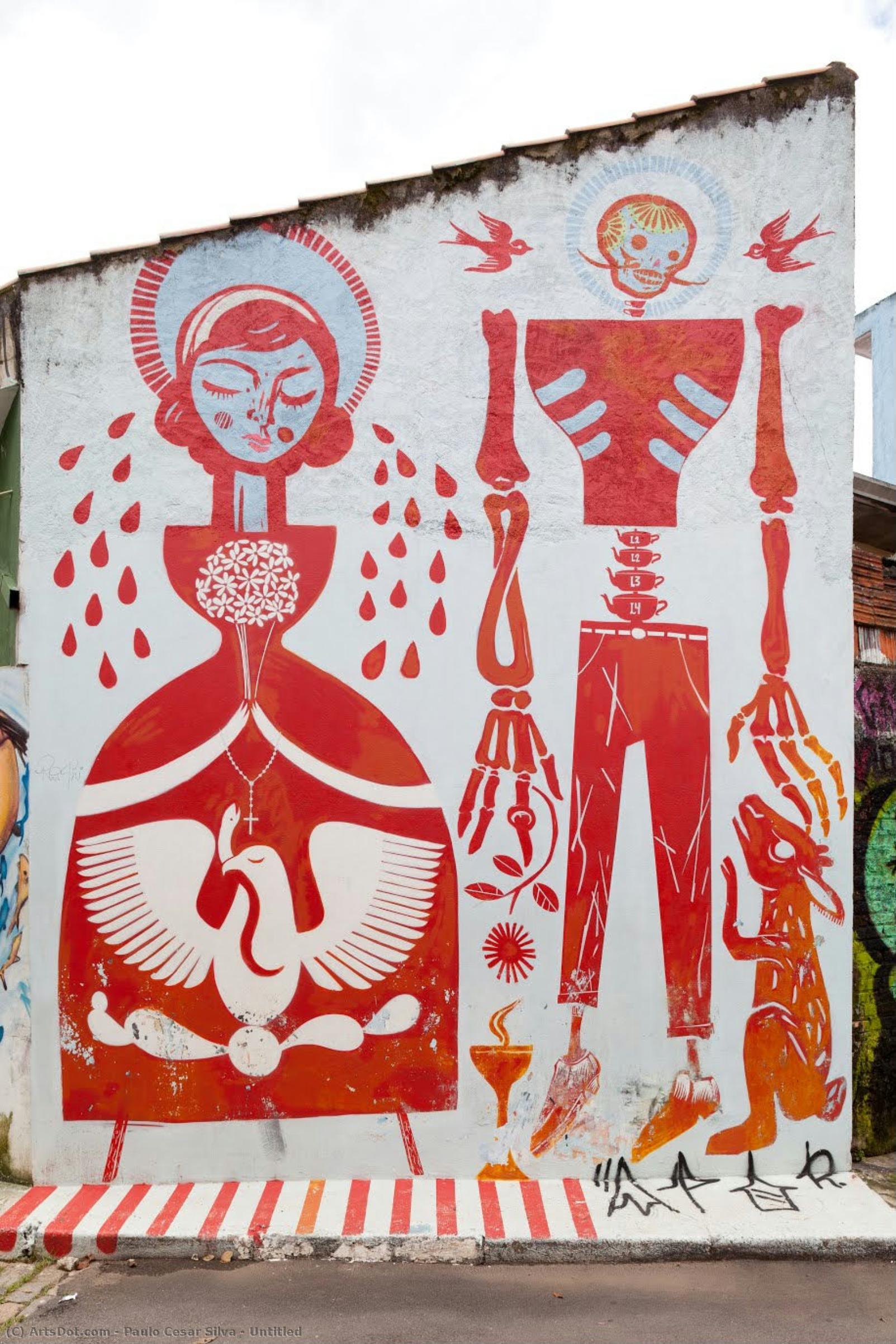
Untitled


 Читати далі
Гікле / Художній принт
Музейна якість друку جيкле або на полотні з оперативним виготовленням та різноманітними варіантами фінішної обробки. ( Купити картину ручної роботи Купити зображення)




































Обирайте з наших стандартних розмірів, що відповідають оригінальним пропорціям твору мистецтва.

Ви можете вказати власні розміри, щоб репродукція ідеально підійшла до конкретної рами або інтер'єру. Якщо обраний вами розмір не відповідає пропорціям оригіналу, ми або обріжемо полотно, або розширимо зображення за допомогою дзеркального відображення чи суцільної заливки країв. Перед початком виробництва вам буде надіслано цифровий макет для затвердження.
Будь ласка, зверніть увагу, що попередній перегляд на екрані не відображає фактичне обрізання або розширення. Тільки макет точно покаже фінальну композицію.
Хоча можливість замовлення індивідуальних розмірів доступна, ми рекомендуємо обирати формат із попередньо визначеного списку, щоб зберегти оригінальні пропорції.
Доставка по всьому світу () за 2 тижні замість стандартних 4/5 тижнів. (12 Серпень)

Безкоштовна експрес-доставка по всьому світу

Високоякісне лляне полотно

Повне страхове покриття доставки

Гарантія відшкодування митних зборів

Гарантія точного відтворення кольорів

Політика повернення протягом 60 днів (лише у разі виявлення дефектів)

Гарантія повернення 100% коштів

Знижка на оптові замовлення
 Скляний варіант доступний лише для розмірів до 110 см

Untitled
Гікле / Художній принт
Розмір репродукції
-


Загальна вартість
$ 62
Біографія митця
The Vibrant World of Speto: A Pioneer of Brazilian Street Art
Paulo Cesar Silva, known globally as Speto, emerged from the bustling streets of São Paulo in 1985, a city that would become both his canvas and his greatest inspiration. His journey began not with grand artistic ambition, but with a childhood fascination for flight—a dream of becoming a pilot quickly superseded by an unexpected passion ignited by the raw energy of the 1985 film *Beat Street*. This cinematic experience proved transformative, sparking a lifelong dedication to graffiti and street art that would ultimately position him as one of Brazil’s foremost artistic pioneers. Speto's early explorations weren’t merely imitative; they were an immediate expression, a need to translate the visual language he discovered on screen into his own urban environment. He recalls grabbing a can of spray paint just days after seeing the film and beginning to adorn the streets with his burgeoning style—a commitment that has never wavered.Roots in Contrast: Family, Folklore, and Early Influences
The artist’s unique aesthetic is deeply intertwined with his upbringing. Speto often speaks of a family dynamic defined by beautiful contrasts – a father valuing kindness and community, a mother steeped in religious tradition. This duality fostered an early appreciation for harmony within opposition, a principle that permeates his work. He describes striving to “put opposites together, in harmony,” reflecting the blend of influences that shaped his artistic vision. Beyond familial impact, Speto’s art is profoundly rooted in Brazilian folklore and *Cordel* literature—the DIY booklets sold by street vendors, characterized by their woodcut-style illustrations and narrative storytelling. These vibrant tales and bold imagery became a cornerstone of his visual vocabulary, imbuing his murals with a distinctly Brazilian spirit. His grandfather, a samba musician, and artists like Picasso and Frida Kahlo also played pivotal roles in shaping his artistic sensibilities.Developing a Signature Style: Distortion, Eyes, and Bold Murals
Speto’s work is instantly recognizable for its figurative distortions of animals and humans, rendered with a playful simplicity that belies their depth. A defining characteristic is the meticulous detail he invests in eyes—often large, expressive, and imbued with a captivating sense of life. These eyes aren't merely anatomical features; they are windows into souls, conveying emotion and inviting viewers to connect with his characters on a deeper level. His murals, often executed on a grand scale, are designed to be immediately accessible, “readable from a distance,” as he puts it—a testament to his understanding of the urban landscape and its inherent challenges for art appreciation. This accessibility doesn’t sacrifice complexity; rather, it serves as an invitation, drawing viewers closer to discover layers of symbolism and cultural references woven into each piece.From Local Recognition to Global Impact: Major Achievements
Speto's rise from a local graffiti artist to an internationally acclaimed muralist has been marked by significant milestones. He gained prominence in the 2000s as Brazil began to recognize graffiti as a legitimate art form, collaborating with prominent Brazilian bands like O Rappa, Raimundos, and Planet Hemp. A pivotal moment came in 2014 when he was commissioned to create the visual identity for the FIFA World Cup held in Brazil—a testament to his growing influence and artistic credibility. Since then, Speto’s work has graced walls across more than fifteen countries, including Europe and the United States, solidifying his position as a global ambassador of Brazilian street art. His recent collaboration with the UNDP on the *Don't Choose Extinction* campaign, featuring reimagined dinosaur imagery, demonstrates his commitment to using art as a platform for social commentary and environmental awareness.Historical Significance: A Pioneer Bridging Cultures
Speto’s legacy extends beyond his striking murals; he represents a pivotal moment in the evolution of Brazilian street art—a transition from rebellious subculture to respected fine art form. He is credited with helping to legitimize graffiti within Brazil, paving the way for future generations of artists. His ability to seamlessly blend traditional hip-hop aesthetics with indigenous folklore and personal narratives has created a unique visual language that resonates across cultures. He embodies a spirit of inclusivity and collaboration, working not only on large-scale public projects but also engaging in community initiatives and educational programs. Speto’s work is a powerful reminder of the transformative potential of art—its ability to bridge divides, spark dialogue, and inspire positive change. He continues to push boundaries, challenging conventional notions of artistic expression and leaving an indelible mark on the global street art landscape.
paulo cesar silva
1985 - , Brazil
Досьє митця
- Artistic Movement Or Style: Street art, Folk art
- Artists Who Influenced This Artist:
- Picasso
- Frida Kahlo
- Date Of Birth: 1985
- Full Name: Paulo Cesar Silva
- Nationality: Brazilian
- Notable Artworks: ['Untitled']
- Place Of Birth: São Paulo, Brazil

