

 Переглянути в інтер'єрі
 Надіслати як листівку
 Поділитися
 Деталі витвору
 Посібник

 Завантажити
 Схожі екземпляри
 Рентгенівське дослідження
 Слайд-шоу
 Питання та відповіді
 Статистика
Cathedral


 Розгорнути текст
Гікле / Художній принт
Друк جيкле або на полотні музейної якості з оперативним виготовленням та різноманітними варіантами фінішної обробки. ( Замовити картину ручної роботи Перейти до цифрових зображень)




P118B ₴10

P118H ₴10

P118W ₴10

P438Z ₴10

P508JH ₴12

P508YH ₴12

P805H ₴10

P805Z ₴10

P919BZ ₴10

P919G ₴10

P919XJ ₴10

P959ZH ₴10

P968JZ ₴12

W106C ₴8

W218G ₴10

W218JH ₴8

W218Y ₴10

W307PJ ₴10

W316G ₴10

W316PJ ₴8

W316Y ₴10

W398PJ ₴8

W4111J ₴10

W500HY ₴15

W500JH ₴15

W692G ₴12

W849H ₴8

W940BG ₴15

W953PJ ₴8




Обирайте з наших стандартних розмірів, що відповідають оригінальним пропорціям твору мистецтва.

Введіть необхідну ширину та висоту, щоб принт ідеально підійшов до вашої рами або стіни. Принт можна лише обрізати, але не можна зробити більшим за оригінал, тому при зміні пропорцій частина зображення буде втрачена. Перед друком ми надсилаємо вам цифровий макет для затвердження. Зображення на цій сторінці не відображає реальну обрізку — її можна побачити лише на макеті.
Доставка по всьому світу () за 2 тижні замість стандартних 4/5 тижнів. (20 Листопад)

Безкоштовна експрес-доставка по всьому світу

Високоякісне лляне полотно

Повне страхове покриття доставки

Гарантія повернення митних зборів

Гарантія точного відтворення кольорів

Політика повернення протягом 100 днів (лише у разі виявлення дефектів)

Гарантія повернення 100% коштів

Пропозиція на оптові замовлення
 Скляний варіант доступний лише для розмірів до 110 см

Cathedral
Гікле / Художній принт
Розмір репродукції
-


Підсумкова вартість
₴ 2839
Introduction to Jackson Pollock and Abstract Expressionism
Paul Jackson Pollock, known professionally as Jackson Pollock, was an American painter and a major figure in the abstract expressionist movement. He is best known for his unique style of drip painting, which he developed during the 1940s and 1950s. Abstract expressionism emerged in the mid-20th century as a reaction against conceptual art and minimal art of the 1970s, characterized by intense subjectivity and rough handling of materials.The Cathedral: A Testament to Pollock's Artistic Vision
"Cathedral" is a classic example of Pollock's drip painting technique, which involves pouring or splattering paint onto an unprimed canvas laid on the floor. The result is a complex web of lines and shapes that create a dynamic and visually engaging composition. In this painting, Pollock uses a limited color palette, consisting primarily of black, white, and gray, to create a sense of depth and movement. "Cathedral" is a testament to Pollock's artistic vision and his ability to convey emotion through abstract forms. The painting invites the viewer to explore its intricate details and to find their own meaning in its complex web of lines and shapes. It is a masterpiece of abstract expressionism, demonstrating Pollock's unique style and his contribution to the development of modern art.The Significance of Jackson Pollock's Art
Pollock's art has had a profound impact on the world of modern art. His drip painting technique was revolutionary, breaking away from traditional methods of painting and paving the way for new forms of expression. Pollock's work is also significant because it challenged conventional notions of what constitutes art. By creating abstract compositions that were open to interpretation, he encouraged viewers to engage with his work on a deeper level and to find their own meaning in his paintings.Conclusion
"Cathedral" is a masterpiece of abstract expressionism, demonstrating Pollock's unique style and his contribution to the development of modern art. It invites viewers to explore its intricate details and to find their own meaning in its complex web of lines and shapes. As a testament to Pollock's artistic vision and his ability to convey emotion through abstract forms, "Cathedral" is an essential work for any art lover or collector.- Learn more about the Art Movements and Styles available on ArtsDot.com
- Discover more works by Jackson Pollock on ArtsDot.com
Питання та відповіді
Для чого рекомендується використовувати «Cathedral» роботи Джексон Поллок?
Рекомендоване використання відбитка «Cathedral» — це Акцент.
Яке розміщення найкраще підходить для формату «Cathedral» роботи Джексон Поллок?
Завдяки своїй формі Високий та вузький, репродукція «Cathedral» чудово підійде для Вітальня.
Яку емоцію передає твір "Cathedral", що належить до стилю Abstract Expressionism?
Загадковий емоційність твору "Cathedral" підкреслюється його стилем Abstract Expressionism.
Схожі твори мистецтва


Біографія митця
Ранні роки, сім'я та навчання
Історія Пола Джексона Поллока бере свій початок у суворих краєвидах Коді, штат Вайомінг, де він народився 28 січня 1912 року. Він був наймолодшим із п'яти братів у сім'ї Стелли Мей Маклур та Лероя Поллока. Його батько працював геодезистом — професія, що вимагала постійного руху через безкраї простори американського Заходу. Це кочове існування означало, що ранні роки хлопчика пройшли у постійних переїздах; ця невгамовність, здавалося, дзеркально відображала мінливі горизонти батьківської праці. Ранні мандрівки Заходом подарували йому безпосередній, чистий контакт із природою та духовним резонансом мистецтва індіанців — враження, що тихо осіли в його підсвідомості задовго до того, як він вперше взяв у руки пензель.
З віком пошук свого місця у світі привів його до урбаністичної енергії узбережжя. Він вступив до середньої школи Manual Arts у Лос-Анджелесі, намагаючись знайти певну структуру для своїх щойно народжуваних імпульсів. Проте справжнє формування його майстерності відбулося набагато пізніше, коли він переїхав до Нью-Йорка. Саме там, у Лізі художників-студентів (Art Students League), розпочався його тривалий і трансформаційний період навчання. З 1929 по 1942 рік він працював під керівництвом Томаса ГАРТА Бентона. І хоча Бентон наголошував на ритмічних композиціях та наративній глибині американського життя, молодий студент уже тоді починав відхилятися від цих канонів, шукаючи власні, більш абстрактні, внутрішні істини.
Розвиток унікальної техніки
До 1947 року у підході художника до полотна відбувся глибокий тектонічний зсув. Він відмовився від традиційного мольберта, натомість вирішивши класти свої полотна безпосередньо на підлогу. Ця зміна дозволила йому стояти над своєю роботою, стаючи повноцінною частиною самого акту творення. Він не просто наносив фарбу; він розбризкував, стікав і розкидав її зверху, дозволяючи рідині падати непередбачуваними візерунками. Цей метод перетворив процес малювання на фізичний перформанс, де гравітація та жест диктували остаточну форму твору.
Його інструменти були такими ж нетрадиційними, як і самі методи. Він використовував палички, ножі та навіть шприци, щоб маніпулювати рідкою масою фарби. Іноді він застосовував кельми або стікаючу фарбу для створення специфічних текстур. Він часто процарапував поверхню або використовував незвичні предмети, щоб вибудувати товстий шар фарби, додаючи роботі тактильної, майже скульптурної якості. Цей процес був менше про контрольовану роботу пензлем і більше про ритмічне, майже первісне вивільнення енергії на поверхню полотна.
Ключові твори та художні вираження
Відмовившись від обмежень традиційного станцва, його полотна почали відображати більш вісцеральний, первісний зв'язок із матеріалом. У 1943 році він створив Mural — масштабне полотно розміром 2,4 на 6,1 метра, що продемонструвало його здатність опановувати величезний простір. У цей період дослідження підсвідомого та сам акт малювання привели до появи таких робіт, як Eyes in the Heat, створеної приблизно у 1946 році. Ці твори були не просто зображеннями, а записами фізичної присутності, де рух усього тіла диктував розташування кожної бризки та кожної плями кольору.
Наступні роки присвятилися вдосконаленню ритмічних, всеохопних композицій, які згодом стали основою його слави. Він прагнув створити відчуття безмежного простору, де жодна окрема точка не домінувала б над іншими. Цей підхід чітко простежується у роботі Number 1, 1949, що втілює необузданий виплеск енергії, та в Lavender Mist, Number 1, 1950, яка залишається одним із найважливіших його досягнень. У цих творах взаємодія між контролем і випадковістю створює витончений баланс, наче фарба не наносилася, а вивільнялася назовні.
Його пізніші експерименти продовжували розсувати межі того, як можна маніпулювати фарбою на горизонтальній поверхні. Він часто використовував палички, ножі або навіть самі банки, щоб розкидати пігмент, створюючи складні мережі ліній. Цей метод чітко виражений у Blue Poles, Number 11, 1952 та в енергійній Convergence. Завдяки цим роботам він досяг стану, коли картина, здавалося, мала власне життя, народжуючись із глибокого занурення у власну уяву.
Меценати, майстерня та замовлення
Шлях його кар'єри формувався під впливом як суспільних потреб, так і щедрості кількох надзвичайно важливих покровительів. У період з 1938 по 1942 рік він мав стабільну роботу художником у Федеральному мистецькому проєкті WPA, що забезпечило необхідний ритм його творчій практиці, яка на той час лише починала розкриватися. Ця стабільність змінилася більш особистим та трансформаційним союзом, коли у липні 1943 року Пеггі Гуггенхайм запропонувала йому контракт для своєї галереї. Її підтримка виявилася значно більшою за професійну: у 1945 році вона надала йому 2000 доларів першого внеску, щоб допомогти придбати житло — жест, що глибоко переплетив його особисте життя з виживанням як митця.
Зрештою, центр його творчого життя змістився до Іст-Гемптона, штат Нью-Йорк. Там, у будинку-студії Поллока та Краснер, він жив і працював разом зі своєю дружиною, Lii Krasner. Студія була простором інтенсивного фізичного руху, де межі між художником і полотном розчинялися. Він часто відмовлявся від традиційного станцва, віддаючи перевагу тому, щоб розкладати полотна прямо на підлозі, взаємодіючи з фарбою з усіх боків. Це робоче місце було не просто кімнатою для створення картин, а місцем глибокої, неспокійної енергії, де відбувалися його найрадикальніші експерименти.
Останні роки та смерть
Особисте життя митця було нерозривно переплетене з його творчими пошуками та внутрішньою боротьбою. У 1945 році він одружився з художчею Лі Краснер — цей союз став визначальною силою у його житті в період найважливіших трансформацій. Проте за зовнішнім блиском професійного злету приховувалася невблагадна тінь. Протягом усього свого життя він ведення незриму боротьбу з алкогольною залежністю — битву, яка часто ускладнювала його існування та заважала справлятися з тиском зростаючої слави.
Цей внутрішній та зовнішній хаос завершився трагічно в Іст-Гемптоні, штат Нью-Йорк, США. 11 серпня 1956 року, у віці 44 років, його життя обірвалося в раптовій та жорстокій аварії. Під час керування автомобілем він потрапив у ДТП, спричинену алкогольним сп'янінням. Катастрофа стала фатальною, залишивши по собі спадщину, настільки ж бурхливу та непередбачувану, як і фарби, що він розкидав по своїх полотнах.
Спадщина та вплив на сучасне мистецтво
Відлуння його радикальних методів розійшлося далеко за межі стін студії в Іст-Гемптоні. Розірвавши традиційний зв'язок між пензлем та станком, він став центральною постаттю у русі абстрактного експресіонізму — зсув, що докорінно змінив траєкторію американської творчості. Його присутність допомогла зміцнити статус Нью-Йорка як світового центру сучасного мистецтва, перемістивши серце авангарду з-під європейського домінування. Він був серед перших американських художників, кого визнали рівним великим європейським майстрам XX століття, довівши, що нова, вісцера мова може виникнути безпосередньо на американській землі.
Його вплив став каталізатором для багатьох наступних мистецьких течій, що виникли на його слідах. Те, як він взаємодіяв із полотном — сприймаючи його як арену для фізичної дії, а не просто поверхню для репрезентації, — відкрило двері для багатьох митців, що прагнули виразити підсвідоме через жест. Цей акцент на самому процесі творення залишив незгладимий слід в історії сучасного мистецтва, гарантуючи, що спонтанність та непередбачуваність назавжди займатимуть своє місце в інструментарії художника.
- Number 1, 1949
- Blue Poles: Number 11, 1952
- Convergence
- Autumn Rhythm. Number 30, 1950
Де можна побачити його роботи сьогодні
Щоб побачити фізичні сліди його рухів, необхідно відвідати великі інституції, які зберегли його радикальну енергію. У Нью-Йорку Музей сучасного мистецтва зберігає кілька його полотен, дозволяючи глядачам стояти перед розлогими, нецентрованими композиціями, що визначили його епоху. Національна галерея мистецтв у Вашингтоні також тримає його роботи, пропонуючи простір для спостереження за складними мережами кольору, яких він досяг завдяки своїм унікальним методам. По той трансатлантичний берег, Галерея Тейт в Лондоні підтримує його присутність у своїх колекціях, гарантуючи, що його вплив сягає далеко за межі американських берегів.
Для тих, хто прагне більш інтимного зв'язку з його творчим процесом, будинок-студія Поллока та Краснер у Іст-Гамптоні пропонує глибоке відчуття місця. Цей об'єкт, що є національною історичною пам'яткою, був простором, де він та його дружина Лі Краснер жили та працювали. Ця територія залишається життєво важливим зв'язком з його життям, зберігаючи середовище, що плекало його перехід від традиційних форм до спонтанних методів роботи на підлозі, які змінили хід розвитку сучасного живопису. Прогулянка цими просторами дарує відчуття масштабу та фізичної реальності його творчої боротьби.
- Number 1, 1949
- Blue Poles: Number 11, 1952
- Mural (1943)
- Convergence

Джексон Поллок
1912 - 1956 , Сполучені Штати Америки
Короткі факти
- Artistic Movement Or Style: Абстрактний експресіонізм
- Artists Or Movements Influenced By This Artist:
- Живопис кольорового поля
- Абстрактний експресіонізм
- Artists Who Influenced This Artist:
- Томас Гарт Бентон
- Хосе Клементе Ороско
- Давід Альфаро Сікейрос
- Date Of Birth: 1912
- Date Of Death: 1956
- Full Name: Пол Джексон Поллок
- Nationality: Американець
- Notable Artworks:
- Номер 1, 1950 (Лавандова мгла)
- Один: Номер 31, 1950
- Блакитні стовпи: Номер 11, 1952
- Злиття
- Place Of Birth: Коді, Сполучені Штати Америки
Пов'язані статті

Paul Jones: A Comprehensive Exploration of Technique, Context, and the Evolution of a Modern Visionary
Explore the captivating world of Paul Jones – a visionary artist bridging Baroque traditions to modern abstraction. Discover his unique technique, investment potential & curated collection at ArtsDot.
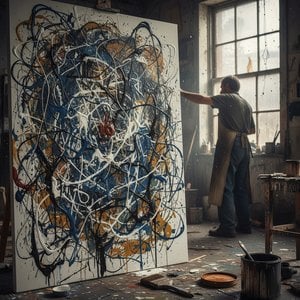
Paul Jackson Pollock: A Radical Departure – Exploring Abstract Expressionism's Pioneering Figure and His Enduring Legacy
Explore the revolutionary art of Jackson Pollock & Abstract Expressionism. Discover his iconic drip paintings, lasting impact, and considerations for collecting this pivotal American artist. Expert insights at ArtsDot.

David Hockney: A Retrospective on Pop Art's Chronicler of Light, Space, and the Everyday
Explore the life & work of David Hockney, Pop Art's master chronicler. Discover his iconic paintings, Californian landscapes, and lasting influence on modern art. Expert analysis for collectors.

Топ-10 шедеврів абстрактного експресіонізму: мистецтво, яке змінила епоху | ArtsDot.com
Відкрийте для себе 10 шедеврів абстрактного експресіонізму! Дізнайтесь історію Поллока, Ротко та інших геніїв. Репродукції картин преміум-якості для вашого дому від ArtsDot.com. Дослідіть колекцію онлайн!

Paul Jenkins: Abstraction, Color Field Painting & the Pursuit of Lyrical Expression
Explore the captivating world of Paul Jenkins, a pioneer of abstract expressionism & color field painting. Discover his unique ‘Phenomena’ series and investment potential for art collectors. Expert insights at ArtsDot.


