
- Додому

- Цифрове зображення
- Нікола Пуссен
- Sleeping Venus Surprised by Satyrs
 Замовити друк Замовити репродукцію
 Надіслати
 Поділитися
 Details
 Додати до улюблених

 Завантажити
 Схожі вироби
 X-Ray
X-Ray
 Слайд-шоу
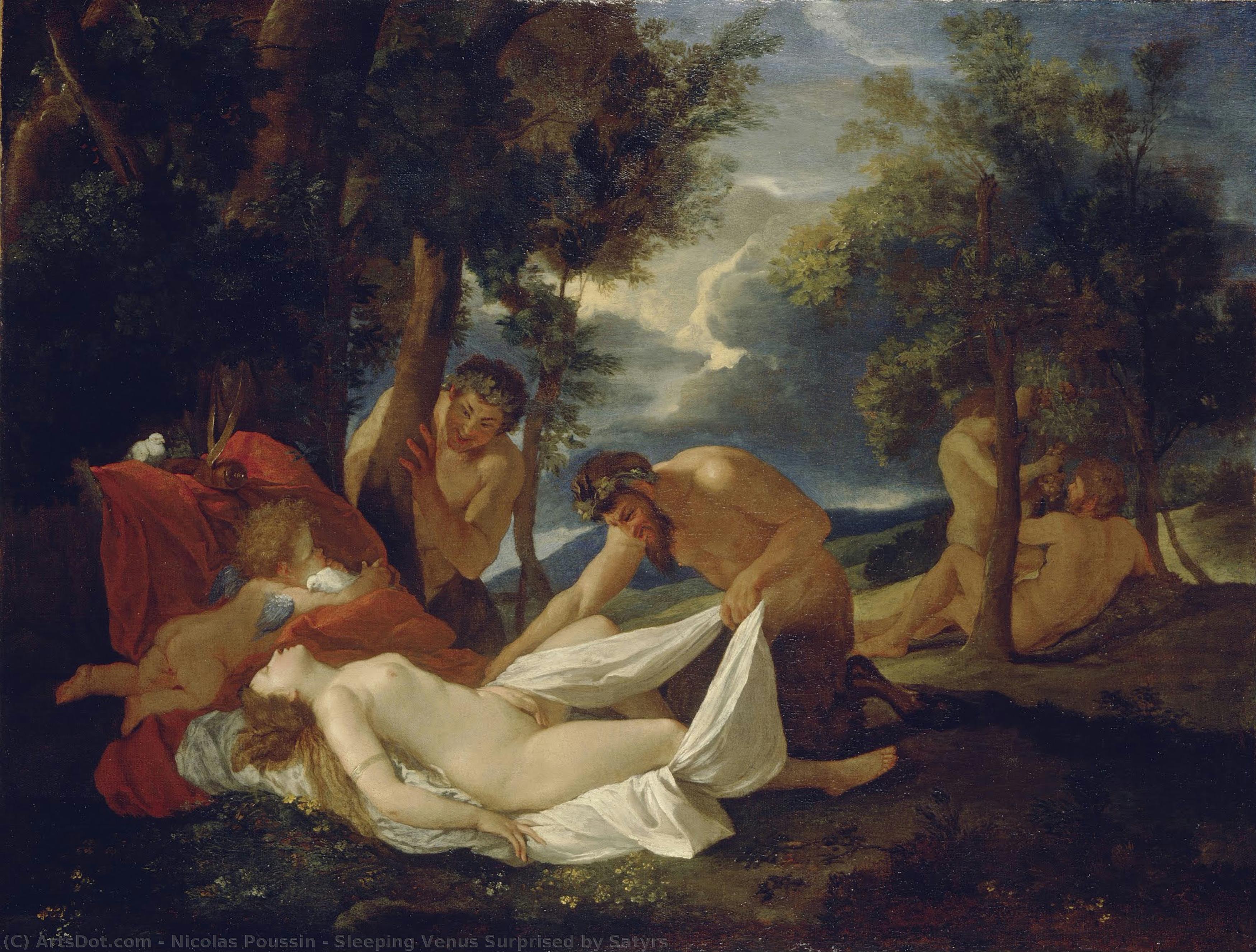
Sleeping Venus Surprised by Satyrs
 Акрил на полотні
- Настінне мистецтво
- Baroque
 1625
1625- — Відродження
 77.0 x 100.0 cm
 Художественный музей Цюриха
Придбайте цифрову копію високої роздільної здатності з покращеною якістю, що значно перевершує онлайн-перегляд.
Кожен файл ретельно підготовлений нашими фахівцями за допомогою сучасних інструментів та професійної ручної ретуші. Ми гарантуємо виняткову чіткість, точну передачу кольору та високу деталізацію кожного зображення.
Фінальний файл надсилається електронною поштою протягом 72 годин і оптимізований для негайного використання у професійних виданнях та друкованих матеріалах. Таку якість обирають провідні дизайнерські студії, видавництва та галереї.
 Читати далі
Цифрове зображення
Завантажте файл високої роздільної здатності для особистого перегляду, друку та творчих проєктів.
Включено в кожне замовлення цифрових зображень
Експертна цифрова доставка, гарантовано
Обираючи ArtsDot.com, ви отримуєте не просто зображення — ви отримуєте професійно вдосконалений цифровий витвір мистецтва, створений з надзвичайною точністю та підкріплений гарантією задоволення. Ось усе, що автоматично додається до вашого замовлення:

Швидка доставка на email
Ваш цифровий файл із зображенням високої роздільної здатності буде надісланий вам електронною поштою протягом 72 годин після оформлення замовлення — він буде готовий до негайного використання.

Цифровий файл із покращенням ШІ
Ваш витвір мистецтва професійно оптимізовано за допомогою передових інструментів штучного інтелекту та ручної корекції, що забезпечує максимальну деталізацію, чіткість і точність передачі кольорів.

Безкоштовне повторне надання послуг протягом усього життя
Випадково видалили або втратили файл? Не хвилюйтеся — ми надішлемо його вам повторно в будь-який час безкоштовно.

Без митних зборів — завжди
Насолоджуйтесь вашим витвором мистецтва миттєво без жодних мит, зборів або плати за доставку — цифрові завантаження завжди не оподатковуються.

Гарантія точності кольорів
Ми гарантуємо, що ваше цифрове зображення максимально точно відтворює оригінальні кольори завдяки використанню професійних інструментів та систем управління кольором.

Гарантія задоволення протягом 60 днів
Якщо ви не задоволені придбаним цифровим зображенням, ми відкоригуємо його або повернемо 100% вартості протягом 60 днів — без жодних запитань.

Гарантія повернення 100% коштів
Не задоволені покупкою? Отримайте повне повернення коштів протягом 60 днів після отримання цифрового файлу — без жодних запитань.

Знижки на оптові замовлення
Купуйте 3 зображення — заощаджуйте 10% — Купуйте 5 — заощаджуйте 15% — Купуйте 10+ — заощаджуйте 20%. Чудово підходить для творчих проєктів, галерей та агентств.
Опис колекційного об'єкта
A Baroque Reverie: Unveiling Poussin’s ‘Sleeping Venus Surprised by Satyrs’
Nicolas Poussin's 1625 masterpiece, *Sleeping Venus Surprised by Satyrs*, is a captivating exploration of myth, sensuality, and the delicate balance between idyllic peace and playful disruption. This oil on canvas (77 x 100 cm), currently housed at the Kunsthaus Zürich, exemplifies Poussin’s distinctive blend of classical composure and Baroque drama – a style that would profoundly influence generations of artists.Mythological Narrative & Historical Context
The painting draws upon the rich tapestry of Greco-Roman mythology, depicting Venus, the goddess of love and beauty, in a vulnerable moment of slumber. She is surrounded by mischievous satyrs—creatures part human, part goat—poised to intrude upon her tranquility. Painted during Poussin’s early Roman period, the work reflects the 17th-century fascination with classical themes and the burgeoning interest in *poésie érotique* (erotic poetry) within artistic circles. Poussin, though French, spent most of his career in Rome, absorbing its artistic heritage while forging a unique style that balanced Italianate exuberance with French clarity.Artistic Style & Technique
Poussin’s approach is distinctly Baroque, characterized by dynamic composition and dramatic use of light and shadow. However, unlike the high drama favored by some of his contemporaries, Poussin tempers this with a carefully constructed order and a focus on linear clarity. His brushwork, influenced by Titian (a master of Venetian colorism), is confident and expressive, creating rich textures in the drapery and foliage. The scene unfolds within a lush forest setting, rendered with meticulous detail, providing a verdant backdrop to the unfolding drama.Symbolism & Interpretation
The symbolism embedded within *Sleeping Venus Surprised by Satyrs* is multi-layered. Venus’s slumber represents vulnerability and innocence, while the satyrs embody primal instincts and untamed desire. The bowl placed near her bed symbolizes comfort and luxury, contrasting with the wildness of the surrounding forest. The intrusion of the satyrs can be interpreted as a metaphor for the disruptive forces that threaten idyllic beauty or the awakening of sensual desires. It’s a scene poised between peaceful repose and impending action, inviting viewers to contemplate the complexities of love, desire, and the natural world.Emotional Impact & Aesthetic Appeal
The painting evokes a sense of both anticipation and unease. The warm color palette—rich reds, browns, and golds—creates an intimate atmosphere, while the dramatic lighting heightens the tension. Poussin’s masterful composition draws the eye to Venus as the central focal point, yet allows for exploration of the surrounding details and the playful energy of the satyrs. This work is not merely a depiction of a mythological scene; it's an invitation to experience a moment of heightened emotion and aesthetic pleasure.For Collectors & Interior Designers
*Sleeping Venus Surprised by Satyrs* offers timeless elegance and sophisticated allure. Its classical composition and harmonious color scheme make it a versatile addition to various interior styles, from traditional to contemporary. A high-quality reproduction of this painting would serve as a stunning focal point in a living room, bedroom, or study, adding a touch of Baroque grandeur and intellectual depth.- Ideal for: Collectors of Baroque art, enthusiasts of classical mythology, and those seeking statement pieces.
- Style Compatibility: Complements traditional, transitional, and eclectic interior designs.
- Color Palette: Warm tones create a welcoming and sophisticated ambiance.
Схожі витвори мистецтва


Біографія митця
Nicolas Poussin: A Life Steeped in Classical Reverie
Nicolas Poussin, a name synonymous with the grandeur of French Baroque painting, was nonetheless a soul deeply rooted in Italian soil for much of his artistic life. Born in Le Havre, Normandy, in June 1594, his early years remain somewhat veiled in mystery, yet they undoubtedly laid the foundation for a career that would become pivotal in shaping the classical tradition within French art. Though he briefly studied in Paris during the early 1610s, absorbing influences from lesser-known artists of the time, it was his journey to Rome in 1624 that truly ignited his artistic destiny. This wasn’t merely a geographical relocation; it was an immersion into the heart of antiquity, a pilgrimage to the very source of inspiration that would define his aesthetic vision. Poussin's initial forays into painting were marked by a sensuous quality reminiscent of Venetian masters like Titian, yet even in these early works, a nascent sense of order and intellectual rigor began to emerge—a foreshadowing of the style he would so masterfully refine.Early Artistic Development & Parisian Influences
Nicolas Poussin’s formative years were spent honing his craft in Le Havre, where he studied with Quentin Varin, a respected artist who instilled in him an appreciation for meticulous observation and skillful execution. His early paintings demonstrated a fascination with Venetian color palettes and techniques—a stylistic echo of the artistic fervor that characterized Venice at the time. However, even amidst this initial exuberance, Poussin’s burgeoning intellect recognized the limitations of purely decorative pursuits. He sought to elevate his art beyond mere visual spectacle, striving for a deeper engagement with philosophical concepts and historical narratives. His Parisian studies provided exposure to emerging trends in artistic thought, fostering connections with fellow artists who championed humanist ideals—a crucial step toward shaping his distinctive worldview.The Roman Years: Forging a Classical Ideal
Rome proved to be more than just a studio for Poussin; it became his intellectual crucible. He found himself amidst a vibrant circle of scholars, archaeologists, and fellow artists, notably Cassiano dal Pozzo, whose profound understanding of classical antiquity profoundly influenced the artist’s approach. Dal Pozzo's dedication to meticulously documenting ancient remains instilled in Poussin a deep respect for historical accuracy and a desire to imbue his paintings with a sense of timelessness. This period saw Poussin move away from the flamboyant exuberance of some of his contemporaries, instead embracing a style characterized by clarity, balance, and a deliberate emphasis on linear composition. He meticulously studied Raphael’s works, absorbing their harmonious arrangements and graceful forms—a formative experience that would shape his artistic sensibilities for decades to come. Simultaneously, he drew inspiration from ancient sculptures and literary sources like Ovid's *Metamorphoses*, recognizing the power of myth and allegory to convey profound truths about human existence.A Style Defined by Order & Harmony
Poussin’s distinctive style—a hallmark of French Classicism—was characterized by a remarkable restraint and precision. He eschewed dramatic gestures and emotional displays, favoring instead carefully constructed landscapes populated with idealized figures rendered in luminous colors. His compositions were governed by strict geometric principles—often employing pyramidal structures to convey stability and grandeur—reflecting the influence of Renaissance humanist thought. Unlike many Baroque painters who prioritized spectacle, Poussin sought to capture not merely what he saw but what he believed—a testament to his unwavering commitment to intellectual rigor and artistic integrity. His meticulous attention to detail—particularly in depicting drapery folds and architectural elements—demonstrated an unparalleled mastery of technique.Legacy & Influence: Shaping French Art
Despite spending the majority of his career abroad, Nicolas Poussin’s impact on French art was undeniable. He briefly returned to Paris in 1640 at the behest of Cardinal Richelieu, appointed as First Painter to the King—a position that afforded him considerable prestige and patronage but also imposed constraints upon his creative freedom. However, he soon retreated to Rome, where he continued to paint until his death in 1665—a final pilgrimage to the birthplace of Western art. His dedication to classical ideals served as a beacon for subsequent generations of French artists—influencing figures like Jacques-Louis David and Paul Cézanne who championed a similar aesthetic vision. Artists recognized Poussin’s profound understanding of humanist philosophy and his unwavering commitment to artistic excellence, securing his place as one of the most revered masters of French Baroque painting and establishing him as an enduring symbol of classical beauty and intellectual contemplation.
Нікола Пуссен
1594 - 1665 , Франція
Короткі факти
- Artistic Movement Or Style: Бароко, Класицизм
- Artists Or Movements Influenced By This Artist:
- Жак-Луї Давид
- П’єр Сезан
- Artists Who Influenced This Artist:
- Рафаель
- Тіціан
- Date Of Birth: 1594
- Date Of Death: 1665
- Full Name: Nicolas Poussin
- Nationality: Француз
- Notable Artworks:
- Зруйновання Єрусалимського Храму
- Веніс подає зброю Енейсу
- Хрещення Ісуса Христа
- Place Of Birth: Ле Havre, Франція

