

 Переглянути в інтер'єрі
 Надіслати як листівку
 Поділитися
 Деталі витвору
 Посібник

 Завантажити
 Схожі екземпляри
 Рентгенівське дослідження
 Слайд-шоу
 Питання та відповіді
 Статистика
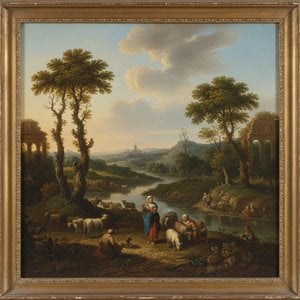
Landscape with orpheus and eurydice


 Розгорнути текст
Гікле / Художній принт
Друк جيкле або на полотні музейної якості з оперативним виготовленням та різноманітними варіантами фінішної обробки. ( Замовити картину ручної роботи Перейти до цифрових зображень)




P118B ₴10

P118H ₴10

P118W ₴10

P438Z ₴10

P508JH ₴12

P508YH ₴12

P805H ₴10

P805Z ₴10

P919BZ ₴10

P919G ₴10

P919XJ ₴10

P959ZH ₴10

P968JZ ₴12

W106C ₴8

W218G ₴10

W218JH ₴8

W218Y ₴10

W307PJ ₴10

W316G ₴10

W316PJ ₴8

W316Y ₴10

W398PJ ₴8

W4111J ₴10

W500HY ₴15

W500JH ₴15

W692G ₴12

W849H ₴8

W940BG ₴15

W953PJ ₴8




Обирайте з наших стандартних розмірів, що відповідають оригінальним пропорціям твору мистецтва.

Введіть необхідну ширину та висоту, щоб принт ідеально підійшов до вашої рами або стіни. Принт можна лише обрізати, але не можна зробити більшим за оригінал, тому при зміні пропорцій частина зображення буде втрачена. Перед друком ми надсилаємо вам цифровий макет для затвердження. Зображення на цій сторінці не відображає реальну обрізку — її можна побачити лише на макеті.
Доставка по всьому світу () за 2 тижні замість стандартних 4/5 тижнів. (10 Листопад)

Безкоштовна експрес-доставка по всьому світу

Високоякісне лляне полотно

Повне страхове покриття доставки

Гарантія повернення митних зборів

Гарантія точного відтворення кольорів

Політика повернення протягом 100 днів (лише у разі виявлення дефектів)

Гарантія повернення 100% коштів

Пропозиція на оптові замовлення
 Скляний варіант доступний лише для розмірів до 110 см

Landscape with orpheus and eurydice
Гікле / Художній принт
Розмір репродукції
-


Підсумкова вартість
₴ 2829
A Pastoral Elegy: Nicolas Poussin’s *Landscape with Orpheus and Eurydice*
This captivating landscape by Nicolas Poussin (1594-1665) is more than just a beautiful scene; it's a poignant visual interpretation of the classical myth of Orpheus and Eurydice, rendered with the refined elegance characteristic of French Baroque painting. Painted around 1650, the artwork resides in the Louvre Museum and exemplifies Poussin’s mastery of composition, color, and narrative storytelling.Decoding the Myth & Historical Context
The story of Orpheus, the legendary musician who descends into the underworld to retrieve his beloved Eurydice, is a timeless tale of love, loss, and the power of art. Poussin doesn’t depict the dramatic moment of their journey *from* the Underworld, but rather a serene, almost melancholic pause *during* it. This choice is crucial. He focuses on the fragile hope and inherent uncertainty within the myth – Orpheus leading Eurydice forward, yet unable to look back as per Hades' condition. Poussin’s career unfolded during a period where classical themes were experiencing a significant revival, particularly among French artists seeking to establish a distinctly national style rooted in intellectual rigor and order. He spent most of his working life in Rome, but remained deeply connected to the artistic ideals of France.Visual Analysis: Style & Technique
Poussin’s style is immediately recognizable for its clarity, balance, and emphasis on linear perspective. The composition is carefully structured around a pyramidal form – drawing the eye from the distant castle, across the gently rolling hills, down to the figures of Orpheus and Eurydice in the foreground. This compositional device creates depth and guides the viewer’s gaze through the landscape.- Color Palette: The painting is dominated by a muted palette of earthy tones – browns, greens, and blues – creating a sense of tranquility and timelessness. Warmer hues are subtly introduced in the figures' clothing and within the sky, adding visual interest without disrupting the overall harmony.
- Brushwork & Texture: Poussin’s technique is characterized by meticulous brushwork and glazing, building up layers of paint to achieve luminous effects and subtle color transitions. The textures are layered, suggesting foliage, water, and architectural elements with remarkable detail.
- Light & Shadow: Dramatic lighting illuminates the figures, casting shadows that enhance the scene’s three-dimensionality and contribute to its emotional depth. The light isn't harsh but rather diffused, lending a soft glow to the pastoral setting.
Symbolism Woven into the Landscape
Poussin imbues his landscape with symbolic meaning:- The River: Represents the journey of life and, in this context, the passage between worlds – a liminal space for Orpheus and Eurydice.
- The Castle & Bridge: Symbolize civilization, power, and perhaps the unattainable ideal. They stand as distant markers of the world Orpheus is attempting to rejoin with Eurydice.
- Musical Instruments: Represent harmony, art, and the power of music itself – Orpheus’s defining attribute and his means of navigating both worlds.
Emotional Resonance & Lasting Influence
*Landscape with Orpheus and Eurydice* evokes a sense of quiet contemplation and melancholic beauty. It's not a scene of triumphant joy, but rather one of fragile hope tinged with the awareness of potential loss. Poussin’s ability to convey such complex emotions through landscape is remarkable. His work profoundly influenced generations of artists, including Jacques-Louis David and Paul Cézanne, who admired his compositional rigor and intellectual approach to painting. This artwork remains a powerful testament to the enduring appeal of classical mythology and Poussin’s exceptional artistic vision – a piece that invites viewers to reflect on themes of love, loss, and the ephemeral nature of existence.Питання та відповіді
Де я можу знайти твори мистецтва, схожі на «Landscape with orpheus and eurydice» роботи Нікола Пуссен?
Схожі роботи до «Landscape with orpheus and eurydice» можна знайти на сторінці Схожі твори цього твору.
Яка техніка була використана для створення «Landscape with orpheus and eurydice» роботи Нікола Пуссен?
Для створення «Landscape with orpheus and eurydice» Нікола Пуссен використав(ла) техніку Олія на полотні. Саме ця техніка визначає матеріальну природу оригінального твору.
Як я можу придбати цифровий файл «Landscape with orpheus and eurydice» роботи Нікола Пуссен?
«Landscape with orpheus and eurydice» доступний у форматі завантаження цифрового зображення високої роздільної здатності, який можна придбати безпосередньо на сторінці Цифрове зображення високої якості.
Схожі твори мистецтва


Біографія митця
Раннє життя, родина та навчання
Щоб зрозуміти сувору дисципліну, притаманну творчості Нікола Пуссена, необхідно звернутися до його коріння в Ле-Анделі, Нормандія. Народившись у червні 1594 року, він пройшов шлях становлення не через раптове натхнення, а через структуроване, методичне навчання. Свою технічну освіту він розпочав у Руані — цей початок заклав фундаментальні механізми, необхідні для його пізніших, складніших композицій. Цей ранній період сформував звичку до ретельної підготовки, яка згодом визначить усю його творчу діяльність.
До 1612 року Нікола Пуссен переїхав до Парижа, де мешкав до 1623 року. Це десятиліття у французькій столиці стало періодом значного зростання, вивівши його за межі початкових навичок юності. Його освіта не обмежувалася лише візуальним мистецтвом; він вивчав латину, що дало йому необхідний мовний інструментарій для безпосередньої роботи з класичними текстами, які він згодом перекладе на мову візуальних образів. Така грамотність у володінні давньою мовою та розуміння її структури гарантували, що його роботи будуть побудовані на фундаменті логіки, а не лише на миттєвих візуальних відчуттях.
Римські роки та художній розвиток
Нікола Пуссен прибув до Рима у 1624 році, подорожуючи через Венецію. На той етап свого шляху він був ще незрілим художником, який лише шукав те визначне спрямування, що згодом стане основою його слави. Він не залишився у Франції, щоб відшукати свій справжній голос; натомість він присвятив більшу частину свого творчого життя Риму — місту, що створило необхідний інтелектуальний та фізичний простір для його еволюції. Це був не просто період перебування в іншому місці, а фундаментальний злам у його мистецькій траєкторії. Він відійшов від чуттєвого, просякнутого венеціанським впливом стилю своєї юності у бік більш дисциплінованого та структурованого підходу. Ця трансформація була зумовлена глибоким зануренням у світ античних руїн та інтелектуальних гуртків Вічного міста.
Його становлення в Римі було позначене свідомою відмовою від пафосних та театральних смаків бароко, що панували в той час. Замість того, щоб ставити на перше місце миттєвий сенсорний ефект чи драматичний жест, він прагнув віднайти відчуття порядку та логіки. Вивчаючи античні пам'ятки та шедеври Рафаеля, він вибудовував візуальну мову, в основі якої лежали чіткість та баланс. Цей період став переходом від експериментальних, майже недопрацьованих робіт часів приїзду до надзвичайно вивіреного методу композиції. Зрештою, він сформував стиль, де лінія переважала над кольором, зосереджуючи увагу на інтелектуальній глибині сюжетів, а не на поверхневому видовищі. Він залишався в Римі до самої смерті у 1665 році, пройшовши шлях від невпевненого емігранта до центральної постаті класичної традиції.
Меценати, майстерня та замовлення
Кар'єра Нікола Пуссена визначалася не широкими театральними вимогами Контрреформації, а вибірковим, інтелектуальним колом меценатів. У Римі його головним зв'язком став Кассіано Даль Поццо — вчений та археолог, чий вплив закріпив позиції Пуссена у специфічному, високому соціальному шарі. Саме ці стосунки забезпечили художнику його єдине папське замовлення у 1628 році. Така робота вимагала відходу від пафосного, емоційного стилю, що був популярним у місті того часу, на користь структурованої ясності, якої вимагали його патрони. Здатність задовольняти запити цих вибагливих колекціонерів утвердила його репутацію як майстра глибокого змісту.
З часом його професійний статус досяг найвищих рівнів французької державної структури. Під час свого короткого повернення до Парижа він був призначений Першим художником короля за часів Людовика XIII та кардинала Рішельє. Ця посада мала величезний вплив, проте адміністративний та придворний тиск виявився несумісним з його методами роботи. Попри титул Першого художника короля, вимоги двору змусили його залишити посаду та повернутися до Рима. Його перевага інтелектуального товариства вчених над придворними інтригами підкреслює дисциплінований, майже відлюдницький характер його професійного життя.
- Мучеництво святого Еразма (1628)
Техніка та стиль
Підхід Ніколи Пуссена до композиції був справжньою дисциплінованою вправою в геометрії та логіці. Він відкидав хаотичну, емоційну спонтанність бароко, обираючи натомість чіткість та порядок. Щоб досягти цього, він діяв радше як архітектор, ніж як звичайний живописець. Він використовував спеціальну модельну коробку з отворами у стінках для освітлення, щоб планувати свої полотна, що дозволяло йому вивчати гру світла й тіні ще до того, як перший мазок пензля торкнеться фінальної поверхні. Така методична підготовка гарантувала, що кожна постать та кожен елемент пейзажу займали свій точний, раціональний простір.
Його творчий процес передбачав фізичну, майже театральну постановку сюжетів. Він використовував невеликі подіуми з восковими фігурами та розкладав драпірування, щоб відпрацювати складні композиційні рішення. Цей тактильний метод дозволяв йому досконало опанувати взаємодію світла та форми. Він застосовував кьяроскуро, щоб виліпити свої постаті, використовуючи світло й тінь для надання глибини та емоційної вагомості, не покладаючись на поверхневу драматичність своїх сучасників. Його естетика визначалася перевагою лінії над кольором; він ставив у пріоритет структурну цілісність сцени, гарантуючи, що внутрішня логіка композиції залишається головним об'єктом уваги глядача.
Ключові твори та теми
Творчий спадок Нікола Пуссена визначався суворою відданістю структурі; він часто використовував історичні та міфологічні наративи, щоб дослідити питання людської моралі. Художник часто зображував сцени з античної історії, перетворюючи полотно на сцену для вираження стоїчної гідності. Цей інтелектуальний підхід чітко простежується в його релігійних творах, таких як Мучеництво святого Еразма, який він написав для церкви Святого Петра. Навіть у його ранній, більш чуттєвий період, такі роботи, як Виховання Вакха, демонструють перехід від венеціанської колористики до дисциплінованої лінійності, що згодом визначить його зрілий стиль.
Тематичний діапазон його творчості охоплював глибокі філософські території, що найяскравіше проявилося у шедеврі Et in Arcadia Ego. Цей твір використовує пейзаж як фон для роздумів про неминучість смерті. Наприкінці 1630-х років художник звернув свою увагу до сакрального через серію Сім Таїнств. Ці картини демонструють його здатність зберігати класичну стриманість навіть при роботі з важкими теологічними сюжетами. Він не покладався на емоційну надмірність; натомість він використовував чіткі, логічні композиції, щоб передати глибокий духовний зміст.
- Мучеництво святого Еразма
- Виховання Вакха
- Et in Arcadia Ego
- Сім Таїнств
Спадщина та вплив
Вплив Нікола Пуссена на французьке мистецтво був скоріше структурним, ніж просто стилістичним. Встановивши високі стандарти порядку та ясності, він став наріжним каменем французького класицизму. Його діяльність у Королівській академії живопису та скульптури закріпила суворий підхід до композиції, що визначив цілу епоху. Він не просто малював — він створив концептуальну основу для того, як історія та міф мають бути організовані на полотні. Саме ця дисципліна гарантувала, що його вплив зберігатиметься протягом багатьох десятиліть після його смерті в Римі.
Масштаб його методу простягнувся у наступне століття, визначаючи напрямок розвитку великих мистецьких течій. Такі художники, як Жакель-Луї Давід та Поль Сезанн, визнавали свій борг перед його інтелектуальною глибиною та витонченим пріоритетом лінії над кольором. Якщо Давід застосував ці принципи в неокласицизмі, то Сезанн знайшов інший відгук у структурованих пейзажах Пуссена. Його здатність втілювати логіку в кожну сцену залишається головною точкою відліку для кожного, хто вивчає еволюцію західної композиції.
- Et in Arcadia Ego
- Сім таїнств
- Смерть Германіка
- Оріон, засліплений пошуками сонця

Нікола Пуссен
1594 - 1665 , Франція
Короткі факти
- Artistic Movement Or Style: Французьке бароко, Французький класицизм
- Artists Or Movements Influenced By This Artist:
- Жак-Луї Давид
- Поль Сезанн
- Artists Who Influenced This Artist:
- Тіціан
- Рафаель
- Date Of Birth: 1594
- Date Of Death: 1665
- Full Name: Нікола Пуссен
- Nationality: Француз
- Notable Artworks:
- Смерть Германіка
- Сім таїнств
- Римська дорога
- Оріон, осліплений пошуками сонця
- Пори року
- Place Of Birth: Ле-Гавр, Франція
Пов'язані статті

Топ-10 шедеврів романтичного пейзажу: мистецтво, що захоплює дух | ArtsDot
Відкрийте для себе 10 шедеврів романтичного пейзажу! Каспар Давид Фрідріх, Тернер та інші майстри. Історія мистецтва, емоційні кольори природи та ідеї декору з ArtsDot.com. Дослідіть колекцію онлайн!

Топ-25 шедеврів Джона Констебла: пейзажі Англії для вашого дому | ArtsDot
Відкрийте для себе 25 найкращих шедеврів Джона Констебла! Англійські пейзажі, романтизм та емоційне світло в живописі. Репродукції картин високої якості для вашого дому від ArtsDot.com. Дослідіть повну колекцію онлайн!

Nicolas Poussin: Classicism, Allegory & Order in 17th-Century French Painting
Explore the life & work of Nicolas Poussin, a master of French Classicism. Discover his allegorical paintings, Roman influences, and enduring impact on art history. Expert analysis & insights.

Evocations of Place: A Historical Journey Through Landscape Art
Explore the rich history of landscape art with ArtsDot. Discover renowned artists, movements like Impressionism & Romanticism, and expert guidance for collecting timeless pieces. Find your perfect serene escape today!
Nicolaes Berchem: Dutch Golden Age Pastoralism & the Evolution of Landscape Painting
Explore the captivating world of Nicolaes Berchem, a leading Dutch Golden Age painter. Discover his idyllic landscapes, masterful technique & lasting influence on art history. Learn more at ArtsDot.


