


 Переглянути в інтер'єрі
 Надіслати як листівку
 Поділитися
 Детальніше

 Завантажити
 Схожі експонати
 Рентгенівське дослідження
 Слайд-шоу
 Статистика
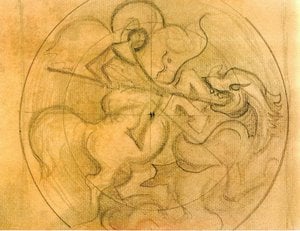
Ceres enthroned
 Читати далі
Олійная репродукція ручної роботи
Написана вручну олією на полотні у вашому розмірі та рамі, виготовлена на замовлення нашими художниками. ( Перейти до друку Перейти до цифрових зображень)




































Обирайте з наших стандартних розмірів, що відповідають оригінальним пропорціям твору мистецтва.

Ви можете вказати власні розміри, щоб репродукція ідеально підійшла до конкретної рами або інтер'єру. Якщо вибраний вами розмір не відповідає пропорціям оригіналу, ми або обріжемо полотно, або доповнимо картину додатковими елементами, промальованими вручну. Цифровий макет буде надіслано вам на затвердження перед початком виробництва.
Зверніть увагу, що попередній перегляд на екрані не відображає фактичне обрізання або розширення зображення. Тільки макет точно покаже остаточну композицію.
Хоча ми можемо виготовити виріб у нестандартному розмірі, для збереження оригінальних пропорцій рекомендуємо обирати варіанти зі встановленого списку.
Після оформлення замовлення команда ArtsDot.com зв'яжеться з клієнтом електронною поштою для отримання інструкцій та надасть попередній макет
Доставка по всьому світу () за 3–4 тижні замість стандартних 5 тижнів. (17 Вересень). Без жодних компромісів у якості.

Безкоштовна експрес-доставка по всьому світу

Високоякісне лляне полотно

Повне страхове покриття доставки

Гарантія відшкодування митних зборів

Гарантія точного відтворення кольорів

Політика повернення протягом 100 днів (тільки у разі виявлення дефектів)

Гарантія повернення 100% коштів

Пропозиція на оптові замовлення
 Скляний варіант доступний лише для розмірів до 110 см

Ceres enthroned
Матеріал репродукції
Розмір репродукції
-


Підсумкова вартість
$ 263
Схожі твори мистецтва


Біографія митця
Michele Pannonio: A Renaissance Bridging Hungary and Ferrara
Michele Pannonio, a name perhaps less familiar than some of his contemporaries, nevertheless represents a fascinating confluence of artistic influences within the vibrant milieu of 15th-century Italy. Born before 1415 in Hungary – likely in what is now present-day Serbia – and tragically dying in Ferrara around 1464, Pannonio’s life was one of constant movement, ultimately culminating in a significant, though relatively brief, career centered on the prestigious court of the Este family in Ferrara. His story offers a compelling glimpse into the exchange of artistic ideas during this pivotal period, demonstrating how Hungarian techniques and sensibilities intertwined with the burgeoning Renaissance style of the Italian peninsula.
Pannonio’s early life remains shrouded in some mystery, though it is generally accepted that he received his initial training within the traditions of the Hungarian school of painting. This formative experience instilled in him a distinctive approach characterized by meticulous detail, vibrant color palettes, and a particular emphasis on rendering textures – qualities that would later manifest prominently in his work. The influence of Hungarian iconography, particularly its rich symbolism and often dramatic narratives, is evident in several of his surviving panels, suggesting a deep understanding of the visual language of his homeland.
The Studiolo di Belfiore and the Muse Thalia
Pannonio’s most celebrated work, and arguably the key to our understanding of his artistic development, is “The Muse Thalia,” which he painted around 1457 for the *Studiolo di Belfiore* – a small, exquisitely decorated room within the Palazzo del Belfiore in Ferrara. This intimate space, commissioned by Duke Borso d’Este, served as a private study and gallery, showcasing the family's vast collection of art and antiquities. Pannonio’s depiction of Thalia, one of the nine Muses of Greek mythology, is a masterpiece of Renaissance elegance and technical skill.
The panel depicts Thalia not as the goddess of comedy – a common association – but rather as the muse of growing plants and gardens. This subtle shift in interpretation reflects the Este family’s keen interest in horticulture and their desire to cultivate an environment of beauty and refinement. Pannonio masterfully rendered the lush foliage, utilizing a complex layering technique that creates a remarkable sense of depth and realism. The figure of Thalia herself is portrayed with a serene grace, her flowing garments and delicate features embodying the classical ideals of beauty.
The *Studiolo di Belfiore* was a collaborative project, involving numerous artists including Cosmè Tura, who painted an adjacent panel depicting Bacchus. Pannonio’s work seamlessly integrated into this larger scheme, demonstrating his ability to adapt and contribute to a complex artistic environment. The “Muse Thalia” is now housed in the Museum of Fine Arts of Budapest, offering visitors a rare opportunity to admire this exceptional example of Renaissance painting.
Religious Works and Ferrara's Artistic Landscape
Beyond "The Muse Thalia," Pannonio’s oeuvre comprises several other significant works, primarily religious paintings. Two panels depicting San Ludovico da Tolosa and San Bernardino da Siena, both formerly located in the chiesa di Spirito Santo of Ferrara, provide further insight into his artistic style and subject matter. These works showcase his skill in portraying saints with a blend of piety and realism, capturing their solemn expressions and conveying a sense of spiritual devotion.
Pannonio’s presence in Ferrara coincided with a period of intense artistic activity, as the city became a major center for Renaissance art under the patronage of the Este family. He worked alongside other prominent artists, including Andrea del Verrocchio and Lorenzo Ghiberti, contributing to the vibrant artistic landscape of the region. His work reflects the prevailing trends of the time – a fascination with classical antiquity, an emphasis on naturalism, and a desire to create works that were both aesthetically pleasing and spiritually meaningful.
Legacy and Historical Significance
Despite his relatively short career, Michele Pannonio left a lasting mark on the artistic landscape of Ferrara. His “Muse Thalia” remains a testament to his exceptional skill and artistry, while his religious paintings demonstrate his ability to capture the essence of faith and devotion. Pannonio’s story highlights the dynamic exchange of artistic ideas that characterized the Renaissance – a period when artists from different regions and cultures converged to create new and innovative forms of expression.
His work serves as a valuable reminder that the history of art is not always dominated by the most famous names. By recognizing the contributions of lesser-known figures like Michele Pannonio, we gain a more nuanced and complete understanding of the rich tapestry of artistic achievement during this transformative era.

michele pannonio
1400 - 1464 , Hungary
Короткі факти
- Artistic Movement Or Style: Renaissance
- Artists Or Movements Influenced By This Artist: ['Ferrara School']
- Artists Who Influenced This Artist: ['']
- Date Of Birth: 1400-1415
- Date Of Death: 1464
- Full Name: Michele Pannonio
- Nationality: Hungarian-Italian
- Notable Artworks:
- The Muse Thalia
- San Ludovico da Tolosa
- San Bernardino da Siena
- Place Of Birth: Hungary