


 Переглянути в інтер'єрі
 Надіслати
 Поділитися
 Деталі
 Посібник

 Завантажити
 Схожі предмети колекціонування
 Рентгенівське дослідження
 Слайд-шоу
 Статистика переглядів
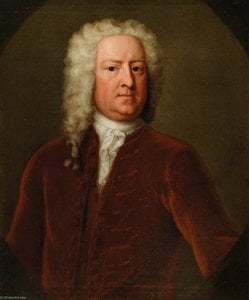
Sir George Rooke
 Oil On Canvas
- WallArt
- Baroque
 1708
1708- Early Modern
 127.0 x 101.0 cm
 Читати далі
Придбайте цифрову копію високої роздільної здатності з покращеною якістю, що значно перевершує онлайн-перегляд.
Кожен файл ретельно підготовлений нашими фахівцями за допомогою сучасних інструментів та професійної ручної ретуші. Ми гарантуємо виняткову чіткість, точну передачу кольору та високу деталізацію кожного зображення.
Фінальний файл надсилається електронною поштою протягом 72 годин і оптимізований для негайного використання у професійних виданнях та друкованих матеріалах. Таку якість обирають провідні дизайнерські студії, видавництва та галереї.
Цифрове зображення
Завантажте файл високої роздільної здатності для особистого використання, друку та творчих проєктів. ( Перейти до друку Купити картину ручної роботи)
Що входить у кожне замовлення цифрових зображень
Експертна цифрова доставка з гарантією якості
Обираючи ArtsDot.com, ви отримуєте не просто зображення — ви отримуєте професійно вдосконалений цифровий витвір мистецтва, створений з надзвичайною точністю та підкріплений гарантією задоволення. Ось усе, що автоматично додається до вашого замовлення:

Швидка доставка на email
Ваш цифровий файл із зображенням високої роздільної здатності буде надісланий вам електронною поштою протягом 72 годин після оформлення замовлення — він буде готовий до негайного використання.

Цифровий файл із покращенням ШІ
Ваш витвір мистецтва професійно оптимізовано за допомогою передових інструментів штучного інтелекту та ручної корекції, що забезпечує максимальну деталізацію, чіткість і точність передачі кольорів.

Безкоштовне повторне завантаження назавжди
Випадково видалили або втратили файл? Не хвилюйтеся — ми надішлемо його вам повторно в будь-який час безкоштовно.

Без митних зборів — завжди
Насолоджуйтесь вашим витвором мистецтва миттєво без жодних мит, зборів або плати за доставку — цифрові завантаження завжди не оподатковуються.

Гарантія точності кольорів
Ми гарантуємо максимально точне відтворення оригінальних кольорів на вашому цифровому зображенні завдяки використанню професійних інструментів та систем управління кольором.

100-денна гарантія задоволення клієнта
Якщо ви не задоволені придбаним цифровим зображенням, ми внесемо правки або повернемо 100% вартості протягом 100 днів — без зайвих запитань.

Гарантія повернення 100% коштів
Незадоволені покупкою? Отримайте повне повернення коштів протягом 100 днів після отримання цифрового файлу — без зайвих запитань.

Знижки на оптові замовлення
Купуйте 3 зображення — заощаджуйте 10% — Купуйте 5 — заощаджуйте 15% — Купуйте 10+ — заощаджуйте 20%. Чудово підходить для творчих проєктів, галерей та агентств.
A Grand Encounter with Baroque Majesty
In the sweeping annals of eighteenth-century portraiture, few works capture the intersection of personal prestige and maritime power as profoundly as Michael Dahl’s Sir George Rooke. Painted in 1708, this masterpiece serves as a breathtaking window into the height of the Baroque era, presenting a formal and dignified representation of a man whose life was inextricably linked to the sea. As one gazes upon the canvas, the immediate impression is one of overwhelming grandeur; the subject’s face is framed by an enormous, elaborate wig that dominates the visual field, lending an air of aristocratic weight and social importance to the composition. Dahl utilizes a masterful command of light and shadow—a technique known as chiaroscuro—to sculpt the features of the Admiral, creating a dramatic tension that pulls the viewer into his commanding presence.
The artistry of the piece lies in its exquisite attention to texture and material reality. Through skillful, layered oil brushwork, Dahl achieves a tactile richness that invites the eye to linger on the subtle sheen of fine fabrics and the intricate, flowing curls of the powdered wig. The subject’s hands rest with a practiced grace upon draped cloth, suggesting a man of both action and refinement. This duality is further enriched by the background, where the composition recedes into a misty, atmospheric seascape. A sailing ship emerges from a cloudy, turbulent sky, providing not just a sense of depth and perspective, but a vital narrative context. The sea is not merely a backdrop here; it is an extension of the man himself, representing the vast territories and naval triumphs that defined his era.
Symbolism and the Legacy of Command
Beyond its aesthetic splendor, Sir George Rooke is a deeply symbolic work intended to commemorate status, wealth, and authority. Every element within the frame has been curated to communicate the subject's identity as a leader of the English maritime endeavors. The organic shapes of the swirling clouds and the heavy folds of the drapery contrast sharply with the geometric rigidity of the ship’s hull, mirroring the balance between the unpredictable nature of the ocean and the disciplined command required to navigate it. For the discerning collector or interior designer, this painting offers more than just decoration; it provides a focal point of historical gravity that can anchor a room with a sense of timelessness and intellectual depth.
To possess a reproduction of such a work is to invite the spirit of the Enlightenment into one's space. The painting evokes an emotional response of respect and awe, reminding us of a period when portraiture was the ultimate medium for storytelling and legacy-building. Whether placed in a formal study, a grand hallway, or a sophisticated living area, this depiction of Admiral Rooke serves as a testament to the enduring allure of classical English oil painting. It is an invitation to contemplate a bygone age of exploration, where every brushstroke by Dahl captures the very essence of power and the romantic mystery of the high seas.
Схожі твори мистецтва



Біографія митця
A Life Bridging Worlds: The Artistic Journey of Michael Dahl
Michael Dahl, a name synonymous with the elegance and sophistication of 18th-century portraiture, was a Swedish artist whose influence resonated profoundly across England. Born in Stockholm around 1659 – precise dates remain subject to slight variations in historical records – his life unfolded as a remarkable journey of artistic development, fueled by ambition, strategic adaptation, and an innate talent for capturing the essence of those he depicted. Dahl’s story isn't simply one of a painter; it’s a narrative of cultural exchange, religious conversion, and the relentless pursuit of mastery that ultimately established him as a leading portraitist in England. The dedication of his mother, Catarina Dahl, to nurturing his early artistic inclinations provided the bedrock for a career marked by both triumph and strategic maneuvering.From Swedish Foundations to Italian Influences
Dahl’s formal artistic education commenced in Sweden under Martin Hannibal in 1674. Hannibal, himself an Italian transplant brought to Sweden by David Klöcker Ehrenstrahl, established a portrait academy – a relatively novel concept at the time – designed to cultivate a new generation of artists. This initial training instilled in Dahl fundamental skills and techniques, laying the groundwork for his future endeavors. However, Dahl’s aspirations extended far beyond the confines of Stockholm. In 1682, he embarked on an extensive European educational odyssey, equipped with a passport that facilitated travel and driven by an unquenchable thirst for artistic knowledge. His arrival in London proved to be a pivotal moment. He entered into the tutelage of Robert White, a highly respected engraver and painter, assisting him with engraving projects – including a portrait of King Charles XI of Sweden. This experience was invaluable, providing practical insights into the English art market and introducing Dahl to a wider audience. Yet, it was his encounter with Godfrey Kneller that truly shaped his approach to portraiture. Kneller, a renowned portraitist himself, imparted not only technical expertise but also a crucial understanding of the commercial realities of the art world – a pragmatic awareness often lacking in more formally trained artists. Dahl’s travels continued to Paris and then Rome, where he immersed himself in the vibrant artistic atmosphere of the Baroque period.Rome, Conversion, and Patronage
The exiled Queen Christina of Sweden played a transformative role in Dahl's career during his time in Rome. Recognizing the strategic advantage of access to influential circles and papal patronage, Dahl underwent a significant personal transformation – converting to Roman Catholicism at her urging. This decision opened doors that would have otherwise remained firmly closed, allowing him to paint portraits of the Queen herself and present his work directly to Pope Innocent XI, who bestowed upon him a gold medal – a tangible symbol of recognition for his burgeoning talent. The conversion, while undoubtedly influenced by strategic considerations, underscores Dahl’s remarkable adaptability and willingness to navigate complex social and religious landscapes in pursuit of artistic advancement. It was during this period that he truly honed his skills, absorbing the Baroque aesthetic that would become the hallmark of his mature work. This experience fundamentally altered his trajectory, shifting him from a promising student to a respected artist with access to unprecedented opportunities.A Master of English Portraiture
Upon returning to England, Michael Dahl swiftly established himself as one of the most sought-after portraitists of his time. He cultivated a distinctive style characterized by an elegant and refined sensibility – a masterful blend of technical precision and psychological insight. His portraits weren’t merely likenesses; they were carefully constructed narratives that captured not only physical appearance but also the status, personality, and social standing of his aristocratic sitters. Notable works include striking portraits of Sir William Carew, John Churchill (1st Duke of Marlborough), and Sir Robert Walpole – each rendered with a remarkable attention to detail and an ability to convey both dignity and character. Perhaps one of his most ambitious achievements is the triple portrait of the 2nd Earl of Burlington, the 1st Duke of Kingston upon Hull, and the 3rd Baron Berkeley of Stratton – a complex composition that showcases Dahl’s exceptional skill in group portraiture, balancing individual personalities within a cohesive and visually compelling arrangement. His portraits are distinguished by rich colors, meticulous attention to detail in textures, and an overall sense of grandeur—a testament to his mastery of Baroque techniques adapted to the English aesthetic.Legacy and Historical Significance
Michael Dahl’s artistic style represents a unique synthesis of Swedish, Italian, and English influences. He absorbed the foundational skills from Hannibal and Ehrenstrahl, learned the pragmatic realities of the art market from Kneller, and benefited immensely from the patronage system he encountered in Rome. His work embodies the Baroque aesthetic prevalent during his time but infused with a distinctly refined sensibility. He profoundly influenced subsequent generations of portrait painters with his elegant style and technical proficiency. Beyond his artistic contributions, Michael Dahl’s success as a Swedish artist flourishing primarily in England highlights the interconnectedness of European art networks during the Baroque period. He skillfully navigated diverse cultural contexts, establishing himself as a leading portraitist whose legacy continues to be celebrated today. His portraits offer invaluable insights into the lives and appearances of the English aristocracy during the early 18th century—serving not only as works of art but also as crucial historical documents.
Міхаель Даль
1658 - 1743 , Швеція
Коротко про автора
- Artistic Movement Or Style: Бароко
- Artists Or Movements Influenced By This Artist:
- Елегантний портрет
- Аристократи
- Artists Who Influenced This Artist:
- Мартин Ханнібал
- Давід Еренстрахль
- Готфрід Кнолер
- Date Of Birth: 1659
- Date Of Death: 1743
- Full Name: Michael Dahl
- Nationality: Шведський
- Notable Artworks:
- Портрет королеви Анни
- Джордж Дауіч
- Place Of Birth: Стокгольм, Швеція