

 Переглянути в інтер'єрі
 Надіслати як листівку
 Поділитися
 Деталі витвору
 Посібник

 Завантажити
 Схожі екземпляри
 Рентгенівське дослідження
 Слайд-шоу
 Питання та відповіді
 Статистика
Untitled

- 100.0 x 69.0 cm


 Розгорнути текст
Мистецький твір, представлений на цій сторінці, захищений законом про авторське право, що унеможливлює легальне створення або продаж його ідентичної репродукції. Цей захист забезпечується відповідно до міжнародних угод, таких як Бернська конвенція та національним законодавством, зокрема положеннями, що викладені в Законодавство США про авторське право — Розділ 17. Всі права захищені. Будь-яке використання без дозволу заборонено.
Цей метод повністю відповідає нормам авторського права, оскільки він не передбачає копіювання чи дублювання захищеного твору мистецтва. Натомість це творче переосмислення — створення нового малюнка під впливом оригіналу, який не є його точним відтворенням.
Гікле / Художній принт
Друк جيкле або на полотні музейної якості з оперативним виготовленням та різноманітними варіантами фінішної обробки. ( Замовити картину ручної роботи Перейти до цифрових зображень)




P118B ₴10

P118H ₴10

P118W ₴10

P438Z ₴10

P508JH ₴12

P508YH ₴12

P805H ₴10

P805Z ₴10

P919BZ ₴10

P919G ₴10

P919XJ ₴10

P959ZH ₴10

P968JZ ₴12

W106C ₴8

W218G ₴10

W218JH ₴8

W218Y ₴10

W307PJ ₴10

W316G ₴10

W316PJ ₴8

W316Y ₴10

W398PJ ₴8

W4111J ₴10

W500HY ₴15

W500JH ₴15

W692G ₴12

W849H ₴8

W940BG ₴15

W953PJ ₴8




Обирайте з наших стандартних розмірів, що відповідають оригінальним пропорціям твору мистецтва.

Введіть необхідну ширину та висоту, щоб принт ідеально підійшов до вашої рами або стіни. Принт можна лише обрізати, але не можна зробити більшим за оригінал, тому при зміні пропорцій частина зображення буде втрачена. Перед друком ми надсилаємо вам цифровий макет для затвердження. Зображення на цій сторінці не відображає реальну обрізку — її можна побачити лише на макеті.
Доставка по всьому світу () за 2 тижні замість стандартних 4/5 тижнів. (18 Листопад)

Безкоштовна експрес-доставка по всьому світу

Високоякісне лляне полотно

Повне страхове покриття доставки

Гарантія повернення митних зборів

Гарантія точного відтворення кольорів

Політика повернення протягом 100 днів (лише у разі виявлення дефектів)

Гарантія повернення 100% коштів

Пропозиція на оптові замовлення
 Скляний варіант доступний лише для розмірів до 110 см

Untitled
Гікле / Художній принт
Розмір репродукції
-


Підсумкова вартість
₴ 2841
A Window into the Subconscious: Exploring Mark Rothko’s 1946 Untitled Painting
This captivating work by Mark Rothko, created in 1946, exemplifies a pivotal moment in the artist's transition towards his signature Color Field style. Measuring 100 x 69 cm, this untitled painting is not merely an arrangement of colors; it’s an invitation to introspection and emotional resonance – a hallmark of Abstract Expressionism.Style & Technique: The Birth of a Vision
The artwork firmly resides within the realm of Abstract Expressionism, specifically foreshadowing Rothko's later, more refined Color Field paintings. Unlike purely abstract works that emphasize form, this piece prioritizes the emotive power of color and its interaction with texture. The technique is demonstrably layered – oil paints are applied with a dynamic range of approaches. Impasto areas, where paint is thickly applied, contrast beautifully with thinner washes, creating a tactile surface that invites close examination. Scraped and blended sections further contribute to the painting’s energetic quality. The absence of defined lines or traditional perspective flattens the picture plane, focusing attention entirely on the interplay of hues and their inherent emotional weight.Historical Context: Post-War Emotion
Created in 1946, this work emerges from a period profoundly shaped by the aftermath of World War II. The anxieties, uncertainties, and existential questioning prevalent at the time found expression in Abstract Expressionism’s rejection of representational art. Artists like Rothko sought to convey universal human emotions – grief, hope, despair – through non-figurative means. This painting can be seen as a visual manifestation of that post-war emotional landscape, reflecting a search for meaning and spiritual grounding amidst chaos.Symbolism & Interpretation: A Dialogue with the Viewer
While deliberately avoiding specific narrative or recognizable imagery, this artwork is rich in potential symbolism. The amorphous shapes and overlapping colors can be interpreted as representing psychological states, subconscious thoughts, or even primordial forces. The lack of clear boundaries encourages viewers to project their own emotions and experiences onto the canvas, fostering a deeply personal connection with the work. Rothko himself believed that his paintings were not simply *about* something, but rather *were* something – embodiments of fundamental human feelings. The influence of artists like Barnett Newman and Clyfford Still is also apparent in this early exploration of color as a primary expressive element.Emotional Impact & Aesthetic Qualities
The painting evokes a complex range of emotions, from unease and melancholy to a strange sense of harmony. The intensity of the colors – though not explicitly defined in the description, one can imagine deep reds, blues, and ochres – creates a powerful visual impact. The chaotic yet balanced composition suggests both turmoil and resolution. It’s a work that demands contemplation, inviting viewers to lose themselves within its depths and confront their own inner worlds. The painting's scale (100 x 69 cm) makes it an ideal statement piece for modern interiors, adding depth and sophistication to any space.Rothko’s Artistic Journey
Born Marcus Rothkowitz in Latvia in 1903, Mark Rothko immigrated to the United States as a child. His early work explored figurative and surrealist themes before evolving into the abstract style for which he is celebrated. He became a leading figure in the New York School, alongside artists like Jackson Pollock and Willem de Kooning. This 1946 painting represents a crucial step in his artistic development, laying the groundwork for the iconic Color Field paintings that would define his legacy. His work continues to inspire awe and provoke thought, solidifying his place as one of the most important artists of the 20th century.Питання та відповіді
Яку атмосферу принесе в кімнату репродукція «Untitled» роботи Марк Ротко?
Містичний-атмосфера твору «Untitled» роботи Марк Ротко ідеально пасує до рекомендованого простору: Вітальня.
Наскільки яскраво відбивають світло кольори у творі "Untitled"?
«Untitled» роботи Марк Ротко має рівень яскравості Загальна яскравість. Яскравість описує, скільки світла відбивають кольори.
Чи можу я детальніше розглянути "Untitled"?
Сторінка Рентгенівське дослідження для твору «Untitled» роботи Марк Ротко — це інтерактивний візуалізатор, що дозволяє досліджувати одинадцять оптичних шарів зображення, включаючи рентгенівський зріз.
Схожі твори мистецтва


Біографія митця
Ранні роки Марка Ротко
Марк Ротко народився у 1903 році під іменем Маркус Якович Роткович. Його батьківщина — Двінськ, Росія, місце, яке сьогодні відоме як Даугавпільс, Латвія. Його родина жила в межах Чорти, що була позначена політичними заворушеннями та постійною тінню погромів. Ця атмосфера нестабільності супроводжувала сім'ю і після еміграції до Сполучених Штатів у 1913 році. Пройшовши через Елліс-Айленд, вони оселилися в Портленді, штат Орегон.
Його батько, Якоб, працював фармацевтом. Він був інтелектуалом із соціалістичними нахилами, який створив у домі атмосферу, зосереджену на навчанні та дискусіях. Цей простір глибокої думки був перерваний раптовою втратою. Невдовзі після прибуття родини до Америки Якоб помер від раку товстої кишки. Цей ранній досвід скорботи та важке випробування життя емігранта стали тихим фундаментом для того, ким він став у майбутньому.
Художня освіта та ранні роки в Нью-Йорку
Переїзд до Нью-Йорка у 1923 році став поворотним моментом, що докорінно змінив вектор його творчих пошуків. Після навчання в Єврейському університеті Єля, магія та нестримний ритм мегаполісу відтягнули його від академічної суворості. Він звернувся до Ліги студентів мистеств, щоб відточити свою майстерність. У ті ранні роки його пензель був присвячений матеріальному та відчутному. Він писав портрети та міські пейзажі, приділяючи надзвичайну увагу деталям: від виразності людських облич до суворої естетики брудних міських вулиць. Його роботи того часу були глибоко вкорінені в реалізм, намагаючись зафіксувати фізичний світ ще до того, як на нього почав впливати неминучий перехід до абстракції.
До 1940 року він прийняв рішення змінити своє ім'я на Марк Ротко. Це був період глибокої трансформації, час відходу від структурованого представлення реальності, притаманного його юності. Фокус уваги почав поступово зміщуватися від впізнаваних об'єктів міста до чогось менш визначеного, невловимого. Він шукав спосіб передати всю важкість людського досвіду, не покладаючись на буквальні форми навколишнього світу, намагаючись вийти за межі видимого.
Еволюція в напрямку абстрактного експресіонізму
З плином 1940-х років ретельний реалізм його ранніх років почав відступати на задній план. Фокус уваги змістився від впізнаваних деталей міських пейзажів та портретів. Замість цього він звернувся до мови сюрреалізму та міфології, використовуючи ці теми, щоб знайти спосіб виразити всю важкість людських емоцій. Картини цього періоду часто наповшували біоморфні форми — ці фігури ніби ширяли у просторі, перебуваючи у стані між чітким образом та повною абстракцією.
Цей етап став початком його тісного зв'язку з американським абстрактним експресіонізмом. Він відійшов від структурованого світу предметів, щоб дослідити щось набагато глибше та внутрішнє. Полотно перестало бути відображенням того, як виглядає річ, і стало втіленням того, яке відчуття вона несе. Марк Ротко шукав шлях, як передати складність людського буття через мову форми та міфу.
- Mother and Child (1934)
- The Pugilist
- The High Priest (1945)
Розвиток живопису кольорового поля
Наприкінці 1940-х років його творчий шлях зазнав докорінних змін. Марк Ротко відходить від фігуративності та міфологічних сюжетів, відкидаючи впізнавані образи, щоб відшукати щось більш пряме та первісне. Полотно розростається у масштабах, наповнюючись великими прямокутними блоками кольору, які, здається, нерухомо зависли у просторі. Ці форми не просто лежать на поверхні — вони ніби існують у мілководному, дихаючому просторі. Цей перехід ознаменував початок його зрілого періоду, що нерозривно пов'язаний із виникненням живопису кольорового поля.
Процес нанесення фарби був повільним і багатошаровим. Використовуючи тонкі, напівпрозорі нашари пігменту, він вибудовував поверхню, створюючи витончені переходи тону та текстури. Завдяки цій техніці світло ніби випромінюється зсередини самого полотна. Краї кольорових фігур ніколи не були різкими; навпаки, вони розмиті та м'які, що робить межі між різними відтінками проникними та текучими. Цей метод перетворив полотно на простір тихої, вагомої присутності.
- No. 1
- Three
- No. 3/No. 13
- No. 10 (Brown Black Sienna on Dark Wine)
- Magenta, Black, Green on Orange
- White over Red
Техніка та мова кольору
Творчість Марка Ротко ґрунтується на особливому, майже медитативному методі нашарування. Він наносив тонкі, прозорі обриси олійної фарби, поступово вибудовуючи поверхню через ретельні, напівпрозорі шари. Цей процес створює оксамитову текстуру, яка, здається, не просто відбиває світло з поверхні, а утримує його всередині самого пігменту. Замість різких ліній краї його прямокутних форм розмиті, що дозволяє кольорам плавно перетікати та ніби зависати одне над одним. Ці величні кольорові блоки покликані створити відчуття глибини, змушуючи полотно ніби дихати.
Він свідомо відмовився від назв, які могли б натякнути на конкретний сюжет чи розповідь. Багато полотен мають лише прості номери, як-от № 1 або № 6, залишаючи глядача віч-на-віч із кольором без будь-яких упереджених уявлень. Такий вибір спонукає до безпосередньої зустрічі з фарбою. Через ці люмінесцентні поля він намагався торкнутися глибоких, важких людських емоцій: трагедії, екстазу та відчаю. Масштаб його робіт покликаний охопити людину, що стоїть перед ними, перетворюючи акт споглядання на безмовний, імерсивний досвід.
- № 10 (Коричнево-чорна сієна на темно-виновому)
- № 37 або № 19
- Біле поверх червоного
Знакові замовлення та муральні проєкти
Творчість Марка Ротко часто виходила за межі окремого полотна, прагнучи охопити цілі простори. Значну частину свого часу він присвятив муралам Seagram — серії полотен, що створювалися спеціально для ресторану в Нью-Йорку. Зрештою художник вирішив, що обране середовище не відповідає глибині його задуму, і передав ці роботи до галереї Тейт в Лондоні. Його глибокий інтерес до того, як колір заповнює простір, також втілився у серії муралів для Гарварду, створених для їдальні в Голіок-центрі.
В Х'юстоні, штат Техас, він залишив після себе чотирнадцять полотен для Капели Ротко. Цей екуменічний простір прикрашений творами у різноманітних відтінках чорного. Картини розташовані так, щоб гармонійно вписатися в архітектуру капели, створюючи особливу атмосферу для тихої медитації. Масштаб цих робіт покликаний оточити глядача, заповнюючи периферійний зір кольором і дозволяючи повною мірою відчути присутність вічного.
Останні роки та трагічна смерть
Вага власної творчості часто здавалася Марку Ротко нестерпним тягарем. Протягом усього свого життя він боровся з депресією — невблаганною тінню, що супроводжувала його пошуки емоційної істини. Він вев скромне існування, часто відсторонюючись у тихі простори, необхідні для створення його масштабних полотен. Інтенсивність його зосередження на людському буття — трагедії, екстазі та відчаї — була не просто темою для пензля, а реальністю, яку він нес у собі.
Наприкінці життя ця внутрішня боротьба стала занадто важкою. 25 лютого 1970 року Марк Ротко наклав на себе руки у своїй студії. Йому було 66 років. Його смерть залишила по собі величезну колекцію робіт, серед яких було багато незавершених полотен, а також значна спадщина картин, через складні юридичні суперечки з якими згодом довелося проходити його родині та виконавцям заповіту.
Незмінна спадщина його мистецтва
Вага його присутності досі відчувається в тому, як його полотна домінують у просторі кімнати. Він залишив по собі величезну спадщину, що налічує 798 картин — колосальну колекцію, яка продовжує бути наріжним каменем історії сучасного мистецтва. Його перехід до великих, сяючих прямокутників кольору допоміг сформувати рух абстрактного експресіонізму, а згодом вплинув на мінімалізм. Ці роботи не потребують впізнаваних форм, щоб утримати увагу глядача; натомість вони покладаються на повільне, ритмічне дихання кольору, що створює глибоке відчуття простору.
Його вплив простежується в тому, як наступні покоління почали сприймати полотно як простір для психологічного та духовного дослідження. Позбувшись нагромадження наративів, він змінив саму суть взаємодії людини з фізичною реальністю фарби. Його картини визнані одними з найважливіших творів мистецтва XX століття; вони зберігаються у постійних колекціях провідних інституцій, таких як Музей сучасного мистецтва в Нью-Йорку та Тейт Модерн в Лондоні. Масштаб його робіт часто поглинає периферійний зір, примушуючи глядача до тихої, медитативної тиші.
- No. 6 (Violet, Green and Red)
- Orange, Red, Yellow (1961)
- N.10 (1958)
Де можна побачити його роботи сьогодні
Стояти перед його полотнами — означає відчути на собі всю вагомість кольору в тиші залу. У Нью-Йорку Музей сучасного мистецтва зберігає кілька його видатних робіт. По інший бік Атлантики галерея Tate Modern у Лондоні пропонує подібний простір, де можна наодинці зануритися у його масштабні форми. У Вашингтоні Національна галерея мистецтв National Gallery of Art тримає колекцію його картин, де світло падає на багатошарові пігменти так, що відкривається та сама глибина, яку він намагався досягти через тонкі олійні напластовання.
Особливу, майже сакральну тишу можна відчути в капелі Ротко в Х'юстоні, штат Техас. Це позаконфесійна обитель, де представлені чотирнадцять його полотен у різних відтінках чорного. Архітектура будівлі — восьмикутник, вписаний у грецький хрест, — була натхненна самим художником. Це місце для спокійних роздумів, де масштаб робіт покликаний охопити людину, що стоїть перед ними, повністю поглинаючи її сприйняття.
У латвійському Даугавпільсі Музей Ротко розташований у стінах історичного артилерійського арсеналу Даугавпільської фортеці. Цей заклад є єдиним у Європі місцем, де на постійній основі експонуються оригінальні картини, надані з його спадщини. Відвідувачі можуть побачити його творчість у Залі Ротко — просторі, створеному спеціально для цих полотен, що шанує його коріння.
- No. 1 (без дати)
- Three (без дати)
- No. 3/No. 13 (без дати)
- No. 10 (без дати)
- Magenta, Black, Green on Orange (без дати)
- White over Red (без дати)

Марк Ротко
1903 - 1970 , Латвія
Короткі факти
- Artistic Movement Or Style:
- Живопис кольорового поля
- Абстрактний експресіонізм
- Artists Or Movements Influenced By This Artist: ['Мінімалізм']
- Date Of Birth: 1903
- Date Of Death: 1970
- Full Name: Марк Ротко
- Nationality: Американець
- Notable Artworks:
- Фіолетовий, чорний, помаранчевий, жовтий на білому та червоному
- Білий центр
- Земля ^ Зелений
- Помаранчевий та жовтий
- Зелений та мандариновий на червоному
- Чотири темні в червоному
- Чорний на бордовому
- Без назви: Мурал для торцевої стіни
- Охра та червоний на червоному
- Синій та сірий
- Place Of Birth: Даугавплілс, Латвія
Пов'язані статті

The Sublimity of Color: Exploring the Emotional Landscapes of Mark Rothko's Abstract Expressionism
Explore the profound emotional depth of Mark Rothko's abstract expressionism. Discover the history, techniques & lasting impact of this pivotal Color Field painter. Expert insights for collectors and art enthusiasts.

Якір Простору: Психологічний та Естетичний Вплив Центральної Абстрактної Картини на Композицію Інтер'єру
Дізнайтеся, як центральна абстрактна картина перетворить ваш інтер'єр! Експертні поради з вибору, композиції та розміщення. Створіть простір вашої мрії з ArtsDot.
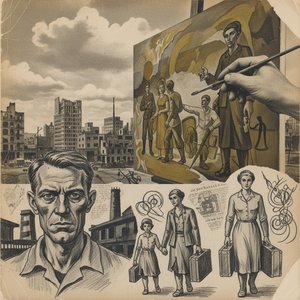
Echoes of a Decade: Artistic Responses to Sociopolitical Realities in 1940s Art
Explore the powerful artistic responses to the sociopolitical realities of the 1940s. Discover key movements like Expressionism & Abstract Expressionism, and learn how to collect investment-worthy masterpieces with ArtsDot.

25 шедеврів Марка Ротко: глибокі емоції та колірні симфонії для вашого дому | ArtsDot
Відкрийте 25 найвідоміших шедеврів Марка Ротко! Пориньте у світ емоційного абстрактного експресіонізму, колірних симфоній та глибокого психологічного живопису. Купуйте репродукції картин Ротко преміум-якості для вашого дому на ArtsDot.com.

Тріумф Трьох Палітр: Емоційний Резонанс та Ідентичність у Виборі Мистецького Віддзеркалення
Дослідіть психологію мистецтва та зв'язок між вашими уподобаннями і особистістю. Відкрийте, як соціальний контекст та історія впливають на вибір творів. Експертні статті для поціновувачів!


