


 Переглянути в інтер'єрі
 Надіслати
 Поділитися
 Деталі
 Посібник

 Завантажити
 Схожі предмети колекціонування
 Рентгенівське дослідження
 Слайд-шоу
 Статистика переглядів
Untitled
 Акрил на полотні
- Настінний декор
- Abstract Expressionism
 1942
1942 42.0 x 57.0 cm
 Читати далі
Мистецький твір, представлений на цій сторінці, захищений законом про авторське право, що унеможливлює легальне створення або продаж його ідентичної репродукції. Цей захист забезпечується відповідно до міжнародних угод, таких як Бернська конвенція та національним законодавством, зокрема положеннями, що викладені в Законодавство США про авторське право — Розділ 17. Всі права захищені. Будь-яке використання без дозволу заборонено.
Як шанобливу та законну альтернативу, ми пропонуємо унікальні картини ручної роботи, створені натхненням від оригіналу. Наші досвідчені професійні художники ретельно вивчають стиль, настрій та художню сутність оригіналу, щоб створити новий, неповторний твір, який викликає ті ж почуття, — залишаючись при цьому самобутнім творінням.
Цей метод повністю відповідає нормам авторського права, оскільки він не передбачає копіювання чи дублювання захищеного твору мистецтва. Натомість це творче переосмислення — створення нового малюнка під впливом оригіналу, який не є його точним відтворенням.
Олійная репродукція ручної роботи
Написана вручну олією на полотні у вашому розмірі та рамі, виготовлена на замовлення нашими художниками. ( Перейти до друку Перейти до цифрових зображень)




P118B ₴10

P118H ₴10

P118W ₴10

P438Z ₴10

P508JH ₴12

P508YH ₴12

P805H ₴10

P805Z ₴10

P919BZ ₴10

P919G ₴10

P919XJ ₴10

P959ZH ₴10

P968JZ ₴12

W106C ₴8

W218G ₴10

W218JH ₴8

W218Y ₴10

W307PJ ₴10

W316G ₴10

W316PJ ₴8

W316Y ₴10

W398PJ ₴8

W4111J ₴10

W500HY ₴15

W500JH ₴15

W692G ₴12

W849H ₴8

W940BG ₴15

W953PJ ₴8




Обирайте з наших стандартних розмірів, що відповідають оригінальним пропорціям твору мистецтва.

Введіть необхідну ширину та висоту, щоб картина підійшла до вашої рами або стіни. Оскільки це ручний розпис, для розміру іншої форми художник може написати трохи більше навколо картини або трохи обрізати її — вибір за вами. Перед початком роботи ми надішлемо вам цифровий макет для затвердження. Зображення, показане на цій сторінці, не є реальним результатом — лише макет відображає майбутній вигляд.
Після оформлення замовлення команда ArtsDot.com зв'яжеться з клієнтом електронною поштою для отримання інструкцій та надасть попередній макет
Доставка по всьому світу () за 3–4 тижні замість стандартних 5 тижнів. (22 Жовтень). Без жодних компромісів у якості.

Безкоштовна експрес-доставка по всьому світу

Високоякісне лляне полотно

Повне страхове покриття доставки

Гарантія повернення митних зборів

Гарантія точного відтворення кольорів

Політика повернення протягом 100 днів (лише у разі виявлення дефектів)

Гарантія повернення 100% коштів

Знижка на оптові замовлення
 Скляний варіант доступний лише для розмірів до 110 см

Untitled
Техніка репродукції
Розмір репродукції
-


Загальна вартість
₴ 11786
A Glimpse into Rothko’s Early Abstract Explorations
This untitled work from 1942 offers a fascinating window into Mark Rothko's artistic development during a pivotal period. While he would later become synonymous with expansive color field paintings, this piece reveals his earlier explorations of form and emotion through a more dynamic, albeit still nascent, abstract vocabulary. Measuring 42 x 57 cm, the painting presents a captivating tension between chaos and control, hinting at the profound emotional depths that would characterize his mature style.Subject & Composition: Primal Forms in Purple Hues
The artwork eschews traditional representation, instead presenting a swirling composition of abstract shapes suggestive of birds or other organic creatures. These forms are not precisely defined; they emerge from and dissolve into a dominant purple background, creating a sense of movement and energy. The layering of these shapes generates an illusion of depth despite the flattened perspective, drawing the viewer into a complex visual space. Yellow and black accents punctuate the composition, providing striking contrast and further emphasizing the dynamic interplay between forms.Style & Technique: Expressionistic Impasto
The painting is firmly rooted in the principles of Expressionism, prioritizing emotional impact over realistic depiction. Rothko achieves this through a loose, gestural brushstroke and a generous application of paint – an *impasto* technique that creates a tactile surface. The visible texture invites close inspection, revealing the artist’s physical engagement with the canvas. This expressive handling of paint contributes significantly to the artwork's overall sense of vitality and unrestrained emotion.Historical Context: A Moment Before Color Fields
Created in 1942, this work predates Rothko’s signature color field paintings by several years. It reflects a transitional phase in his artistic journey, influenced by the anxieties and upheavals of World War II. During this period, Rothko moved away from purely representational art, experimenting with mythological themes and Surrealism as vehicles for expressing profound emotional states. This painting embodies that experimentation – it’s a step towards the simplified forms and intense color explorations that would define his later career.Symbolism & Interpretation: Instinct & Primal Energy
The ambiguous nature of the forms invites multiple interpretations. The bird-like shapes could symbolize freedom, aspiration, or even fragility. Alternatively, they might represent more primal instincts and energies – a reflection of the turbulent times in which the painting was created. The purple hue, often associated with spirituality and introspection, adds another layer of symbolic resonance. Ultimately, the artwork’s power lies in its open-endedness, allowing viewers to project their own emotions and experiences onto the canvas.Emotional Impact & Aesthetic Appeal
Despite its abstract nature, this painting evokes a strong emotional response. The unsettling yet captivating quality stems from the fragmented forms and intense color contrasts. It’s a work that demands attention, inviting contemplation and prompting viewers to delve into their own inner landscapes. For interior designers, it offers a compelling focal point – a piece that adds depth, sophistication, and a touch of intellectual intrigue to any space. Collectors will appreciate this artwork as an important example of Rothko's early development, showcasing the seeds of his future artistic genius.Key Features
- Artist: Mark Rothko (Marcus Rothkowitz)
- Year: 1942
- Medium: Oil on Canvas (likely)
- Dimensions: 42 x 57 cm
- Style: Expressionism, Abstract Art
Запитання та відповіді
Яку кольорову гармонію демонструє «Untitled» Марк Ротко?
Кольори твору «Untitled» Марк Ротко демонструють Збалансована гармонія гармонію. Гармонія описує взаємозв'язок кольорів між собою.
Коли було створено "Untitled" і до якого напряму воно належить?
«Untitled» було створено у 1942 році в межах течії Abstract Expressionism.
Для чого рекомендується використовувати репродукцію «Untitled»?
Репродукція твору «Untitled» Марк Ротко рекомендована для Центральний акцент. Ця пропозиція ґрунтується на сюжеті, настрої та кольоровій гамі роботи.


Біографія митця
Early Life and the Seeds of Artistic Vision
Mark Rothko, born Markus Yakovlevich Rothkowitz in Dvinsk, Latvia, in 1903, carried within him from the outset a sense of displacement that would profoundly shape his artistic journey. His early years were marked by the anxieties of a Jewish family living within the Pale of Settlement, shadowed by pogroms and political unrest. This atmosphere instilled a deep sensitivity to human suffering, a theme that would resonate throughout his oeuvre. The 1913 immigration to Portland, Oregon, represented not just a geographical shift but a cultural upheaval for the young Rothko. While his father, a pharmacist and intellectual with socialist leanings, fostered a home filled with debate and learning, the loss of Jacob Rothkowitz shortly after their arrival cast a long shadow. This early experience of loss, coupled with the challenges of assimilation, fueled a lifelong exploration of existential themes – mortality, trauma, and the search for meaning in a chaotic world. Though he excelled academically at Yale University, Rothko found himself drawn more to the vibrant energy of New York City, abandoning formal studies to pursue his passion for art at the Art Students League. These formative years laid the groundwork for an artistic vision that would ultimately challenge conventional notions of painting and redefine the emotional power of color.From Figurative Beginnings to Abstract Expressionism
Rothko’s initial artistic explorations were firmly rooted in realism, depicting urban scenes and portraits with a keen eye for detail. However, these early works already hinted at the psychological depth that would become his hallmark. As the 1940s unfolded, and the world grappled with the horrors of World War II, Rothko’s art underwent a dramatic transformation. Influenced by Surrealism and mythology, he began to move away from representational imagery, seeking instead to express universal human emotions through symbolic forms. This period saw the emergence of multi-form paintings – canvases populated by ambiguous, biomorphic shapes that seemed to hover between figuration and abstraction. These works were not merely experiments in form; they were deeply felt responses to the anxieties and uncertainties of a world at war. By the late 1940s, Rothko had arrived at his signature style: large-scale canvases featuring rectangular blocks of color that appeared to float and resonate with one another. He stripped away all vestiges of recognizable imagery, focusing instead on the pure emotional impact of color and form. This marked a pivotal moment in the development of Abstract Expressionism, and established Rothko as a leading figure in this groundbreaking movement.The Color Field and the Pursuit of Transcendence
Rothko’s mature work is defined by what came to be known as “Color Field” painting – vast expanses of luminous color that envelop the viewer in an immersive experience. These paintings are not about *what* they depict, but rather *how* they make you feel. Rothko believed that art should engage the viewer viscerally, bypassing intellectual analysis and speaking directly to the emotions. He meticulously layered thin washes of paint, creating subtle variations in tone and texture that seemed to emanate from within the canvas. The edges of his rectangular forms are often blurred, allowing them to blend and interact with one another, creating a sense of depth and movement. Rothko deliberately avoided titles beyond numbers – “No. 1,” “No. 6” – encouraging viewers to confront the paintings without preconceived notions and allow their own emotional responses to guide their experience. He sought to create a space for contemplation, a sanctuary where viewers could connect with something larger than themselves. His ambition was nothing less than to evoke profound spiritual experiences through the language of color.Major Achievements and Lasting Legacy
Among Rothko’s most significant achievements are “No. 10 (1950),” a pivotal work that exemplifies his evolving style, and the Seagram Murals (1958). Commissioned for the Four Seasons Restaurant in New York City, these murals were ultimately rejected by Rothko, who felt they would be compromised by their intended environment. He instead donated them to the Tate Gallery in London, where they continue to inspire awe and contemplation. Perhaps his most ambitious project was the Rothko Chapel (1971) in Houston, Texas – a non-denominational sanctuary housing fourteen of his paintings. Designed as a space for quiet reflection, the chapel is considered a sacred place by many, embodying Rothko’s belief in the spiritual power of art. Rothko's influence on subsequent generations of artists has been immense. He paved the way for Minimalist art and continues to inspire contemporary painters who explore the emotional possibilities of abstraction. Despite struggling with depression throughout his life, culminating in his tragic suicide in 1970, Mark Rothko remains one of the most important and influential artists of the 20th century – a master of color whose work continues to resonate with audiences around the world.- Rothko’s paintings are celebrated for their ability to convey universal human emotions—tragedy, ecstasy, despair, and hope.
- His exploration of color as a vehicle for emotional expression revolutionized abstract painting.
- The Rothko Chapel stands as a testament to his belief in the spiritual power of art.
- He remains a pivotal figure in Abstract Expressionism and a major influence on contemporary artists.

Марк Ротко
1903 - 1970 , Латвія
Довідкова інформація
- Artistic Movement Or Style: Поле кольору
- Artists Or Movements Influenced By This Artist: ['Мінімалізм']
- Date Of Birth: 25 вересня 1903 р.
- Date Of Death: 25 лютого 1970 р.
- Full Name: Маркус Якововвич Ротако́вський
- Nationality: Американський
- Notable Artworks:
- №10 (1950)
- Мюрали Се́грамм
- Хаппель Ро́тка
- Place Of Birth: Девґавпільс, Латвія
Схожі статті

Chromatic Atmospheres: Exploring the Philosophical Foundations of Color Field Painting
Explore the philosophical and aesthetic foundations of Color Field painting with ArtsDot. Discover key artists like Rothko & Newman, its spiritual influences, and lasting impact on modern art. Expert insights for collectors.

Топ-10 шедеврів абстрактного експресіонізму: мистецтво, яке змінила епоху | ArtsDot.com
Відкрийте для себе 10 шедеврів абстрактного експресіонізму! Дізнайтесь історію Поллока, Ротко та інших геніїв. Репродукції картин преміум-якості для вашого дому від ArtsDot.com. Дослідіть колекцію онлайн!

The Sublimity of Color: Exploring the Emotional Landscapes of Mark Rothko's Abstract Expressionism
Explore the profound emotional depth of Mark Rothko's abstract expressionism. Discover the history, techniques & lasting impact of this pivotal Color Field painter. Expert insights for collectors and art enthusiasts.

Beyond Representation: Exploring the Emotional Landscape of Abstract Expressionism
Explore the profound emotional world of Abstract Expressionism with ArtsDot. Discover key artists like Pollock & Rothko, learn about collecting, and find museum-quality reproductions to inspire your space.
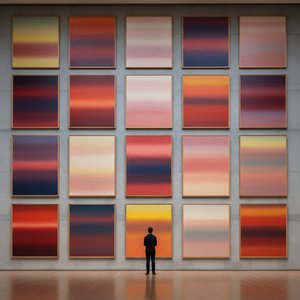
25 шедеврів Марка Ротко: глибокі емоції та колірні симфонії для вашого дому | ArtsDot
Відкрийте 25 найвідоміших шедеврів Марка Ротко! Пориньте у світ емоційного абстрактного експресіонізму, колірних симфоній та глибокого психологічного живопису. Купуйте репродукції картин Ротко преміум-якості для вашого дому на ArtsDot.com.


