

 Переглянути в інтер'єрі
 Надіслати як листівку
 Поділитися
 Деталі витвору
 Посібник

 Завантажити
 Схожі екземпляри
 Рентгенівське дослідження
 Слайд-шоу
 Питання та відповіді
 Статистика
Man sitting beside a window


 Розгорнути текст
Мистецький твір, представлений на цій сторінці, захищений законом про авторське право, що унеможливлює легальне створення або продаж його ідентичної репродукції. Цей захист забезпечується відповідно до міжнародних угод, таких як Бернська конвенція та національним законодавством, зокрема положеннями, що викладені в Законодавство США про авторське право — Розділ 17. Всі права захищені. Будь-яке використання без дозволу заборонено.
Цей метод повністю відповідає нормам авторського права, оскільки він не передбачає копіювання чи дублювання захищеного твору мистецтва. Натомість це творче переосмислення — створення нового малюнка під впливом оригіналу, який не є його точним відтворенням.
Гікле / Художній принт
Друк جيкле або на полотні музейної якості з оперативним виготовленням та різноманітними варіантами фінішної обробки. ( Замовити картину ручної роботи Перейти до цифрових зображень)




P118B ₴10

P118H ₴10

P118W ₴10

P438Z ₴10

P508JH ₴12

P508YH ₴12

P805H ₴10

P805Z ₴10

P919BZ ₴10

P919G ₴10

P919XJ ₴10

P959ZH ₴10

P968JZ ₴12

W106C ₴8

W218G ₴10

W218JH ₴8

W218Y ₴10

W307PJ ₴10

W316G ₴10

W316PJ ₴8

W316Y ₴10

W398PJ ₴8

W4111J ₴10

W500HY ₴15

W500JH ₴15

W692G ₴12

W849H ₴8

W940BG ₴15

W953PJ ₴8




Обирайте з наших стандартних розмірів, що відповідають оригінальним пропорціям твору мистецтва.

Введіть необхідну ширину та висоту, щоб принт ідеально підійшов до вашої рами або стіни. Принт можна лише обрізати, але не можна зробити більшим за оригінал, тому при зміні пропорцій частина зображення буде втрачена. Перед друком ми надсилаємо вам цифровий макет для затвердження. Зображення на цій сторінці не відображає реальну обрізку — її можна побачити лише на макеті.
Доставка по всьому світу () за 2 тижні замість стандартних 4/5 тижнів. (12 Листопад)

Безкоштовна експрес-доставка по всьому світу

Високоякісне лляне полотно

Повне страхове покриття доставки

Гарантія повернення митних зборів

Гарантія точного відтворення кольорів

Політика повернення протягом 100 днів (лише у разі виявлення дефектів)

Гарантія повернення 100% коштів

Пропозиція на оптові замовлення
 Скляний варіант доступний лише для розмірів до 110 см

Man sitting beside a window
Гікле / Художній принт
Розмір репродукції
-


Підсумкова вартість
₴ 2837
A Moment of Quietude: The Soul of Duchamp’s Early Mastery
In the vast, often turbulent history of modern art, there exists a rare, fleeting moment where the revolutionary spirit of Marcel Duchamp was still anchored in the serene beauty of the visible world. Man Seated by a Window, painted in 1907, captures this exquisite tension. Before he became the iconoclast who would dismantle the very definition of art through Dada and Readymades, Duchamp was a painter deeply engaged with the sensory delights of his surroundings. This piece invites the viewer into a private sanctuary, presenting a solitary figure lost in thought, framed by the soft light of a window and the vibrant life of blossoming flora. It is not merely a depiction of a man at rest; it is an invitation to pause, to breathe, and to find resonance in the quiet intervals of existence.
The composition functions as a delicate dialogue between the interior and the exterior worlds. As the eye wanders across the canvas, one encounters a masterful use of Post-Impressionist techniques that prioritize emotional atmosphere over rigid anatomical precision. The artist employs loose, gestural brushstrokes that imbue the scene with a sense of living movement—the gentle sway of leaves, the dappled light filtering through the glass, and the soft texture of the man's clothing. This stylistic choice creates a luminous quality, where the muted blues and greens of the background harmonize with warmer, sun-drenched hues from the garden outside, establishing a visual equilibrium that is both soothing and intellectually stimulating.
Technique and the Art of Atmosphere
Executed in oil on canvas, the painting showcases Duchamp’s formidable command over medium and light. The texture of the oil paint allows for a rich layering of color, which lends depth to the shadows within the room and brilliance to the petals of the flowers. For the discerning collector or interior designer, this work offers a sophisticated interplay of tones that can anchor a room with its tranquil energy. Unlike the starker, more clinical works of later modernism, this painting possesses a tactile warmth; it feels inhabited, as if the scent of the garden could drift through the frame. The way the light interacts with the subject suggests a daytime setting filled with the gentle vitality of spring or summer, making it an ideal centerpiece for spaces designed for contemplation and repose.
Beyond its aesthetic charm, the painting serves as a profound historical document. It captures a period of transition in art history, where the boundaries between Impressionism and the burgeoning movements of Cubism were still being negotiated. In this work, we see the seeds of Duchamp’s later philosophical inquiries—the way he uses the window not just as a physical object, but as a metaphorical lens through which we perceive reality. To possess a reproduction of this masterpiece is to hold a piece of the very foundation of modern thought, wrapped in the beautiful, accessible language of classical beauty.
An Inspiration for the Modern Interior
For those looking to curate an environment of elegance and intellectual depth, Man Seated by a Window offers unparalleled versatility. Its palette—a sophisticated blend of organic greens, deep blues, and soft floral accents—complements a wide array of interior styles, from contemporary minimalism to classic European aesthetics. The painting’s ability to evoke a sense of peace makes it a transformative element in a study, a library, or a quiet corner of a living space. It does not demand attention through noise, but rather commands respect through its profound stillness, acting as a window into a more thoughtful and reflective way of being.
Питання та відповіді
Як побудована колірна композиція «Man sitting beside a window» роботи Марсель Дюшан?
У творі "Man sitting beside a window" Bold контраст поєднується з Softly Mixed Palette гармонією.
Звідки приходять відвідувачі «Man sitting beside a window» роботи Марсель Дюшан?
Статистика про «Man sitting beside a window» роботи Марсель Дюшан доступна на сторінці Статистика переглядів твору: щомісячна кількість переглядів цього твору, кількість переглядів робіт художника, а також розподіл останніх відвідувачів за країнами та мовами.
Яку кольорову гармонію демонструє «Man sitting beside a window» роботи Марсель Дюшан?
Кольори твору «Man sitting beside a window» роботи Марсель Дюшан демонструють Softly Mixed Palette гармонію. Гармонія описує взаємозв'язок кольорів між собою.
Схожі твори мистецтва


Біографія митця
Життя та мистецтво Марселя Дюшана
Народившись 28 липня 1887 року в Блейнвілі, Нормандія, Франція, Марсель Дюшан прийшов у світ, де імпульс до творчості був глибоко вплетений у саму його кров. Він був четвертою дитиною з семи у сім'ї Ежена та Люсі Дюшан. Це був дім творців та мислителів; його брати Жак Війон та Раймон Дюшан-Війон, а також сестра Сюзанна Дюшан-Кротті, поділяли цю творчу неспокійність, обравши свій шлях у мистецтві. Хоча згодом він став надзвичайно складною постаттю французько-американського походження, його коріння залишилося в тиші нормандських краєвидів.
Його життя ніколи не було лише монотонним переслідуванням пензля чи різця. Він був людиною багатьох масок і багатьох інтересів, рухаючись крізь світ як художник, винахідник і пристрасний шахіст. Він навіть прийняв жіноче альтер-его, Rrose Sélavy, щоб ще більше розмити межі ідентичності. Цей невпинний дух змусив його переміщатися між культурними центрами Парижа та Нью-Йорка, постійно прагнуючи зруйнувати непохитність своєї епохи. Він не просто хотів малювати світ; він прагнув переосмислити саму механіку нашого сприйняття реальності.
Його внесок у сучасну епоху був настільки ж різноманітним, наскільки й несподіваним. Він звертався до машини та повсякденного предмета, щоб знайти нову мову для інтелекту. Його роботи часто втілювалися в таких формах:
- Фонтан
- Нага (Спускається сходами), № 2
- Велике скло
- Велосипедне колесо
Ранні роки, родина та навчання
У тиші Блейнвіль-Кревон, що в Нормандії, Франція, юний хлопчик на ім'я Анрі-Робер-Марсель Дюшан розпочав шлях, який згодом похитне самий фундамент творчості. Він народився в родині, де мистецтво було звичною мовою спілкування; його брати, Жакес Війон та Раймон Дюшан-Війон, згодом знайшли власні шляхи як художники та скульптори. Ця домашня атмосфера самовираження плекала його ранні нахили, що зрештою привели його до формального вивчення мистецтва. Він шукав прихистку в паризькій Академії Жюліана, де проводив свій час між 1904 та 1905 роками, хоча його серце часто тягнулося до більярдного столу, аніж до художньої майстерні. Він також провів рік у Вищій школі витончених мистецтв (Ecole des Beaux Arts) — період навчання, який так і не перетворився на довготричому вірність академічній традиції.
Кольори та форми його юності формувалися під впливом мінливих припливів епохи: він відчував непереборну тягу до насичених палітр фовізму та структурних пошуків постімпресіонізму. Проте його шлях не був прямою лінією академічного прогресу. У 1905 році державні вимоги змусили його розпочати обов'язкову військову службу в 39-му піхотному полку. У цей час він опинився в Руані, працюючи друкарем. Саме тут, серед запаху чорнила та ритмічного гулу друкарського верстата, він опанував тонкощі типографіки та різноманітні процеси друку. Ці практичні навички, здобуті далеко від вишуканих паризьких салонів, згодом глибоко вплинули на його розуміння того, як об'єкти та образи відтворюються та сприймаються світом.
Художня еволюція в Парижі
Поки молодий митець блукав вуличками Парижа, його присутність у мистецькому світі почала набувати чітких контурів завдяки головним виставкам того часу. Вже до 1909 року він демонстрував свої роботи на Salon des Indépendants та Salon d’Automne, намагаючись знайти своє місце серед творців своєї епохи. Його невідворотно тягнуло до ідей Поля Сезанна, чий підхід до форми та структури наклав глибокий відбиток на його світосприйняття, що тільки формувалося. Цей період був не просто часом навчання живопису, а пошуком способу виразити всю складність світу, що стрімко змінювався.
1911 рік приніс докорінний зсув: він почав тісно співпрацювати з кубістичною групою. Ця пристрасть до фрагментованих форм та множинних перспек відштовхнула його від традиційної репрезентації реальності. Саме в цей час він створив Кавомолку — роботу, що стала першим сигналом його зростаючого інтересу до механічного та концептуального. Він був поглиблений ідеєю четвертого виміру, шукаючи способи зафіксувати рух і час у статичних межах полотна. Цей інтелектуальний голод змусив його зазирнути за поверхню речей, ставлячи під сумнів те, чи справді мистецтво призначене лише для втіхи ока.
Радикальні роки в Нью-Йорку
Прибувши до Сполучених Штатів, Марсель Дюшан опинився в середовищі, яке було вже готове до того інтелектуального потрясіння, що зріло в його розумі. Він перебував у країні менше двох років, коли здійснив свій найвідоміший акт підриву мистецьких уявлень. У гамірних інтелектуальних колах Нью-Йорка його зустріли з неабиякою цікавістю; він знайшов своє місце серед мислителів та творців, які прагнули розсунути межі традиції. Щоб забезпечити собі існування в ці важливі роки становлення, він викладав французьку мову — практична необхідність, яка давала йому свободу присвячувати час своїм глибинним, інтелектуальним пошукам.
Саме в цьому середовищі він став центральною постаттю нью-йоркського прото-дадаїстського руху New York. Він блукав вулицями міста разом із такими постатями, як Francis Picabia, Man Ray та Beatrice Wood, підживлюючи дух бунтарства, що прагнув зруйнувати усталений порядок. Його присутність допомогла закласти самий фундамент нью-йоркського дадаїзму, перетворивши місто на справжню лабораторію ідей, які кидали виклик самому визначенню того, чим може займатися митець. Він не був просто учасником цих потрясінь; він став їхнім каталізатором.
З десятиліттями його зв'язок з американським ландшафтом ставав дедалі глибшим. Хоча він приїхав як гість, що шукав нові способи вираження інтелекту, згодом, у 1955 році, він став громадянином США. Цей період його життя визначався відмовою від зручної ролі професійного художника; натомість він обрав шлях дослідження міста як простору для глибоких, а часто й тривожних концептуальних роздумів.
Техніка, стиль та реди-мейд
Він втомився від того, що називав «ретинальним мистецтвом» — творів, призначених лише для того, щоб задовольняти око своєю поверхневою красою. Щоб уникнути цієї пастки, він спрямував свій розум на концепцію, що стоїть за об'єктом, змістивши акцент із візуального задоволення на інтелект. Цей перехід привів його до створення реди-мейдів приблизно у 1914 році. Ці предмети обиралися не через їхню красу чи потворність, а через стан візуальної байдужості. Вибираючи звичайні, виготовлені промисловим способом речі та представляючи їх як мистецтво, він позбавив мистецтво необхідності в традиційній майстерності. Він прагнув повністю оминути руку художника, віддаючи перевагу силі свідомого вибору перед вправністю пензля.
Його творча практика була неспокійною, мінливою стихією, що відмовлялася ставати чимось одним. Працюючи з роздробленими перспективами кубізму, він водночас проходжував крізь хаос дадаїзму та інтелектуальні глибини концептуального мистецтва. Він експериментував із величезною палітрою матеріалів: від тактильної природи скульптури та колажу до ефемерності короткометражних фільмів і навіть власної присутності як об'єкта. Він часто грав із межами ідентичності, використовуючи жіноче альтер-его, відоме як Rrose Sélavy, щоб дослідити текучість гендеру. Через гру слів та елемент випадковості він перетворив акт творення на гру логіки та підриву основ.
- Fountain (1917)
- Bicycle Wheel (1913)
- Bottle Rack (1914)
- Comb (1916)
Ключові твори та головні інновації
Перехід від живопису до концептуалізму почав набувати чітких контурів через його захоплення рухом та фрагментацією форми. У 1912 році він створив Nude Descending a Staircase, No. 2 — роботу, що втілила механістичний рух фігури через серію перекриваючих одна одну, накладених фасет. Цей підхід прагнув зафіксувати саме динаміку, а не статичну позу. До 1913 року його інтереси змістилися в бік асамбляжу знайдених об'єктів, що проявилося у Bicycle Wheel, де колесо та вилка були встановлені на дерев'яному табуреті. Цей акт вибору став відходом від традиційної майстерності, де ідея ставилася вище за ручне виконання об'єкта.
Коли він опинився в радикальній атмосфері Нью-Йорка, його провокації стали ще прямішими. Він взяв звичайний порцеляновий пісуар, підписав його «R. Mutt» і представив як Fountain у 1917 році. Ця скульптура-ready-made кинула виклик самому визначенню того, чим займається митець, припускаючи, що акт вибору об'єкта вже може становити мистецтво. Він продовжував цей процес підриву традицій із Bottle Rack у 1914 році, а пізніше, у 1919 році, взяв листівку з Mona Lisa і осквернив її вусами та борідкою, назвавши роботу L.H.O.O.Q.. Ці витвори мали на меті порушити очікування глядача та змусити переглянути саму природу естетичного судження.
Його найскладніша та найбільш загадкова конструкція, The Large Glass, захоплювала його думки протягом багатьох років, поки він працював над нею між 1915 та 1923 роками. Цей витвір, також відомий як The Bride Stripped Bare by her Bachelors, Even, використовував свинцеву фольгу та дріт для дослідження складних символічних образів. Через ці різноманітні експерименти він перемістив фокус мистецтва від ока до розуму.
Пізні роки та смерть
Після своїх неспокійних років в Америці, Марсель Дюшан повернувся до Парижа у 1923 році. Він залишався в місті до 1942 року — у період, коли він значною мірою відійшов від традиційного світу мистецтва. Інтелектуальна суворість, що колись живила його радикальні провокації, знайшла нове вираження у тихих, стратегічних складнощах шахів. Більшу частину цього часу він присвятив грі — заняттю, що вимагало тієї ж ментальної інтенсивності, яку він колись застосовував у своїх концептуальних дослідженнях.
У 1954 році він знайшов споріднену душу в Алексіні Саттлер, на якій одружився під час церемонії в Нью-Йорку. Їхнє спільне життя було сповнене відданості, охоплюючи роки, протягом яких він шукав своє місце в мінливому культурному ландшафті. Зрештою, у 1955 році він став громадянином Сполучених Штатів, хоча його коріння залишалося глибоко пов'язаним із французькою землею. Він пішов із життя 2 жовтня 1968 року в Нейї-сюр-Сен, Франція.
Спадщина та незгасний вплив
Відлуння його провокацій розійшлося далеко за межі вузьких кіл авангарду, зрештою перекроївши самі основи нашого сприйняття творчості. Його часто вважають прабатейцем концептуального мистецтва — зсувом, що переніс фокус із фізичного об'єкта на інтелект. Надавши пріоритет ідеї над візуальним результатом, він докорінно змінив траєкторію пластичних мистецтв у перші десятиліття XX століття. Ця зміна не була раптовим розривом, а скоріше повільною, глибокою трансформацією, що відкрила шлях для виникнення сюрреалізму, мінімалізму та поп-арту. Він допоміг визначити нову епоху, де наміри художника стали головним двигуном створення сенсів.
Його вплив відчувався найсильніше у тому, як він демонтував необхідність традиційної майстерності. Він запропонував концепцію, відому як «художній коефіцієнт» — ідею, що досліджувала взаємозв'язок між тим, що художник задумує, і тим, що насправді виражається у творі. Це поняття заклало фундамент для наступних поколінь митців, які продовжували досліджувати межі апропріації та роль глядача. Він не просто створював об'єкти; він створював нові способи мислення про сам акт творення. Його присутність в історії мистецтва залишається незмінною, постійно кидаючи виклик межам того, що можна вважати художнім твором.
- Фонтан (1917)
- Нага, що спускається сходами, № 2 (1912)
- Велике скло (1915–1923)
- Велосипедне колесо (1913)
Де можна побачити його роботи сьогодні
Щоб простежити шляхом його неспокійного інтелекту, можна вирушити до Філадельфійського музею мистецтва. Ця установа володіє найбільшою колекцією його творів, зберігаючи весь розмах кар'єри, яка ніколи не зупинялася на місці. Саме тут вплив Марселя Дюшана відчувається найсильніше, адже музей зберіг величезну панораму його ідей та об'єктів, зібраних протягом усього його життя.
У Лондоні Тейт Модерн зберігає той самий порцеляновий пісуар, відомий як Фонтан. Цей об'єкт, що свого часу здійснив справжній фурор, коли був представлений на виставці, залишається центральною частиною міської колекції. Тим часом Центр Помпіду в Парижі зберігає його більш експериментальні, кінетичні дослідження, зокрема Rotorelief n°11 та Rotorelief n°12. Ці роботи відображають його захоплення рухом і тим, як предмет може обдурити око.
Інші витвори знайшли свій дім у спеціалізованих інституціях, що відображають його різнобічні інтереси. У Моне-де-Парі знаходиться Trébuchet (Пастка) — робота, що свідчить про його тривалу прихильність до форми та концепції навіть через багато років після раннього періоду творчості. Побачити ці роботи — означає зустрітися з фізичними реліквіями людини, яка прагнула перенести мистецтво від ока до розуму.
- Nude Descending a Staircase, No. 2 (1912)
- The Large Glass (1915–1923)
- Bicycle Wheel (1913)
- Bottle Rack (1914)

Марсель Дюшан
1887 - 1968 , Франція
Короткі факти
- Визначні Твори Мистецтва:
- Фонтан
- L.H.O.O.Q
- Велике скло
- Гола, що спускається сходами, №2
- Дата Народження: 1887
- Дата Смерті: 1968
- Митці Або Напрями, На Які Вплинув Цей Художник:
- Концептуальне мистецтво
- Мінімалізм
- Поп-арт
- Сюрреалізм
- Місце Народження: Блейнвіль-сюр-Мер, Франція
- Національність: Франко-американець
- Повне Ім'Я: Анрі-Робер-Марсель Дюшан
- Художники, Які Вплинули На Цього Художника: ['Сезанн']
- Художній Напрям Або Стиль:
- Кубізм
- Дадаїзм
- Концептуальне мистецтво
Пов'язані статті

Топ-10 шедеврів імпресіонізму: мистецтво миттєвості для вашого дому
Пориньте у світ імпресіонізму! Відкрийте 10 культових картин Моне, Ренуара та Дега. Історія мистецтва, кольори та техніка – все для натхнення вашого дому. Репродукції музейної якості на ArtsDot.com.

За межами світла та кольору: Імпресіонізм проти постімпресіонізму для вибагливого колекціонера
Поглиблене дослідження імпресіонізму та постімпресіонізму для досвідчених колекціонерів. Аналіз ключових художників, інвестиційний потенціал та поради щодо інтеграції в інтер'єр.
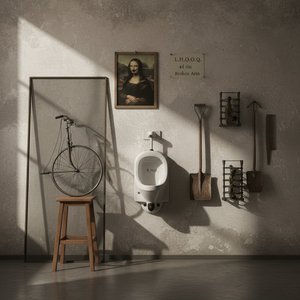
Marcel Duchamp: Challenging Conventions & Redefining Art in the 20th Century
Explore the revolutionary art of Marcel Duchamp! Discover how his Dadaist readymades challenged artistic conventions & redefined modern art. A deep dive into 'Fountain', conceptual shifts, and his lasting impact.

Топ-10 шедеврів постімпресіонізму: мистецтво, яке змінила епоху | ArtsDot.com
Відкрийте для себе 10 шедеврів постімпресіонізму від Ван Гога, Сезанна та інших геніїв! Історія мистецтва, унікальні техніки та емоційний вплив картин. Купуйте репродукції високої якості на ArtsDot.com та створіть свій неповторний інтер'єр.

Beyond Impressionism: Exploring the Emotional Depth of Post-Impressionist Painting
Explore the profound emotional depth & innovative techniques of Post-Impressionism with ArtsDot. Discover Cézanne, Van Gogh, Gauguin & more – and their lasting impact on modern art.


