


 Переглянути в інтер'єрі
 Надіслати
 Поділитися
 Деталі
 Посібник

 Завантажити
 Схожі предмети колекціонування
 Рентгенівське дослідження
 Слайд-шоу
 Статистика переглядів
Boats


 Читати далі
Гікле / Художній принт
Музейна якість друку جيкле або на полотні з оперативним виготовленням та різноманітними варіантами фінішної обробки. ( Купити картину ручної роботи Перейти до цифрових зображень)




P118B ₴10

P118H ₴10

P118W ₴10

P438Z ₴10

P508JH ₴12

P508YH ₴12

P805H ₴10

P805Z ₴10

P919BZ ₴10

P919G ₴10

P919XJ ₴10

P959ZH ₴10

P968JZ ₴12

W106C ₴8

W218G ₴10

W218JH ₴8

W218Y ₴10

W307PJ ₴10

W316G ₴10

W316PJ ₴8

W316Y ₴10

W398PJ ₴8

W4111J ₴10

W500HY ₴15

W500JH ₴15

W692G ₴12

W849H ₴8

W940BG ₴15

W953PJ ₴8




Обирайте з наших стандартних розмірів, що відповідають оригінальним пропорціям твору мистецтва.

Ви можете вказати власні розміри, щоб репродукція ідеально підійшла до конкретної рами або інтер'єру. Якщо обраний вами розмір не відповідає пропорціям оригіналу, ми або обріжемо полотно, або розширимо зображення за допомогою дзеркального відображення чи суцільної заливки країв. Перед початком виробництва вам буде надіслано цифровий макет для затвердження.
Будь ласка, зверніть увагу, що попередній перегляд на екрані не відображає фактичне обрізання або розширення. Тільки макет точно покаже фінальну композицію.
Хоча можливість замовлення індивідуальних розмірів доступна, ми рекомендуємо обирати формат із попередньо визначеного списку, щоб зберегти оригінальні пропорції.
Доставка по всьому світу () за 2 тижні замість стандартних 4/5 тижнів. (13 Жовтень)

Безкоштовна експрес-доставка по всьому світу

Високоякісне лляне полотно

Повне страхове покриття доставки

Гарантія повернення митних зборів

Гарантія точного відтворення кольорів

Політика повернення протягом 100 днів (лише у разі виявлення дефектів)

Гарантія повернення 100% коштів

Знижка на оптові замовлення
 Скляний варіант доступний лише для розмірів до 110 см

Boats
Гікле / Художній принт
Розмір репродукції
-


Загальна вартість
₴ 2763
A Symphony of Geometry: Reimagining Feininger's Boats
In the vast landscape of early twentieth-century modernism, few works capture the rhythmic pulse of movement and light as elegantly as Lyonel Feininger’s Boats. Painted in 1917, this masterpiece serves as a breathtaking bridge between the whimsical precision of graphic illustration and the profound structural depth of Cubism. At first glance, the viewer is greeted by a serene maritime scene, yet upon closer inspection, the water and vessels dissolve into a mesmerizing dance of geometric planes. Feininger, a master who could just as easily navigate the sharp lines of a comic strip as the ethereal complexities of Expressionism, uses this piece to invite us into a world where reality is fragmented, yet harmoniously reconstructed through the lens of color and form.
The composition is a masterful study in perspective and spatial layering. Several sailboats, varying in scale, drift across a canvas dominated by deep, evocative blues. Some vessels appear anchored in the foreground, their sails catching the light with sharp, angular clarity, while others recede into a misty background, creating an illusion of infinite depth. This technique of multiple viewpoints—a hallmark of the Cubist movement—allows the eye to wander through the scene, experiencing the boats from several angles simultaneously. The presence of two subtle human figures, positioned near the edges of the frame, provides a sense of scale and a quiet, contemplative narrative, grounding the abstract geometry in a moment of lived experience.
The Intersection of Light and Structure
Technically, Boats is an extraordinary testament to Feininger’s ability to manipulate light as if it were a physical substance. The artist employs a palette that balances cool, aquatic tones with sudden, brilliant highlights that suggest the sun reflecting off a moving tide. His use of line is particularly noteworthy; there is a stained-glass quality to the way the shapes intersect, a precursor to his later, even more architectural works. Each stroke of oil on canvas contributes to a sense of dynamism, where the stillness of the water is constantly challenged by the sharp, energetic edges of the sails.
For the discerning collector or interior designer, this artwork offers much more than mere decoration. It provides a sophisticated focal point that embodies the intellectual rigor of the Cubist era while maintaining an emotional warmth. The painting’s ability to evoke both tranquility and motion makes it a versatile choice for modern spaces, particularly those seeking to introduce a sense of historical depth and avant-garde elegance. To possess a reproduction of Boats is to bring a piece of the Musée National d'Art Moderne into one's own sanctuary, offering a daily encounter with the transformative power of light, color, and geometric grace.
Запитання та відповіді
Кольори у творі "Boats" виглядають насиченими чи ніжними?
Кольори в «Boats» Лйонель Феінгер мають Збалансований інтенсивність.
What aliases or alternate names does Лйонель Феінгер have?
Other names recorded for Лйонель Феінгер, creator of "Boats", include Льонєл Чарлз Едвін Феінгер, Карл Вільгельм Фрідріх Феінгер.
Наскільки виражений контраст у «Boats» Лйонель Феінгер?
Світлотіньовий контраст твору "Boats" становить Безтурботний. Контраст описує ступінь відмінності між світлими та темними ділянками.
Який інтер'єр найкраще підкреслить кольори твору «Boats» Лйонель Феінгер?
Враховуючи його кольорову гаму Нейтральні кольори, роботу «Boats» рекомендується розміщувати в Вітальня.
Скільки років було Лйонель Феінгер, коли створювався твір "Boats" у 1917 році?
Коли у 1917 році було створено «Boats», художнику Лйонель Феінгер (народився/лася у 1871) було 46 років.
Який формат у "Boats"?
«Boats» Лйонель Феінгер має формат Альбомна орієнтація. Формат описує пропорції композиції.
У якому році було створено «Boats» Лйонель Феінгер?
«Boats» датована 1917 роком. Ця дата дозволяє визначити місце твору в творчому шляху Лйонель Феінгер та відповідну епоху.
Де я можу знайти гід до «Boats»?
Посібник до «Boats» — це сторінка Посібник твору, що являє собою друковану інформаційну картку з зображенням витвору, його підписом, зазначенням авторства та ідентифікаційною таблицею (художник, дати, техніка, оригінальний розмір, колекція).
Схожі твори мистецтва


Біографія митця
Ранні роки та кар'єра: від карикатуриста до витонченого художника
- Народження та родина: Льонель Чарльз Адріан Фейнінгер народився 17 липня 1871 року в Нью-Йорку. Його батько, Карл Фейнінгер, був німецько-американським скрипалем і композитором, а мати, Елізабет Фейнінгер, — американською співачкою. Таке мистецьке коріння суттєво вплинуло на його ранній розвиток.
- Рання освіта та європейські подорожі: У 1887 році, у віці 16 років, Фейнінгер вирушив до Європи для вивчення музики, проте невдовзі переключив свою увагу на образотворче мистецтво. Він опановував малюнок у Гамбурзі та Берліні.
- Кар'єра в комерційній графіці: Починаючи з 1894 року, Феймунгер побудував успішну кар'єру карикатуриста для різних німецьких, французьких та американських журналів. Його комікси, такі як «The Kin-der-Kids» та «Wee Willie Winkie's World», здобули значну популярність і продемонстрували його унікальний графічний стиль.
- Перехід до високого мистецтва: Після 20-річного перебування в сфері комерційної графіки, Фейнінгер перейшов до образотворчого мистецтва у віці 36 років. Це стало вирішальним поворотним моментом у його творчому шляху.
Експресіонізм та вплив Баухаусу
- Приєднання до експресіоністських об'єднань: Фейнінгер став провідним представником експресіонізму, приєднавшись до таких впливових груп, як Die Brücke, Novembergruppe та Gruppe 1919. Його роботи в цей період відображали акцент руху на емоційному самовираженні та суб'єктивному досвіді.
- Перша сольна виставка: Його перша сольна виставка в галереї Sturm у Берліні (1917) стала ключовим моментом, що утвердив його як визначну постать у світі мистецтва.
- Майстер Баухаусу: У 1919 році Вальтер Гропіус призначив Фейнінгера першим викладачем Баухаусу — революційної школи мистецтва та дизайну. Він обіймав посаду майстра, відповідального за майстерню друку, суттєво вплинуло на численних студентів.
- Художній стиль: Його творчість характеризувалася призматично розбитими формами, напівпрозорими кольорами та відсиланнями до архітектури та моря, що зближувало його з класичним модернізмом.
Головні твори та художній розвиток
- Ранні морські пейзажі: Під час літніх відпусток на острові Узедом (1909–1918) Фейнінгер створив численні морські картини, що зображували Балтійське море, демонструючи еволюцію свого стилю.
- Визначні роботи: Серед його значущих творів — «Вердер I» (акварель), «Габерндорф II» (папір) та «Човни» (кубізм, олія на полотні). Ці полотна є прикладом його унікального поєднання експресіоністичних технік та архітектурних тем.
- Фотографічні роботи: У період між 1928 роком і серединою 1950-х років Фейнінгер створив значний масив фотографічних робіт, що продемонструвало його багатогранність як митця.
- Музичні композиції: Він також написав кілька фортепіанних творів та фуг для органа, відкриваючи ще одну грань свого художнього таланту.
Пізні роки та спадщина
- Еміграція до Сполучених Штатів: Через прихід до влади нацистської партії у 1933 році, Фейнінгер разом із дружиною емігрував до США.
- Продовження творчої практики: Він продовжував писати картини та створювати мистецтво протягом усього свого життя, зберігаючи свій самобутній стиль.
- Смерть та визнання: Льонель Фейнінгер помер 13 січня 1956 року. Його творчість залишила незабутній слід у світі мистецтва, надихаючи художників та ентузіастів унікальним поєднанням експресіонізму, графічних експериментів та архітектурних мотивів.
- Історичне значення: Як ключова постать як в експресіонізмі, так і в русі Баухаус, внесок Фейнінгера суттєво сформував шлях сучасного мистецтва. Його інноваційне використання кольору, форми та перспективи продовжує знаходити відгук у серцях глядачів і сьогодні.

Лйонель Феінгер
1871 - 1956 , США
Довідкова інформація
- Artistic Movement Or Style: Виражаванство
- Artists Or Movements Influenced By This Artist: ['Баухаус']
- Artists Who Influenced This Artist:
- Ван Гог
- Кезен
- Date Of Birth: 1871 рік
- Date Of Death: 1956 рік
- Full Name: Lyonel Charles Adrian Feininger
- Nationality: Німецько-американський
- Notable Artworks:
- Вердер I
- Габерндорф II
- Коти
- Place Of Birth: Нью-Йорк, США
Схожі статті

Fluid Reflections: Exploring Water's Symbolism in Art History – From Myth to Impressionism
Explore the rich symbolism of water in art history – from ancient myths to Impressionism's fleeting beauty. Discover masterpieces & find your perfect serene artwork with ArtsDot.com.

Клод Моне: Топ-25 шедеврів імпресіонізму для вашого дому | ArtsDot
Відкрийте для себе 25 найвідоміших шедеврів Клода Моне! Історія імпресіонізму, пейзажі, водні лілії та унікальні техніки живопису. Репродукції картин високої якості для вашого дому від ArtsDot.com. Дослідіть всю колекцію онлайн!

Топ-10 знаменитих картин у відтінках сіро-блакитного: мистецтво для вашого дому
Пориньте у світ сіро-блакитного кольору! Від Моне до Ренуара – топ-10 знаменитих картин, що зачаровують глибиною відтінків. Історія мистецтва, техніки та натхнення для вашого дому. Знайдіть репродукцію мрії на ArtsDot.com!

Топ-10 шедеврів мистецтва про човни: історія, художники та декор для дому
Відкрийте для себе 10 найвідоміших картин про човни від Ван Гога, Моне та інших майстрів! Історія мистецтва, техніки живопису та ідеї декору для дому. Купуйте репродукції високої якості на ArtsDot.com.
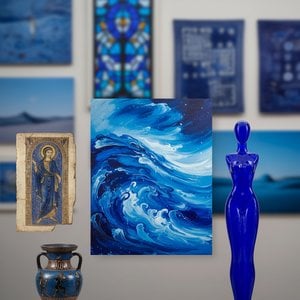
The Allure of Azure: Exploring the Symbolic & Aesthetic Depths of Blue in Art History
Explore the rich history of blue in art! Discover its symbolism, from ancient pigments to modern masterpieces by Kandinsky & Seurat. Uncover the psychological impact and cultural meanings behind this captivating hue.