


 Переглянути в інтер'єрі
 Надіслати як листівку
 Поділитися
 Деталі витвору
 Посібник

 Завантажити
 Схожі екземпляри
 Рентгенівське дослідження
 Слайд-шоу
 Статистика
Composition (Cross and Circle)\n\nComposition (Cross and Circle)


 Розгорнути текст
Олійная репродукція ручної роботи
Написана вручну олією на полотні у вашому розмірі та рамі, виготовлена на замовлення нашими художниками. ( Перейти до друку Перейти до цифрових зображень)




P118B ₴10

P118H ₴10

P118W ₴10

P438Z ₴10

P508JH ₴12

P508YH ₴12

P805H ₴10

P805Z ₴10

P919BZ ₴10

P919G ₴10

P919XJ ₴10

P959ZH ₴10

P968JZ ₴12

W106C ₴8

W218G ₴10

W218JH ₴8

W218Y ₴10

W307PJ ₴10

W316G ₴10

W316PJ ₴8

W316Y ₴10

W398PJ ₴8

W4111J ₴10

W500HY ₴15

W500JH ₴15

W692G ₴12

W849H ₴8

W940BG ₴15

W953PJ ₴8




Обирайте з наших стандартних розмірів, що відповідають оригінальним пропорціям твору мистецтва.

Введіть необхідну ширину та висоту, щоб картина підійшла до вашої рами або стіни. Оскільки це ручний розпис, для зміни пропорцій художник може дописати трохи більше по краях або дещо обрізати композицію — вибір за вами. Перед початком роботи ми надішлемо вам цифровий макет для затвердження. Зображення, показане на цій сторінці, не є реальним результатом — лише макет відображає майбутній вигляд.
Після оформлення замовлення команда ArtsDot.com зв'яжеться з клієнтом електронною поштою для отримання інструкцій та надасть попередній макет
Доставка по всьому світу () за 3–4 тижні замість стандартних 5 тижнів. (28 Жовтень). Без жодних компромісів у якості.

Безкоштовна експрес-доставка по всьому світу

Високоякісне лляне полотно

Повне страхове покриття доставки

Гарантія повернення митних зборів

Гарантія точного відтворення кольорів

Політика повернення протягом 100 днів (лише у разі виявлення дефектів)

Гарантія повернення 100% коштів

Пропозиція на оптові замовлення
 Скляний варіант доступний лише для розмірів до 110 см

Composition (Cross and Circle)\n\nComposition (Cross and Circle)
Матеріал репродукції
Розмір репродукції
-


Підсумкова вартість
₴ 11800
Composition (Cross and Circle): A Pioneer’s Vision of Geometric Abstraction
László Moholy-Nagy's "Composition (Cross and Circle)" stands as a cornerstone of Constructivism, embodying the movement’s radical embrace of industrial materials and geometric abstraction. Created in 1923 during his pivotal time at the Bauhaus school in Weimar, Germany, this deceptively simple painting—measuring just 7 x 11 cm—commands considerable artistic significance despite its diminutive size. It resides within the Museum of Fine Arts in Boston, a testament to its enduring appeal and scholarly recognition.- Style: Constructivism – Rejecting Impressionism’s focus on subjective perception, Constructivism championed objectivity and rationality, prioritizing geometric forms—primarily intersecting lines and circles—to represent reality.
- Technique: Executed in black ink on white paper, Moholy-Nagy utilized a precise linework technique to delineate the cross and circle shapes. The stark contrast between black and white amplifies the visual impact, emphasizing the purity of form and minimizing any illusionistic depth.
- Historical Context: Bauhaus emerged as an avant-garde architectural school founded in 1919 with a mission to fuse art, craft, and technology. Moholy-Nagy’s involvement reflected this broader ambition—to reimagine the role of artists within society by exploring new mediums and methodologies.
- Influence: Moholy-Nagy drew inspiration from Suprematism, pioneered by Kazimir Malevich, which similarly prioritized geometric abstraction as a pathway to spiritual enlightenment.
- Beyond Aesthetics: The painting’s impact extends beyond its visual qualities. It represents a crucial step in the evolution of art toward embracing technological advancements and questioning traditional artistic conventions.
Питання та відповіді
Яка кольорова палітра використана в «Composition (Cross and Circle)\n\nComposition (Cross and Circle)» роботи Ласло Мохоль-Ней?
Палітра «Composition (Cross and Circle)\n\nComposition (Cross and Circle)» роботи Ласло Мохоль-Ней описується як Neutrals. Це стислий опис кольорової гами твору.
Яка техніка виконання та розмір оригіналу «Composition (Cross and Circle)\n\nComposition (Cross and Circle)» роботи Ласло Мохоль-Ней?
«Composition (Cross and Circle)\n\nComposition (Cross and Circle)» виконана в техніці Acrylic On Canvas, її оригінальний розмір становить 7 x 11 cm.
У якому році та до якого напряму належить твір "Composition (Cross and Circle)\n\nComposition (Cross and Circle)"?
«Composition (Cross and Circle)\n\nComposition (Cross and Circle)» було створено у 1923 як твір у стилі Constructivism. Дата створення та художній напрям визначають місце цього твору в історії мистецтва.
Схожі твори мистецтва


Біографія митця
Ласло Мохоль-Ней: Піонер сучасного мистецтва та Баухаусу
- Народився: Бач-Каяла, Угорщина (1895)
- Помер: 1946
Ласло Мохоль-Ней був надзвичайно впливовим угорським художником, фотографом, скульптором та дизайнером. Він найбільш відомий своїм вагомим внеском у школу Баухаус та новаторською роботою в галузі конструктивизму, типографіки, фотографії та кінетичного мистецтва. Його мистецька філософія зосереджувалася на інтеграції технологій та промисловості в мистецтво, пропонуючи нове бачення творчості, що охоплює сучасний світ.
Ранні роки та впливи
- Ранні роки та родина: Народившись під іменем Ласло Вайз у єврейській родині в Бачсбороді, Угорщина, він пізніше прийняв прізвище Мохоль-Ней. Його двоюрідним братом був видатний диригент сер Георг Шолті.
- Освіта та військова служба: Спочатку він вивчав право в Будапешті, перш ніж піти на службу під час Першої світової війни, де отримав серйозне поранення. Цей період познайомив його з авангардними рухами через такі журнали, як «Jelenkor» та «активістське» коло навколо журналу Лайоша Кассака «Ma».
- Рання мистецька підготовка: Після військової служби він навчався у угорського художника-фовіста Роберта Берені, що продемонструвало його ранній інтерес до сучасних мистецьких тенденцій. Він також короткочасно підтримував Угорську Радянську Республіку.
- Ключові впливи: На Мохоль-Нея суттєво вплинули конструктивизм та супрематизм — рухи, що робили акцент на геометричній абстракції та промислових матеріалах. Ці впливи чітко простежуються в його пізніших творах.
Роки в Баухаусі та «Нове бачення»
- Приєднання до Баухаусу: У 1923 році Мохоль-Ней приєднався до школи Баухаус у Веймарі, Німеччина, спочатку викладаючи підготовчий курс разом із Йозефом Алберсом, а згодом замінивши Йоганнеса Іттена на посаді керівника металевої майстерні.
- Зміна напрямку Баухаусу: Його прихід ознаменував відхід від експресіонізму до більш конструктивистського та орієнтованого на дизайн підходу, що відповідало первісним цілям школи.
- «Нове бачення» (Neues Sehen): Мохоль-Ней найбільш відомий завдяки введенню терміну «Нове бачення», який прославляв здатність камери виявляти аспекти реальності, невидимі людському оку. Ця концепція стала основою його фотографічних та мистецьких експериментів.
- Фотограми: Він став піонером техніки фотограми — створення зображень шляхом безпосереднього розміщення об'єктів на світлочутливому папері без використання камери, що продемонструвало інноваційні підхід до фотографії.
- Експерименти з матеріалами та технологіями: У своїх скульптурах та дизайнах Мохоль-Ней використовував промислові матеріали, такі як метал, плексиглас та електричне освітлення, що відображало його віру в інтеграцію мистецтва та технологій.
Головні досягнення та інновації
- «Lichtrequisit einer elektrischen bühne» (Світло-просторовий модулятор): Завершена у 1930 році, ця кінетична скульптура використовувала рухомі частини та проєкційне світло для створення динамічних візерунків на навколишніх поверхнях, що вважається попередником як кінетичного, так і світлового мистецтва.
- Фотографія та кіно: Його фотографічні роботи досліджували абстракцію, текстуру та рух, часто використовуючи нетрадиційні техніки, такі як фотомонтаж та експериментальне освітлення. Він також спробував себе у кінематографі.
- Викладацька спадщина: Як викладач у Баухаусі, а пізніше в New Bauhaus у Чикаго (який він заснував), Мохоль-Ней глибоко вплинув на покоління художників та дизайнерів.
- Сценографія та реклама: Окрім образотворчого мистецтва, він розробляв декорації для театральних постановок та створював рекламні кампанії, демонструючи універсальність, що відображала його філософію дизайну.
Історичне значення
- Піонер сучасного мистецтва: Ласло Мохоль-Ней є ключовою постаттю в модерному мистецтві XX століття, що поєднав живопис, скульптуру, фотографію та промисловий дизайн.
- Вплив на дизайн Баухаусу: Його внесок у школу Баухаус відіграв вирішальну роль у формуванні її навчальної програми та естетики, залишивши тривалий слід у світовій освіті в галузі дизайну.
- Прихильник технологічної інтеграції: Акцент Мохоль-Нея на поєднанні технологій з мистецтвом передбачив багато розвідок у сучасних художніх практиках.
- Спадщина «Нового бачення»: Його концепція «Нового бачення» продовжує надихати художників та фотографів досліджувати можливості сприйняття та репрезентації через інноваційні техніки.

Ласло Мохоль-Ней
1895 - 1946 , Угорра́щина
Короткі факти
- Artistic Movement Or Style: Конструктивизм, Баухаус
- Artists Or Movements Influenced By This Artist: ['Баухаус']
- Artists Who Influenced This Artist: ['Роберт Берень']
- Date Of Birth: 1895
- Full Name: László Moholy-Nagy
- Nationality: Угорський
- Notable Artworks:
- Невелика композиція
- Квітка
- Масова психоз
- Place Of Birth: Bacs-Kajala, Угорщина
Пов'язані статті

Beyond Form & Color: Geometric Abstraction's Evolution in 20th/21st Century Art
Explore the evolution of geometric abstraction from Cubism to contemporary art. Discover key artists like Malevich & Mondrian, investment insights, and expert collecting advice at ArtsDot.

Beyond Form & Color: Geometric Abstraction's Enduring Legacy in Art History
Explore the captivating world of geometric abstraction! Discover its origins, key artists like Malevich & Mondrian, and why this movement remains highly valued by art collectors today. Expert insights at ArtsDot.

Топ-10 шедеврів геометричної абстракції: мистецтво для вашого інтер'єру від ArtsDot.com
Відкрийте для себе 10 шедеврів геометричної абстракції від Кандинського, Малевича та Мондріана! Історія мистецтва, кольори та форми. Репродукції картин преміум-класу на ArtsDot.com – ідеальний декор для вашого дому.
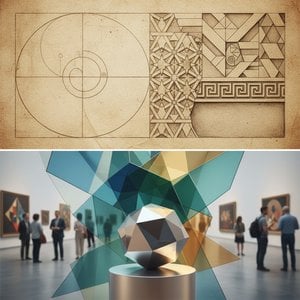
Geometric Design in Art: A Historical Survey & Contemporary Appeal for Collectors
Explore the enduring legacy of geometric abstraction! Discover key artists, historical movements & investment insights for discerning art collectors. Expert guidance from ArtsDot.

Топ-25 шедеврів Василя Кандинського: подорож у світ абстрактного мистецтва | ArtsDot.com
Відкрийте для себе 25 найвідоміших шедеврів Василя Кандинського! Пориньте у світ абстрактного мистецтва, експресіонізму та кольорових композицій. Репродукції картин Кандинського преміум-якості на ArtsDot.com – для вашого інтер'єру з душею. Дослідіть повну колекцію онлайн!