

 Переглянути в інтер'єрі
 Надіслати як листівку
 Поділитися
 Деталі витвору
 Посібник

 Завантажити
 Схожі екземпляри
 Рентгенівське дослідження
 Слайд-шоу
 Q&A
Q&A Статистика
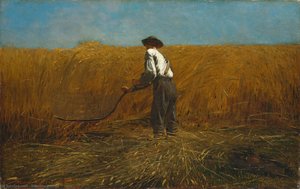
Stacking Grain Sheaves


 Розгорнути текст
Отримайте файл, готовий до друку, якість якого значно перевищує якість веб-попереднього перегляду. Кожне цифрове зображення, яке ми продаємо, створене на основі високої роздільної здатності з нашої бази даних — зазвичай від 5 000 до 15 000 пікселів по ширині — тому ви можете впевнено друкувати у великому форматі, робити щільну обрізку або відтворювати найдрібніші деталі.
Жоден файл не залишається в нашій студії без уваги. Експерт із цифрової обробки звіряє кольори з оригінальною картиною та за потреби коригує їх, після чого покращує чіткість і деталізацію за допомогою професійних інструментів ретушування — завжди зберігаючи вірність мазкам пензля та стилю художника. Результатом є зображення, яке виглядає як справжня картина, а не як відскановане фото з накладеними фільтрами.
Ви затверджуєте результат перед завершенням замовлення: протягом 72 годин наш експерт надішле зображення електронною поштою для вашого перегляду. Не задоволені результатом? Ви можете попросити про внесення змін чи виправлень або отримати відшкодування, якщо якість не відповідає вашим очікуванням.
Саме на таку якість покладаються видавництва, дизайн-студії, галереї та друкарні.
Цифрове зображення
Завантажте файл високої роздільної здатності для особистого використання, друку та творчих проєктів. ( Перейти до друку Замовити картину ручної роботи)
Переваги кожного замовлення цифрових зображень
Експертна цифрова доставка з гарантією якості
Обираючи ArtsDot.com, ви отримуєте не просто зображення — ви отримуєте професійно вдосконалений цифровий витвір мистецтва, створений з надзвичайною точністю та підкріплений гарантією задоволення. Ось усе, що автоматично додається до вашого замовлення:

Швидка доставка на email
Ваш цифровий файл із зображенням високої роздільної здатності буде надісланий вам електронною поштою протягом 72 годин після оформлення замовлення — він буде готовий до негайного використання.

Цифровий файл із покращенням ШІ
Ваш витвір мистецтва професійно оптимізовано за допомогою передових інструментів штучного інтелекту та ручної корекції, що забезпечує максимальну деталізацію, чіткість і точність передачі кольорів.

Безкоштовне повторне завантаження назавжди
Випадково видалили або втратили файл? Не хвилюйтеся — ми надішлемо його вам повторно в будь-який час безкоштовно.

Без митних зборів — завжди
Насолоджуйтесь вашим витвором мистецтва миттєво без жодних мит, зборів або плати за доставку — цифрові завантаження завжди не оподатковуються.

Гарантія точності кольорів
Ми гарантуємо максимально точне відтворення оригінальних кольорів на вашому цифровому зображенні завдяки використанню професійних інструментів та систем управління кольором.

100-денна гарантія задоволення
Якщо ви не задоволені придбаним цифровим зображенням, ми внесемо правки або повернемо 100% вартості протягом 100 днів — без зайвих запитань.

Гарантія повернення 100% коштів
Незадоволені покупкою? Отримайте повне повернення коштів протягом 100 днів після отримання цифрового файлу — без зайвих запитань.

Знижки на оптові замовлення
Купуйте 3 зображення — заощаджуйте 10% — Купуйте 5 — заощаджуйте 15% — Купуйте 10+ — заощаджуйте 20%. Чудово підходить для творчих проєктів, галерей та агентств.
A Symphony of Rural Labor
In the golden light of a late nineteenth-century afternoon, Julien Dupré captures a moment of profound communal effort in his masterpiece, Stacking Grain Sheaves. This evocative scene serves as a window into the rhythmic, tireless life of the French peasantry, where the boundaries between human toil and the natural world seem to dissolve. The painting depicts a group of farmers engaged in the monumental task of gathering hay, their bodies leaning into the weight of the harvest with a grace born of necessity. As they pile the golden stalks into massive, towering mounds, the composition draws the eye upward, mirroring the rising abundance of the earth. A solitary horse rests near the periphery, a silent witness to the industry unfolding around it, grounding the scene in the quiet, heavy atmosphere of a working farm.
The artistry of Dupré lies in his ability to elevate the mundane into the monumental. Through a masterful application of Realist technique, he renders the textures of the landscape with breathtaking precision—the coarse roughness of the dried hay, the soft dust rising from the field, and the sturdy, weathered fabrics of the laborers' clothing. His brushwork is deliberate yet fluid, capturing the play of sunlight across the undulating piles of grain, which act as the focal point of the canvas. The interplay of light and shadow creates a sense of depth that pulls the viewer into the heart of the field, making one feel the warmth of the sun and the physical weight of the harvest.
The Soul of the French Countryside
Beyond its technical brilliance, Stacking Grain Sheaves is steeped in the historical and emotional resonance of the Realist movement. Created during a period when the industrial revolution was rapidly transforming the landscape of Europe, Dupré’s work acts as a poignant tribute to a vanishing way of life. There is a profound sense of dignity imbued in every figure; these are not merely subjects of a pastoral scene, but heroes of their own survival. The painting celebrates the strength found in collective labor and the sacred bond between the people and the land they cultivate.
For the discerning collector or interior designer, this piece offers more than mere decoration; it provides an emotional anchor for a room. Its warm, earthy palette of ochre, gold, and deep umber brings a sense of organic tranquility and timelessness to any space. Whether placed in a sun-drenched library or a sophisticated contemporary living area, the painting invites contemplation on themes of perseverance, abundance, and the enduring beauty of the natural cycle. It is an investment in a piece of history that continues to breathe life and warmth into the modern home.
Питання та відповіді
Яким чином твір "Stacking Grain Sheaves" перегукується з іншими роботами Julien Dupré?
У творчому спадку Julien Dupré твір "Stacking Grain Sheaves" витриманий у стилі Realism та перегукується з темами academic realism influence, french rural life, peasant labor themes, core of his oeuvre, naturalistic landscape style.
До якого періоду належить «Stacking Grain Sheaves» роботи Julien Dupré?
Історичний період твору «Stacking Grain Sheaves» роботи Julien Dupré — 19th Century. Така класифікація визначає місце витвору в історії мистецтва.
Чи відомий Julien Dupré, автор твору "Stacking Grain Sheaves", під іншими іменами?
Інші відомі імена Julien Dupré, автора твору "Stacking Grain Sheaves", включають Julien Dupre.
Схожі твори мистецтва


Біографія митця
A Life Rooted in the French Countryside
Julien Dupré, born in Paris on March 18, 1851, was an artist whose life and work became inextricably linked to the rural heartland of France. His story is one of unexpected turns, shaped by historical events and a deep-seated connection to the land and its people. Initially destined for his family’s jewelry business – his father, Jean Dupré, was a jeweler, and he began an apprenticeship in lacemaking – fate intervened with the outbreak of the Franco-Prussian War in 1870. The closure of the lace shop during the siege of Paris provided an unforeseen opportunity for young Julien to pursue his artistic inclinations. He enrolled in evening classes at the École des Arts Décoratifs, a pivotal step that ultimately led him to the prestigious École des Beaux-Arts where he studied under Isidore Pils and Henri Lehmann. This formal training laid the foundation for his meticulous technique and academic approach, yet it was an encounter with a different kind of mentorship that truly defined his artistic path.The Influence of Laugée and the Embrace of Realism
A transformative period in Dupré’s development came with his travels to Picardy in the mid-1870s, where he became a student of Désiré François Laugée, a celebrated painter of rural genre scenes. This mentorship proved profoundly influential, shaping both his subject matter and artistic style. In 1876, a year marked by personal happiness – his marriage to Marie Eléonore Françoise Laugée, his mentor’s daughter – he exhibited his first painting at the Paris Salon, signaling his arrival on the art scene. Dupré's artistic vision was firmly rooted in Realism, an aesthetic movement that sought to depict everyday life with accuracy and sincerity. He wasn’t merely recording what he saw; he was imbuing it with a sense of dignity and respect for the lives of those who labored on the land. The influence of Jean-François Millet is palpable in his work, sharing a similar commitment to portraying peasant life not as idyllic fantasy but as a reality marked by both hardship and quiet beauty.Themes of Rural Life and Artistic Style
Throughout his career, Julien Dupré championed the lives of peasants and rural communities, becoming known for his evocative depictions of agricultural scenes in Normandy and Brittany. His paintings are characterized by their idyllic yet honest portrayals of farmers working in fields, tending to livestock, and engaging in the rhythms of daily life. He masterfully captured the beauty of the French countryside – the golden hues of ripening wheat, the soft light filtering through trees, the textures of earth and foliage. His style is often described as Academic Realism, a blend of meticulous detail, naturalistic lighting, and harmonious compositions. There’s a sense of tranquility that pervades his work, a reverence for the land and its people that invites viewers to pause and contemplate the simple beauty of rural existence. He wasn't interested in grand narratives or dramatic events; instead, he found poetry in the ordinary, elevating the everyday experiences of agricultural life to the realm of art.Recognition and Legacy
Dupré consistently exhibited at the Paris Salon throughout his career, gaining recognition for his evocative depictions of rural life. Paintings such as The Harvester, Stacking Grain Sheaves, and The Watering Hole became emblematic of his style and subject matter. While he didn’t achieve widespread international fame during his lifetime, his work resonated with art collectors and critics who appreciated his ability to capture the essence of peasant life with both realism and poetic sensibility. His paintings offer valuable insights into the social and economic conditions of rural France in the late 19th century, serving as a testament to the enduring beauty of the countryside and the dignity of agricultural labor. His legacy continues through his paintings, which are now held in numerous museums and private collections, offering future generations a glimpse into a bygone era. He contributed significantly to the Realist movement, providing a nuanced and sympathetic portrayal of peasant life that resonated with audiences seeking authenticity and emotional depth. Julien Dupré passed away on April 16, 1910, leaving behind a body of work that continues to celebrate the beauty and simplicity of rural French life.
Julien Dupré
1851 - 1910 , France
Короткі факти
- Full Name: Julien Dupré
- Nationality: French
- Date Of Birth: 1851
- Date Of Death: 1910
- Place Of Birth: Paris, France
- Notable Artworks:
- The Harvester
- Harvesters
- Stacking Grain Sheaves
- Artistic Movement Or Style: Realism, Academic painting
- Artists Who Influenced This Artist:
- Jean-François Millet
- Désiré François Laugée