


 Переглянути в інтер'єрі
 Надіслати як листівку
 Поділитися
 Детальніше

 Завантажити
 Схожі експонати
 Рентгенівське дослідження
 Слайд-шоу
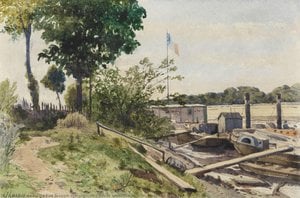
Intérieur de cloître

 Читати далі
Придбайте цифрову копію високої роздільної здатності з покращеною якістю, що значно перевершує онлайн-перегляд.
Кожен файл ретельно підготовлений нашими фахівцями за допомогою сучасних інструментів та професійної ручної ретуші. Ми гарантуємо виняткову чіткість, точну передачу кольору та високу деталізацію кожного зображення.
Фінальний файл надсилається електронною поштою протягом 72 годин і оптимізований для негайного використання у професійних виданнях та друкованих матеріалах. Таку якість обирають провідні дизайнерські студії, видавництва та галереї.
Цифрове зображення
Завантажте файл високої роздільної здатності для особистого використання, друку та творчих проєктів. ( Замовити принт Замовити репродукцію ручної роботи)
Переваги кожного замовлення цифрових зображень
Експертна цифрова доставка з гарантією якості
Обираючи ArtsDot.com, ви отримуєте не просто зображення — ви отримуєте професійно вдосконалений цифровий витвір мистецтва, створений з надзвичайною точністю та підкріплений гарантією задоволення. Ось усе, що автоматично додається до вашого замовлення:

Швидка доставка на email
Ваш цифровий файл із зображенням високої роздільної здатності буде надісланий вам електронною поштою протягом 72 годин після оформлення замовлення — він буде готовий до негайного використання.

Цифровий файл із покращенням ШІ
Ваш витвір мистецтва професійно оптимізовано за допомогою передових інструментів штучного інтелекту та ручної корекції, що забезпечує максимальну деталізацію, чіткість і точність передачі кольорів.

Безкоштовне повторне завантаження назавжди
Випадково видалили або втратили файл? Не хвилюйтеся — ми надішлемо його вам повторно в будь-який час безкоштовно.

Без митних зборів — ніколи
Насолоджуйтесь вашим витвором мистецтва миттєво без жодних мит, зборів або плати за доставку — цифрові завантаження завжди не оподатковуються.

Гарантія точності кольорів
Ми гарантуємо максимально точне відтворення оригінальних кольорів на вашому цифровому зображенні завдяки використанню професійних інструментів та систем управління кольором.

Гарантія задоволення протягом 60 днів
Якщо ви не задоволені придбаним цифровим зображенням, ми відкоригуємо його або повернемо 100% вартості протягом 60 днів — без жодних запитань.

Гарантія повернення 100% коштів
Не задоволені покупкою? Отримайте повне повернення коштів протягом 60 днів після отримання цифрового файлу — без жодних запитань.

Знижки на оптові замовлення
Купуйте 3 зображення — заощаджуйте 10% — Купуйте 5 — заощаджуйте 15% — Купуйте 10+ — заощаджуйте 20%. Чудово підходить для творчих проєктів, галерей та агентств.
Схожі твори мистецтва




Біографія митця
Jules Coignet: Bridging Realism and Impressionism in the French Landscape
Jules Louis Philippe Coignet, a name perhaps less familiar than his contemporaries Corot or Millet, nevertheless occupies a significant, if often overlooked, position within 19th-century French landscape painting. Born in Paris in 1798 and passing away there in 1860, Coignet’s career spanned a pivotal period of artistic transition, marked by the shift from academic realism to the burgeoning possibilities of plein air painting and nascent Impressionism. He wasn't merely a recorder of scenery; he was an artist deeply attuned to light, atmosphere, and the subtle poetry of nature, qualities that earned him recognition at the prestigious Paris Salon and ultimately cemented his legacy as a bridge between established tradition and a more modern sensibility.
Coignet’s early artistic training laid the groundwork for his distinctive style. He began his studies under Jean-Victor Bertin, a prominent Neoclassical landscape painter known for his meticulously detailed depictions of historical scenes. However, Coignet quickly moved beyond this formal approach, embracing a more direct and observational method. This shift became particularly evident in his Salon submissions, which largely eschewed mythological or historical subjects in favor of topographical views – intimate studies of landscapes captured directly from nature. This decision to prioritize observation over idealized representation was revolutionary for the time, aligning him with the emerging trend of *plein air* painting, a practice championed by artists like Constable and later embraced wholeheartedly by Impressionists.
The influence of John Constable’s work in 1824 proved particularly transformative. Constable's emphasis on capturing fleeting moments of light and atmosphere—his loose brushwork and willingness to paint directly from nature—resonated deeply with Coignet, prompting him to begin his own outdoor excursions into the Fontainebleau Forest. He wasn’t simply sketching; he was actively seeking to translate the sensory experience of a landscape onto canvas – the warmth of sunlight on foliage, the shifting patterns of shadow, the subtle gradations of color. This commitment to direct observation is vividly illustrated in works like “The Ruins of the Temple of Paestum,” now housed in Munich’s Neue Pinakothek, where the interplay of light and ruin evokes a powerful sense of melancholy and timelessness.
A Pioneer of *Plein Air* Painting
Coignet's embrace of *plein air* painting wasn’t merely a stylistic choice; it represented a fundamental shift in artistic practice. Prior to the advent of portable paint tubes in the 1840s, artists were largely confined to working within the studio, relying on prepared pigments and meticulous layering techniques. Coignet’s willingness to venture outdoors, battling inclement weather and capturing his impressions directly onto canvas, signaled a radical departure from this established model. He actively encouraged his students to follow suit, fostering a generation of landscape painters who prioritized direct experience and spontaneous expression.
His dedication extended beyond simple observation; Coignet was fascinated by the interplay between man and nature. He produced a remarkable series of “tree portraits”—intimate studies of individual trees, often accompanied by symbolic elements such as dolmens or meditating monks. These works, exemplified by the ancient oak in Quimper Museum and the dramatic "Oak tree and reeds" at Château-Thierry, demonstrate Coignet’s ability to imbue inanimate objects with a sense of life and narrative. The inclusion of these humanistic details suggests a deeper engagement with themes of spirituality, contemplation, and the relationship between humanity and the natural world.
Technique and Style: Light, Shade, and Atmospheric Perspective
Coignet’s artistic style is characterized by a remarkable balance of vigor and delicacy. His paintings are imbued with a palpable sense of energy—a dynamic brushstroke that captures the movement of wind and water, the texture of bark and foliage. Yet, this dynamism is tempered by an exquisite sensitivity to light and shade, creating effects of luminosity and depth that are both captivating and profoundly evocative. He skillfully employed atmospheric perspective – subtly altering colors and values to suggest distance – to create a sense of spatial recession and heighten the emotional impact of his landscapes.
Furthermore, Coignet’s work occasionally exhibits an almost Impressionistic quality—a fleeting capture of a particular moment in time. Consider his coastal sunset painting in the Louvre, or the pastel “Grey weather over the sea,” both of which convey a sense of atmospheric mood and transient beauty. While he predates the formal emergence of Impressionism, Coignet’s emphasis on capturing ephemeral effects anticipates many of the key tenets of this revolutionary movement.
Legacy and Historical Significance
Despite not achieving the widespread fame of some of his contemporaries, Jules Coignet's contribution to French landscape painting is undeniable. He was a pivotal figure in the transition from academic realism to *plein air* painting, and his innovative approach to capturing light and atmosphere influenced generations of artists. His pioneering spirit—his willingness to challenge established conventions and embrace new techniques—earned him recognition at the Paris Salon and secured his place as a key player in the development of modern landscape art.
Coignet’s legacy extends beyond his individual paintings; he also left behind a valuable body of sketches and drawings, which offer insights into his artistic process and demonstrate his meticulous attention to detail. These works, now housed in museums across France, provide a tangible connection to the artist's creative world and illuminate the evolution of his distinctive style. Jules Coignet remains a testament to the power of observation, the beauty of nature, and the enduring legacy of a truly remarkable painter.

jules louis philippe coignet
1798 - 1860
Основна інформація
- Artistic Movement Or Style: Barbizon School, Plein Air
- Artists Or Movements Influenced By This Artist: ['Impressionists']
- Artists Who Influenced This Artist: ['Jean-Victor Bertin']
- Date Of Birth: 1798
- Date Of Death: 1860
- Full Name: Jules Louis Philippe Coignet
- Nationality: French
- Notable Artworks:
- Ruins of Paestum
- Oak tree & reeds
- Coastal sunset Louvre
- Place Of Birth: Paris, France

