

- 73.0 x 59.0 cm


Картина відповідає вашим виборам: , .
Опис експоната
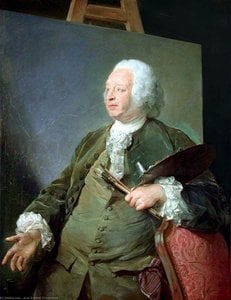
Explore Jean-Baptiste Greuze's captivating Self-Portrait (1785), housed in the Louvre. Discover neoclassical elegance, subtle symbolism & masterful technique.
 Розгорнути текст
Біографія митця
Жан-Батьйольє Грзу — французький живописець, відомий своїми емоційно насиченими жанровими сценами та портретами, що зображують повсякденне життя та моральні уроки. Його роботи стали символом епохи рококо та відображають цінності буржуазного суспільства.
Олійная репродукція ручної роботи
Написана вручну олією на полотні у вашому розмірі та рамі, виготовлена на замовлення нашими художниками. ( Перейти до друку Перейти до цифрових зображень)
Більше про цю картину
 Переглянути в інтер'єрі
 Надіслати як листівку
 Поділитися
 Деталі витвору
 Посібник

 Завантажити
 Схожі екземпляри
 Рентгенівське дослідження
 Слайд-шоу
 Питання та відповіді
 Статистика
Замовте свою картину у чотири прості кроки
Не поспішайте. Ви можете змінити будь-яку відповідь; ціна у вашій кошику буде оновлюватися відповідно до кожного вибору.
1 Перший крок із чотирьох
Який розмір ви бажаєте обрати?
Ці розміри зберігають пропорції оригінальної картини. На малюнку показано ваш вибір на стіні над двометровим диваном.
Або вкажіть власні розміри
Обирайте з наших стандартних розмірів, що відповідають оригінальним пропорціям твору мистецтва.

Введіть необхідну ширину та висоту, щоб картина підійшла до вашої рами або стіни. Оскільки це ручний розпис, для зміни пропорцій художник може дописати трохи більше по краях або дещо обрізати композицію — вибір за вами. Перед початком роботи ми надішлемо вам цифровий макет для затвердження. Зображення, показане на цій сторінці, не є реальним результатом — лише макет відображає майбутній вигляд.
2 Другий крок із чотирьох
Як його підготувати: у рулоні, на підрамнику чи в рамі?
Наведені нижче ціни вказані для розміру, обраного вами на першому кроці.
Оберіть тип країв натяжного полотна
Оберіть свою раму

Білий край ₴1

Розмитий край ₴1

З розширенням ₴1

P118B ₴10

P118H ₴10

P118W ₴10

P438Z ₴10

P508JH ₴12

P508YH ₴12

P805H ₴10

P805Z ₴10

P919BZ ₴10

P919G ₴10

P919XJ ₴10

P959ZH ₴10

P968JZ ₴12

W106C ₴8

W218G ₴10

W218JH ₴8

W218Y ₴10

W307PJ ₴10

W316G ₴10

W316PJ ₴8

W316Y ₴10

W398PJ ₴8

W4111J ₴10

W500HY ₴15

W500JH ₴15

W692G ₴12

W849H ₴8

W940BG ₴15

W953PJ ₴8

H24-GOLD ₴30

H24-SILVER ₴30

H36-GOLD ₴45

H36-SILVER ₴45
У рамі
Багет: . Загальний розмір із рамою: .
3 Третій крок із чотирьох
Бажаєте внести якісь зміни в картину?
Більшість людей відповідають «ні». Оскільки кожна картина створена вручну, наш художник також може адаптувати її для вас.
Після оформлення замовлення команда ArtsDot.com надішле клієнту електронний лист із запитом інструкцій та надасть попередній макет для перегляду
4 Четвертий крок із чотирьох
Кілька варіантів фінішного покриття
Усі вони є необов'язковими. Вибір уже вибраних варіантів не потребує додаткової оплати.
Хто автор?
Доставка по всьому світу () за 3–4 тижні замість стандартних 5 тижнів. (4 Листопад). Без жодних компромісів у якості.
Табличка, як у музеї?
Деталі гравірування на бронзовій табличці
This elegant plaque features the artist's name and the title of the artwork, finely engraved for a timeless presentation.
It is made from bronze with a refined, elegant finish. The text is precisely laser-engraved for a sharp and permanent result. Measuring 9x2 cm, the plaque is compact yet easy to read. It's built to be durable and scratch-resistant, offering a professional, museum-quality look. Mounting is simple thanks to the included adhesive backing.
Деталі прозорої акрилової таблички
The plaque includes essential engraved details such as the artist's name, the title of the artwork, the date it was created, the type of media used-like oil on canvas or watercolor-a brief description of the piece, and a QR code that links to the complete artwork information.
It is crafted from clear acrylic, offering a sleek, modern appearance. The text is UV-engraved in black to ensure strong visual contrast. With a size of 10x15 cm, it ensures optimal readability. It comes equipped with two metal hooks for secure wall mounting. The plaque is designed to be weather-resistant, making it suitable for various environments, and it includes interactive features that work seamlessly with smartphone scanning.
Деталі чорної акрилової таблички
This elegant plaque includes engraved information such as the artist's name, the title of the artwork, the date it was created, the type of media used (like oil on canvas or watercolor), a short description of the artwork, and a QR code for quick access to more information.
The plaque itself is made from refined black acrylic with a premium finish. The text is laser-engraved in white for high contrast and readability. Its size is 10x15 cm, designed to be easy to read. It comes with two metal hooks for professional mounting. The design is sleek and fits any interior style. It is also weather-resistant and durable, with built-in digital integration for mobile compatibility.
Захисний лак?
Коли вам це потрібно?
✓ Перевірити та замовити
Ваша картина, згідно із вашим замовленням

Self-Portrait
Матеріал репродукції
Розмір репродукції
-

Видатний майстер-художник
Більше деталізації, витонченості та додаткового часу на створення твору
-

Рама для репродукції
-
-
Для творів мистецтва або репродукцій, розмір яких перевищує 105 см (приблизно 41 дюйм) з будь-якого боку, рама доставляється у вигляді розібраного комплекту. Такий метод гарантує безпечну доставку та запобігає пошкодженням під час транспортування.
Потребує професійного збирання — це не продукт для самостійного виготовлення (DIY).
Комплект має бути зібраний, а полотно натягнуте досвідченим майстром багетних робіт із використанням клейового дерева (не входить у комплект), щипців для натягування полотна та затискачів, щоб підрамник залишався рівним під час висихання клею. Неправильне збирання або нерівномірне натягування полотна може призвести до незворотного пошкодження твору мистецтва, що не підпадає під дію нашої гарантії.
 Для творів мистецтва або репродукцій, розмір яких перевищує 105 см (приблизно 41 дюйм) з будь-якого боку, рама доставляється у вигляді розібраного комплекту. Такий метод гарантує безпечну доставку та запобігає пошкодженням під час транспортування.
У комплект входять усі бруски з цільного дерева, точно вирізані за розміром.
Збирається за допомогою гвинтів, що входять до комплекту, а також клейового розчину для кутових з'єднань, який не входить до комплекту і має бути підготовлений вашим майстром.
Потрібні професійні інструменти, які не входять до комплекту: щипці для натягування полотна (натягувач) та затискачі, щоб утримувати рейки рівно під час висихання клею.
Важливо:
Для з'єднання кутів потрібен клей для дерева, перекладини необхідно затиснути струбцинами до повного висихання клею, а для натягування полотна на зібрану раму знадобляться щипці для натягування полотна. Жоден із цих інструментів не входить до комплекту. Будь ласка, проконсультуйтеся з досвідченим майстром багетного оформлення перед замовленням рами такого розміру.

Етикетка експоната
-
-

Захисний лак
Глянцевий лак (підсилює яскравість кольорів, захищає від світла та вологи)
-

Персоналізувати мій витвір
Приклади можливих змін: заміна обличчя на фото клієнта; додавання домашньої тварини (наприклад, заміна кота на собаку); додавання прихованого повідомлення на фоні; зміна пейзажу або елементів фону.
-

Прискорено
Доставка по всьому світу () за 3–4 тижні замість стандартних 5 тижнів. (4 Листопад). Без компромісів у якості.
-
Експрес-доставка
Доставка по всьому світу () протягом 5 тижнів. (11 Листопад).
Включено в ціну
Підсумкова вартість
₴ 11832
Скляний варіант доступний лише для розмірів до 110 см
До кожного замовлення додається
- Безкоштовна експрес-доставка по всьому світу
- Високоякісне лляне полотно
- Повне страхове покриття доставки
- Гарантія повернення митних зборів
- Гарантія точного відтворення кольорів
- Політика повернення протягом 100 днів (лише у разі виявлення дефектів)
- Гарантія повернення 100% коштів
- Пропозиція на оптові замовлення


Self-Portrait by Jean-Baptiste Greuze: A Glimpse into an Artist's Soul
The Self-Portrait by Jean-Baptiste Greuze, a renowned French painter, offers an intimate and compelling view of the artist himself. Created in 1785, this oil on canvas painting (measuring 73 x 59 cm) resides within the esteemed Musée du Louvre in Paris, France. More than just a likeness, it's a study of character and introspection, reflecting the artistic sensibilities of its time.
Greuze’s Artistic Style and Neoclassical Influences
Jean-Baptiste Greuze was a pivotal figure in French painting during the late 18th century. His style is characterized by a delicate balance between Rococo elegance and emerging Neoclassical ideals. While he initially gained recognition for his genre scenes depicting everyday life, this self-portrait showcases a more formal approach, influenced by the clarity and precision of Neoclassicism. You can see echoes of artists like Jacques-Louis David in the composition's structure and attention to detail. Greuze’s mastery lies in his ability to render textures with remarkable realism, using soft, golden light to create a sense of warmth and intimacy while maintaining a dignified composure.
Detailed Description and Technical Aspects
The self-portrait depicts Greuze dressed in a dark coat with a high collar, paired with a crisp white shirt and a neatly tied cravat. His expression is serious, almost contemplative, conveying an air of quiet confidence and perhaps a touch of melancholy. The background is deliberately muted – a soft brown hue that doesn't distract from the subject but rather serves to highlight Greuze’s figure. The painting demonstrates a skillful use of chiaroscuro, the dramatic interplay of light and shadow, which adds depth and volume to his face and clothing. Notice the meticulous attention paid to the texture of the fabric – the subtle sheen of the shirt, the rich weave of the coat – all rendered with impressive accuracy. The artist’s hand is evident in the smooth blending of colors and the careful modeling of forms.
Symbolism and Historical Context
Beyond a simple portrait, Greuze's self-portrait offers insights into the artistic climate of late 18th-century France. The formal attire suggests a desire to be recognized as a serious artist, aligning himself with the established traditions of portraiture while subtly hinting at his evolving style. The era was one of significant social and political change, leading up to the French Revolution. While this painting doesn't explicitly depict revolutionary themes, it reflects a sense of introspection and quiet dignity that characterized many artists during this period. The choice to portray himself in a moment of contemplation suggests an artist deeply engaged with his craft and aware of his place within art history. The influence of other portraitists like George Romney is also apparent in the focus on capturing the essence and character of the sitter.
A Timeless Masterpiece
Greuze’s Self-Portrait remains a compelling testament to his skill as an artist and provides a fascinating glimpse into the life of one of France's most important painters. It is a work that continues to resonate with viewers today, offering a moment of quiet reflection on artistry, identity, and the passage of time. For those interested in exploring more of Greuze’s works or learning about other artists, Jean-Baptiste Greuze's Self-Portrait is an excellent starting point. The Musée du Louvre also houses an impressive collection of artworks, including pieces by Peter Paul Rubens.
Питання та відповіді
Для чого рекомендується використовувати «Self-Portrait» роботи Жан-Батьйоз Грезу?
Рекомендоване використання відбитка «Self-Portrait» — це Центральний акцент.
Як «Self-Portrait» роботи Жан-Батьйоз Грезу пов’язує Neoclassical з батьківщиною митця?
«Self-Portrait» була створена Жан-Батьйоз Грезу, який народився в Франція і працював у межах течії Neoclassical. Походження митця пов'язує цей твір із напрямом Neoclassical у тому вигляді, як його представляли художники з Франція.
Яку емоцію передає твір "Self-Portrait", що належить до стилю Neoclassical?
Задумливий емоційність твору "Self-Portrait" підкреслюється його стилем Neoclassical.
Схожі твори мистецтва




Жан-Батьйоз Грезу
1725 - 1805, Франція
Біографія митця
A Life Etched in Sentiment: The World of Jean-Baptiste Greuze
Jean-Baptiste Greuze, a name synonymous with the intimate and emotionally charged world of 18th-century French painting, was born in Tournus, a small Burgundian town steeped in history, on August 21st, 1725. His early life, far from the grand salons and aristocratic circles that defined much of the art world, was marked by a modest upbringing – his father a roofer, shaping his young mind with practical realities rather than artistic aspirations. Yet, within this seemingly ordinary existence, a spark ignited: a profound sensitivity to human emotion and an innate ability to capture it on canvas. This talent wasn’t immediately nurtured; initially discouraged from pursuing art by his father, young Greuze found encouragement in the guidance of Grandon, a Lyonnese artist who recognized the nascent potential within him. This early mentorship proved pivotal, laying the foundation for a career that would ultimately redefine the boundaries of genre painting.The Rise of a Genre Painter
Greuze’s artistic breakthrough arrived in 1755 with *Le Père de famille expliquant la Bible à ses enfants* (The Father Explaining the Bible to His Children). This wasn't merely a depiction of domestic life; it was an embodiment of Enlightenment ideals, a carefully constructed tableau that resonated deeply with the sensibilities of the era. The painting’s power lay not in grand historical narrative or mythological grandeur, but in its intimate portrayal of familial piety and moral instruction – a reflection of the burgeoning bourgeois virtue that was gaining prominence within French society. The work quickly garnered attention, culminating in its acquisition by Ange-Laurent de La Live de Jully, a discerning collector who recognized Greuze’s unique talent. This success propelled him to Paris, where he enrolled at the Royal Academy and began to hone his skills under the tutelage of Charles-Joseph Natoire. However, Greuze quickly distinguished himself from the prevailing academic emphasis on historical and mythological subjects, forging his own path towards capturing the nuances of everyday life. A journey to Italy in 1755, undertaken with Abbé Louis Gougenot, broadened his artistic horizons, exposing him to classical models and influencing his compositional techniques. Yet, despite this exposure, Greuze ultimately found greater inspiration in the realities of French society than in the idealized world of antiquity. His ability to evoke genuine feeling—joy, sorrow, remorse—set him apart from many of his contemporaries and established him as a leading figure in the emerging Rococo style, albeit one with a distinctly moralizing bent. He wasn’t simply painting scenes; he was painting emotions, distilling complex human experiences into accessible and deeply affecting images.Mastering Emotion and Moral Narrative
Greuze's artistic strength lay in his ability to tell stories through paint. His works are not merely portraits of children or domestic scenes; they are explorations of universal human experiences—loss, innocence, temptation, and the complexities of familial relationships. He possessed an extraordinary talent for capturing subtle nuances of expression, conveying inner turmoil with remarkable sensitivity. His compositions were often carefully staged, utilizing dramatic lighting and expressive gestures to heighten emotional impact. Consider *La Jeune Fille qui pleure son oiseau mort* (The Young Girl Weeping for Her Dead Bird) – the heartbreaking grief etched on the girl’s face, the delicate feathers scattered around her—it's a masterclass in conveying sorrow through visual language. Similarly, *Savoyard with a Dancing Doll* captures the fleeting joy and vulnerability of childhood, showcasing his skill in portraiture while simultaneously hinting at the darker undercurrents beneath the surface. Denis Diderot, a leading intellectual of the Enlightenment, became a fervent champion of Greuze’s work, praising his ability to depict “morality in paint.” Greuze's paintings weren’t just aesthetically pleasing; they were intended to provoke thought and inspire virtuous behavior – a reflection of the Enlightenment’s emphasis on reason and moral reform. However, this very success created a dilemma for the artist. He aspired to be recognized as a history painter—the most prestigious category within the Academy—and attempted a transition with *Septimius Severus Reproaching Caracalla* (1769). This ambitious work, depicting the Roman emperor’s confrontation with his son, was met with harsh criticism and ultimately failed to secure him acceptance into the Academy as a history painter.Later Years and Lasting Legacy
The rejection by the Academy marked a turning point in Greuze's career. He withdrew from exhibiting at the Salon for many years, becoming increasingly reclusive and embittered. His later works often explored themes of seduction and moral transgression, sometimes bordering on the overtly sensual. These paintings, while technically proficient, lacked the emotional resonance and moral clarity of his earlier masterpieces. Financial difficulties plagued his final years, a stark contrast to the acclaim he had once enjoyed. He died in poverty within the Louvre itself in 1805, a poignant end for an artist who had once commanded such admiration. Despite this decline, Jean-Baptiste Greuze’s influence on French art remains significant. He pioneered a new form of genre painting that focused on contemporary life and explored universal human emotions. His work paved the way for later artists who sought to depict the realities of everyday existence with honesty and sensitivity. He left behind a body of work that continues to captivate viewers with its emotional power, technical brilliance, and enduring relevance – a testament to his unique ability to translate the complexities of the human heart onto canvas.Key Works & Their Significance
- Le Père de famille expliquant la Bible à ses enfants (1755): A cornerstone of his early success, embodying Enlightenment ideals of familial piety.
- La Jeune Fille qui pleure son oiseau mort (c. 1765): Demonstrates Greuze’s mastery of emotional expression and poignant storytelling.
- Savoyard with a Dancing Doll (c. 1763): Captures the spirit and vulnerability of childhood, showcasing his skill in portraiture.
- Septimius Severus Reproaching Caracalla (1769): A failed attempt at historical painting that highlighted his strengths lay elsewhere.
- The Broken Pitcher (c. 1770s): Represents a shift towards more sensual and morally ambiguous themes in his later work.
Пов'язані статті

Jean-Baptiste Pater: Rococo Charm & Ephemeral Beauty of 18th-Century France
Explore the captivating world of Jean-Baptiste Pater, a master of Rococo painting. Discover his elegant *fête galante* scenes and shimmering portraits – a glimpse into 18th-century French aristocracy. Learn about his legacy & find high-quality reproductions.

Jean-Baptiste Greuze: Morality, Sentiment & the Rise of Genre Painting
Explore the life & art of Jean-Baptiste Greuze, a pivotal French Rococo painter renowned for his emotionally resonant genre scenes and moral lessons. Discover his legacy & impact on 18th-century art history.

Jean-Baptiste Carpeaux: Sculpting Passion & Controversy in 19th-Century France
Explore the passionate life & controversial works of Jean-Baptiste Carpeaux, a leading French sculptor of the Second Empire. Discover his realism, iconic sculptures like 'Ugolino,' and lasting legacy as a precursor to Rodin.