


Картина відповідає вашим виборам: , .
Опис експоната
Jasper Johns’ evocative Star captures the essence of Pop Art's fascination with recognizable symbols—a dripping yellow star against a textured brown backdrop—inviting viewers to contemplate American iconography and experience timeless artistic beauty.
 Розгорнути текст
Біографія митця
Джеймс Джонс – новатор сучасної мистецтва! Його картини з прапорами, мішенями та картами переосмислюють символи та реальність. Відкрийте для себе світ його унікального стилю!
Олійная репродукція ручної роботи
Написана вручну олією на полотні у вашому розмірі та рамі, виготовлена на замовлення нашими художниками. ( Перейти до друку Перейти до цифрових зображень)
Цей твір захищено авторським правом
Мистецький твір, представлений на цій сторінці, захищений законом про авторське право, що унеможливлює легальне створення або продаж його ідентичної репродукції. Цей захист забезпечується відповідно до міжнародних угод, таких як Бернська конвенція та національним законодавством, зокрема положеннями, що викладені в Законодавство США про авторське право — Розділ 17. Всі права захищені. Будь-яке використання без дозволу заборонено.
Як шанобливу та законну альтернативу, ми пропонуємо унікальні картини ручної роботи, створені натхненням від оригіналу. Наші досвідчені професійні художники ретельно вивчають стиль, настрій та художню сутність оригіналу, щоб створити новий, неповторний твір, який викликає ті ж почуття, — залишаючись при цьому самобутнім творінням.
Цей метод повністю відповідає нормам авторського права, оскільки він не передбачає копіювання чи дублювання захищеного твору мистецтва. Натомість це творче переосмислення — створення нового малюнка під впливом оригіналу, який не є його точним відтворенням.
Більше про цю картину
 Переглянути в інтер'єрі
 Надіслати як листівку
 Поділитися
 Деталі витвору
 Посібник

 Завантажити
 Схожі екземпляри
 Рентгенівське дослідження
 Слайд-шоу
 Питання та відповіді
 Статистика
Замовте свою картину у чотири прості кроки
Не поспішайте. Ви можете змінити будь-яку відповідь; ціна у вашій кошику буде оновлюватися відповідно до кожного вибору.
1 Перший крок із чотирьох
Який розмір ви бажаєте обрати?
Ці розміри зберігають пропорції оригінальної картини. На малюнку показано ваш вибір на стіні над двометровим диваном.
Або вкажіть власні розміри
Обирайте з наших стандартних розмірів, що відповідають оригінальним пропорціям твору мистецтва.

Введіть необхідну ширину та висоту, щоб картина підійшла до вашої рами або стіни. Оскільки це ручний розпис, для зміни пропорцій художник може дописати трохи більше по краях або дещо обрізати композицію — вибір за вами. Перед початком роботи ми надішлемо вам цифровий макет для затвердження. Зображення, показане на цій сторінці, не є реальним результатом — лише макет відображає майбутній вигляд.
2 Другий крок із чотирьох
Як його підготувати: у рулоні, на підрамнику чи в рамі?
Наведені нижче ціни вказані для розміру, обраного вами на першому кроці.
Оберіть тип країв натяжного полотна
Оберіть свою раму

Білий край ₴1

Розмитий край ₴1

З розширенням ₴1

P118B ₴10

P118H ₴10

P118W ₴10

P438Z ₴10

P508JH ₴12

P508YH ₴12

P805H ₴10

P805Z ₴10

P919BZ ₴10

P919G ₴10

P919XJ ₴10

P959ZH ₴10

P968JZ ₴12

W106C ₴8

W218G ₴10

W218JH ₴8

W218Y ₴10

W307PJ ₴10

W316G ₴10

W316PJ ₴8

W316Y ₴10

W398PJ ₴8

W4111J ₴10

W500HY ₴15

W500JH ₴15

W692G ₴12

W849H ₴8

W940BG ₴15

W953PJ ₴8

H24-GOLD ₴30

H24-SILVER ₴30

H36-GOLD ₴45

H36-SILVER ₴45
У рамі
Багет: . Загальний розмір із рамою: .
3 Третій крок із чотирьох
Бажаєте внести якісь зміни в картину?
Більшість людей відповідають «ні». Оскільки кожна картина створена вручну, наш художник також може адаптувати її для вас.
Після оформлення замовлення команда ArtsDot.com надішле клієнту електронний лист із запитом інструкцій та надасть попередній макет для перегляду
4 Четвертий крок із чотирьох
Кілька варіантів фінішного покриття
Усі вони є необов'язковими. Вибір уже вибраних варіантів не потребує додаткової оплати.
Хто автор?
Доставка по всьому світу () за 3–4 тижні замість стандартних 5 тижнів. (5 Листопад). Без жодних компромісів у якості.
Табличка, як у музеї?
Деталі гравірування на бронзовій табличці
This elegant plaque features the artist's name and the title of the artwork, finely engraved for a timeless presentation.
It is made from bronze with a refined, elegant finish. The text is precisely laser-engraved for a sharp and permanent result. Measuring 9x2 cm, the plaque is compact yet easy to read. It's built to be durable and scratch-resistant, offering a professional, museum-quality look. Mounting is simple thanks to the included adhesive backing.
Деталі прозорої акрилової таблички
The plaque includes essential engraved details such as the artist's name, the title of the artwork, the date it was created, the type of media used-like oil on canvas or watercolor-a brief description of the piece, and a QR code that links to the complete artwork information.
It is crafted from clear acrylic, offering a sleek, modern appearance. The text is UV-engraved in black to ensure strong visual contrast. With a size of 10x15 cm, it ensures optimal readability. It comes equipped with two metal hooks for secure wall mounting. The plaque is designed to be weather-resistant, making it suitable for various environments, and it includes interactive features that work seamlessly with smartphone scanning.
Деталі чорної акрилової таблички
This elegant plaque includes engraved information such as the artist's name, the title of the artwork, the date it was created, the type of media used (like oil on canvas or watercolor), a short description of the artwork, and a QR code for quick access to more information.
The plaque itself is made from refined black acrylic with a premium finish. The text is laser-engraved in white for high contrast and readability. Its size is 10x15 cm, designed to be easy to read. It comes with two metal hooks for professional mounting. The design is sleek and fits any interior style. It is also weather-resistant and durable, with built-in digital integration for mobile compatibility.
Захисний лак?
Коли вам це потрібно?
✓ Перевірити та замовити
Ваша картина, згідно із вашим замовленням

Star
Матеріал репродукції
Розмір репродукції
-

Видатний майстер-художник
Більше деталізації, витонченості та додаткового часу на створення твору
-

Рама для репродукції
-
-
Для творів мистецтва або репродукцій, розмір яких перевищує 105 см (приблизно 41 дюйм) з будь-якого боку, рама доставляється у вигляді розібраного комплекту. Такий метод гарантує безпечну доставку та запобігає пошкодженням під час транспортування.
Потребує професійного збирання — це не продукт для самостійного виготовлення (DIY).
Комплект має бути зібраний, а полотно натягнуте досвідченим майстром багетних робіт із використанням клейового дерева (не входить у комплект), щипців для натягування полотна та затискачів, щоб підрамник залишався рівним під час висихання клею. Неправильне збирання або нерівномірне натягування полотна може призвести до незворотного пошкодження твору мистецтва, що не підпадає під дію нашої гарантії.
 Для творів мистецтва або репродукцій, розмір яких перевищує 105 см (приблизно 41 дюйм) з будь-якого боку, рама доставляється у вигляді розібраного комплекту. Такий метод гарантує безпечну доставку та запобігає пошкодженням під час транспортування.
У комплект входять усі бруски з цільного дерева, точно вирізані за розміром.
Збирається за допомогою гвинтів, що входять до комплекту, а також клейового розчину для кутових з'єднань, який не входить до комплекту і має бути підготовлений вашим майстром.
Потрібні професійні інструменти, які не входять до комплекту: щипці для натягування полотна (натягувач) та затискачі, щоб утримувати рейки рівно під час висихання клею.
Важливо:
Для з'єднання кутів потрібен клей для дерева, перекладини необхідно затиснути струбцинами до повного висихання клею, а для натягування полотна на зібрану раму знадобляться щипці для натягування полотна. Жоден із цих інструментів не входить до комплекту. Будь ласка, проконсультуйтеся з досвідченим майстром багетного оформлення перед замовленням рами такого розміру.

Етикетка експоната
-
-

Захисний лак
Глянцевий лак (підсилює яскравість кольорів, захищає від світла та вологи)
-

Персоналізувати мій витвір
Приклади можливих змін: заміна обличчя на фото клієнта; додавання домашньої тварини (наприклад, заміна кота на собаку); додавання прихованого повідомлення на фоні; зміна пейзажу або елементів фону.
-

Прискорено
Доставка по всьому світу () за 3–4 тижні замість стандартних 5 тижнів. (5 Листопад). Без компромісів у якості.
-
Експрес-доставка
Доставка по всьому світу () протягом 5 тижнів. (12 Листопад).
Включено в ціну
Підсумкова вартість
₴ 11813
Скляний варіант доступний лише для розмірів до 110 см
До кожного замовлення додається
- Безкоштовна експрес-доставка по всьому світу
- Високоякісне лляне полотно
- Повне страхове покриття доставки
- Гарантія повернення митних зборів
- Гарантія точного відтворення кольорів
- Політика повернення протягом 100 днів (лише у разі виявлення дефектів)
- Гарантія повернення 100% коштів
- Пропозиція на оптові замовлення


A Starry Echo of Symbolism and Precision
The artwork, titled “Star,” embodies a fascinating confluence of influences—the expressive fervor of Abstract Expressionism tempered by the deliberate coolness of Pop Art—a hallmark of Jasper Johns’ distinctive artistic vision. Executed with meticulous attention to detail, this piece transcends mere representation; it delves into layers of meaning rooted in American iconography and personal experience. The artist's journey from Augusta, Georgia, marked by familial discord and formative years spent navigating diverse educational landscapes, undoubtedly contributed to his preoccupation with exploring themes of identity and visual language.Style and Technique: Embracing Controlled Chaos
Johns’ approach distinguishes itself from the unrestrained gestures characteristic of Abstract Expressionism. Instead, he employs a technique that prioritizes precision and deliberate placement—a calculated contrast that speaks volumes about his artistic sensibilities. The painting utilizes acrylic paint on canvas, allowing for vibrant color saturation while maintaining remarkable textural control. Notice how Johns meticulously arranges smaller stars within a larger star shape, creating an intricate pattern that demands careful observation. This method reflects a desire to capture not just what is seen but also the underlying structure and order of perception itself.Historical Context: Navigating Postwar Artistic Currents
“Star” emerged during a pivotal period in American art history—the immediate aftermath of World War II. The artistic landscape was undergoing dramatic transformation, as Abstract Expressionists like Jackson Pollock wrestled with capturing raw emotion on canvas, while Pop Artists such as Andy Warhol began to incorporate imagery from popular culture into their works. Johns positioned himself squarely within this dialogue, rejecting the purely emotive impulse of his predecessors and embracing a more conceptual approach—a conscious decision to engage with visual symbols and cultural references.Symbolism: Beyond Mere Appearance
The star itself serves as a potent symbol—one laden with connotations spanning mythology, religion, and universal aspiration. Johns’ deliberate choice of this motif underscores the artwork's exploration of themes beyond surface aesthetics. Stars have historically represented hope, guidance, and divine presence, concepts that resonate deeply within the human psyche. By employing this recognizable image, Johns invites viewers to contemplate these broader ideas—to consider the significance of visual symbols as conveyors of meaning and emotion.Emotional Impact: A Quiet Resonance
Despite its complex intellectual framework, “Star” possesses a surprising emotional resonance. The luminous yellow paint dripping from the star creates an arresting visual contrast against the muted tones of white and brown, generating a sense of dynamism and vulnerability. It’s a piece that encourages contemplation—a reminder that beauty can reside in subtlety and precision. Like John Riley's masterful reproductions, this artwork offers a gateway to experiencing the enduring legacy of Johns’ artistic vision.Питання та відповіді
Для чого рекомендується використовувати репродукцію «Star» роботи Джеспер Джонс?
Рекомендоване використання відбитка «Star» — це Accent.
Як описують палітру «Star» роботи Джеспер Джонс?
У творі «Star» роботи Джеспер Джонс використана Neutrals палітра кольорів, що визначає загальний колорит роботи.
Які псевдоніми або інші імена має Джеспер Джонс?
Джеспер Джонс також відомий під іншими іменами: Джеймс Джонс, Jasper Johns Jr..
Схожі твори мистецтва


Джеспер Джонс
1930 - , США
Біографія митця
A Life Painted in Symbols: The World of Jasper Johns
Jasper Johns emerged as a pivotal figure in the landscape of American art, bridging the emotive intensity of Abstract Expressionism with the burgeoning Pop Art movement that would soon redefine artistic boundaries. Born in Augusta, Georgia, in 1930, his early life was marked by a sense of displacement following his parents’ divorce, an experience that perhaps subtly informed his later explorations of identity and belonging within the context of American iconography. His formative years unfolded across various schools before he briefly attended the University of South Carolina, but it wasn't until his move to New York City in 1949 that Johns truly began to forge his artistic path. A period of service during the Korean War further shaped his perspective, exposing him to a world far removed from the burgeoning art scene he was eager to embrace upon his return.Breaking with Abstraction: The Dawn of a New Visual Language
The post-war American art world was dominated by Abstract Expressionism—a style characterized by spontaneous gesture and deeply personal emotional expression. While initially influenced by this movement, Johns felt compelled to move beyond its purely non-representational approach. He sought a new visual language, one that incorporated recognizable imagery not as illustrations but as vehicles for deeper contemplation. This wasn’t simply about *depicting* the world; it was about questioning how we perceive and interpret symbols within it. Key influences guided his departure: Marcel Duchamp's radical readymades challenged conventional notions of art-making, forcing a redefinition of what constituted “art,” while the emphasis on materiality in Abstract Expressionism informed Johns’ early techniques. However, it was the everyday objects and potent symbols of American culture—flags, targets, maps, numbers—that truly became central to his artistic vocabulary. He wasn’t interested in escaping representation; he wanted to dissect it, layer it with meaning, and ultimately reveal its inherent ambiguities. This deliberate shift away from pure abstraction signaled a profound change in the way art was conceived and experienced.Iconic Images: Flags, Targets, and the Language of Symbols
Johns' breakthrough works arrived in the mid-1950s, instantly establishing him as a force to be reckoned with. His paintings of flags, most notably *Flag* (1954–55), were not patriotic declarations but rather investigations into the very nature of representation. Rendered in a semi-abstract style, using encaustic—pigment mixed with hot wax—and collage techniques, these flags weren’t simply images; they were textured surfaces laden with symbolic weight. The *Flag* wasn't just a depiction of an American symbol; it was a meditation on the act of seeing, the nature of memory, and the complexities of national identity. The target series, beginning in 1958, further explored this fascination with recognizable forms, questioning perception and meaning through the seemingly straightforward image of a bullseye. *Map* (1961), with its fragmented and layered depictions of the United States, delved into themes of geography, identity, and the complexities of national representation. Works like *False Start* (1959) demonstrated his experimentation with language and visual codes, creating complex compositions that challenged viewers to decipher their underlying meanings. Even *White Flag* (1955), a seemingly simple monochrome canvas, prompted profound questions about absence, surrender, and the very act of seeing. These recurring motifs weren’t presented as straightforward symbols but rather as starting points for deeper inquiry.Influences and Techniques: A Hybrid Approach
Johns' artistic development was shaped by a diverse range of influences. He deeply admired the work of Marcel Duchamp, whose readymades challenged traditional notions of art and authorship. The emphasis on materiality in Abstract Expressionism—particularly the use of texture and surface—also played a crucial role in his early techniques. However, Johns’ approach went beyond simply incorporating these elements; he actively manipulated them to create layered meanings. He frequently employed encaustic, a technique involving pigment mixed with hot wax, which allowed him to build up complex textures and surfaces that seemed to shift and change depending on the viewer's perspective. Collage was another key element of his practice, often used to juxtapose recognizable imagery with abstract forms. Johns’ work can be seen as a synthesis of these diverse influences—a deliberate blending of abstraction, representation, and symbolism.Recognition and Enduring Impact
Jasper Johns has received numerous accolades throughout his illustrious career. He was awarded the Golden Lion at the Venice Biennale in 1988, the National Medal of Arts in 1990, and the Presidential Medal of Freedom in 2011—recognizing his profound contribution to American art. His works are held in major museum collections around the world, including the Museum of Modern Art, the Whitney Museum of American Art, the Metropolitan Museum of Art in New York, and Tate Modern in London. Beyond his paintings, Johns’ contributions extend to sculpture and printmaking, demonstrating his versatility and unwavering commitment to artistic innovation. His enduring legacy lies not only in the iconic images he created but also in the profound questions he raised about the nature of representation, symbolism, and the very essence of what it means to be an artist in a rapidly changing world. He remains an active artist, constantly evolving his approach and solidifying his position as one of the most important figures in 20th and 21st-century art.


Пов'язані статті
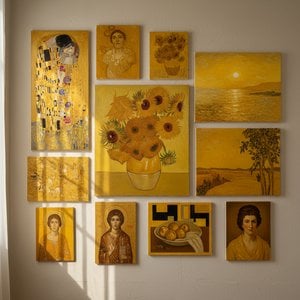
Топ-10 шедеврів живопису в відтінках жовтої охри: історія та натхнення для вашого дому
Відкрийте для себе 10 шедеврів живопису, де жовта охра – головний герой! Історія Ван Гога, Моне та інших геніїв. Натхнення для вашого дому від ArtsDot.com. Репродукції картин преміум-класу онлайн.

Топ-10 шедеврів американського реалізму: мистецтво правдивого відображення життя | ArtsDot
Відкрийте для себе 10 шедеврів американського реалізму! Дослідіть історії Ендрю Уайєта, Хопера та інших видатних художників. Купіть репродукції картин преміум-якості для вашого дому на ArtsDot.com.

Джон Сінґер Са́рджент: 25 шедеврів американського імпресіонізму для вашого дому | ArtsDot
Відкрийте 25 найкращих картин Джона Сінґера Са́рджента – американського імпресіоніста, майстра портретів та елегантного живопису. Історія мистецтва, техніки та натхнення для вашого дому від ArtsDot.com! Дослідіть повну колекцію онлайн.