


 Переглянути в інтер'єрі
 Надіслати
 Поділитися
 Деталі
 Посібник

 Завантажити
 Схожі предмети колекціонування
 Рентгенівське дослідження
 Слайд-шоу
 Статистика переглядів
The Straw Yard
 Oil On Canvas
- WallArt
- Baroque
 1810
1810 19.0 x 29.0 cm
 Єльський центр британського мистецтва
 Читати далі
Олійная репродукція ручної роботи
Написана вручну олією на полотні у вашому розмірі та рамі, виготовлена на замовлення нашими художниками. ( Перейти до друку Перейти до цифрових зображень)




P118B ₴10

P118H ₴10

P118W ₴10

P438Z ₴10

P508JH ₴12

P508YH ₴12

P805H ₴10

P805Z ₴10

P919BZ ₴10

P919G ₴10

P919XJ ₴10

P959ZH ₴10

P968JZ ₴12

W106C ₴8

W218G ₴10

W218JH ₴8

W218Y ₴10

W307PJ ₴10

W316G ₴10

W316PJ ₴8

W316Y ₴10

W398PJ ₴8

W4111J ₴10

W500HY ₴15

W500JH ₴15

W692G ₴12

W849H ₴8

W940BG ₴15

W953PJ ₴8




Обирайте з наших стандартних розмірів, що відповідають оригінальним пропорціям твору мистецтва.

Введіть необхідну ширину та висоту, щоб картина підійшла до вашої рами або стіни. Оскільки це ручний розпис, для розміру іншої форми художник може написати трохи більше навколо картини або трохи обрізати її — вибір за вами. Перед початком роботи ми надішлемо вам цифровий макет для затвердження. Зображення, показане на цій сторінці, не є реальним результатом — лише макет відображає майбутній вигляд.
Після оформлення замовлення команда ArtsDot.com зв'яжеться з клієнтом електронною поштою для отримання інструкцій та надасть попередній макет
Доставка по всьому світу () за 3–4 тижні замість стандартних 5 тижнів. (22 Жовтень). Без жодних компромісів у якості.

Безкоштовна експрес-доставка по всьому світу

Високоякісне лляне полотно

Повне страхове покриття доставки

Гарантія повернення митних зборів

Гарантія точного відтворення кольорів

Політика повернення протягом 100 днів (лише у разі виявлення дефектів)

Гарантія повернення 100% коштів

Знижка на оптові замовлення
 Скляний варіант доступний лише для розмірів до 110 см

The Straw Yard
Техніка репродукції
Розмір репродукції
-


Загальна вартість
₴ 11786
A Rustic Symphony: James Ward’s “The Straw Yard”
James Ward's "The Straw Yard," painted in 1810, isn’t merely a depiction of a rural scene; it’s a carefully constructed tableau brimming with quiet observation and the subtle poetry of everyday life. This oil painting, now housed within the Yale Center for British Art’s Paul Mellon Collection, transports us to a tranquil corner of England – a world seemingly untouched by the grand narratives of war or revolution, yet profoundly resonant with human experience. Ward, a master of animal portraiture and Romantic landscapes, here demonstrates his remarkable ability to capture not just the outward appearance of a scene, but also its underlying mood and spirit.
The composition immediately draws the eye towards a central grouping of livestock – a slumbering sheep, a cluster of donkeys, and a flurry of chickens. These animals, rendered with an almost tactile realism, are not presented as symbols of wealth or industry, but rather as participants in a simple, cyclical existence. A weathered fence, partially enclosing the scene, subtly guides our gaze into the background, where a modest barn with a thatched roof stands as a testament to humble prosperity. The perspective is deliberately flattened, prioritizing clarity and inviting us to fully immerse ourselves within this contained world. The diffused lighting suggests an overcast day, casting soft shadows that enhance the textures of the bark, wood, and wool – elements meticulously rendered by Ward’s skilled hand.
Baroque Realism and the Romantic Spirit
Ward's style firmly resides within the realm of Baroque realism, a movement characterized by its meticulous attention to detail, dramatic lighting, and a deep engagement with classical art. However, “The Straw Yard” also possesses qualities that align with the burgeoning Romantic sensibility taking hold in England at the time. The emphasis on nature’s beauty, the exploration of human connection with the land, and the portrayal of ordinary subjects – all hallmarks of the Romantic movement – are subtly interwoven into Ward's composition. He wasn’t simply documenting a scene; he was imbuing it with an emotional resonance, inviting us to contemplate the quiet dignity of rural life.
The painting’s historical context is crucial to understanding its significance. Painted in 1810, during a period of significant social and political upheaval following the Napoleonic Wars, “The Straw Yard” offers a poignant counterpoint to the turmoil of the era. It's a return to a simpler time, a celebration of the enduring values of community, labor, and connection with the natural world. The scene evokes a sense of timelessness, suggesting that these fundamental human experiences transcend specific historical moments.
Decoding Symbolism and Technique
Beyond its immediate visual appeal, “The Straw Yard” is rich in symbolic detail. The sleeping sheep, for instance, can be interpreted as representing peace, tranquility, and the cyclical nature of life. The donkeys, often associated with hard work and diligence, contribute to the painting’s theme of honest labor. Even the chickens, seemingly insignificant, symbolize fertility and abundance. Ward's masterful use of oil paint is equally noteworthy. He employs a layering technique, building up textures and colors through numerous thin applications of pigment – a method that lends the scene remarkable depth and luminosity.
The brushstrokes are visible yet controlled, creating a sense of immediacy while maintaining a polished finish. The careful rendering of light and shadow not only enhances the realism of the painting but also contributes to its overall mood—a feeling of gentle warmth and quiet contemplation. The muted color palette – dominated by browns, greens, and subtle yellows – further reinforces this atmosphere of rustic serenity. “The Straw Yard” is a testament to Ward’s technical skill and his ability to capture not just what he saw, but also the essence of the world around him.
A Timeless Masterpiece for Art Lovers
“The Straw Yard” remains a captivating work of art, offering viewers a glimpse into a bygone era while simultaneously resonating with universal themes of simplicity, community, and connection to nature. Whether displayed in a private collection or within a public gallery, this painting continues to evoke a sense of peace and contemplation—a reminder that beauty can be found in the most unassuming corners of life. Reproductions of this remarkable artwork offer an accessible way to bring its tranquil charm into any home or space, allowing you to experience the artistry and emotional depth of James Ward’s masterpiece.
Запитання та відповіді
Який формат друку рекомендується для «The Straw Yard» Джеймс Ворд?
Для репродукції «The Straw Yard» Джеймс Ворд рекомендується розмір Medium з орієнтацією Landscape.
Хто створив "The Straw Yard" і коли?
Автором «The Straw Yard» є Джеймс Ворд, а дата створення твору — 1810.
Чи залишився твір «The Straw Yard» у батьківщині свого автора?
Ні — твір зберігається за кордоном. Країна походження Джеймс Ворд — Великобританія, а музей, у якому зберігається оригінал твору «The Straw Yard», розташований у Сполучені Штати Америки.
Схожі твори мистецтва


Біографія митця
James Ward: A British Master of Animal and Romantic Landscapes
У серці 19-го століття, коли Англія переживала період значних змін та розквіту мистецтва, з’явився художник, чиє ім'я сьогодні звучить як символ витонченої майстерності та романтичної душі – Джеймс Ворд (1769-1859). Він був не просто живописцем; він був спостерігачем природи, вмілим передавачем емоцій та тонким дослідником людської натури. Його картини, особливо зображення тварин у мальовничих пейзажах, стали віхою в розвитку британського мистецтва, впливаючи на покоління художників, які слідували за ним.
Ранні роки та формування стилю
Джеймс Ворд народився 23 жовтня 1769 року в Лондоні, у родині фруктового торговця. Його дитинство було сповнене творчості завдяки тому, що він був одним із п’яти дітей, а його брат, Вільям Ворд, став гравцем у Королівській академії мистецтв. Він не відвідував школу, а з юних років був навчений майстерності гравюри його братом. Це навчання відкрило йому талант до малювання, і він швидко розвинув свій власний стиль. Спочатку, до 1803 року, його роботи були значно під впливом свого братів-в-закон, Джорджа Морленда, відомого своїми жанровими сценами та зображенням повсякденного життя. Однак, після того, як він побачив знамениту картину Рубенса «Замок Стен» у 1803 році, його стиль кардинально змінився, і він почав натхненнясь драматичним використанням світла та тіней, а також динамічною композицією, характерною для робіт великого майстра.
Впливи та ключові етапи творчості
Кар'єра Ворда можна розділити на два основні періоди. Перший період, до 1803 року, характеризується впливом Джорджа Морленда, але після цього він почав шукати власні теми та стилістичні рішення. Найбільшим впливом на його творчість став Петро Павла Рубенс, який змусив Ворда переосмислити традиційні підходи до живопису. Він почав зображувати тварин у мальовничих пейзажах, використовуючи яскраві кольори та драматичне освітлення. Він був надзвичайно уважним спостерігачем природи, ретельно вивчаючи анатомію тварин і людську фігуру. Його прагнення до реалізму було поєднане з романтичним баченням світу, що робило його картини особливо вражаючими.
Найвідоміші роботи та досягнення
Специфічний стиль Ворда відрізняв його від багатьох сучасників. Він майстерно працював у різних жанрах: історичні полотна, портрети, пейзажі та зображення тварин. Серед його найвідоміших творів –:
- «Гардалеський каньйон» (1814/15): Цей драматичний пейзаж, що зображує мальовничий каньйон Йоркшира, став справжнім шедевром Ворда та символом романтичного бачення природи.
- «Пограбування оленів» (1823): Цей портрет, замовлений Тофілусом Леветтом, демонструє майстерність Ворда у зображенні сюжету та тварин.
- «Полювання Томаса Леветта в Вікнорі, графство Стаффордшир» (1817): Портрет одного з його клієнтів, що відображає здатність Ворда передавати не лише зовнішній вигляд, але й атмосферу та настрій.
Його картини вирізняються ретельною увагою до деталей, особливо у зображенні тварин, поєднаною з романтичним настроєм і акцентом на красу та силу природи.
Історичне значення та спадщина
Джеймс Ворд відіграв важливу роль у переході від неокласицизму до романтизму в британському мистецтві. Він став мостом між традиційними жанровими картинами та зростаючим інтересом до пейзажу та натуралізму, залишивши після себе багату спадщину, яка надихала наступні покоління художників. Його роботи, що зберігаються в таких музеях, як Tate Britain і Yale Center for British Art, продовжують захоплювати глядачів своєю красою та глибиною.
Внесок у мистецтво та суспільство
Важливо відзначити, що Ворд не лише талановитий художник, але й людина з глибокими переконаннями. Він був відомий своїм анти-автаркідним ставленням до тварин і захищав права тварин. Його картини часто містили моральні послання та соціальні коментарі, що робило його мистецтво не лише естетичним, але й етично значущим.

Джеймс Ворд
1769 - 1859 , Великобританія
Довідкова інформація
- Artistic Movement Or Style: Романтизм
- Artists Or Movements Influenced By This Artist:
- Morland
- Рубленс
- Artists Who Influenced This Artist:
- George Morland
- Рубенс
- Date Of Birth: 23 жовтня 1769
- Date Of Death: 17 листопада 1859
- Full Name: James Ward
- Nationality: Британський
- Notable Artworks:
- Гордале Скар
- Полювання Леветта
- Дятел
- Place Of Birth: Лондон, Великобританія
Схожі статті

James Ward: A Study in British Romantic Landscape and Animal Painting
Explore the captivating world of James Ward (1769-1859), a master of British Romantic landscape & animal painting. Discover his iconic 'Gordale Scar' and exquisite portraits – a timeless art investment. Learn about his influences, style, and enduring legacy.

Джеймс Ебботт МакНейл Вістлер: 25 шедеврів імпресіонізму для вашого дому | ArtsDot
Відкрийте 25 шедеврів Джеймса Вістлера – імпресіонізм, портрети та нічні сцени. Історія мистецтва, техніки живопису та натхнення для декору вашого дому від ArtsDot. Дослідіть колекцію онлайн!

Барокова драма: мистецтво, що привносить велич у дім
Відкрийте для себе велич бароко! Дізнайтесь про історію стилю, особливості українського бароко та як створити розкішний інтер'єр. Ексклюзивні репродукції картин від .
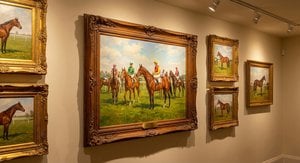
Топ-25 шедеврів Альфреда Джеймса Міннінгса: мистецтво коней та англійської глибинки | ArtsDot
Відкрийте 25 найкращих картин Альфреда Джеймса Міннінгса! Дослідіть шедеври англійського імпресіонізму, мистецтво коней та пейзажі Англії. Купуйте репродукції високої якості для вашого дому на ArtsDot.com.

The Dramatic Flourish: Exploring the Baroque Movement's Enduring Legacy in Art History
Explore the dramatic world of Baroque art! Discover iconic artists like Caravaggio & Rubens, defining techniques, and its lasting impact on art history. Expert insights for collectors & enthusiasts at ArtsDot.

