


 Переглянути в інтер'єрі
 Надіслати
 Поділитися
 Деталі
 Посібник

 Завантажити
 Схожі предмети колекціонування
 Рентгенівське дослідження
 Слайд-шоу
 Статистика переглядів
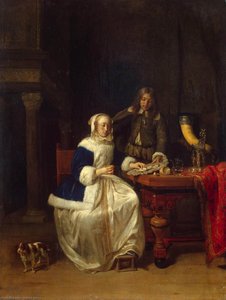
The Hunter's Gift
 Oil On Canvas
- WallArt
- Baroque
 1658
1658- Early Modern
 51.0 x 48.0 cm
 Рейксмюзеум
 Читати далі
Придбайте цифрову копію високої роздільної здатності з покращеною якістю, що значно перевершує онлайн-перегляд.
Кожен файл ретельно підготовлений нашими фахівцями за допомогою сучасних інструментів та професійної ручної ретуші. Ми гарантуємо виняткову чіткість, точну передачу кольору та високу деталізацію кожного зображення.
Фінальний файл надсилається електронною поштою протягом 72 годин і оптимізований для негайного використання у професійних виданнях та друкованих матеріалах. Таку якість обирають провідні дизайнерські студії, видавництва та галереї.
Цифрове зображення
Завантажте файл високої роздільної здатності для особистого використання, друку та творчих проєктів. ( Перейти до друку Купити картину ручної роботи)
Що входить у кожне замовлення цифрових зображень
Експертна цифрова доставка з гарантією якості
Обираючи ArtsDot.com, ви отримуєте не просто зображення — ви отримуєте професійно вдосконалений цифровий витвір мистецтва, створений з надзвичайною точністю та підкріплений гарантією задоволення. Ось усе, що автоматично додається до вашого замовлення:

Швидка доставка на email
Ваш цифровий файл із зображенням високої роздільної здатності буде надісланий вам електронною поштою протягом 72 годин після оформлення замовлення — він буде готовий до негайного використання.

Цифровий файл із покращенням ШІ
Ваш витвір мистецтва професійно оптимізовано за допомогою передових інструментів штучного інтелекту та ручної корекції, що забезпечує максимальну деталізацію, чіткість і точність передачі кольорів.

Безкоштовне повторне завантаження назавжди
Випадково видалили або втратили файл? Не хвилюйтеся — ми надішлемо його вам повторно в будь-який час безкоштовно.

Без митних зборів — завжди
Насолоджуйтесь вашим витвором мистецтва миттєво без жодних мит, зборів або плати за доставку — цифрові завантаження завжди не оподатковуються.

Гарантія точності кольорів
Ми гарантуємо максимально точне відтворення оригінальних кольорів на вашому цифровому зображенні завдяки використанню професійних інструментів та систем управління кольором.

100-денна гарантія задоволення клієнта
Якщо ви не задоволені придбаним цифровим зображенням, ми внесемо правки або повернемо 100% вартості протягом 100 днів — без зайвих запитань.

Гарантія повернення 100% коштів
Незадоволені покупкою? Отримайте повне повернення коштів протягом 100 днів після отримання цифрового файлу — без зайвих запитань.

Знижки на оптові замовлення
Купуйте 3 зображення — заощаджуйте 10% — Купуйте 5 — заощаджуйте 15% — Купуйте 10+ — заощаджуйте 20%. Чудово підходить для творчих проєктів, галерей та агентств.
A Glimpse into Domestic Serenity: The Allure of 'The Hunter's Gift'
To gaze upon Gabriel Metsu’s The Hunter's Gift is to step across the threshold and into a moment suspended in time—a tableau vivant steeped in the quiet richness of Dutch Golden Age domesticity. This painting, executed in 1658, transcends a mere portrait; it is an intimate narrative woven from light, texture, and carefully placed objects. The scene unfolds within a richly appointed room, suggesting the comfortable elegance of prosperous burgher life. At its heart are two figures: a woman seated gracefully at a table, engrossed in the contemplation of a book, accompanied by a gentleman whose presence anchors the left side of the composition. The arrangement is one of studied ease, inviting the viewer to lean closer and decipher the unspoken dialogue passing between them.
Mastery of Genre and Still Life Detail
Metsu, known for his eclectic artistic spirit, demonstrates here a profound command over genre scenes interwoven with meticulous still life elements. Observe the objects scattered across the table: the gleam on the wine glasses, the quiet curve of the vase near the center, and the scholarly weight of the open book. These items are not mere props; they are carefully curated components contributing to the overall atmosphere. The inclusion of several dogs, positioned with naturalistic grace—one near the edge, another closer to the group—lends a palpable sense of life and companionship to the setting. Even the small details, such as the clock ticking silently above the fireplace mantle or the bird perched delicately upon the tabletop, draw the eye into an almost obsessive appreciation for texture and form.
Symbolism Woven into Everyday Life
The symbolism within The Hunter's Gift invites deeper contemplation. The presence of hunting paraphernalia, hinted at by the title, juxtaposed with the domestic setting, suggests a harmonious balance between worldly pursuits and intellectual repose. The book itself speaks to learning and virtue, while the wine glasses hint at conviviality and shared experience. Metsu masterfully employs these everyday objects—the bowl, the bottles, the literature—to elevate the scene from simple depiction to profound meditation on life's pleasures: companionship, knowledge, and material comfort. It is a celebration of cultivated taste.
Technique and Emotional Resonance for the Modern Collector
The technical brilliance evident in this work lies in Metsu’s handling of light. The illumination seems to emanate from an unseen source, catching highlights on polished wood, the sheen of dog fur, and the creamy pages of the book, lending the entire scene a luminous, almost palpable quality. For those who appreciate the depth of Dutch Baroque painting, this piece offers unparalleled emotional resonance. It speaks not of grand historical events, but of the quiet dignity found in shared moments—a feeling that continues to captivate collectors and interior designers alike. Owning a reproduction allows one to bring this sophisticated atmosphere of tranquil elegance into your own space, transforming a room into a sanctuary reminiscent of 17th-century Dutch refinement.
Схожі твори мистецтва




Біографія митця
Gabriel Metsu – A Life of Artistic Exploration
Gabriel Metsu (1629–1667) stands as a singular figure within the Dutch Golden Age, celebrated for his masterful depictions of domestic interiors and genre scenes imbued with subtle symbolism. His oeuvre—a mere handful of paintings compared to contemporaries like Rembrandt and Vermeer—holds an extraordinary power due to its meticulous observation of everyday life and its profound engagement with humanist ideals. This biography delves into Metsu’s formative years, artistic influences, prolific career, and enduring legacy, illuminating the complexities of a creative spirit that defied easy categorization.Early Life and Influences
Born in Leiden around November 27 or mid-December 1629, Gabriel Metsu descended from a lineage steeped in artistic tradition. His father, Jacques Metsu (c. 1588–1629), was a tapestry weaver and painter originally hailing from Hainault—a region renowned for its textile craftsmanship and artistic patronage. While Jacques’s output remains elusive to scholars, his involvement in the visual arts undoubtedly instilled in Gabriel an early appreciation for diverse techniques and aesthetic sensibilities. The Metsu family's relocation to Leiden exposed young Gabriel to a vibrant cultural milieu characterized by burgeoning intellectual discourse and artistic experimentation. Notably, his stepfather, Cornelis Bontecraey (d. 1649), was a skipper—a profession that afforded him considerable financial stability and facilitated access to broader horizons beyond Leiden’s confines. Jacquemijntje Garniers, Gabriel's mother, was a midwife—a role reflecting the social realities of the time and hinting at an upbringing marked by practicality alongside artistic awareness.Artistic Training and Style
Metsu’s artistic training remains shrouded in mystery, hampered by the scarcity of biographical information and the deliberate omission of dates from his paintings. Despite speculation regarding potential connections with Gerrit Dou—a fellow Leiden painter—evidence supporting this claim is scant. However, prevailing scholarly consensus points to Claes Pietersz. de Grebber (1590–1650), a Haarlem silversmith and prominent artist, as Metsu’s primary instructor. De Grebber's influence on Metsu’s early style—particularly his penchant for luminous chiaroscuro—is undeniable, mirroring the stylistic innovations championed by Rembrandt van Rijn during his formative years. Furthermore, Metsu’s apprenticeship with Antonie Claesz de Grebber—Gerrit’s son—reinforced this connection to Haarlem’s artistic elite and solidified Metsu's commitment to mastering foundational drawing skills. The Guild of Saint Luke in Leiden recognized Metsu’s talent early on, registering him as a member in 1648—a pivotal moment signifying his acceptance into the established artistic community and affirming his dedication to upholding professional standards.Notable Works and Artistic Innovations
Metsu's distinctive style—characterized by its understated elegance and meticulous attention to detail—established him as one of the foremost practitioners of genre painting during the Dutch Golden Age. Unlike Rembrandt’s dramatic theatricality or Vermeer’s serene idealism, Metsu eschewed grand narratives in favor of intimate portrayals of domestic life, capturing fleeting moments of human emotion with remarkable sensitivity. His canvases frequently depict young women engaged in commonplace activities—such as sewing or reading—often framed within windows that serve as symbolic portals to the outside world. Recurring motifs—including poultry sellers and market scenes—reflect Metsu’s fascination with emblems—visual symbols conveying moral lessons and philosophical concepts—a hallmark of humanist thought prevalent during his era. Among Metsu's most celebrated achievements are *The Sick Child* (c. 1664–66), a poignant depiction of maternal tenderness that draws inspiration from Vermeer’s masterful use of light and color; *Portrait of the Hinlopen Family*, a masterpiece blending genre conventions with portraiture—demonstrating Metsu's ability to synthesize diverse artistic influences into a cohesive visual idiom; and *A Visit to the Nursery*, which exemplifies his meticulous observation of domestic interiors and his skillful rendering of naturalistic textures.Legacy and Influence
Gabriel Metsu’s oeuvre—though comparatively modest in size—commands considerable admiration among art historians and collectors alike. His unwavering dedication to capturing the subtleties of human experience—coupled with his masterful command of technique—solidified his reputation as a visionary artist who transcended stylistic boundaries. Metsu's influence extended beyond his immediate contemporaries, inspiring subsequent generations of painters—including Pieter de Hooch—who embraced similar aesthetic principles and compositional strategies. Today, Metsu’s paintings reside in prestigious museums across Europe—most notably the Rijksmuseum in Amsterdam—where they continue to captivate audiences with their timeless beauty and profound psychological insight. His legacy serves as a reminder that artistic excellence can flourish even amidst stylistic diversity—and that true artistry resides not merely in grand gestures but in the quiet contemplation of everyday life.
Габріель Метсу
1629 - 1667 , Нідерланди
Коротко про автора
- Artistic Movement Or Style: Голландська золота доба
- Artists Or Movements Influenced By This Artist: ['Геррит Доу']
- Artists Who Influenced This Artist:
- Рембрандт ван Рійн
- Йоганнес Вермер
- Date Of Birth: 1629
- Date Of Death: 1667
- Full Name: Gabriel Metsu
- Nationality: Нідерландський
- Notable Artworks:
- Художник відвідує дім
- Ярмарок птиць
- Портрет сім'ї Хінлопен
- Place Of Birth: Leiden, Netherlands